





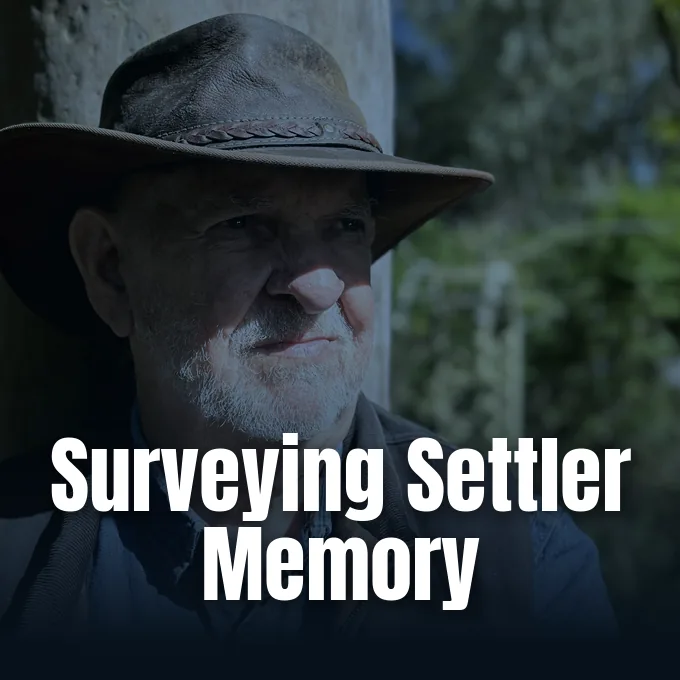
How do frontier records reshape our understanding of Country and colonial pasts? For contemporary Aboriginal historians, archival evidence reveals how early settlement disrupted Indigenous life along the Nepean–Hawkesbury rivers, an area known as Dhurabang on the Sydney Plain, where British expansion steadily displaced existing communities. In Surveying the Wild Abyss, Barry Corr examines what he describes as settler memory through decades of site visits. Corr is now in his eighties. His study traces early encounters while questioning how Australian society remembers past conflict [1].
- How Aboriginal Historians Revisit Frontier Invasions
- What Does Barry Corr Find in Archival Records?
- Why Do Aboriginal Australian Historians Re-Read Literature?
- The Humanitarian Critique and the 1837 Buxton Report
- Is Aboriginal History Taught in Australian Schools?
- How Aboriginal Historians in Australia View Political Reform
How Aboriginal Historians Revisit Frontier Invasions
In an analysis released as a preprint that has not yet undergone formal peer review, historian Tim Rowse reviews the new volume by Barry Corr, examining how it confronts the Australian colonial record through two separate analytical lenses. The opening half focuses on local encounters along the Nepean–Hawkesbury rivers, mapping how British arrivals occupied the Sydney Plain. Corr reconstructs these events by studying memorials, tombstones, and local registries in Richmond, Windsor, Parramatta, and Penrith. Those four towns mark early settlement corridors [1].
Aboriginal historians often encounter archival silences when researching early settlement, yet Corr turns those silences into evidence by spending long hours in local libraries to trace the family trees of early settlers who shaped the first 50 years of frontier control. While earlier research has examined complexity in pre-colonial Aboriginal food practices through varied landscapes, Corr looks closely at the violence that disrupted these older systems. Frontier invasion became a lasting structure [1].
Corr describes his personal connection to Country by pointing to years spent walking through local valleys and reading colonial inscriptions. “Libraries have always been a home to me,” he wrote, recounting decades spent piecing together local land grants, cemetery stones, and police diaries to understand how newcomers claimed riverside soil. He offers a concrete account of Country [1].
What Does Barry Corr Find in Archival Records?
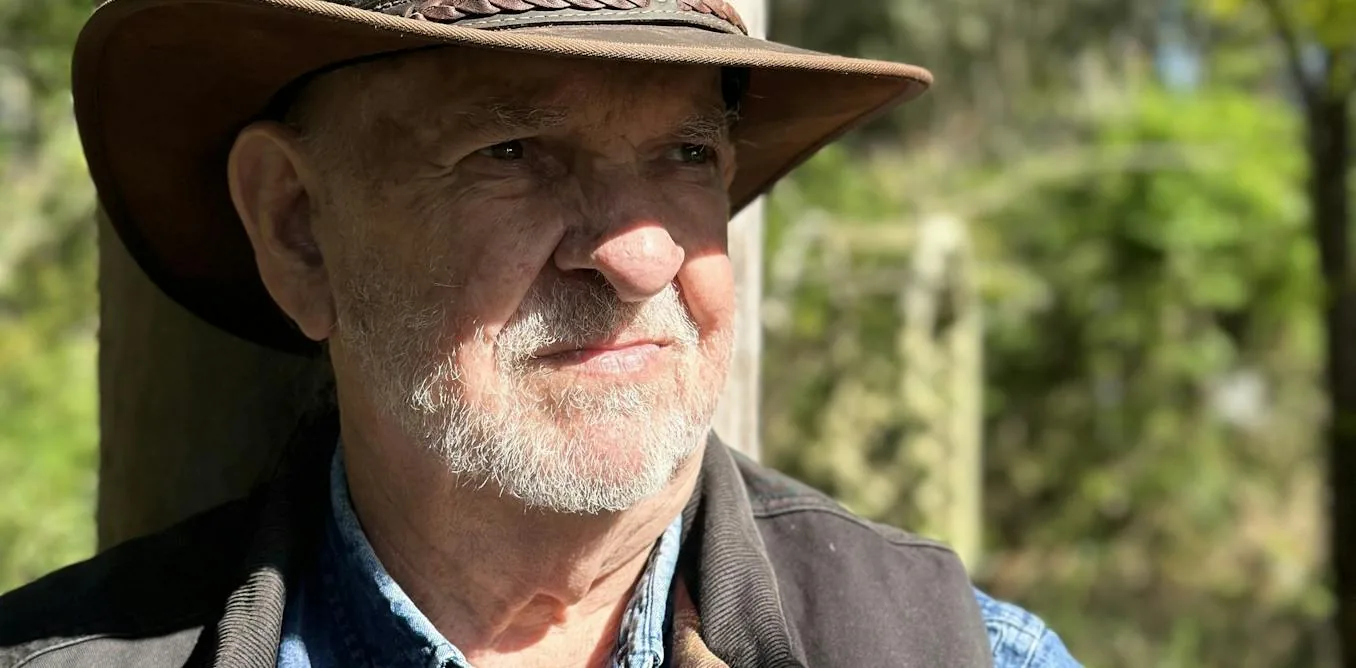
Archival records from the Hawkesbury region reveal repeated clashes between expanding pastoralists and Indigenous communities defending their ancestral homes. Corr examines how colonial officials recorded frontier violence, noting that official reports often concealed the true scale of conflict on the Sydney Plain. Charles Darwin visited Dhurabang in 1836. Walking over grounds marked by recent dispossession, Darwin witnessed an environment where land grants and boundary markers had steadily pushed Indigenous clans away from freshwater sources [1].
Corr’s archival method combines European philosophy with local Indigenous oral memory, creating an eclectic analytical framework that draws upon varied intellectual traditions. In what he calls “my tinker’s bag,” he gathers ideas from thinkers such as Friedrich Nietzsche, Jacques Derrida, Michel Foucault, Theodor Adorno, Sigmund Freud, Jacqueline Rose, and anthropologist William Stanner. Rather than offering a standard chronological chronicle, he uses these texts to analyze why settler consciousness avoids confronting past horrors. Corr argues that Australian memory repeatedly contrives ways to contemplate frontier violence while erasing its political consequences, so that the foundational violence of colonization is acknowledged only on superficial terms [1].
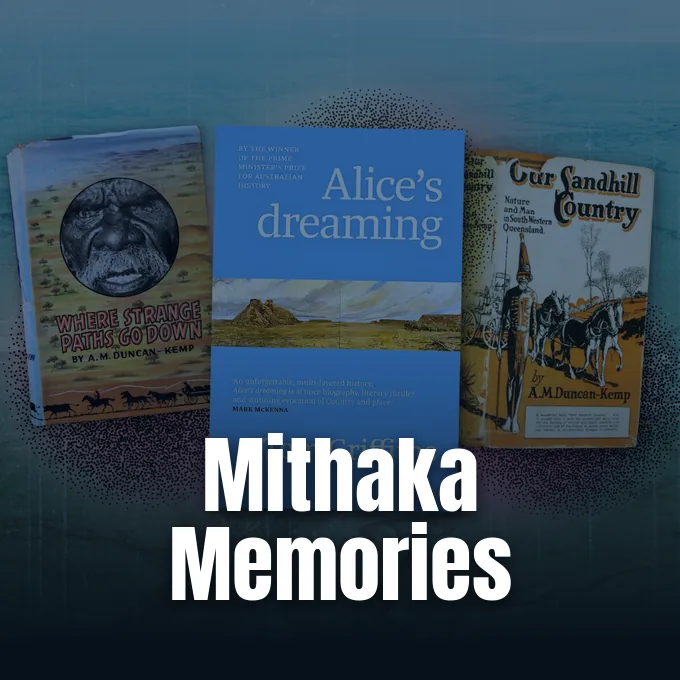
Corr’s focus on local colonial records and Country complements wider research into early territorial narratives. Studies examining how Alice Duncan-Kemp recorded Mithaka history show similar efforts to preserve Indigenous voices from pastoral frontiers in Queensland. Land grants legitimated private ownership while dispossessing First Nations groups. Non-Indigenous beneficiaries remain unwilling to face the real outcomes of settlement, leaving the colonial abyss unaddressed in public debates [1].
Why Do Aboriginal Australian Historians Re-Read Literature?
Aboriginal Australian historians re-read classic literature to uncover how colonial writers imagined frontier encounters and Indigenous resistance. In the second half of Surveying the Wild Abyss, Corr analyzes well-known Australian literary texts through an Indigenous lens, examining Patrick White’s novel Voss and D.H. Lawrence’s 1923 semi-autobiographical work Kangaroo to see how both authors grappled with an unfamiliar landscape and the unresolved trauma of invasion [1].
Corr’s critique of Voss offers a striking reinterpretation of iconic Australian symbolism. White described a comet in the night sky as an omen warning of the destruction of Indigenous people, but Corr rejects this colonial framing. “White is completely wrong in portraying the appearance of a comet in the night sky as an omen of the destruction of the Aboriginal people,” Corr wrote. The celestial comet is the eye of the Rainbow Serpent, which seeks out wrongdoers rather than threatening Indigenous survival, meaning that Voss dies because his own arrogance caused the deaths of innocent men [1].
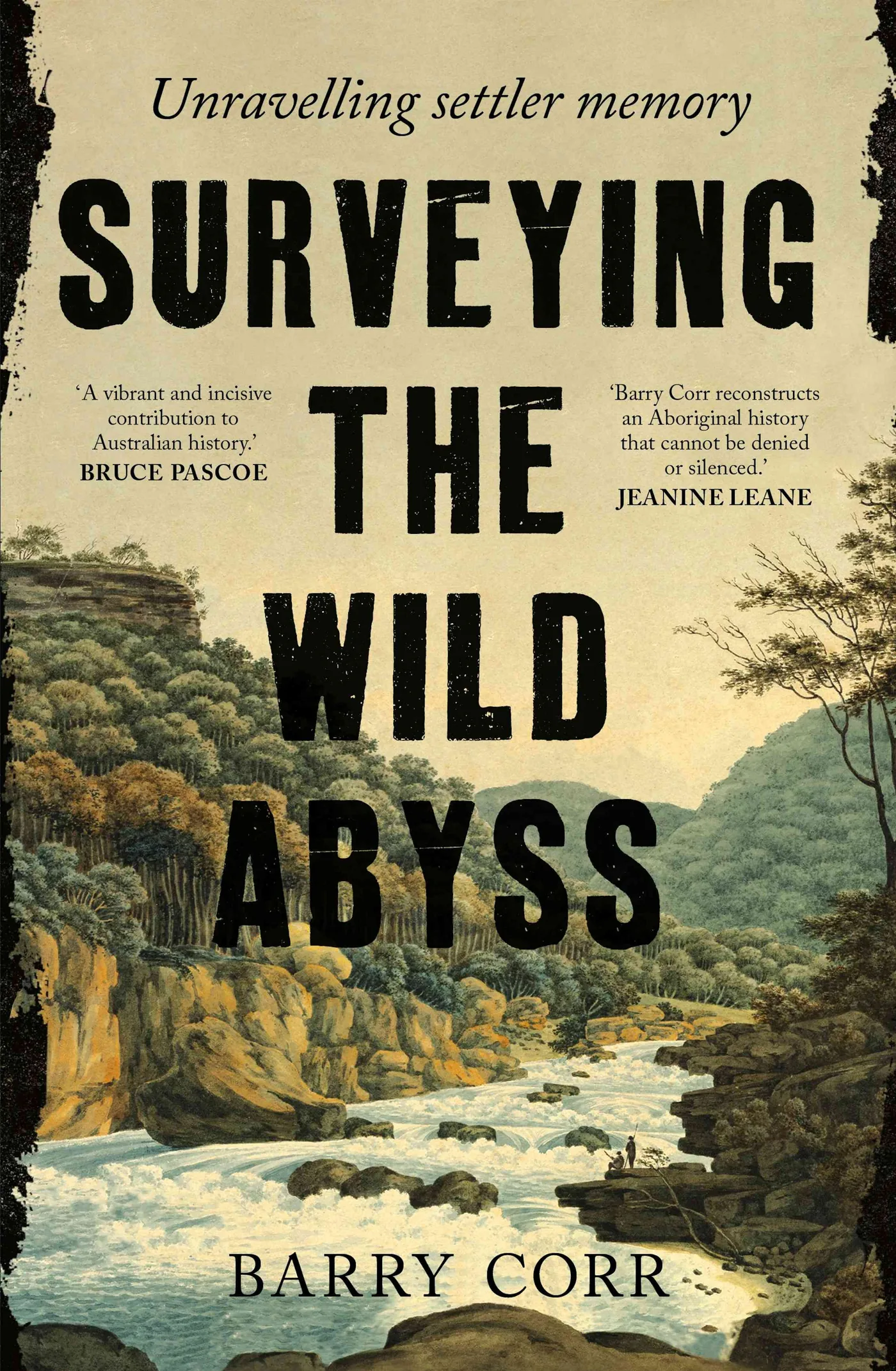
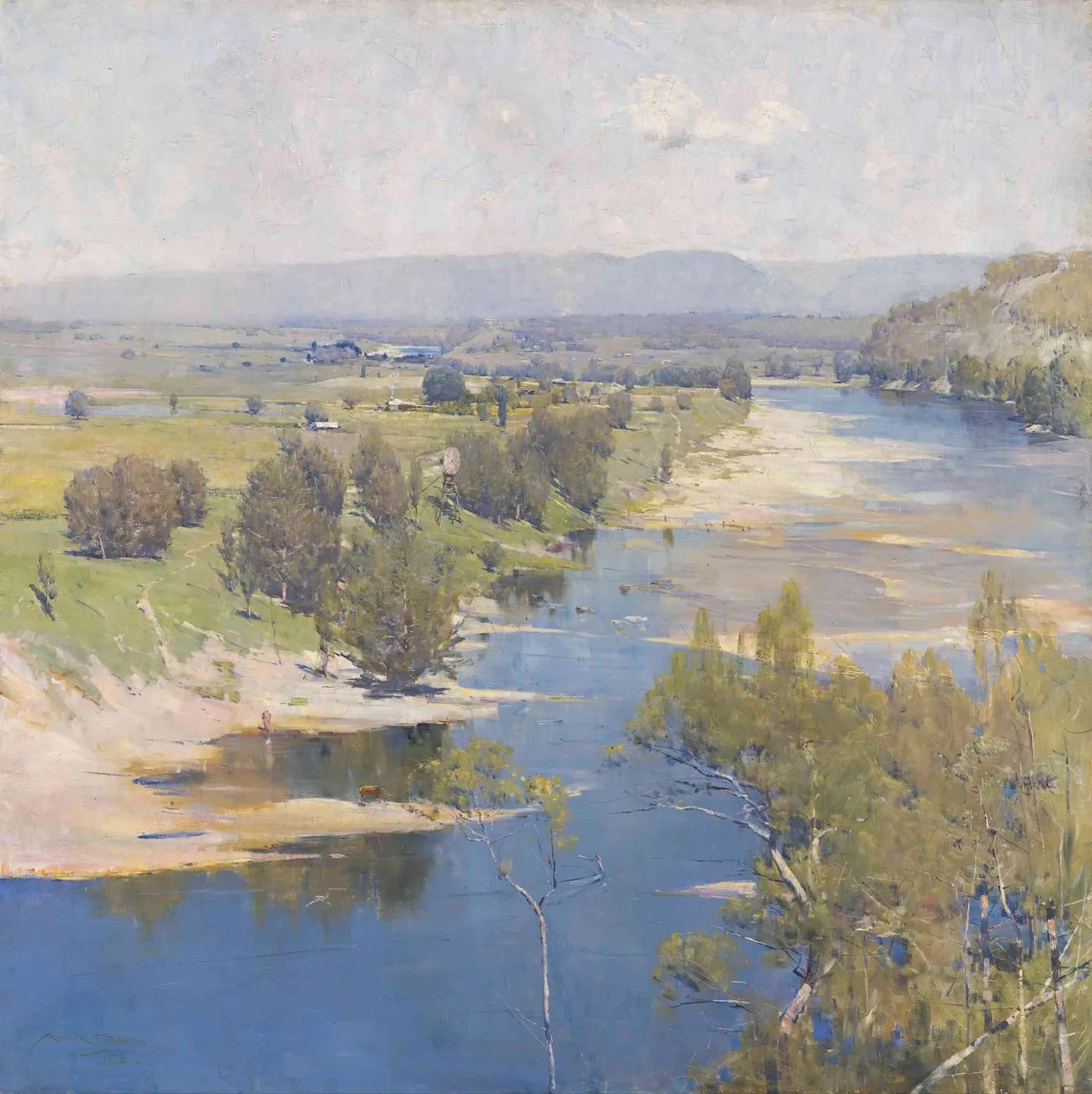
This literary approach extends to Australian visual art and landscape painting. Corr re-reads Arthur Streeton’s 1896 landscape painting The Purple Noon’s Transparent Might, looking beyond its sunlit depiction of the Hawkesbury River to reveal suppressed colonial conflict [1]. Furthermore, Corr’s analytical work links to contemporary literary journals like Overland, where he joins contributors such as Benjamin Gready, Zahid Gamieldien, Dan Hogan, and Shefali Mathew in interrogating language and occupation under co-editors Evelyn Araluen and Jonathan Dunk [2].

The Humanitarian Critique and the 1837 Buxton Report
The humanitarian critique of British colonisation emerged during the early nineteenth century as reformist politicians attempted to moderate imperial expansion. Tim Rowse argues that Corr’s view of settler memory overlooks this reform tradition. In particular, Rowse points to the 1837 Report of the Parliamentary Select Committee on Aboriginal Tribes, led by Thomas Fowell Buxton, which gathered evidence of frontier violence across the British Empire to advocate for Indigenous protection and land reservations [1].
When Corr discusses the Buxton Report, he quotes its warning that “the speedy extinction of the Aborigines is inevitable,” treating the statement as evidence of settler indifference. However, Rowse argues that Corr misreads Buxton’s political intent, because Buxton quoted that phrase specifically to condemn colonists’ fatalism, declaring that “the atrocity of such a sentiment is only surpassed by its impiety”. Historian Zoe Laidlaw, in her 2021 study Protecting the Empire’s Humanity, traces how Buxton’s network created a persistent, though often compromised, humanitarian impulse within colonial policy [1].
Rowse contends that settler colonial institutions are not static monoliths, but sites of ongoing political struggle where critics continually challenged imperial excesses. In his view, treating settler memory as unified and unchanging prevents critics from recognizing how progressive reformers sought to alleviate colonial harms. Buxton’s ameliorative policies often fell short of their promises, yet Rowse said they established an important precedent of moral accountability in imperial administration [1].
Is Aboriginal History Taught in Australian Schools?
Aboriginal history in Australian schools has developed from early assimilationist schooling experiments into current curricula that address frontier conflict. In Surveying the Wild Abyss, Corr examines the origins of colonial education, describing how early authorities gathered 37 Aboriginal children into the Parramatta Native Institution from 1814 to 1820. That school closed its doors in 1820. Corr argues that this early institution foreshadowed long-standing child removal policies that persisted through the nineteenth and twentieth centuries [1].
The legacy of the Stolen Generation is still a central subject of study in Australian classrooms today. Corr argues that despite official statements of regret, state interventions in Indigenous family life have repeatedly resurfaced under different administrative names. “Even in this century, although the devastating effects of the Stolen Generation are supposedly well known, and despite the Apology, the taking of children has been reinstitutionalised,” Corr wrote. For Corr, education must directly confront these continuities rather than treating past abuses as resolved history [1].

Curriculum discussions in Australia continue to reflect wider disagreements over how to teach frontier settlement. Discussions on how hunter-gatherer societies show social disparities and governance structures help students understand First Nations societies before European arrival. Corr insists that school history must acknowledge Aboriginal anger and ongoing injustice, warning that superficial apologies cannot replace genuine recognition of Country [1].
How Aboriginal Historians in Australia View Political Reform
Aboriginal historians in Australia continue to question whether legal frameworks and state-led initiatives can deliver genuine decolonisation. Corr expresses deep skepticism toward policies based on reconciliation and constitutional recognition. He considers assimilation an ongoing current in Australian political life, pointing out that even the Native Title Act served primarily to validate Crown and freehold title rather than restore sovereign control [1].
Rowse questions Corr’s fatalism, arguing that Indigenous political campaigns have achieved significant practical gains over the past half-century. In October 2023, approximately 40% of Australian voters supported the Voice referendum, showing strong public backing for First Nations representation. Moreover, land rights legislation has secured an extensive land and sea estate for many Indigenous communities across regional Australia, creating economic and cultural opportunities that Corr’s critique largely overlooks [1].
Despite their sharp political disagreements, commentators agree that Corr’s study offers valuable local history. Publisher New South included appreciative commentaries by literary scholar Justin Clemens, who called the book a “masterpiece,” and historian Tom Griffiths, who said it “may confound some readers but will captivate many others”. Griffiths praised its wide imaginative reach [1]. In literary venues like Overland, where poet Eli McLean, Fiona Hile, and Sol Chan publish alongside essayists, Corr’s voice contributes to an ongoing national dialogue about memory and justice [2].
- PREPRINT Rowse, T. (2026). Aboriginal historian Barry Corr vividly investigates colonisation – but is less convincing on politics. [Preprint]. [Article Link]
- ONLINE NEWS Corr, B. (2024, September 2). Barry Corr, Author at Overland literary journal. Overland Literary Journal. [Article Link]
APA 7: TWs Editor. (2026, October 5). The Settler Past: How Aboriginal Historians Read Colonisation. PerEXP Teamworks. https://perexpteamworks.com/en/aboriginal-historians-settler-memory-colonisation/


