



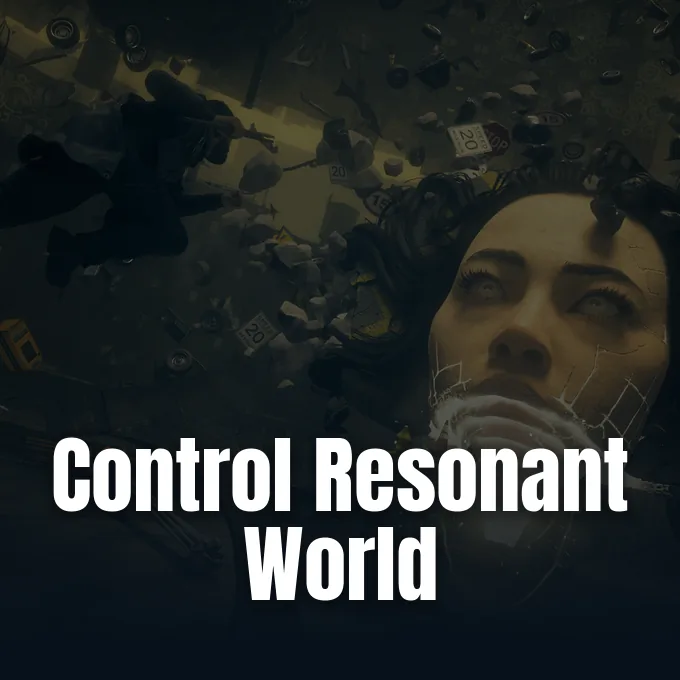
Remedy Entertainment senior level designer Arhi Makkonen revealed structural details regarding the Control Resonant world, describing Manhattan as the largest setting the Finnish studio has ever constructed. Scheduled to launch on September 24, 2026, the upcoming sequel arrives seven years after the release of 2019’s Control [2]. This evolution shifts supernatural action away from the enclosed Oldest House onto open city streets, overhauling core combat and progression systems [1].
Building the Control Resonant World
Makkonen joined Remedy in 2018 during the final year of production on the original Control, where he contributed directly to the earliest architectural blockouts shaping its supernatural gameplay flow. His primary responsibilities as level designer centered on figuring out how the world should be structured, establishing narrative pacing, and mapping out player progression from early blockouts until the concluding credits [2]. Transitioning from interior offices to an expansive metropolis forced the level design team to rethink foundational assumptions about player orientation.
The interior rooms of the Oldest House granted Jesse Faden telekinetic levitation, yet ceilings always constrained her upward momentum. Ceilings no longer exist. In contrast, the Control Resonant world provides immense vertical distance across the open avenues of Manhattan. Dylan Faden moves even faster than his sister, granting players extraordinary athletic speed to scale sheer skyscraper surfaces, leap across vast urban gaps, and navigate towering Manhattan rooftops with complete physical freedom. How can level designers guide players who possess the supernatural power to run up skyscraper walls? Makkonen explained that restricting player freedom was never an option, leading the studio to embrace full mobility wherever architectural space permitted [2].
This unrestrained mobility transforms combat geometry. During the previous game, Remedy frequently locked Jesse behind glowing red Hiss barriers until she eliminated every hostile entity in the room, trapping players within artificial combat arenas. That penned-in design made spatial sense within bureaucratic concrete chambers. On open streets, however, containment felt artificial. Resonant removes mandatory combat lock-ins, incentivizing skirmishes through environmental rewards while allowing players to bypass hostile patrols entirely [1].
Guiding Players Through Shifting Streets
Without artificial walls to funnel movement, guiding players demanded subtle environmental cues. Remedy organized the Control Resonant world around prominent visual landmarks, framing the primary destination of each district directly ahead as players cross borders. Distinctive color palettes define every territory. A player entering the evacuation zone, the central district, or the overgrown park instantly recognizes the district through distinct color grading alone, drastically reducing the necessity of constantly pausing exploration to consult a map [2].
Exploration remains completely open once the initial two-hour introduction concludes. Players can tackle city zones in whatever sequence they prefer, uncovering hidden supernatural stories and environmental lore scattered across abandoned Manhattan storefronts, dark alleyways, and shattered transit hubs. During internal studio playtests, several testers spent 15 hours investigating side content before even initiating the main campaign. Such emergent pacing reflects how the Control Resonant world diverges from the scripted corridors of the Oldest House [2].
This open exploration intertwines with an inverted role-playing progression system. Rather than funneling experience directly into Dylan to purchase standard upgrades, the urban zones themselves accumulate experience as players complete objectives. Leveling up a neighborhood unlocks tangible survival advantages across the district, including abundant health drops, revealed loot caches, and supplementary excursions into dangerous quarantine sectors. Zone mastery subsequently awards Dylan with Talent Points (specialized currency used to enhance supernatural combat arts), establishing a direct mechanical link between territorial restoration and character growth [1].



Gravity Shifting and Melee Combat
Manipulating gravity across the Manhattan skyline introduced severe technical and spatial challenges for Remedy’s world designers. In early development prototypes, testers struggled to determine which vertical surfaces supported footing. The design team eventually adopted a strict operational rule: if a surface looks walkable, it is walkable. Implementing that philosophy required intense collaboration between environment artists and level designers, who constantly adjusted architectural ledges to prevent players from accidentally flying out of the map boundaries [2].
Vertical mobility redefines traversal. Players run up concrete skyscrapers without pause, turning sheer walls into active pathways across the fractured city [2].
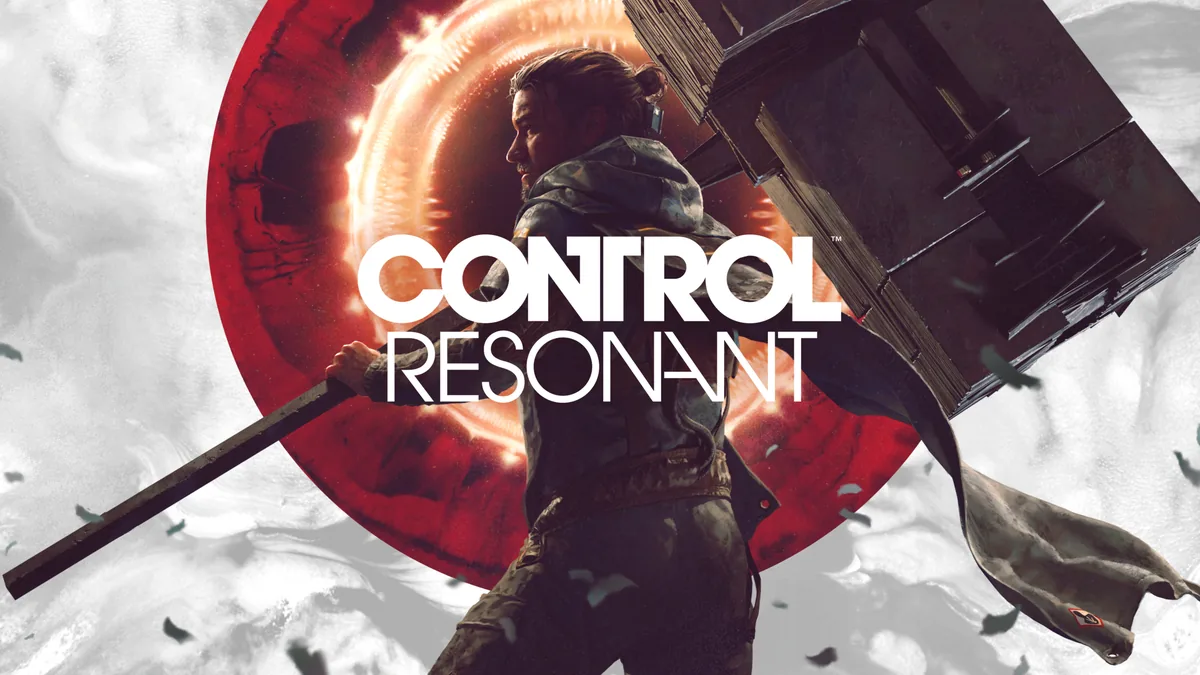
Combat mechanics underwent a parallel reinvention to match Dylan’s heightened ferocity. While Jesse relied heavily on the Service Weapon and ranged telekinetic throws, Dylan confronts supernatural horrors through Remedy’s first dedicated melee combat system built around fast, aggressive physical strikes. He wields the Aberrant (a morphing supernatural armament that rapidly shifts between slicing blades and a massive hammer), delivering kinetic strikes designed to feel far more aggressive than past studio projects. The results felt immediate. Makkonen noted that melee combat felt satisfying early in development, energizing the team to build complex close-quarters skirmishes throughout the Control Resonant world [2].
Hostile encounters demand varied tactical responses because enemy design now emphasizes distinct battlefield roles. Evolved variants of both the Hiss and the vegetative Mold haunt Manhattan’s streets, requiring players to adapt Dylan’s outfit and augmentations to counter specific enemy roles and behavioral patterns. Enemies no longer function as interchangeable targets firing from cover. Instead, coordinated monster squads combine close-range pressure with specialized supernatural disruptions, forcing swift weapon switches during chaotic street battles [1].
Boss Encounters and the Resonance Cycle
Boss battles in the original adventure functioned primarily as localized barriers: Jesse eliminated an anomaly, collected Ability Points, and continued through the narrative. In Control Resonant, major victories carry systemic consequences across the entire map through what Remedy terms the Resonance Cycle. When Dylan destroys a major Resonant boss, Manhattan physically shapeshifts. Existing encounters grow progressively more perilous, fresh supernatural threats emerge in previously cleared sectors, and urban activities evolve to reflect the shifting paranatural climate as part of the Resonance Cycle [1].
Defeating these entities does not follow a rigid storyline. While the first and final confrontations are predetermined, the major Resonants in between can be challenged in any sequence. This structural flexibility allows explorers to chart their own path through the city, confronting supernatural milestones when their combat build feels adequate. Will choosing an aggressive boss early in the campaign compromise navigation in adjoining districts? Because every major boss victory alters surrounding streets through the Resonance Cycle, strategic combat decisions directly reshape the physical obstacles and environmental routes players must navigate across Manhattan [1].
Narrative agency extends beyond combat encounters into conversational dynamics. Dylan engages in dialogue choices that alter how non-player characters respond to him, shifting relationships across several ongoing World Quests whether he speaks openly or remains silent. Remedy emphasizes, however, that these options do not produce branching story conclusions. The campaign preserves a single definitive ending, focusing consequences on personal character interactions rather than alternate endings [1].
Tackling these formidable challenges does not mean excluding players who find punishing combat overwhelming. For those seeking to explore Manhattan without stalling at aggressive combat encounters, tailoring gameplay through Control Resonant assist mode enables custom difficulty adjustments without disabling achievement tracking or compromising the overarching narrative [1]. Such accessibility ensures that navigating the Control Resonant world remains welcoming across diverse player preferences.
Studio Stakes and Commercial Milestones
Character management has also been relocated from cold menu screens into physical space. In the first game, Jesse accessed upgrades through standard menus at bureaucratic Control Points. In Control Resonant, Dylan retreats into The Gap (a surreal metaphysical domain linked directly to his psyche where players configure augmentations and test weapon modifications). This personal sanctum mirrors the narrative organization seen in Alan Wake 2. Furthermore, Dylan does not explore Manhattan in absolute isolation: remaining civilian survivors shelter in urban pockets, while Federal Bureau of Control field operatives like Zoe provide continuous tactical coordination [1].
Progress requires specialization. Unlike Jesse’s adventure, where a single thorough campaign unlocked nearly every available paranatural ability, Dylan cannot acquire every talent during one journey. Certain upgrade paths permanently favor distinct combat philosophies. Building a specialized character across the Control Resonant world thus encourages repeated playthroughs. To support divergent character builds, Remedy implemented multiple concurrent save slots, allowing players to maintain parallel playthroughs without wiping existing progress [1].
The commercial stakes surrounding this ambitious sequel are immense for the Finnish developer. According to market data from Video Game Insights, the original 2019 Control has accumulated approximately 7.6 million unit sales worldwide, firmly standing as Remedy’s most successful modern release. That commercial footprint far eclipses the 3 million lifetime copies achieved by Alan Wake 2, as well as the studio’s multiplayer spinoff FBC: Firebreak, which concluded its live support following a final content drop earlier this year. Delivering the Control Resonant world represents both a creative gamble on open-ended urban exploration and a vital anchor for the studio’s interconnected narrative universe. When the title arrives on September 24, players will discover whether Remedy’s vertical vision of Manhattan can surpass its celebrated subterranean past [2].
- ONLINE NEWS Glover, S. (2026, September 17). Control Resonant vs Control – 10 Biggest Changes You Need to Know. GamingBolt. [Article Link]
- ONLINE NEWS Packwood, L. (2026, September 17). Remedy’s Arhi Makkonen on designing the “biggest world we have ever done” for Control Resonant. GamesIndustry.biz. [Article Link]


1 comment