




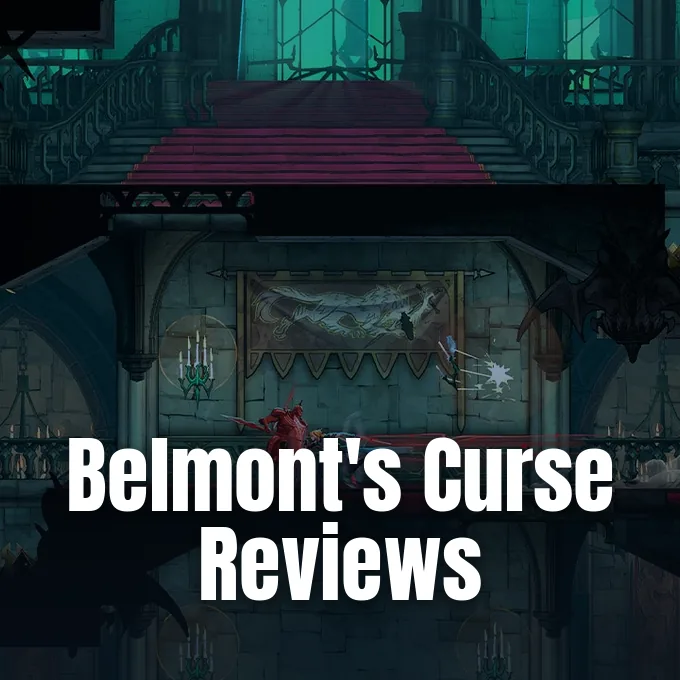
Konami released Castlevania: Belmont’s Curse on October 15, 2026, teaming up with co-developers Evil Empire and Motion Twin to deliver the first original 2D installment in the series since 2008 [6]. Critical reception quickly coalesced around strong praise for its nimble whip traversal and responsive combat, even as critics pointed out sluggish early pacing and limited enemy diversity [2]. Aggregator Metacritic registered an 83 score from 61 outlets, confirming that early Belmont’s Curse review feedback firmly welcomes the franchise’s gothic return [6].
Critical Reception in Belmont’s Curse Review Scores
Aggregation platforms logged broad consensus across publication outlets and player communities. On OpenCritic, 135 critics posted impressions, including a Platinum Award from Thumb Culture [5]. Metacritic compiled an 83 Metascore based on 61 critic reviews, with 90 percent positive appraisals and zero negative scores, while 328 player ratings settled at a favorable 7.7 user score [6].
The release follows a lengthy 13-year hiatus for original side-scrolling entries in the series, leading reviewers to evaluate how carefully the new development team handled the property [7]. IGN critic Scott White said the French studio Evil Empire “largely hit their mark” by mixing modern responsive controls with vintage heritage, giving the 40-year-old brand a fresh foundation [2]. At Anime News Network, Georgie Boysaxe noted that Konami turned to outside partners following the popularity of the 2023 Dead Cells: Return to Castlevania expansion and Koji Igarashi’s earlier success with Bloodstained: Ritual of the Night, which famously raised $500,000 on Kickstarter in under four hours [1].

ScreenRant reviewer Ben Brosofsky observed that resurrecting the franchise in a crowded Metroidvania market wasn’t simple, but concluded the final game delivers something exciting in place of pure nostalgia. Earlier, the Castlevania: Belmont’s Curse demo launched early to let players test the mechanics firsthand. That early sample set expectations for how the complete Belmont’s Curse review consensus would evaluate the final retail campaign [3].
Movement Upgrades and Weapon Variety
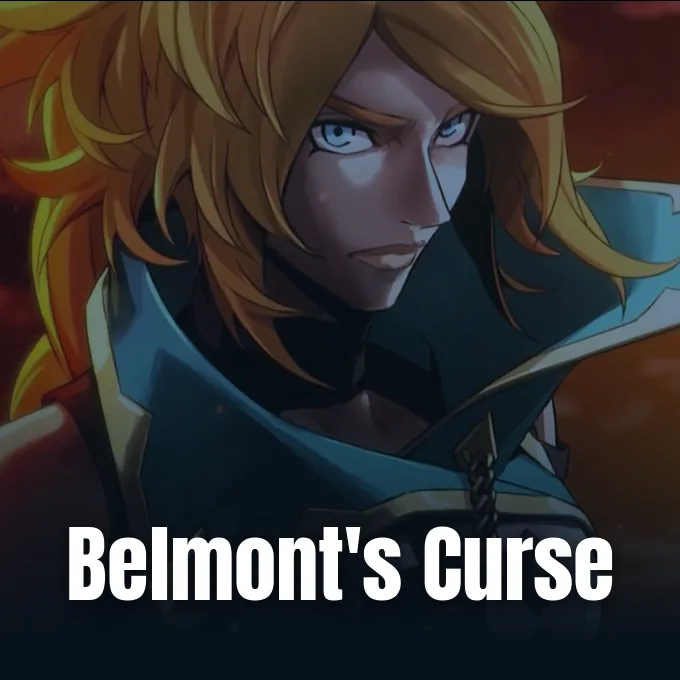
The narrative casts players as Rose Belmont, the daughter of Trevor Belmont and Sypha Belnades, fighting across Paris in 1499 [2]. This premise marks the series’ first female lead since 2008’s Order of Ecclesia. Earlier reporting showed how Castlevania: Belmont’s Curse revived 2D vampire hunting in Paris with faster action. Unlike traditional Belmonts, Rose doesn’t suffer contact damage from monsters in her immediate proximity, giving players more tactical freedom during crowded encounters [1].
Traversal expands once Rose unlocks her ethereal whip ability during the opening hours of the campaign. The tool latches onto environmental points to swing across chasms, and it doubles as an aggressive assault move. Rose can grapple directly onto enemies to fling herself forward, gaining invulnerability frames when players time their incoming strike correctly [1]. Nintendo World Report compared this fluid momentum to Prince of Persia: The Lost Crown, noting that zipping through hostile rooms turns platform navigation into an acrobatic highlight [4].

Combat flexibility stems from seven distinct weapon types, each split into four ascending tiers discovered in hidden chests or awarded after boss encounters. Players can equip standard swords, sword-and-shield pairs, spears, greatswords, dual blades, fists, and the Belmont whip line [2]. Rely on Horror praised this setup, noting that four weapons per category prevents inventory clutter while supporting distinct playstyles [7]. Scott White favored fist weapons for launching foes into aerial punch combos, though the Vampire Killer whip outshines other options once unlocked. Defensively, Rose uses a light shield to parry strikes and pass through select barriers, while physical hits steadily refill her magic gauge [2].

Boss Battles and Gothic Visuals
Magical abilities revolve around a set of Tarot cards left to Rose by her late mother, Sypha Belnades [2]. Defeating major bosses seals their souls inside the deck, granting Rose equippable spells that players can upgrade by completing combat trials, such as slaying a set quota of skeletons [4]. These captured spirits, including Medusa, Joan of Arc, and The Fallen, also serve as constant companions who bicker inside Rose’s head during her journey [2]. Spells range from a spinning axe that boomerangs back to the heroine to a summoned stone gargoyle that rains down crushing projectile strikes on clustered foes [4].
Reviewers widely praised the memorable boss encounters scattered across the sprawling map. ScreenRant noted that the very first boss acts as a firm skill check with a chunky health bar, demanding quick mastery of jump arcs and dodge slides [3]. Later encounters build on those mechanics, including a multi-phase possessed golem that requires platform precision before a timed finish, and a teleporting sorcerer firing energy beams from multiple angles [4]. Scott White singled out Dracula’s right-hand lieutenant, Death, for wielding one of the most imposing scythe designs in the history of the franchise [2].
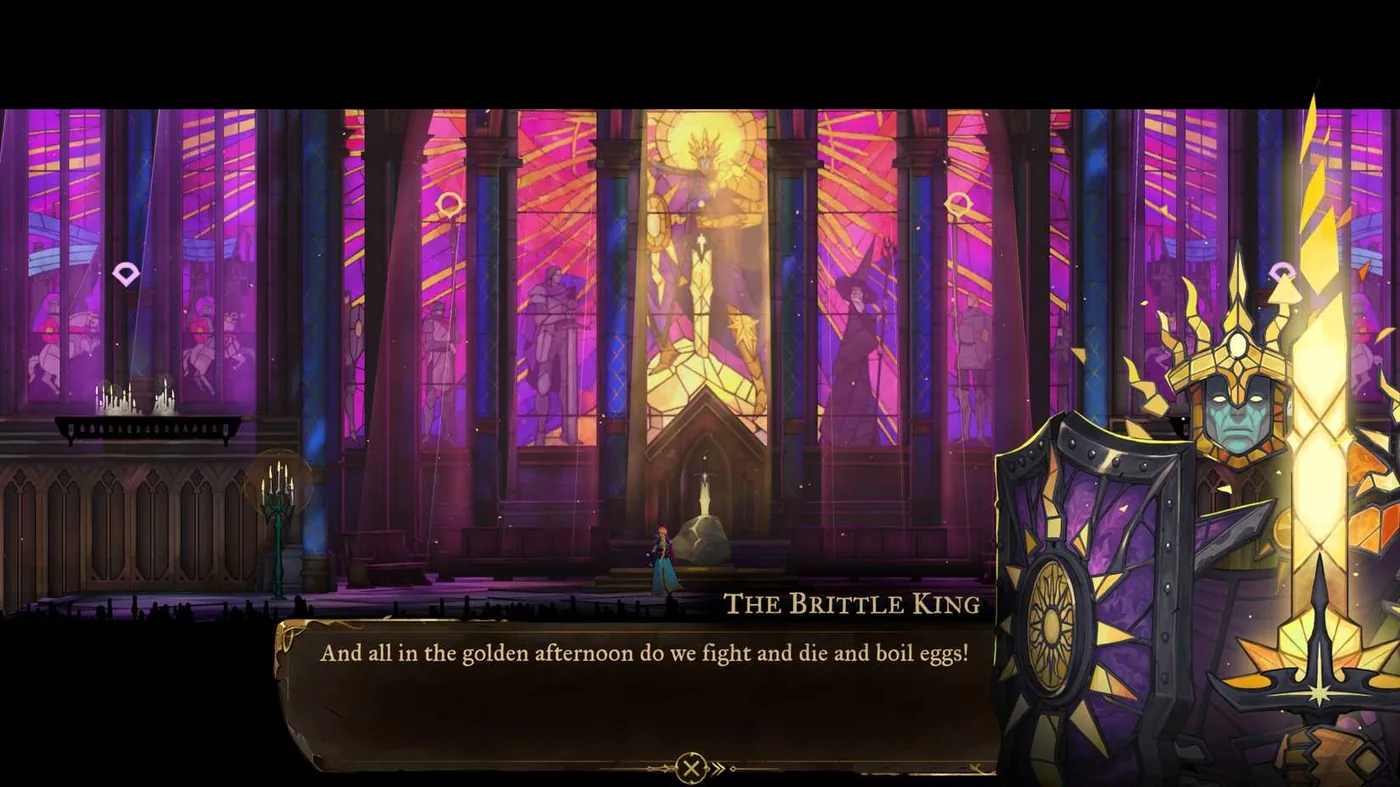
Aesthetic choices sparked lively discussion among outlets. The cartoonish 2.5D presentation draws inspiration from Rondo of Blood, pairing fluid character animation with striking backdrops of flaming rooftops, blood-red skies, and intricate clockwork [3]. Both English and Japanese voice tracks accompany the dialogue, with Rely on Horror praising the Japanese voice cast for adding emotional weight to dramatic scenes [7]. However, the musical score drew divided reactions; Ben Brosofsky likened modern genre shifts in the music to Ludwig Göransson’s work on Star Wars, but multiple critics lamented the lack of memorable Baroque melodies and disliked electronic synth additions to classic compositions [3].
Pacing Flaws in Belmont’s Curse Review Feedback
Despite general acclaim, prominent criticisms emerged regarding the campaign’s opening tempo. Georgie Boysaxe described a bottlenecked introductory phase reminiscent of The Legend of Zelda: A Link to the Past, arguing that restrictive early paths leave players little room to wander before reaching a major progression threshold. Because Rose begins with sluggish running speed and basic defensive slides, early exploration can feel more like a chore than a discovery process. Hostile monsters hit hard during these introductory chapters, creating a steep learning curve before players acquire enough experience points to balance combat encounters [1].
Enemy variety also attracted scrutiny from reviewers who expected a broader bestiary. Scott White observed that while Axe Knights look imposing, iconic foes such as the massive corpse sphere Legion and wall-mounted skeleton dragons are completely absent, forcing the game to rely on palette swaps in later biomes [2]. Certain returning enemies also behave more aggressively than their vintage counterparts, with gangly Flea Men launching instant floor spears that can wipe out Rose’s health in seconds [1]. Player reviews on Metacritic echoed these observations, noting that fighting similar enemy patterns across consecutive zones dulls the thrill of late-game exploration [6].
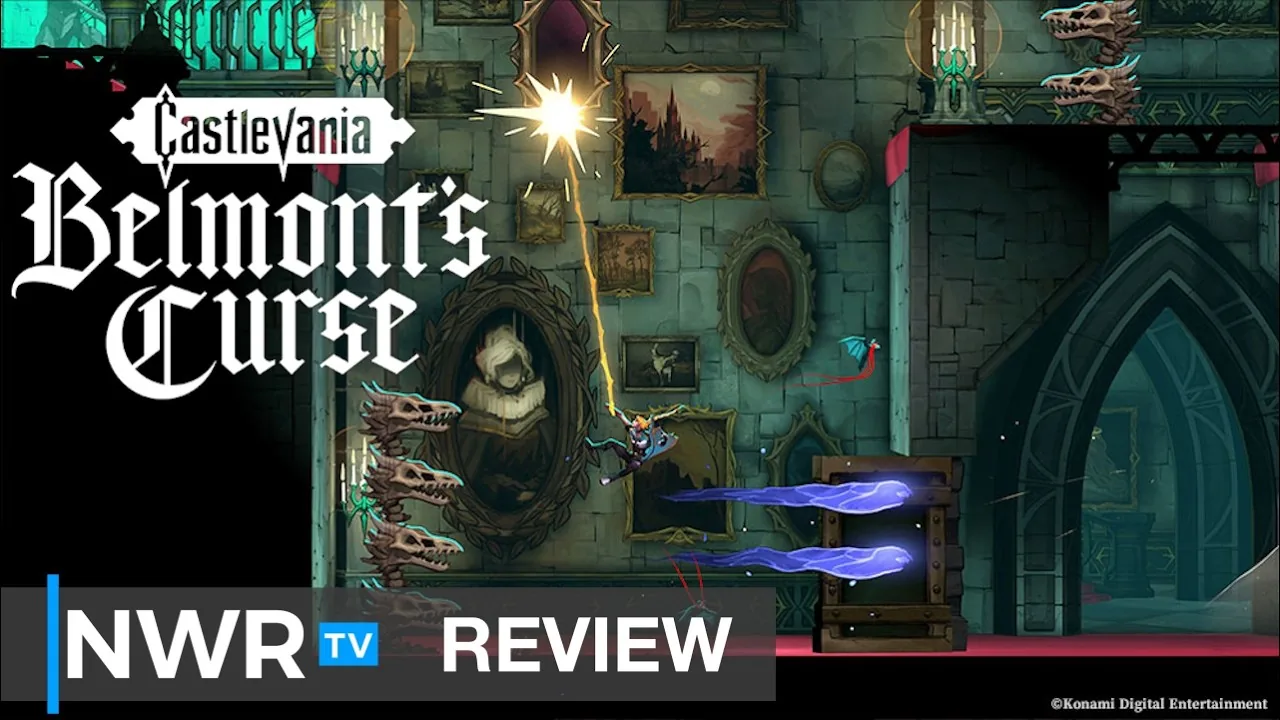
Traversal friction extends to checkpoint spacing and fast-travel mechanics. Players can teleport between regional save rooms by crouching before mirrors, but PS5 loading screens between mirror hubs take roughly 15 seconds, discouraging frequent back-tracking [2]. Nintendo World Report pointed out that long stretches between save rooms occasionally force frustrating re-runs after accidental spike falls [4]. Fortunately, Evil Empire implemented flexible accessibility toggles that let players adjust incoming damage, increase experience gains, or respawn directly outside boss doors. This adaptability softened technical complaints throughout Belmont’s Curse review coverage, allowing players to tailor the adventure to their preferred challenge level [2].
Technical Performance Across Platforms
Hardware performance varies noticeably depending on the chosen platform. Steve Summers reported smooth framerates on both PC and Xbox Series X, confirming that the game ran without significant glitches across pre-release builds and handled visual settings cleanly on handheld gaming PCs [7]. On Nintendo hardware, the experience split along generational lines. Running the title on upcoming Switch 2 hardware yielded a stable 60 frames per second, whereas original Switch 1 consoles suffered from reduced screen resolution and occasional frame drops during hectic encounters [4].
Control precision remains essential given the abundance of twitch platforming gauntlets featuring instant-death spikes and swinging blades. Steve Summers strongly recommended navigating intricate obstacle courses with a traditional D-pad rather than an analog stick to prevent accidental misdirections [7]. Some PlayStation 5 user reviews on Metacritic cited slight input latency during fast parry attempts, though default controls proved responsive for most reviewers once acclimated to the jump physics [6]. Story completion generally clocks in between 10 to 15 hours for a standard playthrough, stretching toward 20 hours for players hunting down optional bosses and multiple endings [2].

Arriving in time for the franchise’s 40th anniversary, Castlevania: Belmont’s Curse proves that Konami’s partnership with independent developers can successfully revitalize dormant properties [7]. While its slow opening pacing and reduced enemy pool keep it from surpassing legendary series pinnacles, its kinetic whip mechanics and rich gothic atmosphere deliver a rewarding search-action adventure [1]. With strong review scores across major aggregators, Rose Belmont’s Parisian journey provides a confident template for where the vampire-slaying saga can venture next [6].
- ONLINE NEWS Boysaxe, G. (2026, November 4). Castlevania: Belmont’s Curse Game Review. Anime News Network. [Article Link]
- ONLINE NEWS White, S. (2026, October 13). Castlevania: Belmont’s Curse Brings Konami’s Beloved Series Into the Modern Era With a Fast-paced Focus on Action First – Review. IGN. [Article Link]
- ONLINE NEWS Brosofsky, B. (2026, October 13). Castlevania: Belmont’s Curse Review – Drac Is Back In Bloody Good Fashion. ScreenRant. [Article Link]
- ONLINE NEWS Nintendo World Report. (2026, October 13). Castlevania: Belmont’s Curse Review. Nintendo World Report. [Article Link]
- WEBSITE MacIntyre, H. J. (2026, October 6). Castlevania: Belmont’s Curse Critic Reviews. OpenCritic. [Article Link]
- WEBSITE Metacritic. (2026, October 15). Castlevania: Belmont’s Curse Reviews. Metacritic. [Article Link]
- ONLINE NEWS Summers, S. (2026, October 13). Review: Castlevania: Belmont’s Curse. Rely on Horror. [Article Link]


