






Microsoft has quietly abandoned its Copilot+ branding across its newest generation of Surface hardware, concluding a contentious two-year marketing campaign that attempted to redefine personal computers around neural acceleration. Speaking on the sidelines of the Qualcomm Snapdragon Summit, Microsoft Surface Corporate Vice President Brett Ostrum confirmed that freshly unveiled devices will no longer carry the badge. The announcement marks an abrupt commercial pivot away from the corporate label while preserving underlying hardware standards [1].
- Surface Hardware Retires Copilot+ Branding at Snapdragon Summit
- Hardware Requirements Outgrow Copilot+ PC Branding Labels
- Memory Shortages Force Changes to Windows 11 Hardware Baselines
- Local AI Development Expands Beyond Dedicated NPU Badges
- Will the Dedicated Copilot Key Survive Hardware Consolidation?
Surface Hardware Retires Copilot+ Branding at Snapdragon Summit
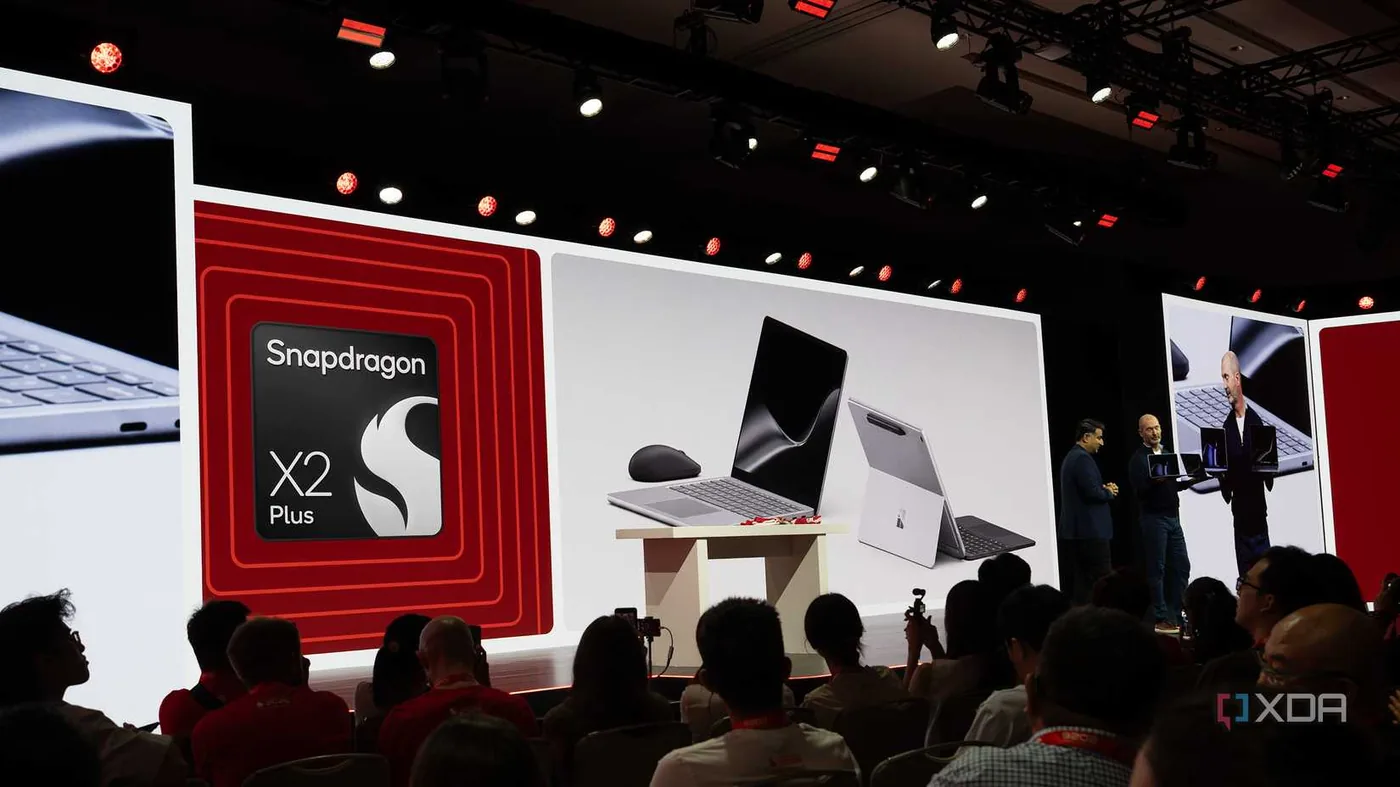
The shift surfaced publicly when technology publication Windows Central questioned Microsoft leadership regarding the absence of marketing emblems on newly announced portable machines. During the Snapdragon Summit 2026 showcase, Microsoft revealed a Snapdragon X2 Plus-powered Surface Pro 12-inch with 5G connectivity and an updated 13-inch Surface Laptop designed for corporate and consumer mobile users. Neither machine features the familiar badge. When reporters asked directly about the marketing classification, Ostrum conceded the change. ‘These are not called Copilot+ PCs,’ said Ostrum during the briefing [1].
Ostrum explained that the omission reflects a strategic communication transition rather than an abandonment of silicon capabilities. ‘They do meet all the requirements of our previous bar for what Copilot+ devices are,’ Ostrum stated. ‘We still lean into the narrative around AI on the edge and being able to have a hybrid out there.’ Despite preserving the internal engineering threshold, Microsoft chose not to apply the promotional moniker to its consumer product packaging [1].
The badge retirement extends well beyond Microsoft’s in-house Surface lineup. Upcoming consumer systems powered by Nvidia RTX Spark N1X processors also lack any Copilot+ branding on retail displays. Internal development prototypes, including Microsoft’s experimental Project Zenith hardware, have omitted the logo from chassis designs as well. Hardware manufacturers preparing retail inventory for global distribution have quietly aligned their product descriptions with Microsoft’s updated guidance, dropping promotional references across partner catalog listings [2].
Retailers had voiced growing frustration over consumer confusion surrounding artificial intelligence tiers. Industry buyers frequently questioned whether older inventory remained capable of executing forthcoming Windows features. The simplified messaging eliminates ambiguity at checkout [2].
Hardware Requirements Outgrow Copilot+ PC Branding Labels
Microsoft originally introduced the Copilot+ framework in 2024 to establish an exclusive tier of personal computers optimized for local neural processing units (NPUs). To qualify for the marketing badge, machines had to supply an NPU delivering at least 40 trillion operations per second (TOPS). Consumers quickly encountered friction when flagship software features like Recall triggered widespread privacy backlash. The branding rapidly became an awkward hardware checkbox that buyers struggled to understand [3].
During a roundtable interview at the Snapdragon Summit, Qualcomm Senior Vice President of Compute Kedar Kondap provided candid perspective on why the industry outgrew the badge. ‘The purpose of Copilot+ PCs was to be able to deliver NPU experiences,’ Kondap explained to attendees. ‘So it was to define a certain category of devices with a certain bar and metric; for example, a 45 TOPS NPU… So from that perspective, it’s more about offering the same experiences, probably without just using Copilot+ PC terminology now’ [1].
Modern processor releases from Qualcomm, Intel, and AMD now incorporate capable neural silicon as standard equipment across mainstream pricing brackets. Because virtually every contemporary mid-range and high-end processor reaches 40 TOPS or more, maintaining a dedicated badge ceased offering meaningful commercial differentiation across retail stores and digital storefronts. Silicon standards evolved beyond promotional labels [1].
When specialized acceleration hardware becomes universal across mainstream platforms, artificial brand segmentation quickly loses relevance. PC makers realized that customers wanted dependable performance across daily workloads rather than abstract benchmark promises. Brett Ostrum acknowledged that reality [1].

Memory Shortages Force Changes to Windows 11 Hardware Baselines
Beyond processor performance, memory economics played a decisive role in reshaping Microsoft’s hardware strategy. The initial Copilot+ branding guidelines mandated at least 16GB of system RAM, establishing a high price floor for budget-conscious enterprise purchasers and educational institutions. A severe worldwide memory chip shortage—frequently referred to as RAMageddon across consumer electronics channels—made that minimum requirement unsustainably expensive for mass-market laptop adoption across global commercial supply lines [3].
In response to component shortages, Microsoft quietly purged its longstanding 32GB RAM recommendation from its official website. The company then introduced new Surface for Business laptops equipped with merely 8GB of memory. Software engineers simultaneously pledged to optimize Windows 11 so that core operating system workflows operate fluidly on 8GB machines. That engineering focus builds upon broader operating system maintenance, including an emergency patch to stabilize Windows 11 during earlier corporate deployment cycles to boost general system reliability [2].
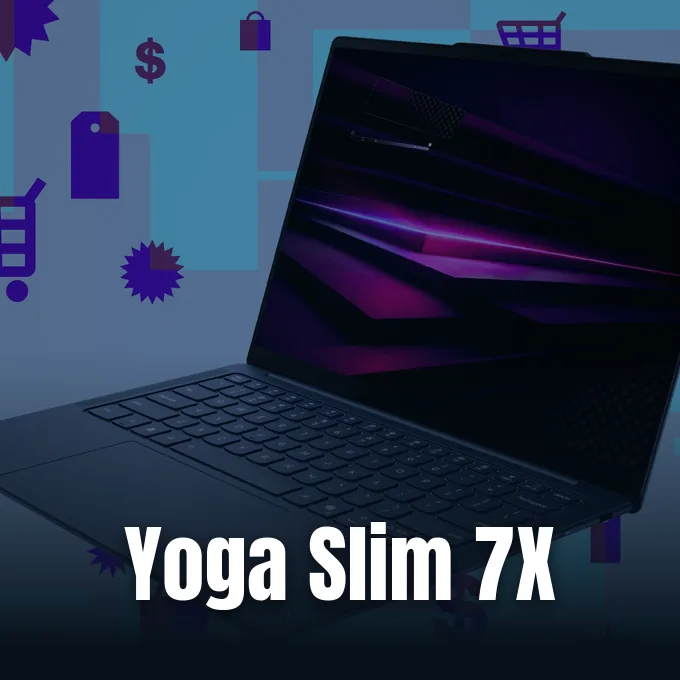
Hardware partners are navigating these memory constraints while competing aggressively across price bands. Devices like the Dell 14S have debuted to challenge Apple’s MacBook Neo on retail cost, while promotional markdowns such as the Lenovo Yoga Slim 7X discount brought Qualcomm Snapdragon X2 hardware to competitive price points. The original baseline demanded 16GB [2].

Enterprise procurement teams welcomed the shift toward more accessible memory baselines. High component prices had stalled fleet replacement cycles across major corporate accounts. Loosening rigid specifications allowed commercial buyers to resume scheduled hardware rollouts [2].
Local AI Development Expands Beyond Dedicated NPU Badges
Retiring the hardware emblem does not mean Microsoft is backing away from its broader software ambitions. Chief Executive Officer Satya Nadella recently described the company’s revamped productivity suite as a new OS for work, signaling sustained corporate investment across machine learning initiatives. Copilot remains central to Microsoft’s enterprise roadmap, with engineering teams actively deploying new capabilities across corporate channels [1].
Recent updates introduced specialized productivity features called Home, Code, and Autopilot into testing rings. Concurrently, technical teams have experimented with running Copilot+ software tools on discrete Nvidia graphics cards rather than restricting execution to integrated NPUs. Expanding execution to dedicated GPUs allows workstations lacking specialized neural chips to process machine learning workloads locally. Software capabilities no longer depend on specific mobile processors [2].
The sheer proliferation of AI branding explains why hardware-specific badges created confusion in retail stores. An enterprise technology consultant recently mapped Microsoft’s commercial catalog and documented more than 80 unique offerings marketed under the Copilot name, encompassing everything from cloud-hosted administrative agents to localized code generators. Attempting to compress this sprawling, multi-tiered software ecosystem into a single badge pasted onto laptop wrist rests left everyday consumers confused about which tools functioned locally on device silicon and which required persistent cloud connections. Dropping Copilot+ branding clarifies device purchasing decisions without impeding the rapid stream of software updates arriving across Windows 11 [2].
Will the Dedicated Copilot Key Survive Hardware Consolidation?
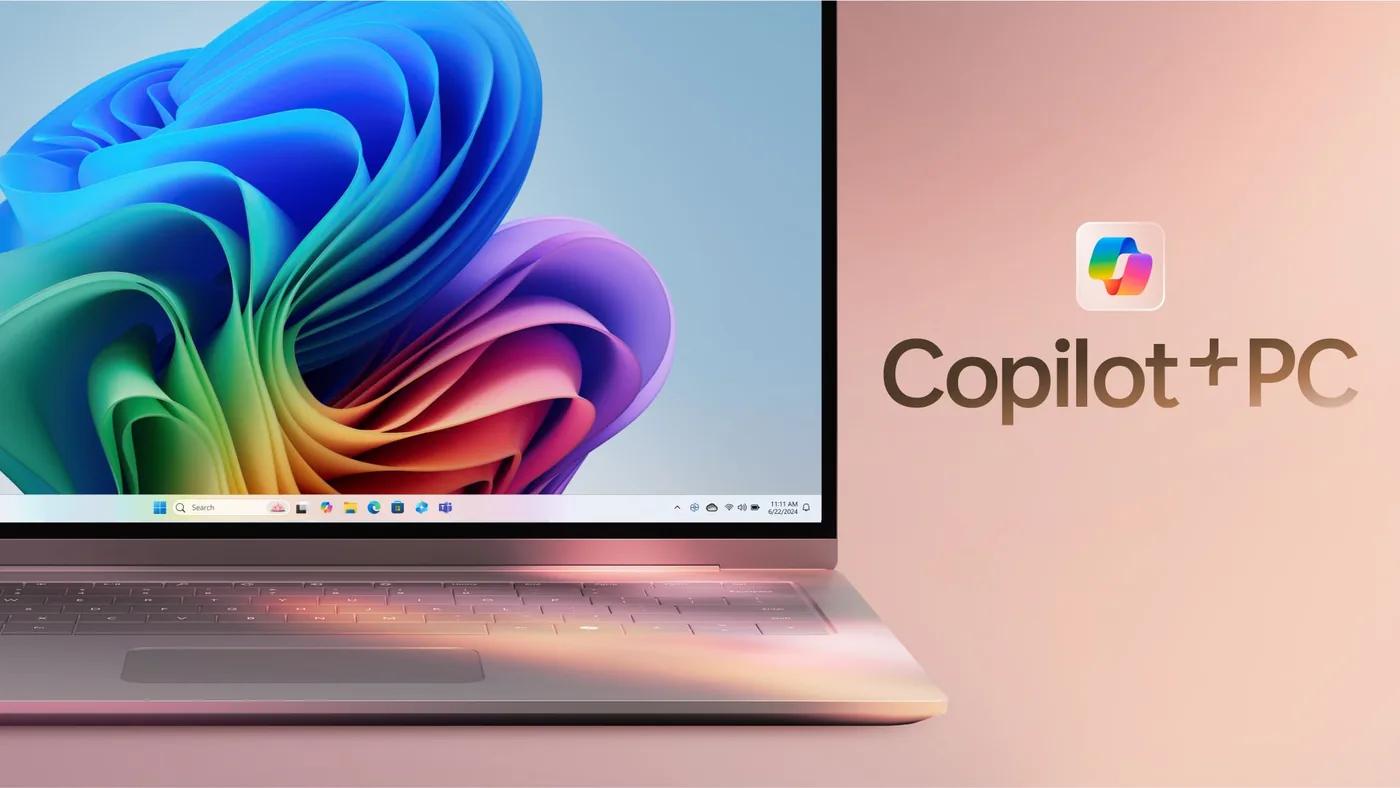
One physical legacy of the 2024 push remains visible on keyboards worldwide: the dedicated Copilot key. The physical Copilot key remains intact [3].
Microsoft introduced the hardware key early in 2024, marking the first structural change to the standard Windows keyboard layout in nearly thirty years. While Microsoft has scaled back intrusive Copilot interface elements in Windows 11 to address consumer complaints regarding background performance, the physical key remains a mandatory component of official hardware partner requirements. Device manufacturers like Dell and Lenovo continue to produce laptop chassis featuring the dedicated key next to traditional function rows [3].
Will consumer laptops eventually drop dedicated AI keys as market standards mature? As hardware ecosystems evolve from aggressive marketing experiments toward mature platform consistency, the quiet retirement of Copilot+ branding reflects an industry recalibration. PC buyers prioritize battery endurance, thermal stability, and everyday responsiveness over branded marketing badges. By separating software capability from rigid hardware classifications, Microsoft allows personal computing to advance on practical utility rather than promotional labels [2].
The broader personal computer market benefits from standardized expectations. As neural processing capabilities fade into background computing architecture, users receive consistent artificial intelligence features without deciphering confusing marketing tiers. Microsoft demonstrated pragmatic restraint [1].
- ONLINE NEWS O’Rourke, P. (2026, September 26). After two years of backlash, Microsoft seems to be dropping Copilot+ branding from its new laptops. XDA Developers. [Article Link]
- ONLINE NEWS Morales, J. (2026, September 26). Microsoft quietly drops Copilot+ branding from its new laptops after two years. Tom’s Hardware. [Article Link]
- ONLINE NEWS Schoon, B. (2026, September 25). Microsoft quietly ending ‘Copilot+ PC’ branding for Windows laptops. 9to5Google. [Article Link]


