






Tesla will wind down Cybertruck production at its Gigafactory Texas plant in Austin around the middle of 2027 to make room for its Cybercab robotaxi, chief executive Elon Musk announced on Friday. Musk shared the manufacturing plan on X without stating whether the company will halt pickup assembly completely or transfer tooling elsewhere [1]. Steve Dent reported in Engadget that the decision follows years of weak customer demand, vehicle recalls, and delivery volumes that fell far below early corporate projections [4].
Winding Down Cybertruck Production in Austin
Musk posted the plan on X, stating that the Austin plant will scale back Cybertruck production to free up space for Cybercab robotaxis. Gigafactory Texas in Austin is the sole facility building the truck [1]. Cybertruck project lead Wes Morrill wrote on social media that “Cybertruck was an incredible technology development platform and lives on through Cybercab” [3].
Leon Poultney wrote in TechRadar that Morrill’s message sounded like an obituary for the vehicle, while several Cybertruck owners posted concerns that software updates will now arrive slower and leave onboard electronics stale [3]. The move aligns with a broader manufacturing pivot at Tesla as engineering resources shift toward autonomous vehicle fleets [1]. Earlier this year, Tesla halted Model S and Model X assembly lines in Fremont to support Optimus humanoid robots.
The announcement arrived during a turbulent week for Tesla. Elon Musk spent nearly half a billion dollars backing Republican candidates in midterm elections, but those candidates suffered defeats. Tesla shares fell more than 12 percent over five trading days as Victor Tangermann of Futurism reported growing investor unease over political backlash [2].
Delivery Numbers Below Initial Projections
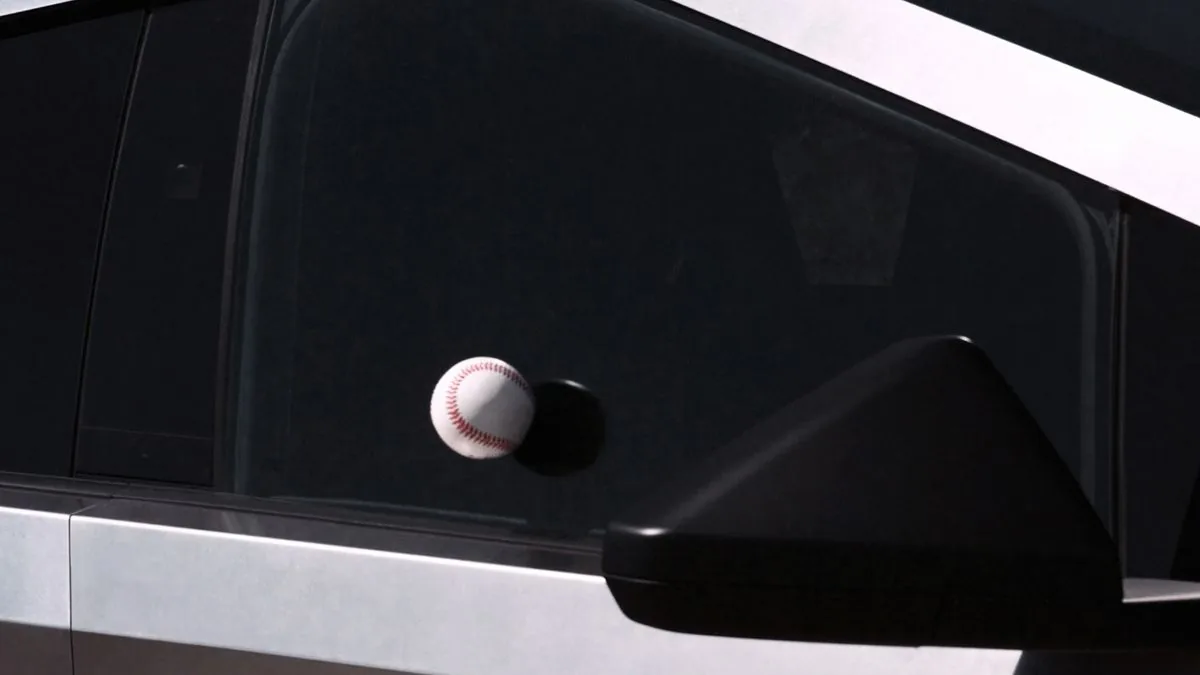
When Tesla unveiled the stainless-steel Cybertruck in November 2019, Elon Musk told investors that annual customer demand could reach between 250,000 and 500,000 units once assembly lines matured at Gigafactory Texas in Austin [1]. Deliveries told a different story [4]. Tesla delivered only about 71,000 Cybertrucks in total since late 2023, grouping pickup numbers into an “Other Models” category with the Semi, Model S, and Model X [5].
Category deliveries dropped 48 percent year-over-year in the third quarter of 2026. Tesla handed over just 8,295 vehicles across that entire line during the third quarter of 2026, marking the lowest quarterly volume for those programs since early 2021 as Model S and Model X lines ceased at Fremont. Cybertruck sales accounted for roughly 7,000 to 8,000 of those handoffs. Fred Lambert calculated in Electrek that this represented an annualized pace of roughly 30,000 trucks, which equals barely twelve percent of the 250,000 annual volume Tesla originally planned for Giga Texas. Cox Automotive recorded similar contractions across the United States, tracking 3,519 sales in the first quarter of 2026 and 3,744 in the second quarter, down from 14,416 trucks sold in the third quarter of 2024 [5].
Fleet registration records revealed notable support from other Musk-run companies. S&P Global Mobility data showed SpaceX bought 1,279 Cybertrucks in late 2025. In total, Musk-led businesses took 1,339 trucks that quarter, representing roughly 19 percent of all Cybertruck registrations in the United States [5].


Early Specifications Versus Retail Realities
The sales slump stemmed from the gap between early promises and retail reality. Tesla advertised a starting price of $39,900 and a driving range of 500 miles when Musk debuted the prototype in 2019 [4]. Production delays pushed customer deliveries back two full years, and the truck arrived without those headline specifications [1]. Chief designer Franz von Holzhausen shattered the vehicle’s armor glass during a live demonstration in 2019, sparking years of consumer doubts [3].
Customer deliveries began late. When deliveries finally began in late 2023, the cheapest dual-motor Cybertruck cost $59,900, which stood well above the original $39,900 price tag promoted by Elon Musk during the 2019 reveal in Los Angeles [4]. A rear-wheel-drive trim lasted only five months on the market [3]. Tesla pulled that entry option in 2025 and later raised dual-motor prices by $5,000 in August 2026, lifting the starting sticker price to $74,990 [1]. Add-on accessories also struggled. Tesla never produced its promised range-extending battery pack, and its $3,000 Basecamp tent accessory drew criticism from Cybertruck owners who tested the gear on outdoor trips [3].
Build quality defects plagued early production models [4]. Cybertruck owners documented unglued body panels detaching on highways, while federal regulators issued a recall over concerns that wheels could loosen during operation [3]. Foreign regulations also prevented Tesla from exporting the truck [5]. Because its rigid stainless-steel body and sharp angles can’t satisfy European pedestrian impact standards, the truck was locked out of overseas showrooms across the European Union. Two weeks ago, Tesla canceled Cybertruck in Australia and New Zealand as the company dropped right-hand-drive development.
Factory Floor Space and Capacity Questions
Musk claimed the wind-down was necessary to make room for Cybercab robotaxis, but factory floor data complicates that rationale. Gigafactory Texas covers more than 10 million square feet of floor space in Austin, ranking among the largest industrial structures in the United States. Cybertruck tooling currently operates at roughly a quarter of its installed equipment capacity, leaving large sections of the factory floor unused [5].
Cybercab does not need vast factory floor space at this early stage. State vehicle records showed only 463 Cybercabs registered in Texas by late October 2026. Tesla assembles the autonomous two-seater on an independent line using an unboxed manufacturing process that shares no machinery or tooling with the pickup [5]. Darius Popa reported for The Next Web that Giga Texas is the only factory equipped to build the pickup, meaning winding down assembly in Austin effectively shuts down the entire model line unless Tesla builds new tooling elsewhere [1]. Fred Lambert pointed out in Electrek that the factory in Austin is not short on space; the pickup is simply short on buyers willing to pay $75,000 for a low-volume design that requires custom steel stampings [5].
Tesla incurred steep expenses supporting custom alloy panels, unique castings, and steer-by-wire hardware. Low production volume created high unit costs. Ending Cybertruck production allows Tesla to reassign manufacturing teams and factory floor space at Gigafactory Texas without absorbing ongoing financial losses from an underused assembly line [5].

How Cybertruck Production Yields to Cybercab
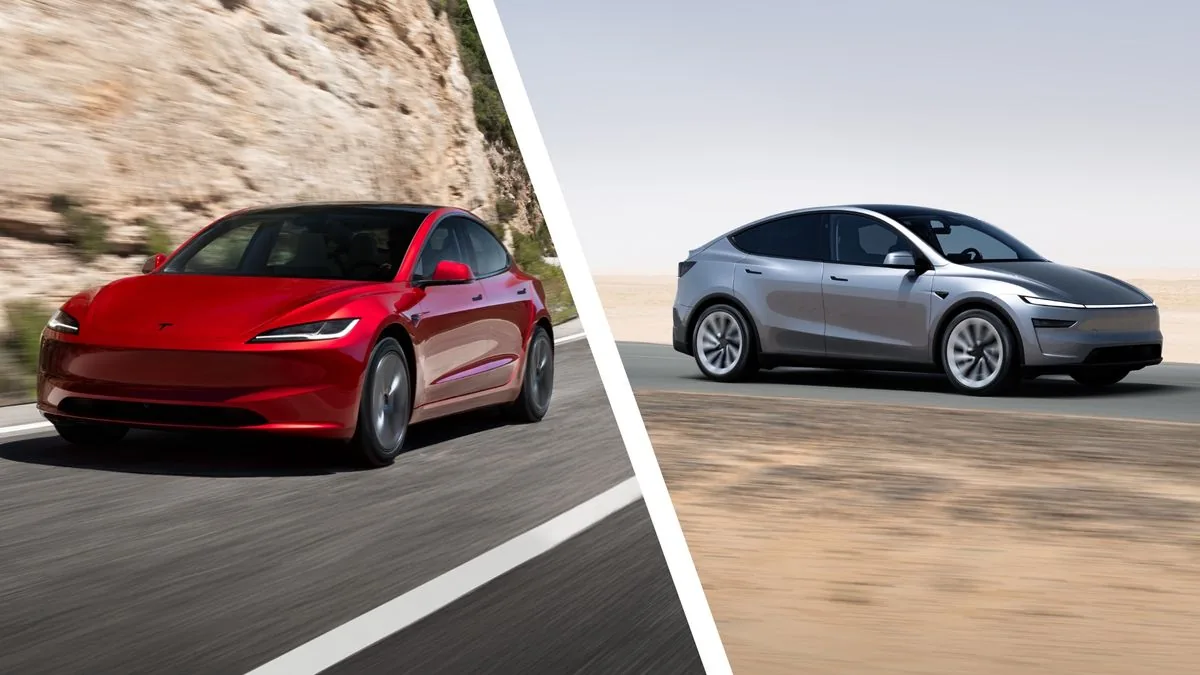
Tesla’s shift signals a clear turn away from passenger cars toward autonomous vehicle networks. Tesla has not released a new mass-market passenger vehicle since launching the Model Y in 2020, while the second-generation Roadster remains delayed [3]. Musk told investors that driverless Cybercabs will generate recurring software revenue, making autonomous mobility far more lucrative than selling consumer pickups [1].
Cybercab testing is underway. Autonomous Cybercab vehicles have carried passengers in Austin for about two months, and Tesla plans to expand testing to Dallas later in November [1]. Yet building a commercial robotaxi fleet involves unresolved regulatory scrutiny, as federal agencies continue investigating Tesla driver-assistance systems following collisions [4].
Existing Cybertruck owners face uncertain support. Musk did not specify whether Tesla will manufacture replacement parts or operate service lines for the pickup once Texas assembly winds down in mid-2027 [1]. Steve Dent noted in Engadget that the Cybertruck joins the Ford Edsel as a prominent automotive gamble, despite its James Bond and Blade Runner design influences, because it failed to find a lasting mainstream market [4].
- ONLINE NEWS Popa, D. (2026, November 6). Tesla to wind down Cybertruck production in mid-2027 to build Cybercabs. The Next Web. [Article Link]
- ONLINE NEWS Tangermann, V. (2026, November 6). Tesla Winding Down Cybertruck Production After Dismal Sales. Futurism. [Article Link]
- ONLINE NEWS Poultney, L. (2026, November 6). RIP Cybertruck — Elon Musk says production is ‘winding down’ at its Texas Gigafactory, as Tesla says the pick-up ‘lives on through Cybercab’. TechRadar. [Article Link]
- ONLINE NEWS Dent, S. (2026, November 6). Tesla is ‘winding down’ Cybertruck production at its Texas Gigafactory. Engadget. [Article Link]
- ONLINE NEWS Lambert, F. (2026, November 6). Tesla to end Cybertruck production as sales stall at ~10% of plan. Electrek. [Article Link]
- WEBSITE Inagaki, K. (2026, November 6). Elon Musk says Tesla plans to wind down production of the Cybertruck at its Texas Gigafactory around mid-2027 “to make room for increased Cybercab production”. Techmeme. [Article Link]


