




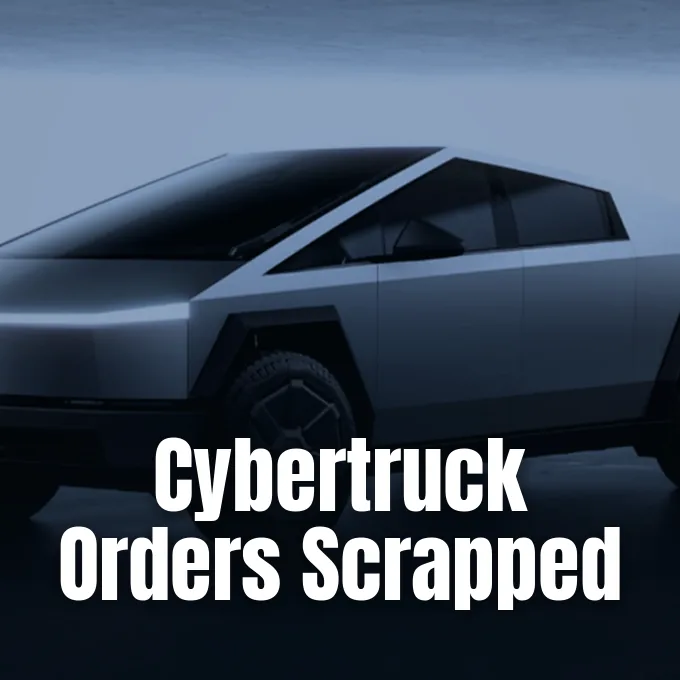
Tesla has officially canceled plans to release the Tesla Cybertruck in Australia and New Zealand, telling reservation holders that their orders are void after almost seven years of waiting. The automaker began sending emails to buyers just one day after reporting its third-quarter financial earnings for 2026 [1]. Customers who placed deposits will receive full refunds, while Tesla is offering a free subscription to its driver-assistance software for buyers who switch to an existing model [2].
Why Tesla Cybertruck Orders Ended
In the email sent to reservation holders, Tesla stated that it made the decision after reviewing production priorities for international buyers. “After careful consideration, plans to produce Cybertruck for Australia and New Zealand have been discontinued,” Tesla wrote [1]. The company added that it can’t fulfill reservations and will void them now, ending years of speculation about when local deliveries might begin [2].
Tesla promised that customers will get a full refund for any payments made during the reservation period. The automaker said that refunds will be processed within 30 days once customers confirm their account details through the email link [2]. The message brought a quiet close to a booking process that began nearly seven years ago without delivering a single truck to the region [1].
To soften the cancellation for disappointed buyers, Tesla offered an incentive for those willing to choose a different electric vehicle from its lineup [1]. Reservation holders who place an order for a new Model 3 or Model Y can receive a free one-year subscription to Full Self-Driving (Supervised) [2]. The offer serves as a clear attempt by Tesla to convert canceled truck reservations into sales for passenger vehicles that it already builds in right-hand-drive formats, though buyers who simply want their money back can take the refund without ordering another car [1].
Seven Years of Customer Deposits
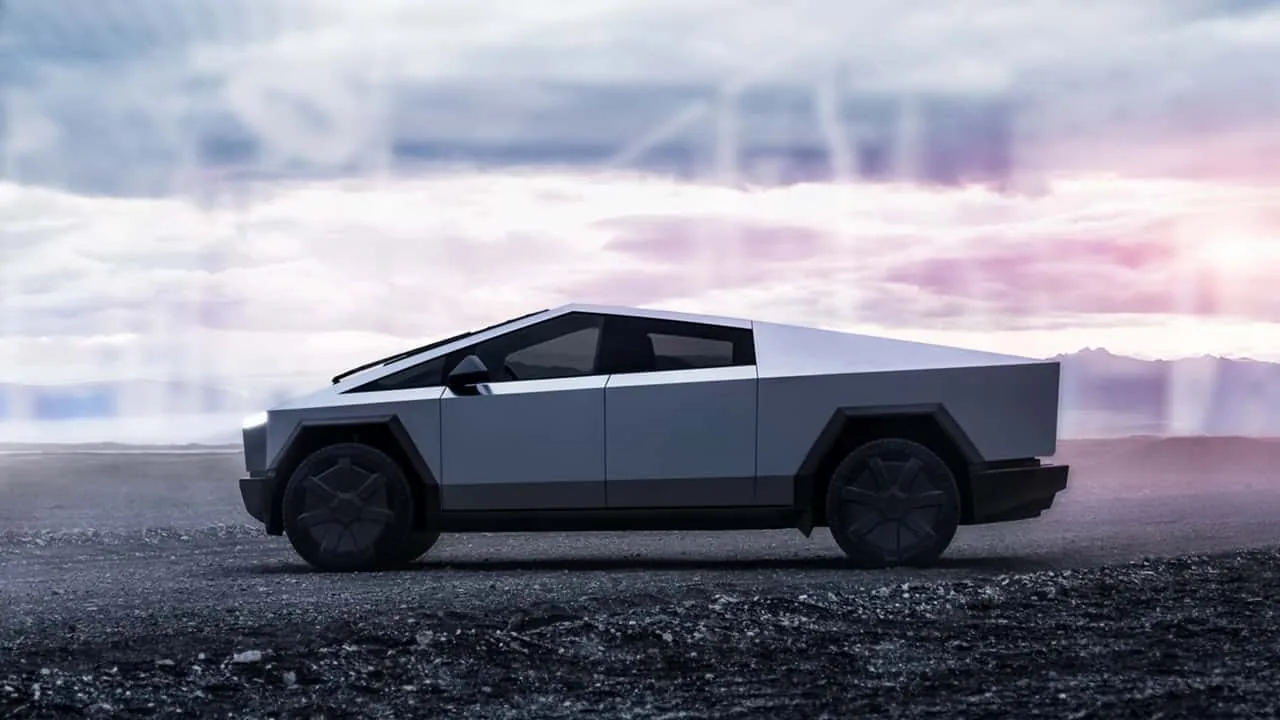
The reservation process down under started all the way back in November 2019, right after Elon Musk unveiled the truck in California. Prospective buyers in Australia put down a refundable deposit of A$150 to hold their place in line. Many expected deliveries to follow within a couple of years, but years passed without concrete production dates or factory allocation [1].
Interest in the truck seemed strong around the Pacific during the early reservation window. A crowdsourced survey conducted in 2020 placed Australia third worldwide in reservation numbers, trailing only the United States and Canada with about 3% of all global pre-orders. By 2023, independent reservation trackers calculated that global pre-orders had reached around 2 million reservations. Despite those large numbers, Tesla never released official country-by-country reservation totals for the vehicle [1].
Tesla showed early signs of hesitation when it quietly shut down the Australian reservation page in May 2022 and replaced the order form with a basic button to receive updates. The company didn’t refund deposits at that point, keeping reservation holders waiting while public interest remained high. In 2024, Tesla shipped a display truck to Australia for a promotional tour to gauge consumer enthusiasm, and Elon Musk told shareholders that same year: “We might be able to certify it for other markets sometime next year.” That timeline slipped away as the truck changed significantly from what was promised in 2019, since the original $39,900 starting price vanished and the delivered pickup arrived with higher retail pricing and lower driving range than earlier estimates [1].

Engineering Hurdles for Right-Hand Drive
The main obstacle keeping the Tesla Cybertruck out of Oceania came down to steering orientation and basic vehicle design [1]. Tesla builds the pickup only in left-hand drive at its factory in Austin, Texas. Australian automotive publication Drive Australia reported that the Texas assembly lines were never set up to manufacture a right-hand-drive version of the pickup [2].
Without factory-built right-hand drive, the truck can’t be driven legally on public roads in Australia or New Zealand. That same restriction bars the vehicle from other right-hand-drive markets around the globe, including Japan, Ireland, and the United Kingdom [2]. Australia also enforces local design rules that require specific vehicle testing before any new model can receive road certification [1].
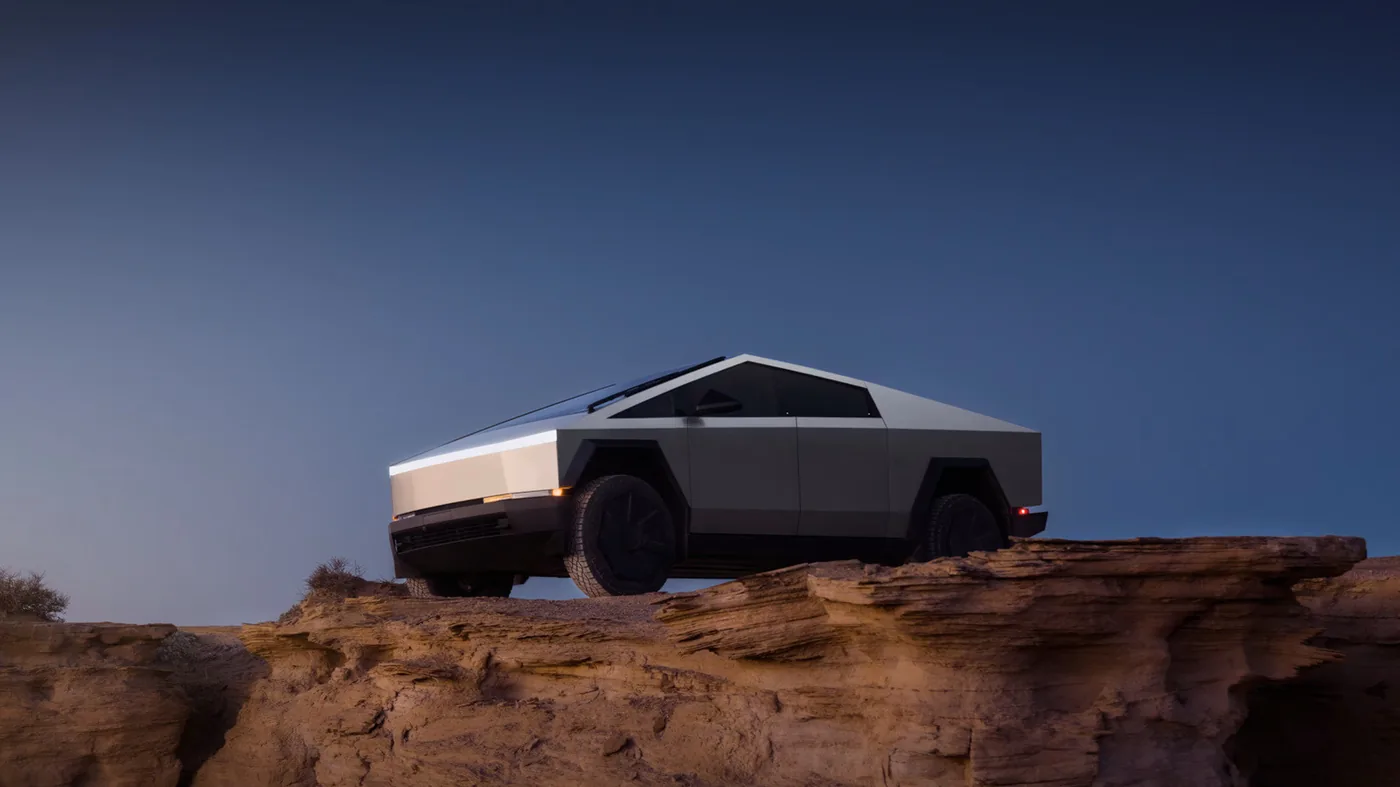
Re-engineering the pickup for right-hand drive would demand heavy factory spending that Tesla couldn’t justify for a limited customer base. Australia and New Zealand together have a combined population of around 33 million people. Modifying stamping dies, interior dash layouts, and steering components for a market of that size didn’t make financial sense while demand in North America was already slowing down [1].
Tesla Cybertruck Delivery Numbers and Costs
Tesla’s recent production figures reveal why the company hesitated to invest more money into right-hand-drive tooling for the Tesla Cybertruck. In its third-quarter financial report for 2026, Tesla delivered only 8,295 units in its “Other Models” category. Because Tesla ended production of both the Model S and Model X, that delivery category is now made up almost entirely of the electric pickup [1].
Publication Electrek estimates that quarterly pickup sales stood between 7,000 and 8,000 units, amounting to an annual pace of roughly 30,000 vehicles. That volume falls far short of the factory capacity in Texas, where Tesla built an assembly line designed to produce 250,000 trucks each year. Sales in the United States peaked near 39,000 units in 2024 before dropping steeply, leaving Tesla with excess factory capacity rather than a supply shortage [1]. Production scheduling adjustments also affected other projects in the company’s lineup, such as the Tesla Roadster delay.

Because of those lower production numbers, Tesla has focused its global rollout only on existing left-hand-drive countries. The automaker began customer deliveries in South Korea late last year and opened sales in the United Arab Emirates in January. Online configurators also opened for buyers in Saudi Arabia, Qatar, Jordan, and Israel, letting Tesla sell left-hand-drive inventory overseas without altering its vehicle assembly line [1].
Safety Regulations in European Markets
Beyond steering orientation, vehicle safety rules have created another barrier for Tesla Cybertruck international expansion plans. Tesla hasn’t released the pickup in the United Kingdom or the European Union because European officials haven’t granted regulatory approval. Regulators raised serious doubts about whether the truck can pass local road laws without major body changes [2].
European vehicle standards place tight limits on crumple zones, lighting, and weight classifications to protect pedestrians and cyclists. The truck’s angular exterior features sharp steel edges that safety experts say could strike vulnerable road users during a crash. Even the US Army was stopped from shipping privately owned pickups into Europe. The US Army Customs Agency notified service members, stating: “Several specifications of the Cybertruck, particularly the sharp-edged, stiff stainless-steel body, violate EU safety standards, primarily for the protection of vulnerable road users.” [2]
A small number of European drivers have managed to register individual vehicles, but only after completing expensive modifications through single-vehicle approval processes. For general consumers in right-hand-drive markets like Australia, New Zealand, and Britain, such workarounds aren’t practical for daily driving [2]. With right-hand-drive engineering shelved and regulatory walls standing firm in Europe, the electric truck will stay confined mainly to North America and a few select left-hand-drive export markets [1].
- ONLINE NEWS Lambert, F. (2026, October 23). Tesla cancels Cybertruck in Australia and NZ after 7 years of deposits. Electrek. [Article Link]
- ONLINE NEWS Moon, M. (2026, October 23). Tesla says it will no longer release the Cybertruck in Australia and New Zealand. Engadget. [Article Link]
- ONLINE NEWS InsideEVs. (2026, October 23). Tesla promised to bring the Cybertruck to Australia and New Zealand. But it’s never coming. InsideEVs. [Article Link]


