






Amazon has removed voice control for the Echo AUX input on select older smart speakers, stopping users from issuing voice commands to play or pause wired line-in audio. Amazon spokesperson Claudia Chavira Velez confirmed the retirement of the feature after affected customers received notification messages about the change. The shift affects older models released between 2018 and 2020, leaving wired playback operational only through manual hardware controls or the smartphone app [1].
Affected Hardware and the Echo AUX Input
The decision targets a specific lineup of older hardware that included an analog line-in socket on the back panel. Amazon listed four speaker models subject to the adjustment: the Echo Plus (2nd Gen) released in 2018, the Echo (3rd Gen) from 2019, the Echo Studio (1st Gen) from 2019, and the Echo (4th Gen) launched in 2020 [1]. In addition to these standard smart speakers, amplifier variants such as Echo Link devices are also included in the policy update [4]. While these units allowed owners to feed sound from external gear into the speaker system, Amazon hasn’t produced a new Echo speaker with an Echo AUX input jack in six years [1].
Hardware port configurations have varied across different hardware generations. For example, the Echo Dot 3rd Gen carried a 3.5mm socket, but Amazon identified that port as an audio output connector rather than an input jack [5]. That older Dot model could send Alexa audio out to a larger stereo setup, but it couldn’t accept incoming sound from a phone or turntable. In contrast, the larger spherical Echo 4th Gen and the original Echo Studio included line-in capabilities so users could play wired analog sound through the internal speaker drivers [6].
Newer releases have dropped the analog audio input socket altogether. Australian retail specifications show that the redesigned 2025 Echo Studio has no 3.5mm line-in or headphone jack, moving users toward wireless setups like Alexa Home Theater with Fire TV [5]. Because newer speakers lack the socket, the voice control cut only impacts a small base of legacy hardware owners. Amazon stated that very few customers still used voice requests to control their wired audio [1].

Voice Commands Cut While Physical Ports Remain
The main change centers on verbal commands that previously managed the Echo AUX input. Users can no longer tell the assistant “Alexa, play from line in” or say “Alexa, set aux input” to start their music [2]. German tech site Netzwelt reported that notification emails also listed commands like “Alexa, stoppe den AUX-Eingang” as inoperable after October 5 [4]. When someone speaks these phrases today, the assistant doesn’t recognize the request or initiate playback from the wired cable. The restriction removes hands-free switching for households that used the speaker as a sound output device for a television or computer [3].
Even though voice commands no longer work, the physical port itself still operates normally. If you plug a 3.5mm auxiliary cord from a CD player, television, or phone into a compatible Echo unit, sound still comes through the speaker drivers without any issues [4]. Amazon hasn’t disabled the electrical connection or blocked line-in signals. The hardware still acts as an active loudspeaker for any device sending audio down the cable [1].
Volume and playback adjustments now depend on the connected equipment. Because Alexa can’t pause or resume line-in streams through voice, owners must pause music or adjust levels on the source device [4]. Audio output functionality is also unaffected, so connecting external speakers from an Echo Dot to an amplifier works just as it did before [1].


App Controls and Alexa AUX Input Settings
Owners who prefer digital management can still switch inputs through software settings. The official Alexa mobile app lets users manually select line-in audio for their compatible Echo speakers without using verbal prompts [2]. Navigating to Device Settings in the app reveals source options where users can activate the Echo AUX input [5]. This software toggle means owners don’t need to crawl behind furniture to unplug cables when they want to hear sound from another audio source [4].
Amazon also pointed to Bluetooth pairing as the primary wireless alternative for connecting phones, tablets, or laptops to Echo speakers [2]. Users can put their playback device into pairing mode, open the Alexa app, choose Devices, select their Echo, and tap Bluetooth Devices to establish a wireless link [5]. While Amazon streamlines wireless options, other platforms continue refining voice control for audio hardware: Google adds Gemini voice controls to wearable devices to expand user interactions [2]. The industry continues shifting toward wireless streaming protocols that avoid physical cords altogether [6].

The move away from analog inputs follows earlier hardware decisions across the smart audio space. Years ago, the standalone Amazon Echo Input puck allowed users to turn traditional sound systems into smart speakers via an analog cable before the company discontinued it. Third-party options like the Sonos One provided Alexa capabilities with premium audio, but they skipped analog ports in favor of cloud streaming [6]. Bluetooth and Wi-Fi have become the default audio paths for most modern smart homes [5].
Why Amazon Retired Line-In Voice Commands
Amazon did not publish an official technical white paper explaining why it ended voice actions for the Echo AUX input. When contacted regarding the change, Amazon spokesperson Claudia Chavira Velez said: “We recently notified the very small number of customers using voice requests to play or pause audio from the aux audio input on select Echo devices that this functionality will no longer be supported” [1]. The company clarified that the feature had an extremely low adoption rate among overall smart speaker owners [2]. Maintaining voice routing for analog lines requires regular software maintenance across legacy hardware revisions that Amazon hasn’t manufactured in years [1].
Community reactions quickly surfaced on Reddit after early notification messages leaked online [1]. Several users speculated that the retirement might be connected to Amazon’s broader effort to rebuild its voice assistant around an AI-powered tier known as Alexa+ [2]. While Amazon hasn’t confirmed any link between line-in commands and Alexa+, developing advanced AI models often involves pruning obscure legacy features to simplify firmware codebases [4]. Removing seldom-used voice commands helps engineers reduce edge cases across older connected devices [3].
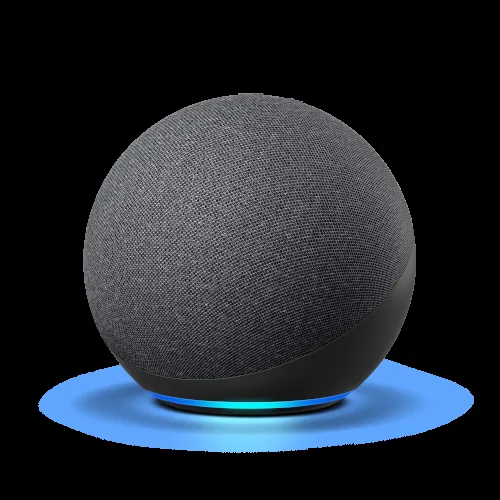
This isn’t the first time Amazon has removed software options from existing hardware. As tech journalists at The Verge pointed out, Amazon previously removed an Echo setting that allowed users to opt out of sending their voice recordings to the cloud [1]. Hardware capabilities in smart speakers can change over time through remote firmware updates, even when customers purchased the devices years earlier [2].
Is Amazon Killing Alexa Features?
The removal of line-in commands sparked discussion about the longevity of internet-connected hardware. When software updates eliminate advertised features, buyers naturally wonder: is Amazon killing Alexa capabilities that made older hardware versatile? Online search data reveals that many consumers search whether Amazon is shutting down assistant features or how long smart home speakers remain fully supported. While Amazon isn’t ending Alexa, removing voice functions on hardware purchased between 2018 and 2020 raises valid questions about consumer expectations [2].
Smart speakers differ fundamentally from traditional audio equipment that works for decades without modification. A standard stereo receiver or wired speaker from twenty years ago still plays sound today without needing cloud authorization or remote servers [5]. In contrast, Echo devices rely on cloud infrastructure, which means manufacturers can alter voice capabilities whenever maintenance costs outweigh customer usage [2]. When a company drops a feature used by a small audience, owners lose convenience even if the physical speaker still produces sound [3].
For now, owners who still connect audio gear to an Echo AUX input must get used to manual controls. The hardware continues playing audio from connected televisions, computers, or turntables, but the days of shouting voice commands to pause the cable are officially over [1]. As Amazon continues preparing its smart home lineup for next-generation AI services, customers with older Echo speakers will need to rely on the smartphone app or Bluetooth pairing to manage their daily listening [4].
- ONLINE NEWS Bonifield, S. (2026, October 6). Alexa Can’t Control the AUX Input on Amazon Echo Speakers Anymore. The Verge. [Article Link]
- ONLINE NEWS PiQMarkets. (2026, October 6). Amazon Disables Alexa Voice Control for Echo Speaker AUX Input. [Article Link]
- WEBSITE BeauHD. (2026, October 6). Alexa Can’t Control the AUX Input on Amazon Echo Speakers Anymore. Slashdot. [Article Link]
- ONLINE NEWS Taghizadeh, D. (2026, September 17). Amazon Streicht Alexa-Funktion: Wer Einen AUX-Anschluss Nutzt, Muss Sich ab dem 5. Oktober Umstellen. Netzwelt. [Article Link]
- WEBSITE Stadelmann, B. (2020, September 27). Does Alexa Have an AUX Input? Echo Ports Explained. So Nerdy. [Article Link]
- WEBSITE Isaac. (2023, June 18). Get Your Alexa Fix with These Amazon Echo Input Alternatives. Smart Home Explained. [Article Link]


