





Delta Air Lines grounded flights at its main Atlanta hub on Sunday after an automated system that calculates aircraft weight and balance suddenly went offline across the carrier’s primary flight network. The breakdown brought growing Delta flight delays as ground staff stepped in to figure passenger, cargo, and fuel numbers by hand. Hartsfield-Jackson Atlanta International Airport serves as the central hub for Delta and ranks among the busiest air centers in the world. As Terrence O’Brien reported for The Verge, local delays quickly spread to connecting domestic flights [1].
Ground Stop at Atlanta Hub
The Federal Aviation Administration (FAA) stepped in on Sunday morning with a temporary ground stop for Atlanta-bound flights to stop airfield gridlock. Inbound traffic stopped. The agency lifted that full ground stop at 11:26 a.m. Eastern Time, replacing it with a metered delay program that let planes depart at spaced intervals. Mainline Delta flights and regional Delta Connection carrier partners flying toward Hartsfield-Jackson from across the contiguous United States followed the new staggered flow under federal air traffic oversight [4].
Atlanta airport officials stated that the problem stayed within Delta operations. Hartsfield-Jackson confirmed that the ground delay applied only to Delta flights, so rival carriers continued normal trips. The FAA posted an update on social media platform X through its official @FAANews account to clear up passenger questions. Regulators said the flight holds came from Delta’s weight and balance tools and had no link to federal air traffic control systems [3].
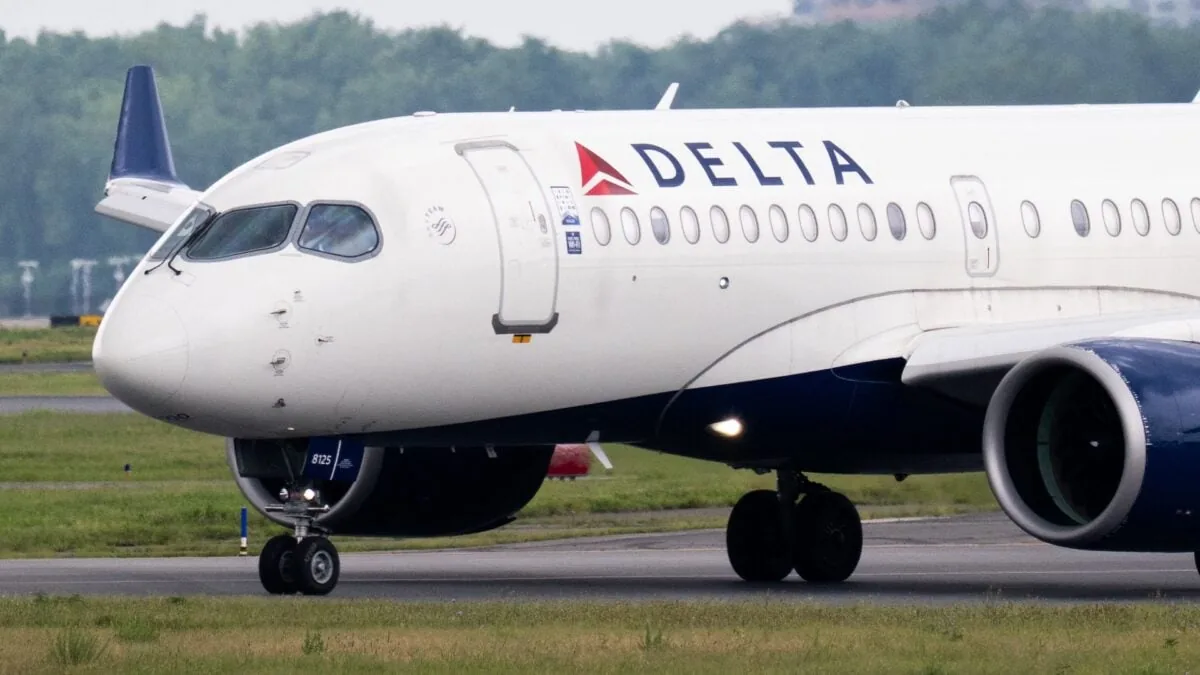
Held planes sat at gates longer than planned. Safety came first. Because gates stayed full, ramp staff had to park incoming flights on taxiways until space opened up. Even though the FAA lifted the inbound stop before noon, the backup created rolling flight delays that lasted through Sunday afternoon as crews cleared flights. Airport staff worked with Delta teams to keep taxiways moving [4].
Aircraft Weight and Balance Limits
Before any commercial airliner can push back from the passenger gate, flight crews and station dispatchers must confirm that aircraft weight and balance stay safely inside strict legal safety limits. The software that failed on Sunday tallies the empty plane, fuel load, flyers, and bags before takeoff. Flight crews use those numbers to set wing trim, calculate runway run distances, and keep the jet stable in the air [1]. Aviation analytics company Cirium, cited by The New York Times and Gizmodo, found that Delta flights began falling behind at 6 a.m. as the software stopped working. As reporter Mike Pearl detailed for Gizmodo, load stability forms a required part of routine pre-flight checks [2]. No jet can legally take off without those signed figures [1].
Figuring load data by hand takes careful math. Gate workers must add up seat counts, cargo bins, and fuel charts on paper sheets before handing a signed sheet to the captain. Bad math can make a plane nose-heavy or tail-heavy. Imbalances like that create serious flight control problems during climb. Station staff used printed worksheets to verify passenger seating positions and cargo bins before departure. Delta crews held aircraft until station agents checked every paper form by hand [3].



Handling Delta Flight Delays with Paper Forms
As flight lines grew on Sunday morning, Delta agents and dispatchers used paper forms to clear departures. Delta global communications manager Natalie Duggan shared a statement on the airline’s workarounds. “Delta teams are using manual workarounds this morning to safely get flights departed while work continues to restore automation. We thank our customers for their patience and our people for their professionalism,” Duggan said [2].
Paper checks slowed turn times at gates. Normal software does balance tallies in seconds and sends numbers right to cockpit screens. Doing that work on paper created bottlenecks during Delta flight delays across Atlanta concourses. The airline worked with Atlanta air traffic controllers to pace runway taxi moves and stop tarmac traffic jams [3]. Planes waited in long lines.
Ground teams focused on flyer safety while working through paperwork. Delta brought in extra airport staff to help gate workers count passenger rows and check baggage lists. Station managers brought in extra Delta staff to help gate agents tally passenger seating zones and verify cargo hold records. While manual forms kept flights moving safely, the extra time for each plane pushed departure times back. Every flight required individual paperwork before pushback [1]. Station staff stayed on duty to finish the lists.
Tracking Delta Flight Delays by the Numbers
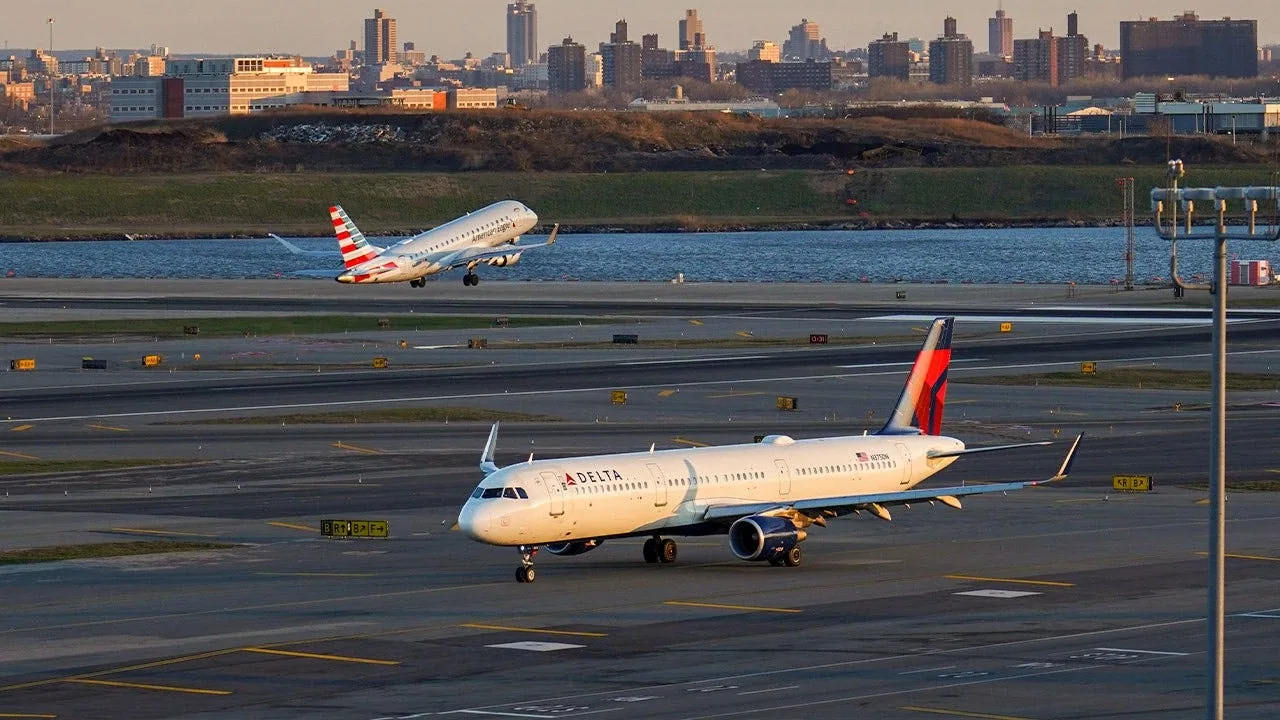
Flight tracking services showed the spread of Delta flight delays through Sunday afternoon. The federal delay program had projected flight holds averaging 57 minutes across Sunday morning, with some flights falling behind schedule by up to 1 hour and 51 minutes. By 1:55 p.m. Eastern Time, tracking data from FlightAware showed that 997 flights into and out of Atlanta were delayed, while 26 flights had been canceled [4].
The trouble reached other major hubs, including New York’s LaGuardia Airport. Reporting by Eric Mack for Fox News showed that the outage delayed at least 3,500 Delta flights out of roughly 5,000 scheduled mainline and Delta Connection trips. Delta confirmed the FlightAware numbers were accurate. The carrier said about 70 percent of delays came from the automation outage, while remaining delays came from northeast weather and air traffic programs [3].
Delta customer service teams provided rebooking on later flights and gave out hotel rooms and food vouchers for long layovers. The airline gave refunds to flyers whose trips were called off and who chose not to travel. In an official update, Delta stated that cancellations, “as always, are a last resort when all other options have been exhausted.” [3]
Recovery Ahead of Thanksgiving Rush
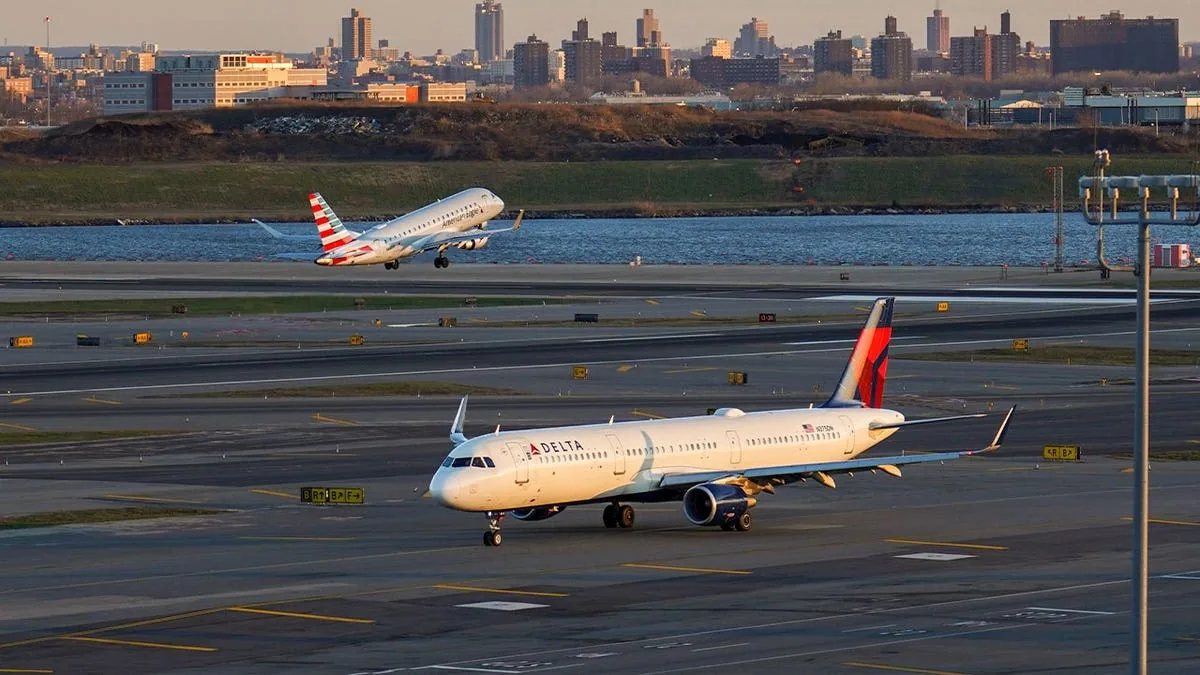
Delta confirmed later on Sunday that its automated weight and balance system was back online. The airline apologized to customers for the trouble. Delta stated that operations staff aimed to finish remaining Sunday flights without further cancellations while technicians worked to ensure the computer system stayed stable into the evening [3]. Restoring the software was vital because the glitch hit as Thanksgiving travel got underway across the United States [4].
Sunday’s snag was the third major airline tech breakdown in less than two weeks. On Friday, Nov. 13, an FAA air traffic control problem caused a four-hour nationwide ground stop that canceled thousands of flights. Three days later, on Monday, Nov. 16, another software glitch hit United Airlines. As Jay Blackman reported for NBC News, that United outage interrupted crew message lines and prevented cockpit crews from receiving weight figures from ground staff. The union representing United pilots said the outage blocked critical load sheets [4].
With holiday travel building toward annual records, airport officials told flyers to plan ahead. Atlanta airport officials urged flyers to check flight statuses online before leaving home. Hartsfield-Jackson airport authorities advised travelers to check flight statuses directly with Delta and arrive at least two hours before domestic departures and three hours ahead of international flights [4]. Delta teams worked through Sunday night to clear delays and keep planes moving steadily through Atlanta before Thanksgiving. Normal flight flow resumed by Monday morning [3].
- ONLINE NEWS O’Brien, T. (2026, November 22). Delta flights in and out of Atlanta delayed due to system outage. The Verge. [Article Link]
- ONLINE NEWS Pearl, M. (2026, November 22). All Delta Flights Through Atlanta Are Delayed for About an Hour. Gizmodo. [Article Link]
- ONLINE NEWS Mack, E. (2026, November 22). FAA lifts ground stop on Atlanta-bound Delta flights after system outage. Fox News. [Article Link]
- ONLINE NEWS Blackman, J. (2026, November 22). Delta tech issue delays hundreds of flights in and out of Atlanta ahead of Thanksgiving. NBC News. [Article Link]


