






Tesla monitored deteriorating weather forecasts across central Texas before officially postponing its public flight demonstration, pushing the long-awaited reveal back by two weeks. The company confirmed on X that the latest Tesla Roadster delay shifts the outdoor showcase from October 1 to October 15, citing severe storm warnings in McGregor. Can an electric car truly hover above the ground during an autumn thunderstorm? Because the experimental presentation relies on cold gas thrusters and requires clear outdoor conditions, executives rescheduled the showcase to protect prospective buyers and nearby attendees [1].
Tesla Roadster Delay Follows Texas Storm Forecasts
The rescheduling occurred after invitees received an urgent email advisory titled Important: Roadster Event Weather on Monday morning. Central Texas storms intervened. Tesla warned ticket holders that the planned gathering near Waco faced severe regional weather, prompting engineers to track local atmospheric models with regional weather specialists [3].
Only hours after warning attendees of possible disruptions, Tesla published a formal statement on X declaring that severe conditions forced an immediate two-week postponement to Thursday, October 15. The public demonstration had originally been scheduled after setting an initial date for the second-generation Roadster reveal, leaving registered guests scrambling to rebook flights and lodging around Waco as the abrupt Tesla Roadster delay disrupted their travel itineraries [2].
In its official communication, the company explained that tracking severe weather left no safe alternative: “We’ve been tracking the weather closely with local meteorologists, but given the severe conditions predicted & because this event can only be held outdoors, we’ve made the difficult decision to reschedule.” Representatives stated that additional logistical details regarding event entry would follow shortly [2].

Cold Gas Thrusters Force an Outdoor Flight Demonstration
Tesla selected the SpaceX rocket test site in McGregor, Texas, as the designated venue for demonstrating the sports car’s controversial flight capabilities. Testing a vehicle equipped with rocket hardware demands outdoor testing environments that traditional automotive proving grounds simply cannot accommodate. This operational constraint explains why each successive Tesla Roadster delay has been tied directly to outdoor conditions [2].
Nobody occupies the cockpit. Technicians operate the vehicle entirely through remote wireless controls while observers watch from distant safety barricades [3].
The centerpiece of the entire demonstration involves an ambitious hovering maneuver powered by a specialized cold gas thruster package, code-named A71, engineered in collaboration with SpaceX rocketry specialists. Because compressed gas escaping the nozzle thrusters generates extreme acoustic pressure capable of permanently damaging human eardrums, event coordinators mandated that all invited spectators remain positioned several hundred yards away from the tarmac. Outdoor staging became mandatory because firing high-pressure gas thrusters inside an enclosed venue or marquee would create severe acoustic reflection and safety hazards for nearby staff. Elon Musk previously cautioned his own engineering team that the live flight stunt “will be hard to pull off and could go wrong,” underscoring why unfavorable gusting winds create unacceptable physical hazards during testing [2].


Next-Gen Tesla Roadster Delays Span Nine Years
The history behind these recurring next-gen Tesla Roadster delays stretches back nearly a decade to November 2017, when Tesla unveiled the sleek red prototype during a high-profile California presentation for the electric Semi truck. During that reveal, management promised prospective buyers that factory manufacturing would commence by 2020. The original Roadster built in the early 2010s had established the brand by adapting a chassis glider from the British sports car manufacturer Lotus. Lotus provided the original glider. In contrast, the second-generation vehicle was supposed to be the company’s first clean-sheet supercar developed entirely in-house [1].
Production deadlines slipped repeatedly as the engineering team shifted focus toward high-volume consumer models like the Model Y and the stainless-steel Cybertruck. The promised flying demonstration also experienced frequent schedule revisions throughout recent quarters. Musk initially promised the public a flight demonstration before the conclusion of 2025, but the calendar slipped to April 1, 2026. April brought no car. Tesla then pushed target projections to late April, followed by vague promises during a first-quarter earnings briefing of a reveal within a month or so, creating another prolonged Tesla Roadster delay [2].
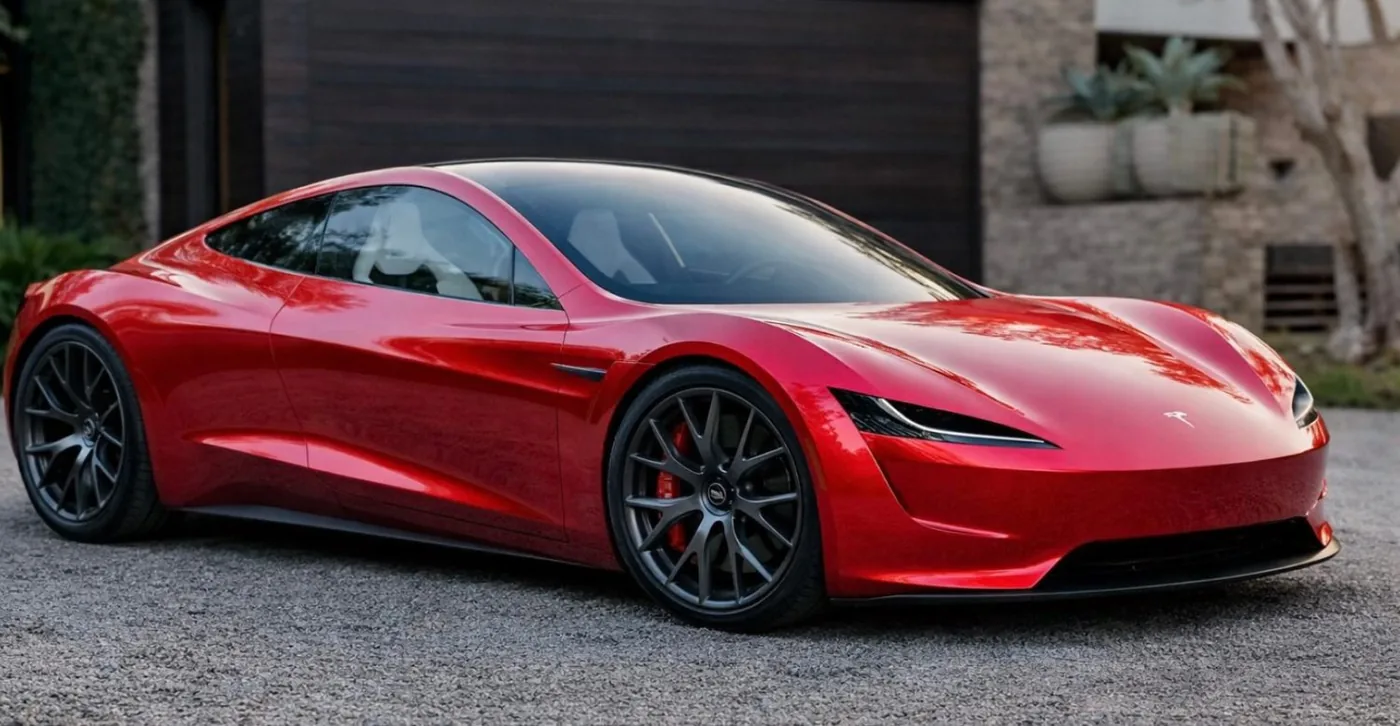
During Tesla’s 2025 annual shareholder meeting—where investors approved his contentious $1 trillion compensation package—Musk openly joked about selecting April Fools’ Day for the demonstration. He remarked to shareholders that scheduling the presentation on April 1 provided convenient plausible deniability if delays persisted, joking: “Like, I could say I was just kidding.” Subsequent timetables shifted from August to October 1 before the latest weather announcement postponed proceedings once more [1].
Customer Frustration Mounts Over Unmet Timeline Promises
Customer patience has worn thin among early supporters who provided substantial financial backing nearly nine years ago. Tesla collected hefty $50,000 deposits from individuals reserving the standard model, which carried an anticipated base sticker price near $200,000. Enthusiasts seeking exclusive access paid the full $250,000 purchase price upfront to secure one of 1,000 limited Founders Series allocations. Those funds entered corporate accounts years before final vehicle certification occurred, making this fresh Tesla Roadster delay especially painful for long-time reservation holders [1].
Prominent technology figures have voiced their exhaustion over the protracted wait times. OpenAI Chief Executive Officer Sam Altman voiced his disappointment publicly on X, writing that “7.5 years has felt like a long time to wait” for his reserved sports car. Musk subsequently stated that Altman received a full financial refund. Altman requested his money back. Despite these isolated refunds, thousands of prospective drivers remain in limbo without guaranteed delivery dates [1].
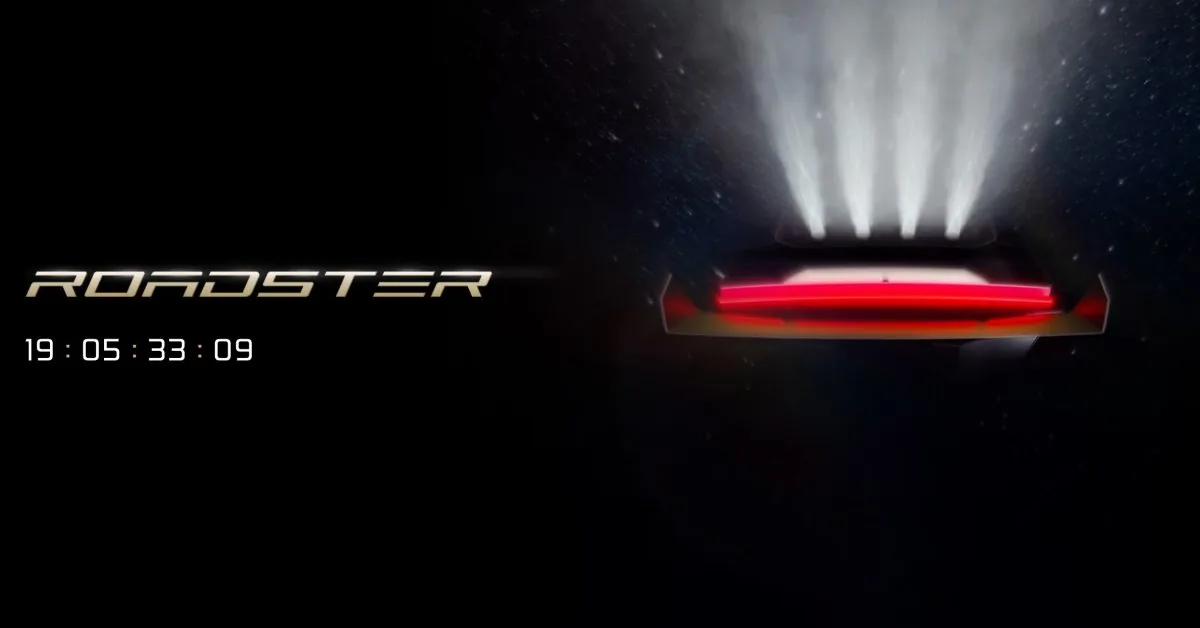
Automotive commentators and reservation holders increasingly question why an electric road car requires an aerospace spectacle rather than straightforward highway testing. A community commenter named JumpingJack sarcastically joked on Electrek that rain had apparently pelted Waco nonstop for seven straight years, mocking the idea that weather alone prevented development. While enthusiasts originally ordered a blistering street machine, current guidance suggests assembly lines will not roll out finished customer vehicles until at least 2027 or 2028 [2].
Meteorology Data Shows Clear Skies Arriving Days Early
Examining regional Texas meteorological projections reveals why holding the event on Thursday, October 1, presented genuine operational difficulties for ground crews. Forecast records from Open-Meteo for McGregor indicated an 82% chance of precipitation on Thursday, accompanied by severe thunderstorms, wind gusts reaching 30 to 32 mph, and more than 4 inches of rain. Firing experimental gas thrusters under torrential downpours with strong crosswinds would risk destabilizing the prototype in front of invited media [2].
However, atmospheric modeling indicates that the severe Texas storm front will dissipate almost completely shortly after Thursday’s peak. Friday’s weather models show precipitation probability falling slightly to between 75% and 81%, with less than half an inch of rain and peak winds decreasing to between 13 and 21 mph. By Saturday, rain probability drops to between 42% and 53% with modest 13 mph breezes. Clear skies follow by Sunday. Weather models show dry conditions extending through October 7 without any measurable rainfall [2].
Because sunshine returns to central Texas within two or three days of the storm, rescheduling the showcase across two full weeks suggests that logistical hurdles or technical preparations influenced management’s decision. Moving an outdoor flight demo demands complex site preparation, especially if four inches of rain saturate the unpaved McGregor test grounds. Whether the October 15 date finally delivers verifiable road specifications or merely demonstrates an experimental hover trick, this latest Tesla Roadster delay leaves buyers wondering when real vehicles will reach customer driveways [2].
- ONLINE NEWS O’Kane, S. (2026, September 28). Tesla delays Roadster 2 event again due to bad weather. TechCrunch. [Article Link]
- ONLINE NEWS Lambert, F. (2026, September 28). Tesla delays Roadster demo two weeks to October 15, blames weather. Electrek. [Article Link]
- ONLINE NEWS Lambert, F. (2026, September 28). Tesla warns weather could delay Roadster demo, and the forecast is ugly. Electrek. [Article Link]


1 comment