





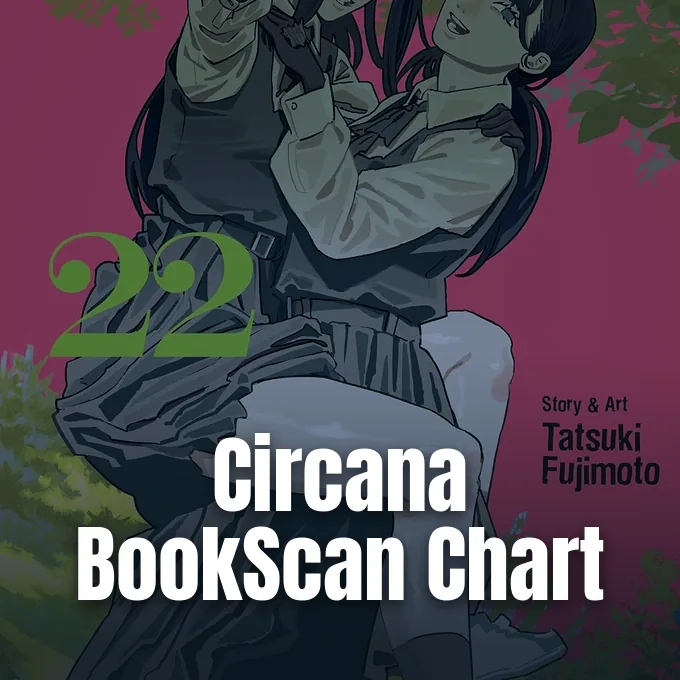
Tatsuki Fujimoto’s Chainsaw Man took the number two spot on the adult graphic novel list in the United States for October, according to industry sales figures compiled by Circana BookScan. The monthly ranking tracks physical book purchases through thousands of storefronts and online sellers nationwide. While comic bookstores and specialty retailers maintain their own customer followings, broad trade distribution channels provide a direct window into which serialized graphic works reach mainstream American readers [1].
Chainsaw Man on the Circana BookScan Chart
The October finish puts the series among the top print sellers in the North American graphic novel market for the fall season. Customer demand for serialized manga continues to drive volume turnover at major commercial outlets, where individual book buyers frequently pick up recent installments as soon as they hit shelves. Fujimoto’s dark fantasy work has sustained steady readership throughout its serialization, and this latest placement shows that its physical volumes remain consistent sellers in brick-and-mortar shops [1].
Point-of-sale data confirms that manga sales often surge during release months. Instead of fading quickly, established titles hold competitive positions against traditional western releases. The October chart reflects how strongly Japanese titles connect with general book buyers across regular retail channels [1].
Rankings on this monthly list measure raw piece sales rather than total dollar revenue, meaning that every position represents an actual count of books scanned at cash registers. Because manga paperbacks carry accessible pricing compared to deluxe hardcovers, taking the second position requires moving an exceptionally high volume of physical copies. Readers who follow these industry charts get a clear picture of consumer habits without the distortion that expensive collector formats can introduce into revenue-based tallies [1].

How the Retail Tracker Gathers Sales Data
Understanding how the monthly rankings operate helps explain why publishers and distributors watch these charts so closely. The tracking service monitors weekly point-of-sale data from over 16,000 retail locations, including general chains, mass merchandisers, independent bookstores, and web merchants. Together, this reporting network covers approximately 85% of the overall trade print book market in the United States, offering an expansive look at consumer purchasing habits [1].
Industry news organization ICv2 reviews the raw figures from the data provider and applies specific curation standards before publishing the final graphic novel rankings. Some book publishers classify prose novels that feature occasional illustrations or dedicated art collections as graphic novels under broad catalog codes; ICv2 systematically removes those items to protect the integrity of sequential art listings. Furthermore, the adult graphic novel chart excludes publications aimed primarily at the juvenile market, ensuring that children’s picture books and early reader releases don’t dilute the competitive picture for general graphic fiction. Because children’s books follow completely different sales patterns, keeping them separate gives adult fiction publishers a far more realistic view of the market. These procedural filters ensure that every title appearing on the monthly list earned its spot through direct piece sales within comic and graphic novel categories [1].
The resulting dataset provides book buyers and store managers with practical insight into which literary properties move off shelves most consistently. Because the tracker updates figures weekly, publishing houses rely on its findings to guide reorder schedules and warehouse shipments. When a creator’s work jumps near the summit of the chart, distributors know immediate reorders may be needed to prevent out-of-stock notices at local branches [1].


Manga Volume Presence Across Top Twenty Rankings
The October showing for Chainsaw Man builds on an established pattern of manga dominating American graphic novel charts. In September, serialized Japanese comic imports occupied an impressive 16 out of the 20 available spots on the adult graphic novel list, demonstrating how central the medium has become to nationwide trade book distribution. Industry reporter Adriana Hazra documented this presence for Anime News Network, noting that readers bought both ongoing blockbusters and newly licensed properties in large quantities [2].
That September sweep showed a broad spread of reader interest across supernatural stories, historical drama, and action titles. Shueisha properties represented a substantial portion of the total volume count, with North American partner Viz Media handling print distribution for many of the top sellers. Independent creators and newer serialized efforts also found room on the leaderboard, showing that retail discovery extends well beyond established media franchises [2].
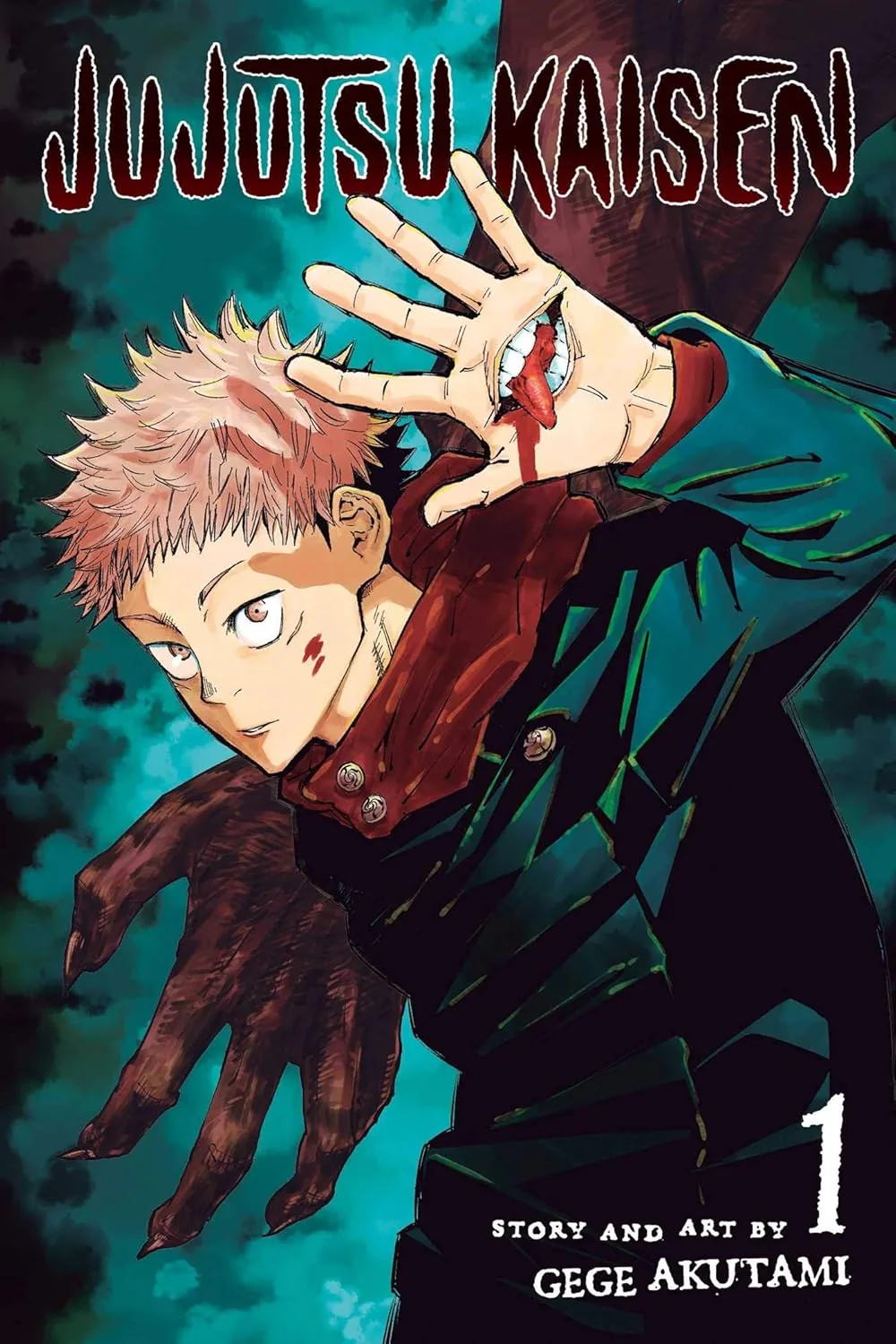
Earlier reporting on the New York Times rankings for Spy X Family and Jujutsu Kaisen showed both series maintaining steady print demand across American retail outlets. The sales data confirms that reader enthusiasm reflects physical purchases made at regional cash registers every single week.
Jujutsu Kaisen and the September Release Field
Leading the pack during September was Gege Akutami, whose supernatural action title Jujutsu Kaisen captured the number four ranking with its opening volume. The series showed notable commercial strength by placing six separate installments onto the monthly top 20 list: volume 1 at #4, volume 2 at #6, volume 29 at #8, Jujutsu Kaisen 0 at #10, volume 3 at #16, and volume 26 at #17 [2].
Other popular manga titles shared the September spotlight. Tatsuya Endō’s comedy series SPY x FAMILY took fifth place with volume 16, while Mokumokuren’s horror work The Summer Hikaru Died secured seventh place with its first volume. Hirohiko Araki’s JoJo’s Bizarre Adventure Part 7: Steel Ball Run hardcover volume 9 reached number 11, followed closely by Koyoharu Gotouge’s Demon Slayer: Kimetsu no Yaiba volume 1 at number 12 [2].
The remaining positions featured a rich mix of creator talent and narrative formats. Kei Urana’s battle manga Gachiakuta took 13th place with volume 1, followed by Eiichiro Oda’s pirate story One Piece Omnibus Edition volume 1 at 14. Kamome Shirahama earned two distinct spots with Witch Hat Atelier: Grimoire Edition hardcover releases, placing volume 2 at 15 and volume 1 at 19. Naoya Matsumoto’s Kaiju No. 8 volume 16 held the 18th slot, while Hyuganatsu, Itsuki Nanao, and Nekokurage rounded out the chart at number 20 with The Apothecary Diaries volume 1. Having multiple distinct creative teams reach the leaderboard in a single month illustrates the wide variety of storytelling styles currently thriving in print [2].

What explains why this diverse roster resonated so strongly across retail channels? Instead of picking up only brand new chapters, readers actively purchase debut volumes while collecting the newest installments. Strong backlist sales indicate that new fans consistently discover these series through physical bookshops, keeping older volumes in print circulation long after their debut dates [2].
Circana BookScan Coverage Across Retail Outlets
The tracking service underwent corporate changes in recent years. In March 2023, NPD BookScan officially transitioned into Circana Books following the 2022 merger between NPD Group and Information Resources, Inc. (IRI). The core tracking methodology maintained its continuity, gathering weekly checkout figures across the country [1].
Retail monitoring of this scope provides valuable transparency for the graphic novel market. Prior to point-of-sale data aggregation, publishers had to rely primarily on print run estimates and distributor solicitations, which didn’t always match actual consumer checkout volume. By tallying weekly cash register scans from over 16,000 storefronts, Circana BookScan delivers an objective metric of reader demand that helps bookshops allocate limited shelf space effectively [1].
With Chainsaw Man securing second place in October and Jujutsu Kaisen anchoring 16 manga entries in September, Japanese serialized storytelling represents a major component of commercial book retail in the United States. As publishers navigate changing consumer tastes, monthly sales rankings compiled through Circana BookScan will continue to serve as a practical benchmark for physical graphic fiction performance [1].
- ONLINE NEWS Anime News Network. (2026, November 22). Chainsaw Man Ranks #2 on Bookscan’s October Adult Graphic Novel List in U.S. [Article Link]
- ONLINE NEWS Hazra, A. (2026, November 22). Jujutsu Kaisen Ranks #4 on Bookscan’s September Adult Graphic Novel List in U.S. Anime News Network. [Article Link]


