






Nvidia Corp., Google LLC and software startup Emerald AI Inc. have launched the AI Energy Management Alliance to promote the construction of flexible data centers. Announced on Wednesday, the industry coalition addresses electrical grid constraints that threaten to stall computing expansion across the United States. Could dynamic power modulation allow server clusters to expand without overwhelming regional utilities? Traditional facilities operate with flat electricity demand, but the founding members aim to deploy infrastructure that actively responds to grid strain. [1, 2]
Consortium Unites Tech Giants and Energy Providers
The AI Energy Management Alliance convenes technology companies, regional grid operators, and power utilities around shared technical guidelines. According to NVIDIA Blog writer Josh Parker, electricity supply has become a defining constraint on computing expansion, forcing infrastructure planners to rethink how data centers connect to public power networks. Traditional interconnection agreements assumed that facilities would maintain flat, static consumption patterns around the clock regardless of transmission conditions. AEMA argues that continuing that rigid approach restricts connection speeds and delays deployment timelines. Power flexibility has become an urgent energy imperative. [2]
Power limits compute. Operating flexible data centers provides a controllable resource that can lower consumption when consumer demand peaks or transmission lines face congestion. Operators achieve these reductions by shifting computational workloads, discharging on-site battery storage, or engaging paired generation units to relieve electrical networks. Maria Deutscher of SiliconANGLE reports that the consortium wants builders to implement these operational standards before facilities are powered on. Deploying grid-responsive mechanisms allows utilities to approve large computing connections without funding expensive, time-consuming substation overhauls. [1, 2]
Founding partners emphasize that getting more compute out of existing electrical assets lowers environmental impacts per watt while supporting community energy affordability. Instead of treating power utilities as passive pipes, the coalition designs facilities that communicate operational status back to system operators. By establishing verifiable commitments to curb electricity demand during summer heatwaves or unexpected transmission contingencies, data centers gain faster, risk-adjusted pathways to grid interconnection. [2]
How Does Emerald AI Manage Power Demands?
Emerald AI Inc. operates at the center of hardware coordination for flexible data centers. The startup secured $150 million in funding last month, drawing investment from Nvidia Corp. Can automated server cluster throttling protect neural network training runs while shedding megawatts of demand? Emerald AI develops software designed to modulate cluster consumption. [1]
The company offers Emerald Conductor, a specialized management platform (software that dynamically adjusts cluster power draws) to lower electricity draw during grid crises. According to Emerald AI, the software limits performance disruptions on active machine learning runs while reducing energy consumption. Throttling large computational models without corrupting training checkpoints requires precise hardware coordination. Nvidia backs the firm. By pairing scheduler intelligence with real-time electrical grid telemetry, server clusters can scale down wattage smoothly without corrupting neural network calculations or crashing active checkpoint processes. [1]
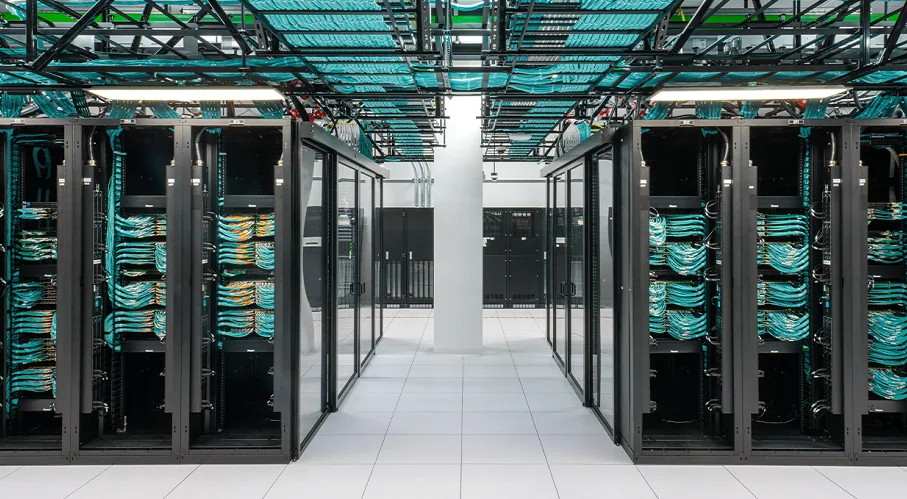
Emerald AI and Nvidia are constructing a 100-megawatt facility in Manassas, Virginia to demonstrate large-scale physical deployment of power-flexible hardware across operational server clusters. The two partners describe the Manassas project as the world’s first power-flexible AI factory, serving as an operational testbed for the alliance. Running Emerald Conductor across high-density computing clusters in Virginia will demonstrate whether massive computing loads can reliably shed power when regional transmission operators issue emergency curtailment alerts to protect grid stability. [1, 2]


Software Tools Coordinate Cloud Facilities and Grids
Hyperscale cloud operators bring proven load-balancing experience to the coalition. In March, Google disclosed that its operational demand response capacity exceeds 1 gigawatt across its global fleet of data centers. Google developed demand response technologies (control systems designed to synchronize facility consumption with external grid conditions) to shift non-urgent processing tasks away from stressed power zones during periods of system strain. If household energy demand spikes during a sweltering afternoon, automated scheduling algorithms delay intensive AI model training runs until cooler evening hours arrive across the regional service territory. Google proves that demand response operates effectively at gigawatt scale. [1]
Nvidia contributes proprietary management software to the initiative. Data center operators running Rubin graphics cards can implement an application called DSX Flex, which Nvidia created to optimize electricity consumption across server racks. The software monitors real-time digital signals transmitted from electric utility control systems. Based on those digital inputs, DSX Flex dynamically balances computing workload intensity, draws from on-site energy generation equipment, and routes electricity to or from facility batteries to protect transmission lines. Both systems talk continuously. [1]
On-site battery arrays provide flexibility that extends far beyond emergency backup power. When regional utilities experience sudden generation shortfalls or peak industrial demand, data centers can disconnect from the main grid entirely and draw stored electricity from local chemical battery systems. Facilities can even inject stored electrical energy back into local transmission lines to stabilize community supplies during crises. Batteries bridge the gap. Flexible data centers transform computing facilities into dynamic grid stabilizers rather than unyielding consumers of electricity. [1, 2]

Standardizing Flexible Data Centers Across the Industry
The coalition establishes standardized metrics rather than prescribing specific proprietary hardware. NVIDIA Blog notes that AEMA remains technology-neutral and performance-based, measuring the physical reliability of the services a facility delivers rather than endorsing particular silicon or proprietary operating systems. Key performance metrics evaluate how quickly an AI facility responds to curtailment signals, how long it can sustain lowered wattage, and how predictably its power drop occurs during sudden grid disruptions. AEMA prioritizes measurable grid performance over specific vendor hardware. [2]
Why should regional grid operators grant faster interconnection approvals to AI facilities? Reliability remains paramount. The alliance establishes clear operating principles regarding curtailment (the mandatory reduction of facility electricity consumption during system emergencies) and ride-through capabilities during brief electrical disturbances across the transmission grid. Facilities must formalize contingency-response protocols before they ever connect to transmission lines. In exchange, utilities create accelerated, risk-adjusted interconnection pathways for developers who commit to verifiable load modulation. [2]
Cost allocation represents another critical reform pursued by the consortium. Traditional regulations frequently require large computing projects to fund extensive transmission upgrades that benefit broader regional networks without receiving financial credit for avoided infrastructure expenses or improved ramping capabilities. AEMA advocates for interconnection fees that accurately reflect the system benefits provided by flexible data centers, such as avoided peaking plant construction and superior ramping capabilities. Sharing operational telemetry between data center operators and electric utilities reduces technical uncertainty across both industries. [2]
Alliance Gathers Broad Support Across Value Chain
The AI Energy Management Alliance has gathered backing from 18 additional companies across the computing and utility sectors. Launch partners include AI platform developer Anthropic PBC, precision chipmaker Analog Devices Inc., power producers, and multiple regional electric utilities. While top AI labs previously faced antitrust scrutiny over safety coordination among competing companies, AEMA focuses strictly on operational standards for electrical infrastructure rather than commercial agreements between competing model developers. Maria Deutscher of SiliconANGLE reports that the group will prioritize developing best practices covering emergency power outages, standardizing optimization metrics, and encouraging corporate members to share verified technical data across the power value chain. Eighteen launch partners have already joined the coalition. [1, 2]
Timing matters. Electrical utilities cannot construct new transmission corridors at the speed technology firms deploy silicon. The coalition sets standards to bridge that construction gap. [2]
As Nvidia and Emerald AI prepare their Manassas facility for initial operations, the broader question is whether regional grid operators will adapt interconnection rules quickly enough to match computing demand. Coordinating multi-gigawatt computing clusters with community power grids requires unprecedented transparency between tech developers and public utilities. Success will depend on whether utilities translate these voluntary performance frameworks into formal interconnection tariffs, or whether regulatory hesitation keeps flexible data centers waiting in lengthy queues across the country. [1, 2]
- ONLINE NEWS Deutscher, M. (2026, September 17). Nvidia, Google and Emerald AI launch flexible data center consortium. SiliconANGLE. [Article Link]
- PRESS RELEASE Parker, J. (2026, September 16). Emerald AI, Google and NVIDIA Launch Alliance to Advance Flexible AI Data Centers. NVIDIA Blog. [Article Link]


1 comment