






Autumn respiratory surveillance shows that newer COVID-19 variants continue to adjust through minor genetic mutations without causing health emergencies. Genomic sequencing has slowed globally, but health agencies still record expected seasonal upticks driven by descendants of the Omicron strain. Danny Altmann at Imperial College London said that the world is in uncharted territory where past immunity protects against serious illness even as circulating lineages evade early antibodies [2].
Dominant COVID-19 Variants This Fall
Autumn respiratory tracking in Europe and North America centers on an Omicron sublineage known as XFG, which public health teams call Stratus [1]. The lineage spread between countries until it accounted for roughly 60 per cent of all sequenced viral samples worldwide, outcompeting older lineages because it dodges antibodies built from previous infections [2].
At Fakeeh College of Medical Sciences in Jeddah, Saudi Arabia, researcher Leena Azhar reviewed the genetic behavior of XFG and concluded that its path shows quiet evolutionary fine-tuning rather than any shift toward greater virulence [1]. Another descendant under close observation is NB.1.8.1, an offshoot nicknamed Nimbus that emerged within the JN.1 family in early 2025. Writing for the International Health Organization, Dr Yara Hasan reported that health teams found NB.1.8.1 in more than 20 countries, including China, India, the United Kingdom, and the United States. Although airport screening detected the subvariant among travelers, Hasan said that documented cases have not caused worse illness than earlier Omicron infections. Standard symptoms still feature fever, cough, fatigue, and sore throat [5].
Clinic reports suggested that patients infected with NB.1.8.1 experienced sharp throat discomfort, but Hasan said that systematic laboratory tests have not confirmed those observations [5]. The strain relies on spike protein adjustments to gain a modest transmission advantage without breaking past deeper cellular defenses [2].
How the Virus Evolves
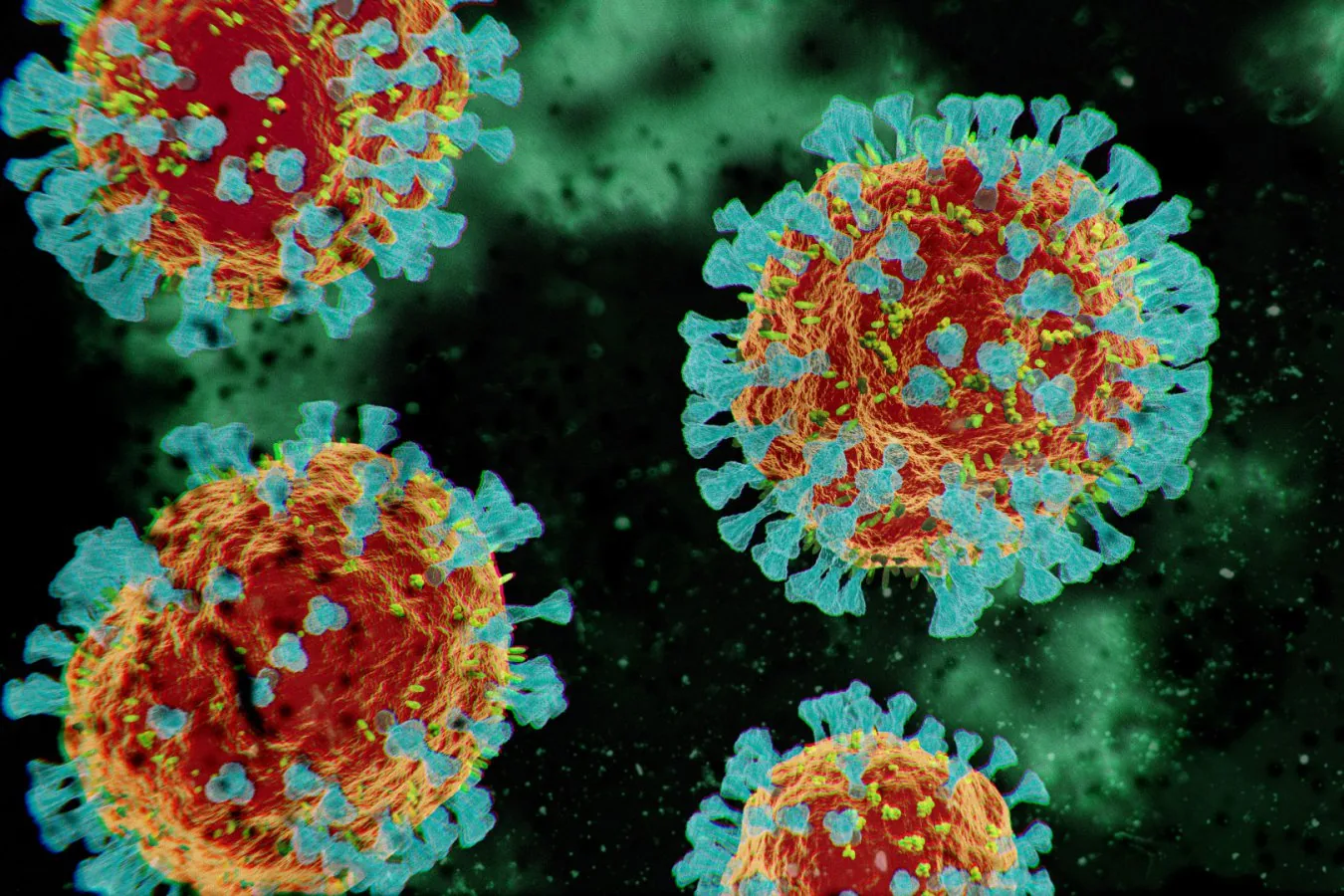
Science writer Jo Marchant reported in New Scientist that all circulating strains descend from Omicron, the major variant of concern that spread worldwide in late 2021. Ian Mellis and his colleagues at Columbia University in New York evaluated how newer subvariants formed, finding that XFG emerged when two separate subvariants of the JN.1 lineage swapped genetic material inside an infected patient [2]. This exchange created an altered spike structure with multiple amino acid changes, including substitutions designated as S:F456L and S:Q493E [3]. Mellis said that the virus “continues to evolve” by producing offshoots that outcompete older strains through subtle immune advantages. His laboratory tested how human antibodies neutralized both XFG and NB.1.8.1, discovering that while both bound to host cells slightly less well, their ability to evade antibodies offset that deficit [2].
Earlier medical research showed that vaccination prior to infection reduces long COVID risk in wider age groups, proving that foundational immune memory continues to protect the body even when new mutations dodge circulating antibodies. That protection explains why hospital admissions remain manageable despite steady viral changes [2].
Antibody Evasion and Disease Severity
Because circulating COVID-19 variants evade antibodies so effectively, researchers examined whether seasonal infection waves would lead to higher hospital admissions. Danny Altmann at Imperial College London said that broad antibody evasion “may play out in a few more hospitalisations,” but pointed out that illness measures stay stable. In the United Kingdom, hospital registries recorded 1638 covid-19 cases during the first week of October, rising from 1328 cases the week before but remaining below levels recorded during the same period last year. Alexander Allen at the UK Health and Security Agency said that surveillance teams see no proof that autumn strains make people sicker or spread faster than before. Allen said this year’s vaccine was specifically designed to protect against circulating strains [2].
Aris Katzourakis at the University of Oxford said that assessing viral outcomes in real time is hard because “it takes time for something that sweeps through to turn into hospitalisations and for those to be recorded”. But existing community immunity built from vaccines and past bouts continues to keep a lid on life-threatening complications [2].


Tracking New SARS-CoV-2 Variants
International tracking relies on networks that health agencies set up to monitor ongoing pathogen shifts. In June 2020, the World Health Organization created the Virus Evolution Working Group, which later became the Technical Advisory Group on SARS-CoV-2 Virus Evolution. The agency introduced simple labels in May 2021 and launched the WHO Coronavirus Network (CoViNet) in 2024 to unite laboratories and coordinate risk assessments [4]. But genomic sequencing has dropped over the past year as health funding shrank. Mellis warned that this loss of sequencing data deprives doctors of early warning signals if a dangerous strain develops in an immunosuppressed individual. Altmann also worried about lax public attitudes toward boosters, noting that many young children entering school have never been vaccinated [2].
Prior research confirmed that vaccines protect children from long COVID complications, making gaps in pediatric vaccination a genuine public concern. Altmann said that without steady tracking and booster uptake, health systems face unnecessary uncertainty heading into the winter months [2].
How Many Strains Exist Today?
How many viral offshoots are scientists monitoring right now? Under guidelines updated in March 2023, the World Health Organization separates emerging lineages into three categories [4]. A Variant Under Monitoring is a strain flagged for prioritized tracking to see whether it poses an extra threat compared to other circulating viruses. When a strain shows mutations known to alter transmission, illness severity, or medical treatments, the agency classifies it as a Variant of Interest. The highest classification, Variant of Concern (VOC), is reserved for strains that cause global health disruption and receive Greek letter names, though none has reached that status since Omicron in 2021 [3].
The World Health Organization lists several lineages under surveillance, compiling sequence reports from the GISAID platform. Monitored lineages include PQ.16.1.1, which split from NB.1.8.1 with specific spike changes, as well as XFG and an older offshoot named BA.3.2. Meanwhile, JN.1 stays listed as a Variant of Interest within the Nextstrain clade 24A [3].
Updated Vaccines and Clinical Protection
Health authorities stress that updated seasonal vaccines for the 2025–2026 season are tailored to match recent spike structures, boosting neutralizing antibodies that help prevent serious lung illness and hospitalization. Dr Yara Hasan said that older adults and immunocompromised people should prioritize seasonal doses. The World Health Organization also advises public agencies to combine COVID-19 surveillance with routine influenza tracking, allowing clinical teams to watch both respiratory illnesses through unified laboratory testing. Simple non-pharmaceutical habits like wearing masks in crowded indoor rooms, washing hands, and staying home when sick also help limit community spread [5].
While circulating COVID-19 variants will continue to accumulate mutations and produce new offshoots each year, baseline immunity established through past infections and vaccination campaigns continues to provide a dependable shield against life-threatening outcomes. Altmann said he remains neither unduly excited nor alarmed by autumn developments. Danny Altmann at Imperial College London pointed out that six years after the virus emerged, “we’re making do with the immunity that we’ve got on board” to keep illness under control. Population-level defenses continue keeping a lid on serious disease in monitored communities [2].
- ACADEMIC JOURNAL Azhar, L. E., Samkari, D. A., Hassan, A. M., Alsayed, S. M., & Azhar, E. I. (2026). The Emergence and Characterization of SARS-CoV-2 Variant XFG (“Stratus”): Comparative Virological, Epidemiological, and Public-Health Perspectives. Journal of Epidemiology and Global Health, 16(1). [Article Link]
- ONLINE NEWS Marchant, J. (2026). Does each new covid-19 variant pose a significant threat? New Scientist. [Article Link]
- REPORT World Health Organization. (2023). WHO Coronavirus (COVID-19) dashboard. [Article Link]
- WEBSITE World Health Organization. (2026). Tracking SARS-CoV-2 variants. [Article Link]
- ONLINE NEWS Hasan, Y. (2026). COVID-19 and Ongoing Variants. International Health Organization. [Article Link]
- ONLINE NEWS Discover Magazine. (2026). COVID-19 Variants This Fall, Gray Wolves Use Wildfires to Hunt, and a Blood Test Could Detect Breast Cancer. [Article Link]
APA 7: PerEXP Teamworks. (2026). COVID-19 Variants Circulate as Existing Immunity Limits Harm. PerEXP Teamworks.


