





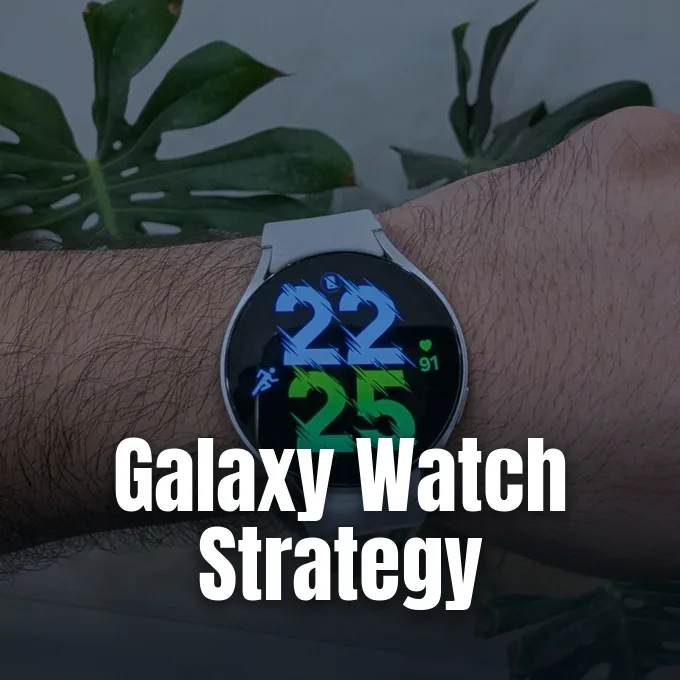
South Korea’s ETNews reports that Samsung is weighing a major halt to annual Galaxy Watch releases. Under this proposed schedule, no new watch model will arrive in 2027, and the upcoming Galaxy Watch 9 and Galaxy Watch Ultra 2 will serve as the company’s flagship wristwear until 2028. This plan would bring an end to a nine-year tradition of annual smartwatch refreshes that began back in 2018 with the first Galaxy Watch. Rising component expenses and two straight quarters of operating losses in the mobile division prompted leadership to consider this shift [1].
Galaxy Watch Releases Face a Longer Cadence
The proposed calendar change marks a clear pivot for Samsung. Since the original Galaxy Watch arrived in 2018, the company has brought a new wearable to store shelves every summer. But consumer buying habits have shifted as hardware changes became smaller [4].
Apple set a similar precedent when it paused between the Apple Watch Ultra 2 and Watch Ultra 3, where it simply rolled out a fresh black finish instead of rebuilding the case. Smartwatch makers around the world are learning that packing meaningful sensors into compact wristwear takes more time than a twelve-month calendar permits. If Samsung skips the Galaxy Watch 10 in 2027, engineering teams will gain room to build noticeable upgrades for 2028 instead of rushing minor cosmetic tweaks to retail shelves. A pause between yearly Galaxy Watch releases gives engineers more time to build meaningful hardware [4].
Samsung hasn’t issued a public statement about the 2027 road map. Early reporting indicates that the proposal is moving through executive channels, where planners want to rein in bloated research, engineering, and marketing budgets [1].
Financial Pressure in the Mobile Unit
The shift stems from quarterly ledger balances and financial realities. Samsung’s mobile division posted losses for two consecutive quarters, which created urgent pressure among group planners who now need to trim overhead expenses and restore profitability across the entire division. Costs mounted quickly. Jay Bonggolto said that rising manufacturing bills have eaten into hardware margins, and these tighter margins make expensive annual launch campaigns difficult to sustain when consumer demand cools during tough retail seasons. Slower schedules help balance the books [1].
Smartwatches aren’t the only devices under review. According to Android Central, Samsung is also considering a plan to cut production volumes for its budget-friendly Galaxy A series by roughly 20% [1].
Group leaders want to steer more resources toward premium hardware, which aligns with ongoing discussions about Galaxy S27 release date timing and top-tier phone sales. Fewer budget models will protect operating income during volatile fiscal periods. Component pricing compounds these problems. Mark Jansen reported for Android Police that parts costs have climbed steadily, and when hardware makers face higher bills for silicon, display glass, and compact batteries, maintaining an annual launch rhythm turns into a costly burden [2].
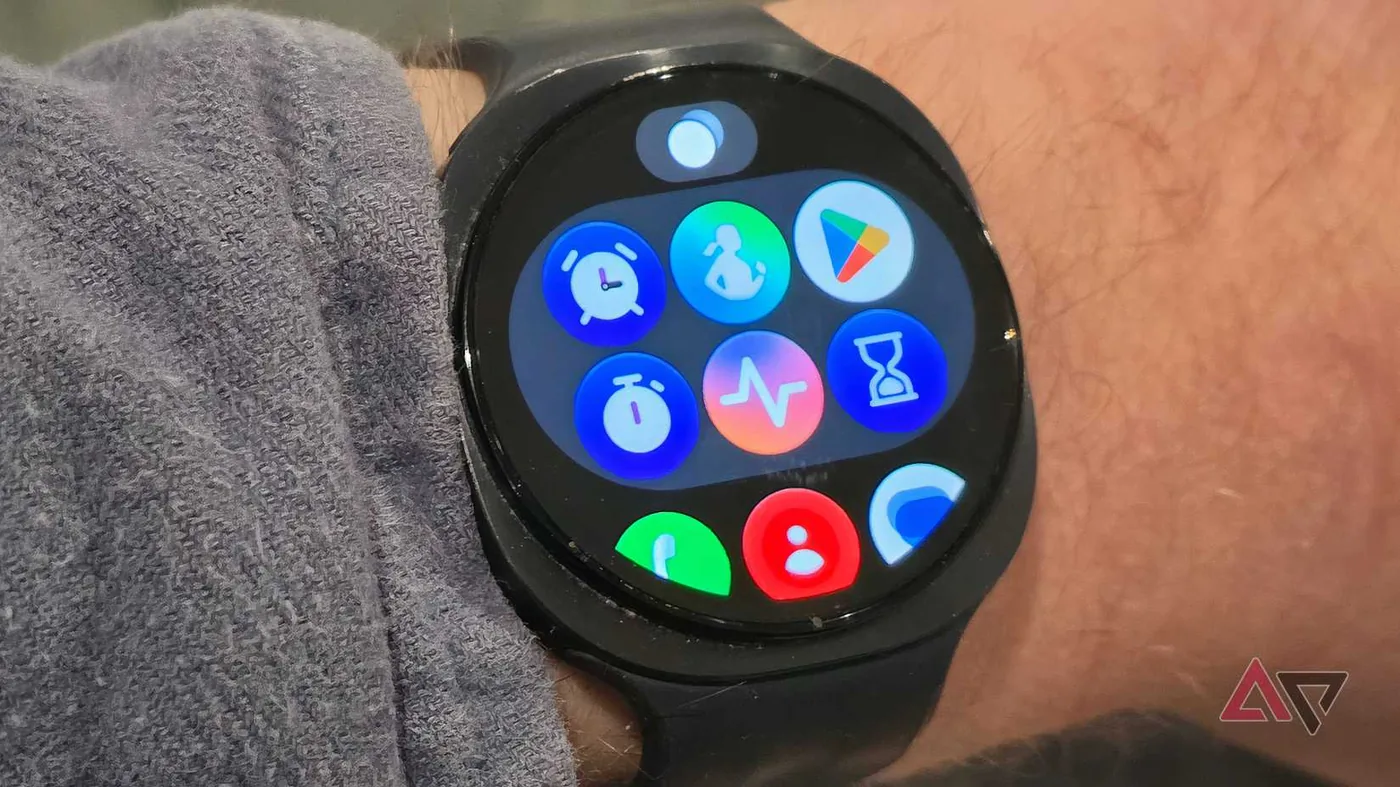
Consumer resistance against price hikes has also weakened sales momentum. The Galaxy Watch 9 struggled to match internal sales projections after Samsung priced it higher than the outgoing Galaxy Watch 8. Shoppers refused to pay extra without major improvements [1].


Hardware Specs and Black Friday Pricing
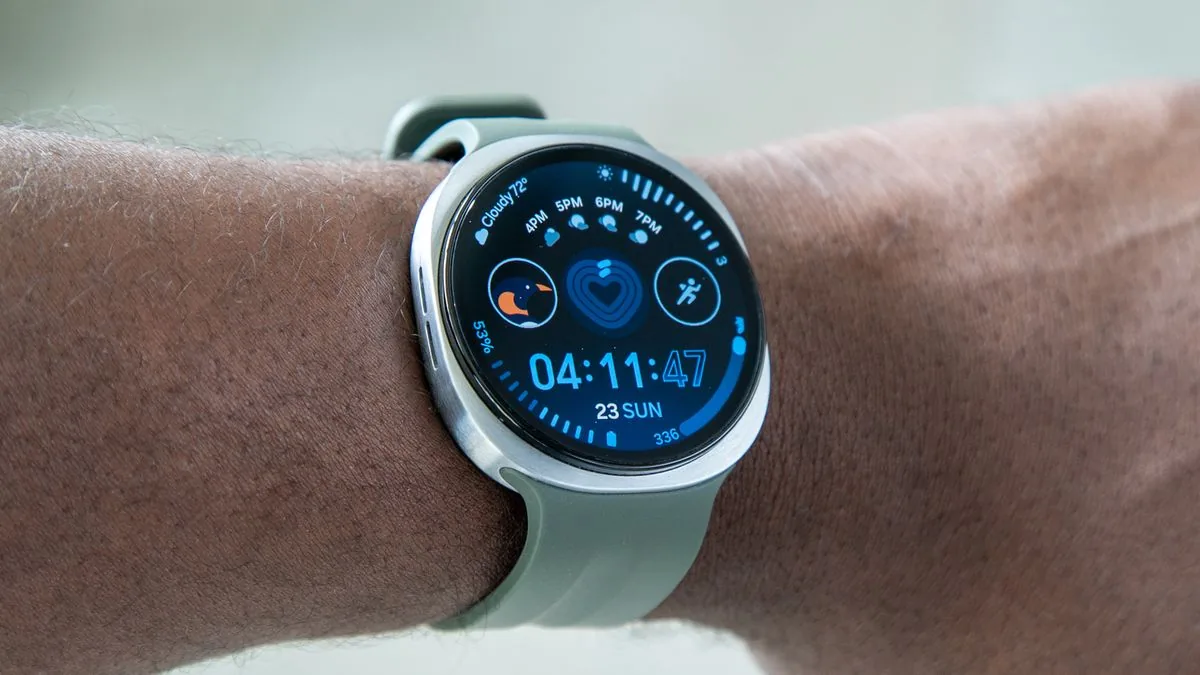
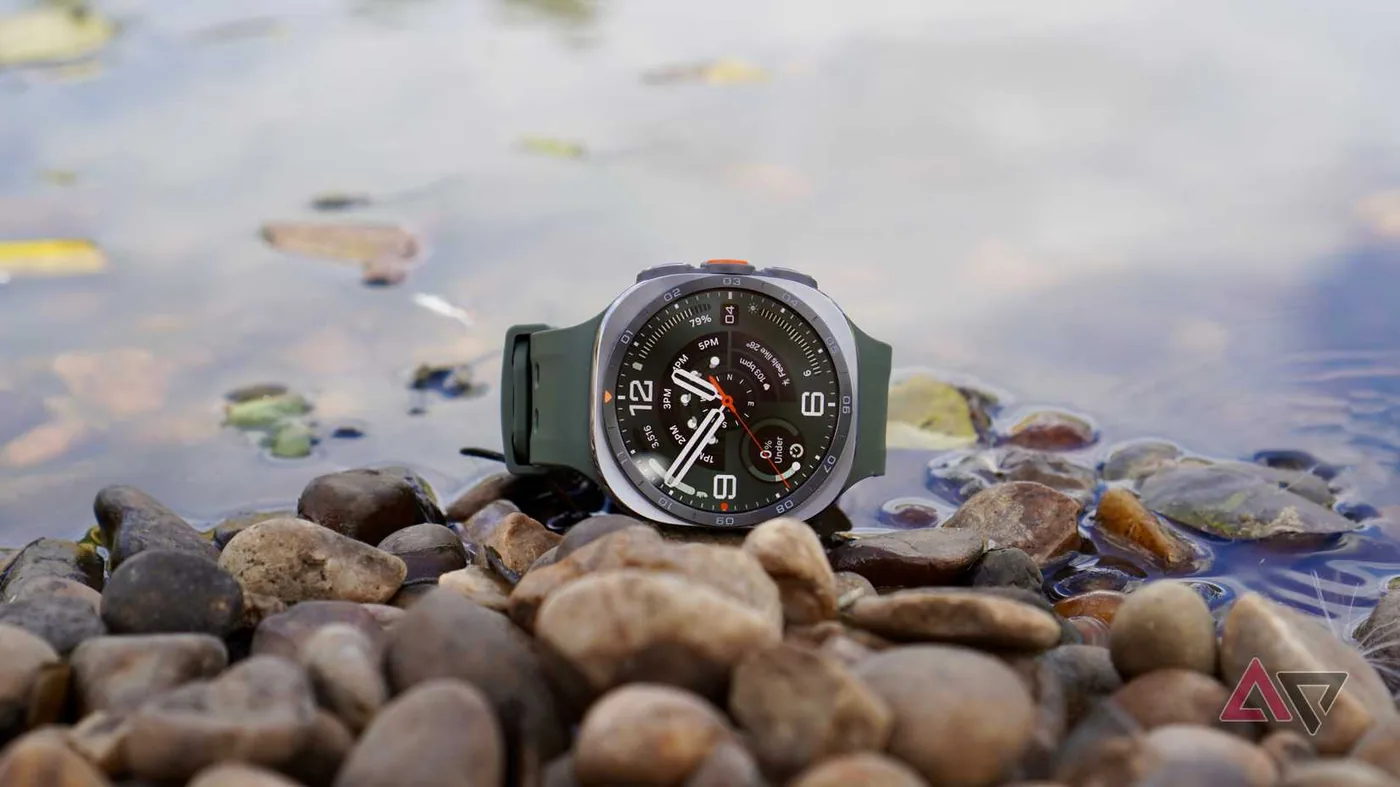
The current generation of wristwear shows why yearly upgrades have become harder to market to everyday shoppers. The Galaxy Watch 9 comes in two case sizes (40mm and 44mm), with Super AMOLED screens measuring 1.34 inches and 1.47 inches at sharp resolutions of 438 x 438 pixels and 480 x 480 pixels. Both variants run on Qualcomm’s Snapdragon Wear Elite processor. This chip provides responsive app performance and dependable daily activity tracking [2]. Performance benchmarks and hardware details are explored in our comparison of the Galaxy Watch Ultra 2 and Watch 9.
High retail sticker prices have pushed retailers to offer generous seasonal incentives. Will Sattelberg reported for 9to5Google that an early Black Friday promotion on Amazon pairs the Galaxy Watch 9 with a $50 gift card [3].
The standard 40mm GPS model lists for $379, whereas the larger 44mm GPS model sells for $410. Cellular options cost more: $430 for the 40mm case and $460 for the 44mm edition. Once shoppers apply the free gift card at checkout, the effective starting cost of the watch drops to $329 before sales tax, giving Samsung a potent counter to Google’s Pixel Watch, which saw promotional holiday discounts of $300 for the 41mm edition and $330 for the 45mm edition. Memory crunch issues explain these prices. Will Sattelberg noted that component crunches have inflated manufacturing bills for all kinds of personal electronics [3].
Software Updates for Existing Models
A hardware pause will not leave current owners behind. According to Android Central, Samsung plans to bridge the 2027 hardware gap through regular operating system updates and new health-monitoring tools for existing Galaxy Watch units [1].
Samsung might also lean on its affordable Galaxy Fit activity band. Fitness trackers require lower development budgets than full-fledged Wear OS smartwatches while still satisfying mainstream users who only care about step counting, sleep tracking, and basic notification alerts on their wrists. Jay Bonggolto reported that an active Galaxy Fit line helps retain health-conscious shoppers who balk at flagship smartwatch prices. Basic fitness bands keep ecosystem sales moving [1].
This focus on software and budget fitness hardware addresses consumer fatigue. In 2027, Samsung can refine its health algorithms and optimize battery life on Wear OS, which delivers meaningful value to people who already own recent hardware [2].
What Slower Galaxy Watch Releases Mean for Buyers
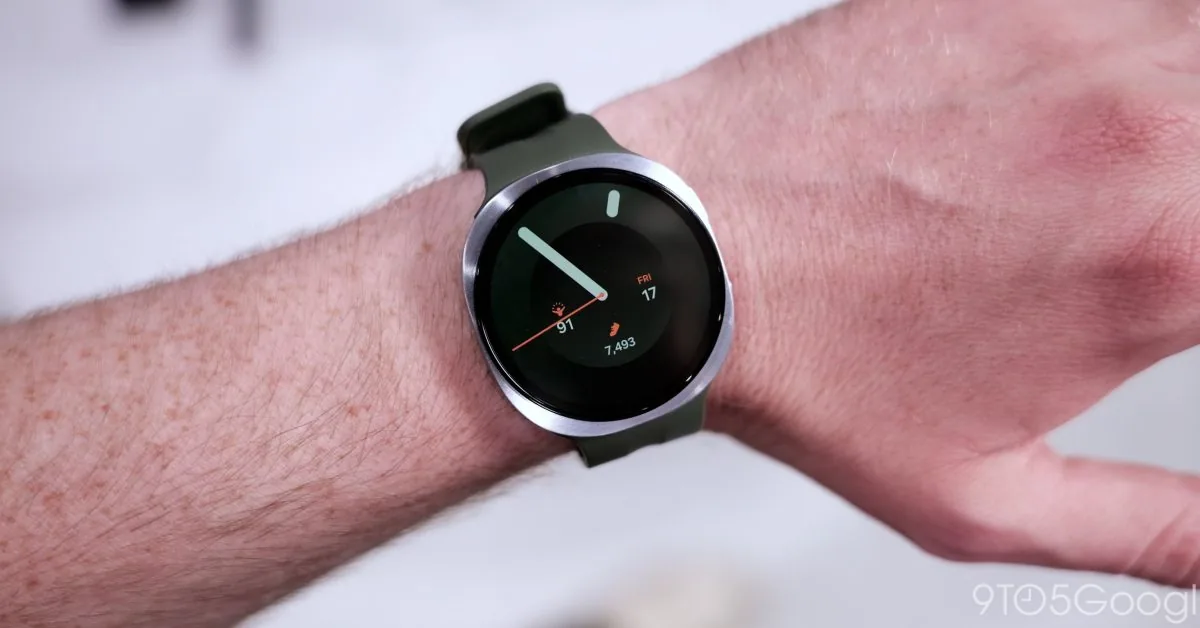
For regular shoppers, moving away from annual Galaxy Watch releases could prove to be an advantageous shift. In recent years, predictable yearly rollouts created an awkward shopping dynamic where tech enthusiasts hesitated to buy a watch mid-year for fear it would be replaced within months. Mark Jansen wrote for Android Police that a longer product lifecycle removes that consumer hesitation. Shoppers can purchase a wearable whenever they need one, and they will not have to dread immediate obsolescence [2]. Buyers can invest in current hardware knowing that their device will remain the top model for two full years.
A two-year release window also relieves consumers from feeling like their devices are outdated after twelve months. Smartwatches don’t wear out quickly. Wristwear batteries provide multiple years of reliable daily service, and Mark Jansen argued that slowing down rollouts eliminates the artificial fear of missing out that yearly product cycles create [2].
A two-year development cycle gives engineers the time they need to deliver tangible hardware advancements. Instead of releasing near-identical iterations that rely on marketing spin, Samsung can focus on real breakthroughs in health sensing, screen power efficiency, and processing capability. If the company returns in 2028 with a truly reimagined flagship, buyers will find a far more compelling reason to open their wallets [1].
- ONLINE NEWS Bonggolto, J. (2026, November 23). Samsung may skip the Galaxy Watch 10 in 2027 as costs pile up. Android Central. [Article Link]
- ONLINE NEWS Jansen, M. (2026, November 23). Samsung won’t release a new Galaxy Watch in 2027. Android Police. [Article Link]
- ONLINE NEWS Sattelberg, W. (2026, November 23). Grab Samsung’s Galaxy Watch 9 ahead of Black Friday and score a free $50 Amazon gift card. 9to5Google. [Article Link]
- ONLINE NEWS Android Authority. (2026, November 23). Samsung could end annual Galaxy Watch releases starting in 2027. Android Authority. [Article Link]


