






Google DeepMind released the Genie 4 world model in research preview on Tuesday, giving testers access to an interactive simulation system that builds virtual spaces from text and image prompts. The update extends unbroken simulation time to two minutes, doubling the length offered by its predecessor while generating synchronized sound effects, background music, and character voices. DeepMind designed the system to let users change the environment in real time through plain text instructions during live runs [1].
Genie 4 World Model Capabilities
Google introduced the earlier Genie 3 version over a year ago. But the new release changes how people steer the virtual space once generation starts, allowing users to type fresh text prompts mid-run to shift the weather, alter camera angles, or add new people into the scene without restarting the session. The DeepMind engineering team improved character motion so human figures move naturally across uneven terrain. Genie 3 capped continuous exploration at sixty seconds, but the updated model doubles that limit to two full minutes. The change lets testers explore spaces longer before scene coherence begins to drift [1].
Sound generation is another major addition. Genie 4 produces audio tracks that fit the generated world on the fly, pairing ambient noise and musical cues with responsive dialogue spoken by people inside the virtual scene. DeepMind generates these audio cues with visual frames, though fast transitions still present hurdles during live testing [1].
Jay Peters reported for The Verge that the underlying architecture relies on Gemini 3.8 Flash to help coordinate live generation. That smaller model handles background computation while the main simulation engine outputs visual frames. Google outlined four core updates for the system, pointing to more realistic scenes, live prompt steering, synchronized sound, and the underlying Gemini 3.8 Flash integration [3].

Robotics and Gemini Planning
Google is connecting its Gemini models directly to world simulation. In this setup, Gemini acts like a director that organizes tasks into steps and checks visual frames, while Genie 4 draws the scene. DeepMind hopes this division of labor will make virtual testing useful for training physical robots before real-world deployment [1].
In an experiment run by Gemini Robotics, Google paired the simulation engine with a Gemini 4 Argon model to test automated planning. The Gemini 4 Argon model broke complex physical instructions into discrete subtasks, and Genie 4 simulated each step in real time so the virtual robot could test solutions before acting in real life. DeepMind views this pipeline as a way to generate infinite training environments for hardware tests without building costly mockups by hand. The virtual setup lets engineers test robot movements safely without damaging physical equipment in lab facilities. During a press briefing, Google research director Tejas Kulkarni explained that hybrid models will become common tools as language models write code while world models simulate reality [1].
Ars Technica reported that Google treats these simulation systems as a core step toward artificial general intelligence (AGI). DeepMind doesn’t view Genie 4 simply as a video game engine. According to Google researchers, world models represent a key element in the march toward AGI by generating virtual worlds frame by frame without requiring pre-rendered environments or manual programming [2].


Consolidation Across the Industry
Google launched Genie 4 as competition in the world model space heats up among major technology labs. Rival artificial intelligence video company Runway released its second playable world model, GWM Worlds 2, two months ago with live user controls and audio generation tools. At the same time, frontier startups are joining larger hardware and cloud providers to secure necessary computing power. Chipmaker AMD is currently acquiring Fei-Fei Li’s startup World Labs to bring spatial intelligence expertise in-house [1].
Corporate deals have accelerated across the simulation market throughout late 2026. Amazon is currently in talks to acquire Decart. Electric automaker Rivian purchased simulation startup Third Dimension to develop testing environments for self-driving vehicles in-house. TechCrunch reporter Rebecca Bellan reported that these acquisitions reflect growing demand for models that simulate physical rules at scale [1].
The competitive pressure follows a strong reaction to DeepMind’s previous release. When Google revealed Genie 3 last year, gaming stocks tumbled over concerns that automated world generation might disrupt established game studios. Ars Technica reported that although the model output resembles a video game, Google focuses its resources on broader research benchmarks instead of commercial video game production [2].
Creative Prototyping for Film
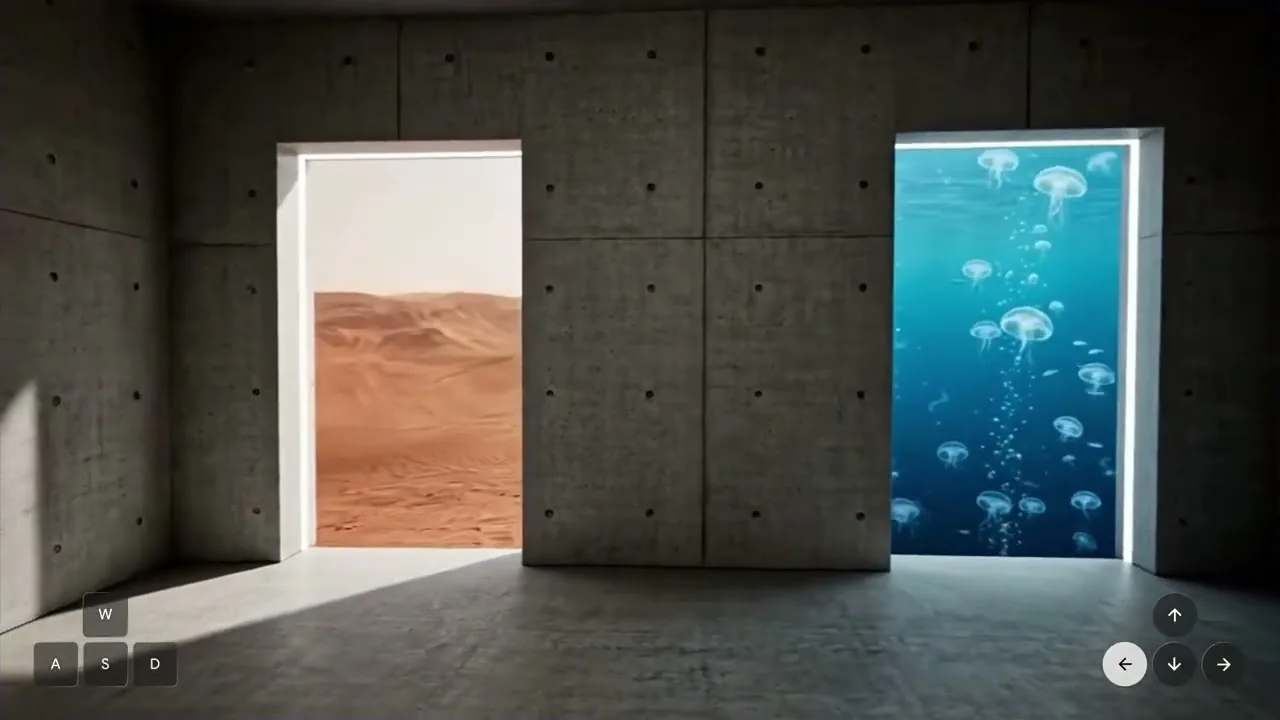
Early testers are exploring how the simulation engine fits into creative workflows such as game design and film pre-visualization. Jay Peters reported in The Verge that earlier tests in Project Genie often produced crude knockoffs of retro video games, but the higher fidelity in the new model opens practical uses for storyboard artists. The Verge highlighted that Genie 4 creates AI-generated experiences that help creative teams prototype scenes rapidly. System testers can build interactive mockups of scene layouts without writing code or modeling 3D assets by hand. This setup lets visual design teams test diverse scene compositions before committing expensive production budgets to full film shoots [3].
Diego Rivas, a Google DeepMind engineer, said that real-time steering helps artists stay in a creative flow during early project planning. “The real time aspect becomes most valuable in the areas where keeping a state of flow in the creativity space becomes incredibly useful,” Rivas said during the briefing [1]. He pointed to rapid ideation during storyboarding as an ideal application.
Google also pitches the technology for interactive education, such as allowing students to walk into a historical painting and speak with its subjects. For film production, creators can pair early simulation prototypes with Veo, Google’s high-definition video generator with built-in audio. Rivas added that users could eventually use Gemini Omni to convert those rapid concept sketches into finished production assets, but that capability isn’t ready for general use yet [1].

Genie 4 World Model Testing Limits
Despite improvements in visual fidelity, the engineering team acknowledged that the current build has noticeable simulation flaws. Simulated objects can shift position or lose permanence as sessions run toward the two-minute mark, and text inside the virtual world is often illegible. DeepMind engineers also warned that keeping speech and sound effects accurate across quick scene transitions still needs manual supervision during testing [1].
Google is limiting early availability to trusted testers. Over the coming weeks, the company plans to introduce access for Google AI Ultra subscribers inside Project Genie while also offering developer access through the Gemini API and Google AI Studio. The phased rollout gives Google time to observe how external builders use live steering before setting commercial terms. DeepMind wants to discover what user workflows emerge from early developer experiments before finalizing the software interface [1].
The company has opened a waitlist for Project Genie where creators can apply to test the system. Pricing details have not been announced beyond inclusion in the existing Ultra subscription tier. Users can’t buy standalone access to the model today because Google wants to evaluate live steering performance with select partners first. Google says world models will form an important foundation for autonomous software agents and digital media production as research advances [3].
- ONLINE NEWS Bellan, R. (2026, October 27). Google’s Genie 4 world model adds audio, more realistic worlds, and real-time steering. TechCrunch. [Article Link]
- ONLINE NEWS Ars Technica. (2026, October 27). DeepMind unveils Genie 4 world model promising more realistic physics and humans. [Article Link]
- ONLINE NEWS Peters, J. (2026, October 27). Google’s next Genie AI model generates more realistic experiences. The Verge. [Article Link]


