




Google announced that it will end support for its Pixel Watch Safety Signal feature on older LTE smartwatches by December 12, winding down an emergency option that helped runners and hikers stay connected without a separate carrier plan [1]. Anna Washenko reported for Engadget that the decision impacts both the Pixel Watch 2 and Pixel Watch 3, removing a safeguard that allowed wristbands to reach emergency responders over cellular bands without a wireless subscription. Andrew Romero at 9to5Google said the emergency cellular tool served as a dependable safety net for outdoor activities when people left their phones at home [2]. The service now enters a final phase before shutting down on December 12.
December 12 Sunset for Pixel Watch Safety Signal
The cutoff date sets a firm timeline for wearable owners who rely on standalone cellular safety tools during outdoor exercise [1]. Google said it will send email and push notifications to current users with “advanced notice” 30 days before the shutdown takes effect.
Both the Pixel Watch 2 and Pixel Watch 3 included the feature as a standard perk for users who chose LTE hardware but didn’t want to add a smartwatch line to their monthly cellular bill [1]. The watches carried the necessary cellular antennas inside their cases, but Google handled the underlying data bridge so wearers could reach emergency tools without paying recurring carrier fees. It gave runners peace of mind on remote trails when they chose to exercise without a phone. That standalone cellular access disappears once the December 12 deadline arrives.
Android Authority confirmed the December 12 date, telling smartwatch owners to mark their calendars as Google winds down support for the built-in safeguard [3]. The change impacts only LTE models, meaning Bluetooth-only devices won’t see any difference in daily use. The standalone cellular safety net ends there.
Many buyers selected the LTE variant specifically because it could summon help if they took a bad fall while exercising far from home. Now those owners must decide whether to pay a wireless carrier for a separate smartwatch line or carry a phone on every run. Google chose to announce the retirement well before the end of the year. The early notification gives runners time to test new routines before the cellular cutoff arrives.
How Emergency LTE Protected Pixel Watch Users
Google introduced Safety Signal when it rolled out the Pixel Watch 2, marketing the tool as an emergency fallback plan that didn’t need a paired phone nearby [2]. The system allowed the smartwatch to hook into LTE bands for specific emergency tasks, ensuring that core safety apps could reach authorities or emergency contacts even without a mobile subscription. It didn’t provide standard internet browsing or general voice calling. Instead, the watch used the cellular modem solely to transmit distress signals and coordinate emergency responses when normal connections failed.
The setup powered several protective tools under Google’s wearable Safety app, including Emergency SOS and Fall Detection alerts [2]. If a user took a hard fall during a workout and couldn’t respond, the watch could share the wearer’s coordinates with emergency dispatchers automatically.

Wearers could also trigger calls to their chosen emergency contacts without pulling a phone out of a pocket during an urgent situation. Anna Washenko reported for Engadget that Safety Signal was only ever offered on LTE-enabled Google Pixel Watch 2 and Pixel Watch 3 smartwatches, leaving newer generations off the service [1]. Because Google never brought the tool to other models, its retirement closes a brief chapter in wearable safety design. Users who bought LTE models for that standalone peace of mind will soon lose that layer of security. The emergency cellular bridge won’t exist past December.


Google Health Premium and the 30-Day Transition Window
The service originally arrived tied to a Fitbit Premium membership before Google reorganized its health subscriptions under the Google Health Premium umbrella [2]. Wearers who paid for the premium subscription on an LTE watch received Safety Signal as part of their membership package, giving them emergency connectivity at no extra carrier cost. Andrew Romero at 9to5Google said that the tool worked for premium members as long as their watch lacked a carrier plan. Now, subscribers face the end of that bundled benefit without an alternative cellular discount.
Google confirmed that users subscribed to Google Health Premium will receive an email 30 days before the final shutdown date [2]. That message will outline the coming changes and inform wearers that their watches will lose emergency cellular capabilities once the transition window closes.
During those 30 days, Safety Signal will continue to handle emergency alerts as normal so users don’t face an immediate loss of protection. Google said that notifications will arrive through both email and push alerts on connected phones, giving wearers clear advance notice about the sunset [1]. The company wants users to know about the switch before they head outdoors without a paired phone. Losing the fallback connection means runners can’t assume their watch will call for help on an isolated trail. The 30-day notice gives owners time to rethink their safety setups.
Protective Tools That Stay Functional After the Cutoff
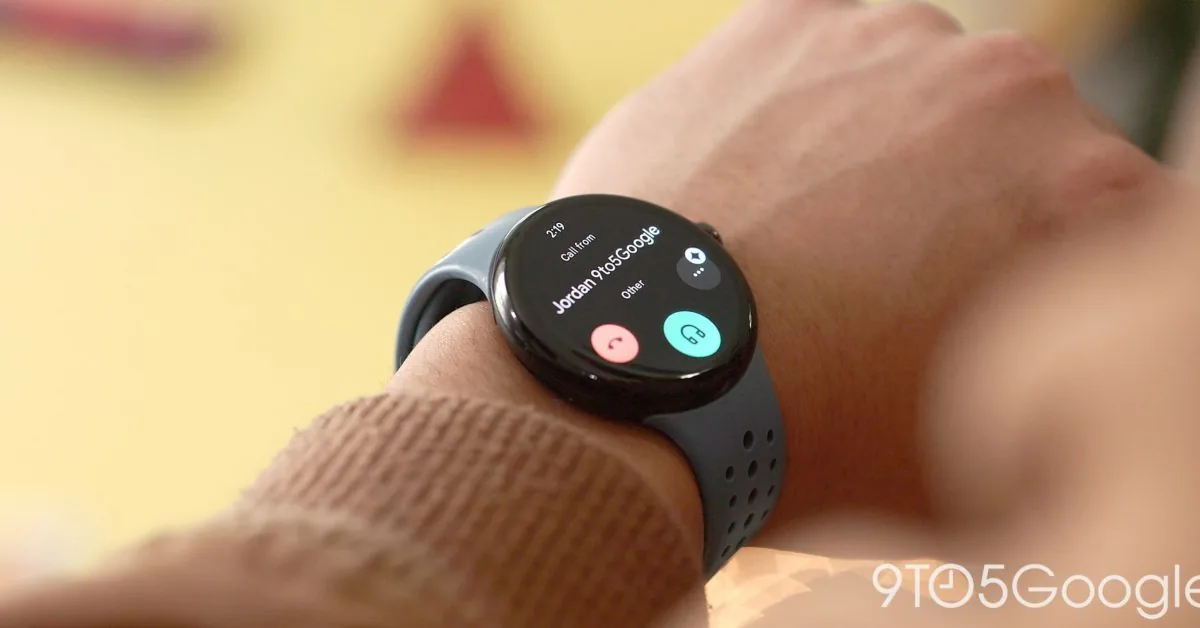
While Safety Signal is going away, Google made clear that its standalone safety features will still work through other connection methods [2]. Wearers can continue using the Safety app on both the Pixel Watch and Pixel phones to run Safety Check, share their status with Emergency Sharing, or call for help with Emergency SOS. Fall Detection also stays functional across all supported hardware. The key change is that the watch now needs a phone nearby, an internet connection, or a paid cellular line to send those signals out.
Anna Washenko explained for Engadget that watch owners can still use these tools while connected to a local WiFi network or paired to a phone over Bluetooth [1]. If a runner keeps a smartphone in a pocket, the watch can relay distress messages through the phone’s connection without issue.
Users can also set up a paid cellular line with a wireless carrier to restore independent LTE calling on the wristband. That option keeps standalone safety alive, but it adds a monthly wireless bill for the watch. Hardware pricing often influences whether smartwatch buyers pay for cellular plans, as seen when a price discount arrived for Pixel Watch hardware on retail shelves. Many users chose to buy LTE watches during promotions, yet avoided paying carriers extra monthly fees because Safety Signal covered their basic emergency needs. Without that complimentary service, owners who want cellular freedom must pay carrier fees.
Questions Over 911 Calls on Pixel Watch Safety Signal
The decision to shut down the feature has sparked questions among tech enthusiasts who wonder how emergency calling rules apply to smartwatches [2]. In a top comment on 9to5Google, a reader named GoldCone asked, “How will this affect these devices ability to contact 911?” GoldCone said that cellular devices that can place voice calls are generally expected to complete 911 emergency calls regardless of whether they have a carrier plan. That question touches on a real concern for users who assume all cellular hardware can dial emergency services.
Smartwatches handle voice calls differently from standard smartphones, and Google has clarified that safety tools will need an alternative connection once Safety Signal ends [1, 2]. Without a carrier profile or phone bridge, the watch modem can’t complete outgoing calls on its own. That distinction makes the loss of Safety Signal noticeable.
As December 12 approaches, Pixel Watch 2 and Pixel Watch 3 owners must recheck their safety settings and decide how they will stay connected during outdoor workouts [1]. Those who want to keep emergency tools working without a smartphone will need to subscribe to a cellular plan with their mobile carrier. Others will simply start taking their handsets along on outdoor trips to ensure Emergency SOS and Fall Detection stay ready to help. The free cellular safety net was a useful bonus while it lasted, but its departure leaves smartwatch owners to build their own backup plans.
- ONLINE NEWS Washenko, A. (2026, October 8). Google is doing away with Safety Signal on Pixel Watch. Engadget. [Article Link]
- ONLINE NEWS Romero, A. (2026, October 8). Google is ending support for Pixel Watch’s emergency LTE ‘Safety Signal’. 9to5Google. [Article Link]
- ONLINE NEWS Android Authority. (2026, October 10). It’s official: Google sets the date for Pixel Watches losing Safety Signal. Android Authority. [Article Link]


