






Google announced a series of upcoming updates for its smart home hardware and software lineup on November 17, 2026. Stephen Schenck reported the news for Android Authority at 4:46 PM ET, noting that Google is expanding tools for connected homes. Starting in December, the Google Home app will show estimated heating savings for Nest Thermostat owners in the United States and Canada. The new software helps families track the cash value of scheduled climate changes during cold winter months [2].
Google Home App Estimates Energy Savings
Smart climate devices cut power use by lowering heat when rooms sit empty, yet users rarely see how much cash those small degree shifts save over time. How much money does a set schedule save over a full heating season? To answer that question for homes facing winter fuel bills, Google built a cumulative savings tool that adds up expected heating cuts based on real run times [2].
The new savings numbers will not hide in deep submenus. Google said the data will appear in the Google Home app inside the Climate space, on the main thermostat controller screen, and in the quick Favorites widget. Ben Schoon at 9to5Google reported Google’s official statement on the launch. “Starting in December, Nest thermostat owners in the U.S. and Canada can check the app to see estimated cumulative savings,” Google said in its release notes [3].
Beyond the savings figures, Google updated the controller layout so users can tap the Eco setting faster when walking out the door [1]. Android Authority reported that the update also fixes unit bugs by applying a chosen Fahrenheit or Celsius preference to every connected screen [2]. David Nield, reporting for TechRadar from Stockport, England, noted that Google wants to get its smart devices back on an even keel. Nield, who previously edited PC Explorer and The Hardware Handbook and wrote for PopSci, observed that smart home controls now link everything from climate dials to lights like Philips Hue White & Color Ambiance, Govee Wi-Fi LED Bulb, Govee Curtain Lights, and Philips Hue Twilight [1].

Support for Third-Party Matter Sensors
Wall units mounted in main halls often fail to read warmth in distant bedrooms. That heat gap leaves hot and cold spots in family homes [1]. Google addressed this issue on the Nest Learning Thermostat (4th gen) by supporting remote room sensors, but owners previously had to buy Google’s own pucks at $40 each. Starting in December, Google will open sensor pairing on the fourth-generation model to third-party hardware through the Matter smart home standard [2].
The move toward open Matter standards gives buyers cheaper options for whole-home climate control. Ben Schoon at 9to5Google reported that supported brands will include hardware from IKEA, Eve, and Aqara. This variety lets families select sensors that match their budget or existing smart home hubs. As Google stated in its release notes, “they can also balance hot and cold spots with compatible third-party room sensors with their 4th-gen Nest Learning Thermostat” without needing Google pucks in every room [3].
Sensor placement matters little if a thermostat cannot adapt to daily family routines. Android Authority pointed out that the upgraded Matter setup lets owners pick room priority based on the time of day. A family can tell the thermostat to track living room readings during dinner hours, then shift focus to an upstairs bedroom at night. That set schedule prevents heating empty spaces while keeping occupied bedrooms warm until morning [2].


HVAC System Alerts and Dynamic Farsight
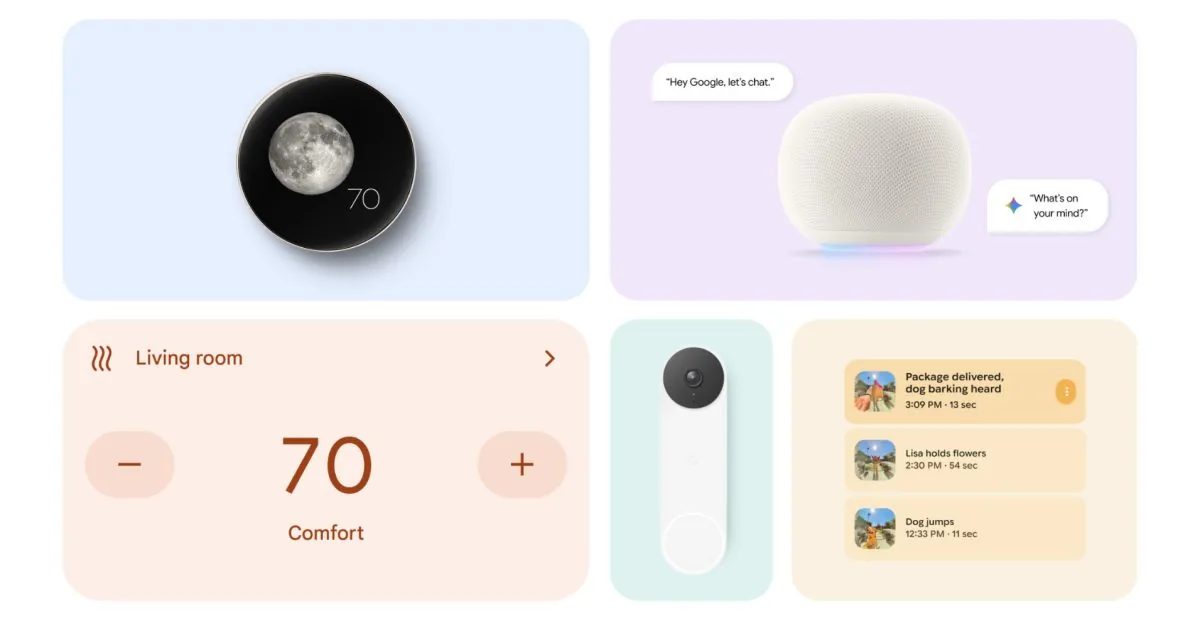
Beyond routine heating schedules, smart climate systems can check equipment before parts break down in freezing weather. Nest Thermostats will now warn owners about trouble with paired heat pumps or air-conditioning compressors. First previewed in June 2026, these HVAC health warnings reach users through automated emails, alerts in the phone app, and text shown on the thermostat screen [1, 2].
For wall devices seen every day, screen design matters as much as background tools. The fourth-generation Nest Learning Thermostat introduced Dynamic Farsight in 2024. Its bold dials stay easy to read from across a room [2]. Google will refresh that display setup this December with new art styles and an astronomical face that tracks the phases of the Moon right on your wall [1, 3]. Google described the update in detail: “Dynamic Farsight already lets you see the time, temperature, weather, and air quality from across the room, and starting this December, we’re rolling out new Dynamic Farsight faces with designs that match your aesthetics”. The software also adds seasonal looks on the Temperature dial, so the round screen mirrors changing outdoor seasons through the year [3].
These visual updates join hands with simpler controls to ease daily heating tasks. Stephen Schenck observed on Android Authority that easy Eco access and clear unit reporting prepare homes for winter. Proactive equipment alerts, third-party sensors, and clear savings numbers help families manage utility bills comfortably [2].
Google Home App Security Tools
Smart security hardware received several functional improvements in the same update window. People with supported video doorbells can now preview seasonal chime themes right inside the Google Home app. Users no longer need to walk outside to test a chime at the front door [1]. The update also sharpens how security cameras detect movement in yard spaces [3].
False motion alerts have long troubled users who place outdoor cameras near streets or driveways. Google solved those issues by tightening edge precision for Activity Zones on its newest wired cameras. Google stated: “we’ve tightened Activity Zone boundary precision on our newest wired cameras to significantly reduce false alerts from passing cars, animals, and motion just outside your zone borders”. Engineers also redesigned the camera settings page to put zone tools front and center, adding a save prompt on iOS so users do not lose custom borders by accident [3].
Subscribers to the Google Home Premium Advanced plan gain better audio context when cameras detect motion. Event summaries now include spoken alerts for sounds like breaking glass or barking dogs [1, 3]. Those sound cues give helpful context to saved video clips. On the web, users reviewing recorded clips gain faster video scrubbing and new keyboard shortcuts. Left and Right arrow keys skip back and forth in five-second jumps, or rapid clicks jump 30 seconds [1, 3].
Digital Wallet Keys and Gemini Updates
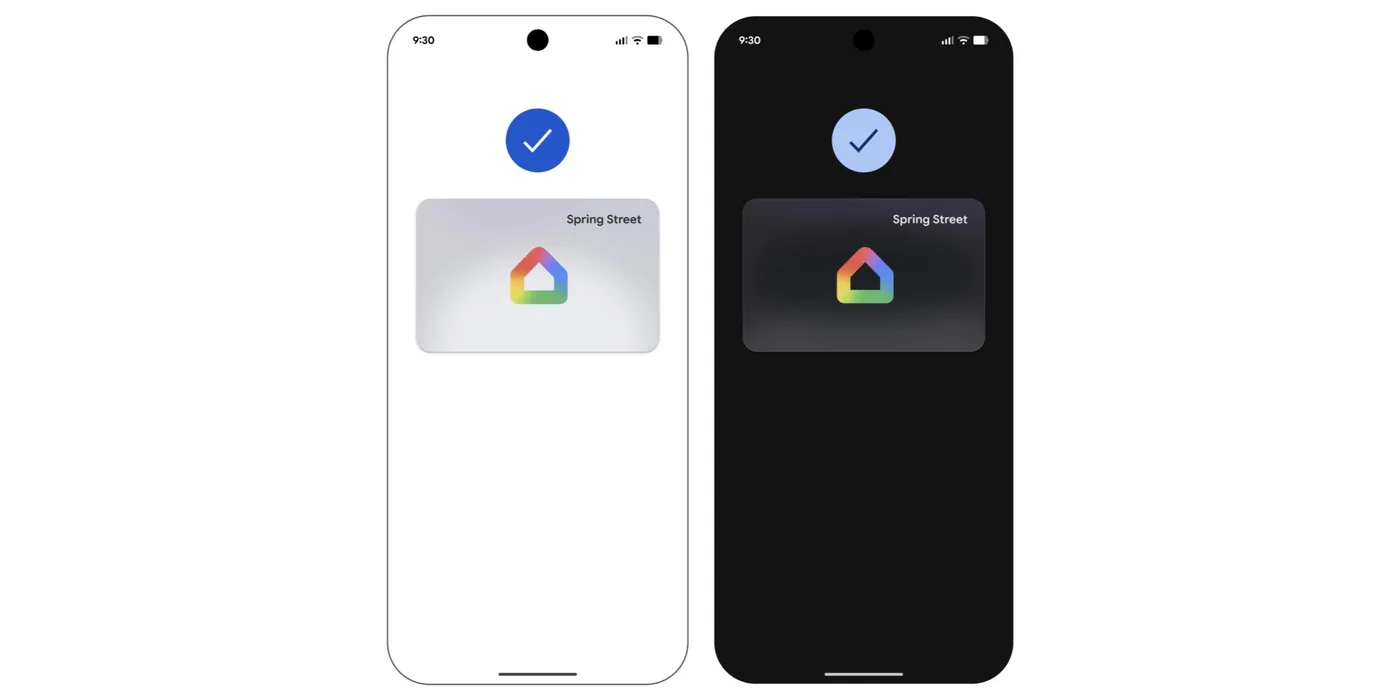
Door security links closer to mobile phones through an integration with Google Wallet. Announced last week, digital home keys let users unlock matching smart door locks by tapping their phone on the deadbolt [1, 3]. The system uses NFC and UWB wireless standards based on the Aliro specification. It supports owners of newer Pixel phones and select Samsung Galaxy models who prefer keyless front doors [3].
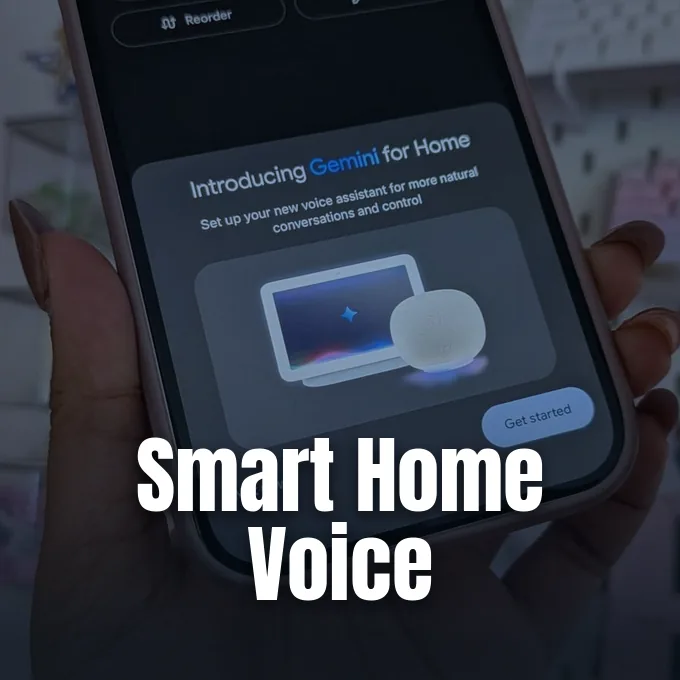
Google’s generative assistant is gaining speed while widening its reach around the world. Google reported that Gemini for Home now handles everyday voice requests up to 20% faster [1, 3]. That speed boost cuts delays when users trigger lighting routines or check device status. Engineers also cut interference from background chatter, making microphone pickups far more reliable in lively family rooms. Starting in December, Gemini for Home will launch in six new countries: India, Taiwan, Singapore, Colombia, South Korea, and Brazil [1, 3].
These updates show Google refining its smart home ecosystem across climate tools, home security, and AI services. While some power users prefer to shift voice control to Home Assistant to keep local automations off remote cloud servers, Google continues adding practical features to keep mainstream homes happy in its unified app. By pairing Matter sensor support with transparent heating cost tools, the upcoming December release delivers real value just as cold winter weather tests home heating systems [2].
- ONLINE NEWS Nield, D. (2026, November 18). Another batch of Google Home updates are arriving — and Nest Thermostat owners get the biggest new features. TechRadar. [Article Link]
- ONLINE NEWS Schenck, S. (2026, November 17). Google Home app will show estimated Nest Thermostat energy savings next month. Android Authority. [Article Link]
- ONLINE NEWS Schoon, B. (2026, November 17). Google confirms huge list of new Home features, including three Nest Thermostat upgrades. 9to5Google. [Article Link]


