




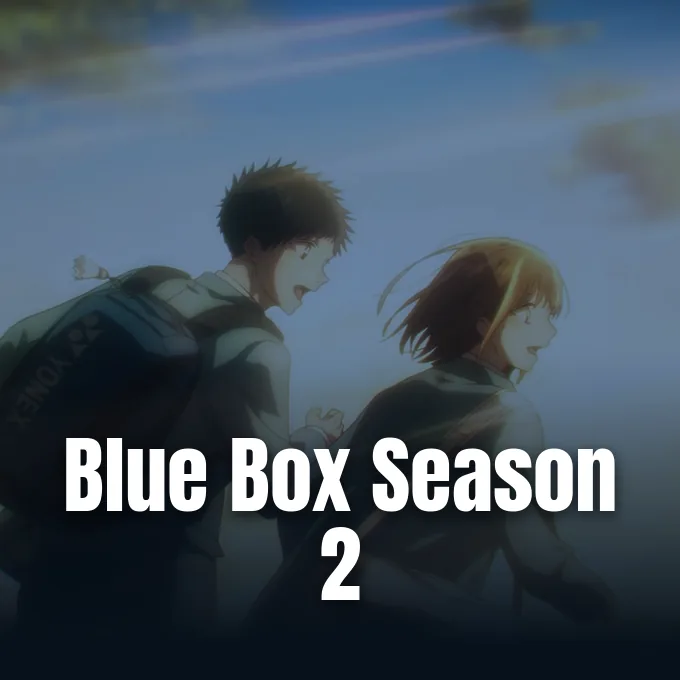
TMS Entertainment published the creditless opening and ending sequences for Blue Box Season 2 on YouTube following the television debut of the anime on October 4, 2026. The clean video releases introduce a new production studio and fresh creative staff as singer aiko provides the opening song while band elsewhere kikou performs the ending track. Both sequence videos are now streaming on the official TMS Entertainment YouTube channel so viewers can watch the animation and listen to the soundtrack without on-screen credits [1, 2].
TMS Entertainment Releases Blue Box Season 2 Theme Songs
The official TMS Entertainment YouTube channel shared both creditless sequences shortly after the television broadcast to showcase the music that accompanies the return of the story. aiko performs the opening song. Her track “Anata no Hana no Iro” pairs energetic pop rhythms with animated scenes of the main cast training in the school gymnasium, while removing on-screen credits gives fans an unobstructed view of the character motion and the soft morning light that filters into the practice halls [1].
The band elsewhere kikou performs the ending. Their song “blue in” provides a quieter tone for the closing credits of each episode, following the characters during quiet evening walks after practice finishes. It’s a gentle track that contrasts with the fast pace of badminton and basketball matches [1].
Music choices often shape how viewers connect with sports anime, and distinctive theme songs give tournament journeys their emotional weight. Other sports adaptations have used memorable theme releases to build excitement before seasonal returns, similar to how Ace Diamond Act 2 unveiled new theme songs to signal a fresh chapter of athletic rivalry. Releasing clean sequence videos online lets fans revisit their favorite animation cuts without pausing past television title cards, creating a convenient format that gives the music room to shine on its own [1].

New Studio and Creative Leads Guide the Production
Production duties shifted to a new animation house for the second season. Telecom animated season one. Studio Electric Circus is animating the new episodes, taking over the project from Telecom Animation Film to open a fresh visual chapter for the franchise [1].
Leadership behind the camera changed as well for the new season. Daisuke Sako directs the new season. He takes over from previous director Yuichiro Yano, overseeing the visual staging as the story moves between quiet romantic moments and fast-moving athletic rallies that demand crisp timing. When sports anime switch directors, keeping the emotional core of the characters balanced with court action is never simple, but the new team focuses on clean character expressions and fluid racket motion so the matches keep their tension, while Sako guides the animators to ground every exchange in real gym acoustics and high school energy [1].
Key creative staff members returned from season one. Yuko Kakihara handles series composition, supervising the script adaptation for each episode arc, while Miho Tanino returns as character designer to keep character proportions and school uniforms consistent with earlier episodes. Composer Takashi Omama returned to craft the musical score, blending gentle acoustic melodies during conversations with energetic strings during badminton tournaments [1].


Original Cast Returns for Blue Box Anime Season 2
The central voice actors returned to reprise their roles for the new season. Shoya Chiba voices Taiki Inomata. Chiba captures the boy’s quick inner monologues, self-doubt, and earnest desire to improve on the badminton court, while Reina Ueda voices Chinatsu Kano, bringing a warm but mysterious tone to the older basketball player whose quiet discipline keeps Taiki motivated during early morning training sessions [1].
Supporting roles feature the original cast members as well. Akari Kito plays rhythmic gymnast Hina Chono, Chiaki Kobayashi voices Taiki’s friend Kyo Kasahara, Kana Ichinose plays Ayame Moriya, and Yuma Uchida voices badminton rival Kengo Hanyu. The cast keeps school banter lively and natural [1].
Voice acting carries much of the story’s charm because Taiki’s inner thoughts run at high speed. Chiba delivers those quick shifts between panic, athletic determination, and teenage awkwardness with great comedic timing, so the dialogue never feels stiff. When Taiki talks with Chinatsu, Ueda’s calm responses highlight the gentle distance between an older student and a younger athlete trying to earn her respect, avoiding loud melodramatic confrontations because both actors make small conversations in gym doorways feel meaningful. It doesn’t rely on theatrical shouting, and that vocal consistency anchors the series as new personal conflicts unfold in the gym [1, 2].
Sports and Romance Collide in the First Episode
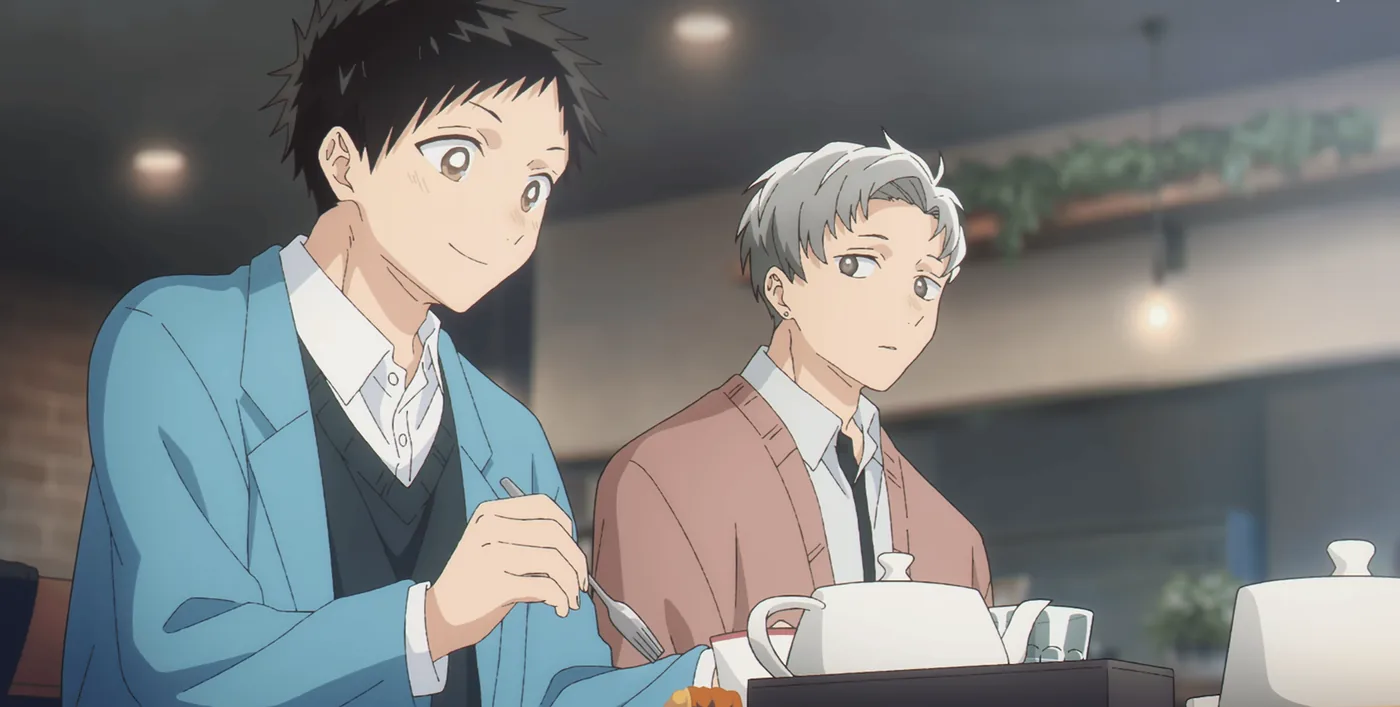
Season two picks up where the first ended. Taiki made his choice after an emotional finale, and he moves forward with his feelings now that earlier misunderstandings have cleared up, leading Chinatsu to join him on a shopping trip to purchase sports clothes before stopping at a cafeteria [2].
What begins as a cheerful outing quickly runs into complications when the two students run across Matsuoka, an acquaintance of Chinatsu who also harbors feelings for her and turns their conversation into a silent competition. Matsuoka talks about shared acquaintances from past years, bringing up a girl named Yumeka who used to play basketball with Chinatsu, which causes a strange reaction. Taiki lost against Haryū. Matsuoka points out that loss, testing the boy’s confidence while Chinatsu stays completely devoted to basketball, having stayed behind in Japan for an entire year when her family moved overseas to keep training for the nationals. Balancing athletic goals with a budding romance won’t be easy for either student, but their mutual respect began on the court [2].
In sports anime, qualifying for the nationals and maintaining a healthy romance are both demanding goals that consume huge amounts of time and mental energy. It isn’t simple to balance morning practices, tournament pressure, and teenage dating, yet the characters stay grounded because sports brought them together in the first place, and young athletes can’t put their feelings on hold when tournament deadlines arrive. Netflix streams the new episodes [2].
Manga Origins Anchor the Blue Box Second Season
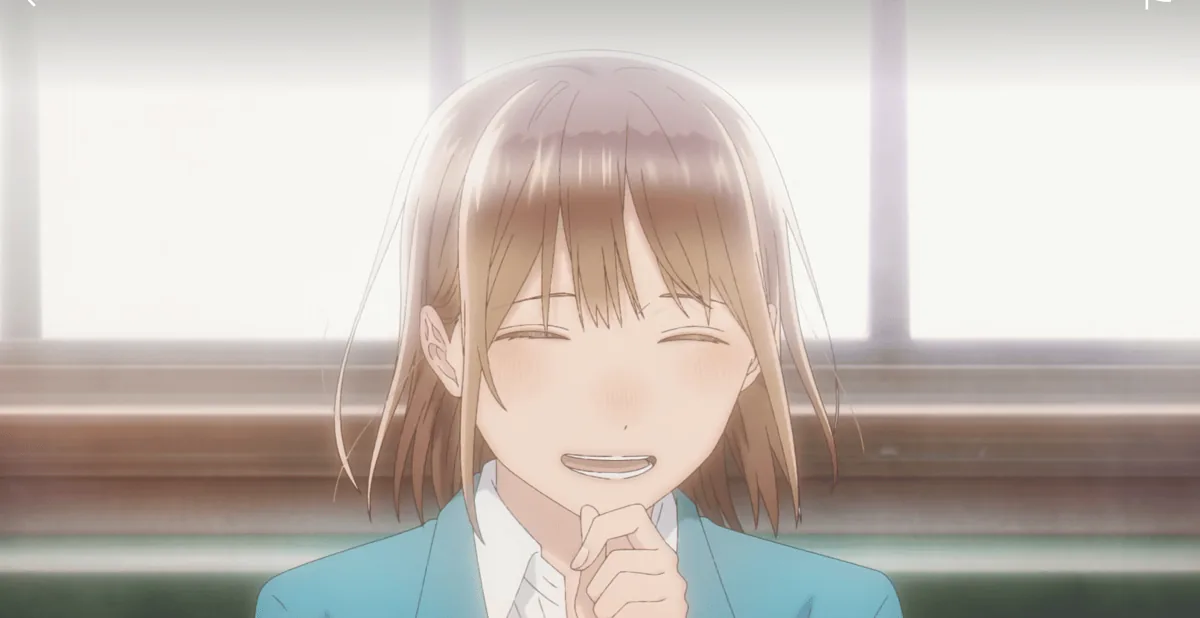
The anime is based on the manga created by Koji Miura for Shueisha’s Weekly Shonen Jump magazine. Miura launched the series in April 2021. The story reached 24 published volumes as of February 2026, providing the television production team with a rich library of chapters to adapt for the screen [1].
Digital service MANGA Plus summarizes the central premise of Miura’s manga: “Taiki Inomata is on the boys’ badminton team at sports powerhouse Eimei Junior and Senior High. He’s in love with basketball player Chinatsu Kano, the older girl he trains alongside every morning in the gym. One Spring day, their relationship takes a sharp turn … And thus begins this brand-new series of love, sports and youth!”. That premise avoids flashy supernatural elements, choosing instead to focus on realistic sweat, gym shoes, and early morning routines [1].
As the second season gets underway, the series continues to explore how young athletes manage winning drive with personal affection [1, 2]. Tracking audience interest during seasonal broadcasts reveals how much fans appreciate genuine sports romance, much like when summer anime rankings captured shifting viewer interest among top-ranking series. With new creditless themes streaming on YouTube and Studio Electric Circus handling animation, Blue Box Season 2 gives viewers plenty of heartfelt moments to follow this fall [1, 2].
- ONLINE NEWS Jovanovic, M. (2026, October 4). Blue Box Season 2 Creditless Opening and Ending Videos Revealed. Anime Corner. [Article Link]
- WEBSITE Gaheret. (2026, October 5). Blue Box S2 Review: Taiki and Chinatsu’s Next Chapter. Beneath the Tangles. [Article Link]


