




The commercial race of Jujutsu Kaisen vs Kagurabachi reached mainstream American bookstores this September as Japanese serials secured leading positions on national sales charts. Anime News Network reported that Gege Akutami placed two separate volumes on the prestigious monthly ranking. Does this ongoing surge show how deeply Shonen action dominates Western reading habits? The cross-fandom energy of jujutsu kaisen x kagurabachi reflects an appetite that lifted Akutami’s opening volume to number seven on the monthly Graphic Books and Manga bestseller list compiled by The New York Times. [1]
Bestseller Ranks for Jujutsu Kaisen vs Kagurabachi
The New York Times published its monthly Graphic Books and Manga bestseller list in early August, tracking robust retail demand across independent comic shops, regional bookstores, and major national retail chains. Gege Akutami’s celebrated manga Jujutsu Kaisen captured seventh place with its first volume. That same introductory book maintained the number seven spot throughout August tracking. Graphic novels command major retail attention. The persistence of volume 1 confirms that fresh readers continue discovering the franchise through physical trade paperbacks even years into its publication cycle. [1]
Both Shonen hits proved their retail strength. Kagurabachi vs Jujutsu Kaisen demonstrates how emerging serials interact with established hits on commercial charts. [1]
The New York Times introduced its first updated Graphic Books and Manga bestseller category in October 2019, creating a dedicated ranking for illustrated long-form storytelling across domestic physical bookshops. Debates comparing Jujutsu Kaisen vs Kagurabachi reflect how manga enthusiasts monitor graphic novel popularity across Western retailers. The newspaper’s category (the specialized category established for graphic storytelling) tracks sales across physical bookshops nationwide. Readers embrace serialized adventure. Japanese comics frequently dominate this curated roster because North American audiences consistently purchase printed editions to build permanent home libraries. [1]
Dual Chart Presence for Gege Akutami
Akutami accomplished a rare publishing feat. While volume 1 secured seventh place on the August chart, the 30th volume of Jujutsu Kaisen ranked at number nine in the very same monthly tally. Landing two separate installments (representing volumes 1 and 30) within the top ten demonstrates simultaneous demand from opposite ends of a story’s lifespan. Veteran readers flocked to secure the latest climactic battles while curious newcomers purchased the beginning. Simultaneous top-ten placements for an opening volume and a landmark 30th volume highlight an extraordinary retention rate that few contemporary comic series ever replicate in overseas markets. [1]
The August rankings also made room for supernatural horror from emerging creators beyond standard battle fiction. The first volume of The Summer Hikaru Died claimed the number 15 spot during the same sales cycle. Conversations tracking Jujutsu Kaisen vs Kagurabachi highlight that diverse manga subgenres can succeed together in American retail spaces. Atmospheric rural dread and psychological suspense captured buyers looking for eerie mysteries. Mainstream bookstore chains positioned these distinct narratives side by side, proving that reader appetite extends across psychological supernatural drama as well as hyper-kinetic martial arts encounters. [1]
Retail performance across late summer provided concrete figures for graphic novel distributors. With volume 1 holding #7 and volume 30 securing #9, Gege Akutami accounted for two of the fifteen bestselling graphic books nationwide. Retailers ordered additional print runs to satisfy ongoing foot traffic. Bestseller lists rarely feature both an opening issue and a 30th compilation simultaneously, underlining how effectively the series converts casual viewers into committed physical book collectors. [1]


Why Jujutsu Kaisen Proves So Popular
Readers examining why jujutsu kaisen is popular frequently point to Gege Akutami’s intense pacing and meticulous battle logic. Can a serialized dark fantasy sustain massive commercial power across thirty compiled volumes without losing creative intensity? The manga crafts complex supernatural skirmishes where sorcerers must outthink their monstrous opponents through intricate tactical planning rather than relying on sudden emotional awakenings. Every clash involves tactical risk and permanent consequences. That deliberate narrative discipline keeps audiences invested through lengthy tournament arcs and catastrophic urban conflicts. [1]
When curious newcomers ask whether is jujutsu kaisen any good, the commercial record provides tangible proof of widespread narrative engagement across diverse reader demographics. Akutami weaves dark fantasy elements with rapid comedic exchanges, building an emotional core that anchors intense action sequences. Readers connect with cast members who face severe peril in hostile combat environments. The storyline avoids predictable safety nets, creating genuine unpredictability whenever major antagonists enter the frame. Because narrative outcomes remain uncertain and danger feels authentic, each new compilation generates substantial bookstore anticipation that translates into sustained chart performance on national bestseller tallies month after month. The ongoing commercial momentum demonstrates how deeply readers value consistent storytelling quality across extended serialized runs. [1]
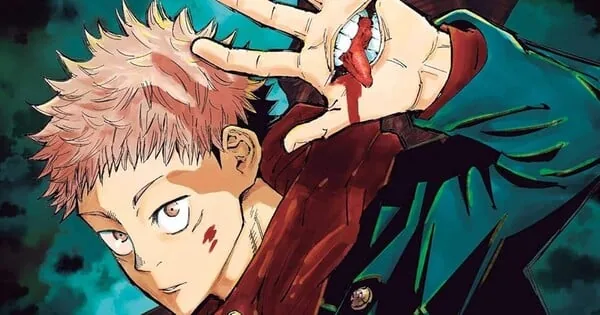
A foundational jujutsu kaisen plot summary focuses on sorcerers confronting grotesque supernatural curses born from accumulated human grief and terror. The ongoing momentum surrounding Jujutsu Kaisen vs Kagurabachi underscores how compelling power systems, high stakes, and relentless tactical combat drive modern graphic novel consumption in overseas markets. Akutami balances philosophical questions regarding duty, mortality, and power against explosive physical martial arts choreography. Those thematic layers elevate standard serialized conflict into an engaging psychological study that appeals to adult graphic novel readers. [1]
Print Bestsellers Contrast Weekly Broadcast Charts
Physical bookstore sales measure reader loyalty in ways that volatile broadcast ratings cannot capture. While weekly streaming audiences fluctuate across television broadcast schedules—as explored in our coverage of the summer anime rankings—printed manga volumes represent durable retail investments by loyal readers. Purchasing a physical graphic novel requires deliberate consumer spending. That financial commitment anchors a title within the literary marketplace. Anime adaptations often spark initial curiosity, but sustained retail rankings prove that the illustrated printed format retains standalone artistic appeal for North American consumers. [1]
Digital streaming ecosystems provide rapid access to serialized entertainment. Why do readers purchase physical graphic novels when digital streaming offers instant access to animated adaptations? The physical medium offers tactile ownership, detailed uncompressed line art, and contemplative reading pacing that rapid weekly screen broadcasts simply cannot reproduce for dedicated graphic novel collectors. Bestseller tracking mechanisms (tracking weekly audience share versus monthly retail tallies) distinguish between fleeting internet viewing trends and physical book ownership. Collecting physical volumes creates tangible connection to an author’s unfiltered visual craft. [1]
Print sales tell a different story. Industry observers examining Jujutsu Kaisen vs Kagurabachi point out that bookstore rankings evaluate long-term reader investment rather than temporary online buzz. When buyers spend hard-earned funds on physical books, publishers gain the confidence needed to license further international titles. The presence of Japanese manga on The New York Times list solidifies sequential art as an essential component of modern graphic literature. [1]
Expanding Shonen Hits and Manga Announcements
Publishing updates across Japanese magazines introduced two new manga series from Uoto, the acclaimed creator behind Orb: On the Movements of the Earth (which streams on Netflix). Uoto will launch Hallucination Meat in Shogakukan’s Weekly Big Comic Spirits magazine while partnering with Kyō Yoneshiro on Test Taker/Cheaters. Creative innovation thrives across diverse editorial departments. Japanese publishers continuously roll out ambitious serialized stories to capture prospective international audiences across print and digital mediums. [1]
The New York Times created its dedicated graphic novel category in October 2019 to reflect changing consumer reading patterns across the United States. Retailers embraced the new chart immediately. Establishing this specialized monthly classification gave comic books and serialized manga a prestigious platform to demonstrate their true commercial scale. Monthly rankings allow graphic narratives to compete transparently against one another, illuminating reader tastes across fantasy, horror, and action genres. [1]
Other publishing houses reported major milestones during the same late summer window. Kodansha’s Morning magazine confirmed that Motohiro Den’s geopolitical consultant manga Funsō Deshitara Hatta made (If It’s a Conflict, Leave it to Hatta), which launched in 2019 focusing on Yuri Hatta, will receive a television anime adaptation. Editorial departments also spotlighted serialized favorites such as Hirohiko Araki’s Steel Ball Run following Johnny and Gyro, with action-romance tales like MARRIAGETOXIN following Gero. Serialization momentum continues unabated. [1]
Physical book purchases demonstrate lasting commitment. As discussions around Jujutsu Kaisen vs Kagurabachi continue to excite the manga community, the presence of Japanese titles on The New York Times bestseller list marks an enduring shift in the global publishing landscape. Gege Akutami’s double ranking confirms that strong character arcs and dynamic battle choreography transcend linguistic boundaries. Illustrated storytelling has claimed an undeniable position at the center of international popular culture, ensuring that upcoming monthly tallies will command eager attention from readers worldwide. [1, 2]
- ONLINE NEWS Anime News Network. (2026, September 15). Jujutsu Kaisen, Kagurabachi, More Manga Rank on NYT September Bestseller List. Anime News Network. [Article Link]
- ONLINE NEWS Anime News Network Newsroom. (2026, September 15). Jujutsu Kaisen, Kagurabachi, More Manga Rank on NYT September Bestseller List. Anime News Network. [Article Link]


