



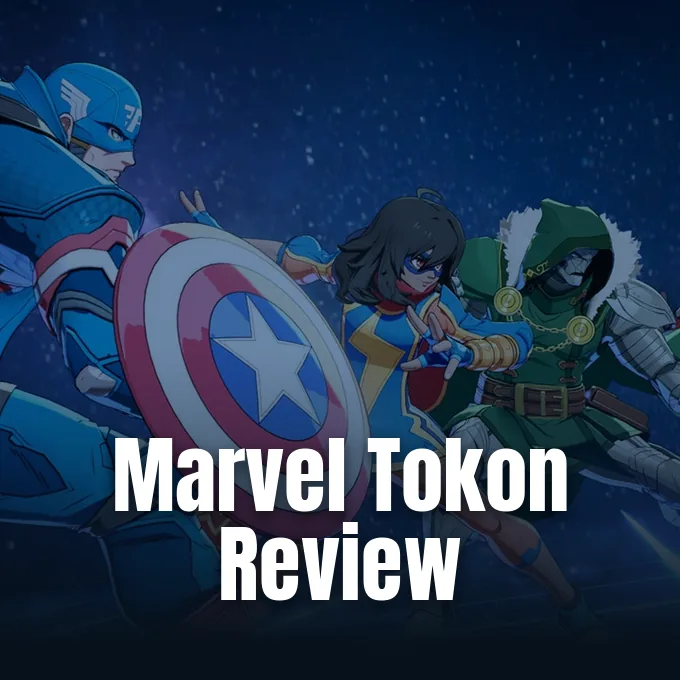
Arc System Works and Sony Interactive Entertainment have launched Marvel Tokon Fighting Souls on PlayStation 5 and PC, bringing frantic four-versus-four superhero combat into a comic-inspired arena [1]. The studio reimagines traditional tag dynamics by connecting entire squads to a single shared lifebar. Does an ambitious fighting system manage to balance competitive depth with accessible casual play? Early critical assessments praise the fluid action and anime presentation while highlighting technical launch stumbles on PC [2].
Marvel Tokon Fighting Souls Rewrites Tag Mechanics
In Marvel Tokon Fighting Souls, the battle system introduces significant departures from established genre conventions [1]. Rather than cycling between separate health gauges for individual teammates, players navigate matches with a single unified pool of vitality [3]. This structural choice prevents eight-character bouts from dragging into exhausting wars of attrition. Combat moves fast. The design allows beginners to treat the experience almost like a one-on-one duel with assist calls, while skilled veterans orchestrate complex rotations during active offensive pressure [2].
Matches unfold with deliberate pacing constraints because teams do not begin with all four warriors unlocked [2]. Each bout opens with only the chosen point leader and an initial assist partner ready for action. To summon remaining allies, competitors must complete specific combat milestones (such as driving an opponent into a wall splat transition), connecting dedicated auto-combos, or forfeiting a round to secure defensive reinforcements [8]. Unlocking allies expands the team’s overall vitality and builds the Assemble Gauge, which regulates how frequently players can summon assists or perform defensive Assemble Counters during high-pressure exchanges [1].
Arc System Works balances execution barriers by offering traditional motion inputs with a streamlined one-button system reminiscent of Granblue Fantasy Versus: Rising [5]. Newcomers can execute special skills instantly at the cost of modest damage reductions, whereas dedicated tournament players rely on manual inputs to maximize combo efficiency. Universal combo structures like light, medium, heavy, and down-heavy launch strings ensure that learning a basic sequence carries over across the entire cast [4].

Assembling Iconic Roster From Earth-358
The narrative backdrop unfolds across a fresh anime-inspired comic continuity designated Earth-358 (diverging from the traditional comic timeline), separating these events from mainstream Marvel Earth-616 canon [3]. Arc System Works assembled a launch roster of over twenty fighters, reinterpreting familiar superhero icons through distinct Japanese character design aesthetics. Captain America strides into battle sporting a stylized helmet insignia and a rugged field jacket, while Green Goblin alternates between frantic ground brawling and aerial attacks from his glider [4].
Every character feels distinct.
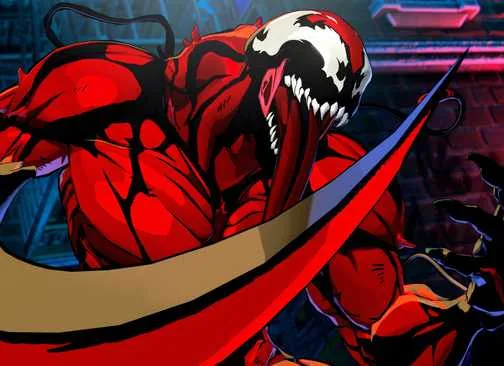
In Marvel Tokon Fighting Souls, roster variety thrives because characters occupy specialized roles across Leader, Shooter, Vertical, and Assault designations. Spider-Man excels at aerial mobility by zipping between web lines to bait anti-air reactions, Storm controls neutral space using long-range wind gusts, and Carnage lashes out with vicious extended tentacles [2][3]. Meanwhile, Peni Parker dominates the screen with heavy mechanical drones, and Deadpool acts as an affectionate tribute to the wider fighting game community by quoting iconic special moves from rival fighting franchises [2][5]. Some critics noted puzzling roster omissions like The Fantastic Four and Thor, yet the playable personalities offer tremendous tactical diversity [6][7].

Five Distinct Story Episodes and Solo Challenges
Single-player content centers on an original story campaign penned by veteran comic writer Kieron Gillen, structured around five distinct graphic novel episodes [2]. The cosmic threat known as The Champion and his flamboyant Promoter force Earth’s greatest warriors to compete in high-stakes combat to decide the fate of the planet [3]. Each episode follows a pre-set squad of four heroes: The Fighting Avengers, The Unbreakable X-Men, The Amazing Guardians, Samurai Outriders, and Knights of Doom [2][8].
The episodes come alive through motion comics illustrated by renowned artists, including Hiro Mashima of Fairy Tail and Betten Court from My Hero Academia: Vigilantes [2]. Completing each one-hour narrative unlocks an additional character for standard modes, rewarding solo progression in a manner reminiscent of classic arcade brawlers [4]. Why prioritize comic styling? The narrative delivers charming character interactions—ranging from Peter Parker managing leadership anxieties to Ghost Rider grappling with demonic vengeance—that capture comic book storytelling without taking themselves too seriously [2][6].
Solo enthusiasts can also explore All-Star Arena branching courses or tackle an intense 100-round Survival mode that grants exclusive character color palettes upon completion [3][4]. In contrast, the chibi-styled Arcadia Rumble mode drew mixed reviews from critics, who described it as a lightweight party distraction where collecting stat-boosting cards in an interactive lobby failed to provide meaningful competitive depth [7][8]. The extensive combo trials earned widespread praise, challenging players with damage-threshold puzzles that inspire genuine lab creativity [1].

Online Matchmaking and Rollback Netcode Divide
Multiplayer competition remains the primary arena for Marvel Tokon Fighting Souls, yet launch week exposed stark differences between console and computer hardware. On PlayStation 5, matches run at a crisp 60fps backed by responsive rollback netcode, supported by virtual lobbies accommodating up to 64 players at interactive arcade cabinets [5][8]. Consoles offer consistent stability. Dedicated PlayStation Tournaments integrated into the main menu allow console users to join competitive ladders smoothly from their living rooms [4].
The PC launch suffered from pronounced technical hurdles [1]. Reviewers testing the title on powerful desktop configurations (such as an Nvidia GeForce RTX 3070 paired with an AMD Ryzen 9 3900XT and 32GB RAM) encountered sudden frame drops and jarring rollback spikes during ranked bouts. Furthermore, the PC version lacks support for Linux and Steam Deck, restricting handheld enthusiasts from bringing casual competitive setups to local fighting gatherings [5].
Sony’s mandate requiring a PlayStation Network account created additional controversy by locking players out across dozens of countries where the service remains unsupported. How did the competitive player base respond? Frustrated PlayStation users frequently disabled crossplay options to avoid unstable matches against stuttering PC opponents, inadvertently shrinking matchmaking pools for legitimate computer players [1][5]. While recent software patches from Arc System Works resolved launch crashes for several outlets, online stability across PC configurations still requires sustained attention [2][4].
Critical Consensus Weighs Mechanics Against Netcode
Despite early platform discrepancies, critical reception for Marvel Tokon Fighting Souls stands exceptionally high across major review aggregators. OpenCritic recorded an impressive 86 Top Critic Average and a 94 percent recommendation rate, earning the title a Mighty classification [3][6]. Reviewers widely praised the electrifying musical score composed by Toma Otowa, Melissa Reese, Brain, STROBES, Daisuke Ishiwatari, Alissa White-Gluz, and Norichika Sate, celebrating its high-energy anime fusion [3].
Anime News Network reviewer Grant Jones assigned an overall B+ grade to the title, commending its approachable systems while remarking on coverage trends seen in their review of Victoria of Many Faces [1]. The core game retails at $59 on PlayStation 5 and PC, with a $99 Ultimate Edition packing the base title and scheduled Year 1 downloadable content [5][8]. Fighting game veterans of 35 years commended the title as one of the genre’s finest achievements since Street Fighter 6, pointing to its welcoming entry curve as an ideal model for team-based battlers [2][8].
Arc System Works has created an inventive, accessible superhero brawler that revitalizes competitive comic gaming for modern audiences [3]. If post-launch development continues resolving PC netcode turbulence, Marvel Tokon Fighting Souls will comfortably secure its place as a lasting staple within the global tournament circuit [2][6].
- ONLINE NEWS Jones, G. (2026, September 19). Marvel Tokon Fighting Souls Game Review. Anime News Network. [Article Link]
- ONLINE NEWS Saltzman, M. (2026, August 11). Marvel Tokon: Fighting Souls Review. IGN. [Article Link]
- ONLINE NEWS Warner, E. (2026, August 12). Marvel Tōkon: Fighting Souls Review: The Best Marvel Fighting Game in Over a Decade. DualShockers. [Article Link]
- ONLINE NEWS Makar, C. (2026, August 14). Marvel Tōkon: Fighting Souls Review. Eurogamer. [Article Link]
- ONLINE NEWS Taylor, M. (2026, August 14). Marvel Tokon: Fighting Souls Review. PC Gamer. [Article Link]
- ONLINE NEWS Foster, G. (2026, August 12). Marvel Tokon: Fighting Souls Is The Best Fighting Game Of 2026. TheGamer. [Article Link]
- ONLINE NEWS Cooper, D. (2026, August 11). Marvel Tokon: Fighting Souls Review. GameRant. [Article Link]
- ONLINE NEWS Polanco, T. (2026, August 12). Marvel Tōkon: Fighting Souls Review. Tom’s Guide. [Article Link]


