






Can high doses of a dissociative drug shut down voluntary movement while leaving the mind awake? Ketamine, synthesized in 1962 by chemist Calvin Stevens at Parke-Davis and approved in 1970 as a clinical anesthetic (Ketalar), produces conscious distance by blocking glutamate signaling across cortical pathways. While clinicians value the medication for maintaining airway reflexes during surgical anesthesia, recreational ketamine users often face motor immobilization when high doses overwhelm sensory circuits [1].
What Is a Ketamine User?
A ketamine user consumes an uncompetitive NMDA receptor blocker that disrupts ordinary signals between the brain and skeletal muscles, separating conscious thought from physical action. In regulated medical care, anesthesiologists employ the chemical to deliver sedation while preserving steady breathing and airway reflexes during emergency surgeries or bone repair [1]. Outside healthcare facilities, people experiment with powder formulations to seek euphoria, visual distortion, or temporary escape from emotional strain. Nicholas Conn, founder of Help 4 Addiction who published the recovery book “The Thin White Line” in 2013 and has been clean since 2009, said that untreated depression and emotional trauma drive most self-medication habits. Conn noted that people turn to the substance as an unguided mental escape to dull chronic psychological suffering [4].
Conn said that using the compound without medical guidance masks underlying psychiatric conditions rather than healing them, leading people into escalating cycles of chemical tolerance. As neural receptors adapt to ongoing exposure, a ketamine user needs larger amounts to generate the same level of relief, which multiplies the likelihood of total motor collapse. In truth, mental habits form quickly as users begin prioritizing drug acquisition over personal responsibilities and daily obligations [4].
How Does Ketamine Affect People?
Ketamine alters human awareness by binding to glutamate receptors in the central nervous system, blocking signals between the cerebral cortex and peripheral nerves. Dr. Ryan Marino, an emergency physician and toxicologist at Case Western Reserve School of Medicine, described the substance as an uncompetitive receptor blocker that acts like a chemical stop signal. When the compound occupies ion channels, sensory inputs fail to reach conscious awareness through normal thalamic pathways. Dr. Marino said that while the medication serves as a routine sedative in emergency rooms for setting bone fractures or managing agitated patients needing continuous sedation, unmonitored use creates sensory disconnection that strips away voluntary body control. Users remain awake but cannot control their bodies [2].
The molecular target of the drug is the glutamatergic NMDA receptor, a protein complex in neural membranes that governs synaptic plasticity and learning. By inhibiting these channels, subanesthetic doses stimulate downstream glutamate release, triggering AMPA receptor activation and neurotrophic signaling [1]. Dr. John Krystal, Chair of Psychiatry at Yale School of Medicine, noted that this cascade promotes synaptic growth in patients battling major depression. “The detrimental effect on the brain of growing up with severe treatment-resistant depression is far worse than the whatever risk that we associate with the very sporadic dosing of these low doses of ketamine,” Krystal said [2].

While low clinical doses help rebuild synaptic pathways, unregulated street dosing floods the brain with excess glutamate, causing cognitive disarray. This shift differs from behavioral dopamine surges, though people often study resetting dopamine pathways to learn how chemical habits alter motivation. High receptor occupancy silences motor planning areas in the frontal lobes, meaning ketamine users lose the capacity to move limbs or speak [1].
Why High Doses Immobilize Ketamine Users
The history of the compound explains why high doses trigger total muscular immobility. In the 1950s, Parke-Davis scientists developed phencyclidine as an anesthetic, but its prolonged surgical delirium prompted organic chemist Calvin Stevens to synthesize ketamine in 1962 as a safer alternative. Human trials proved that the newer molecule produced effective surgical anesthesia and pain suppression while safeguarding breathing and cardiac rhythm. Approved by the FDA in 1970 under the brand name Ketalar, the drug became a staple for trauma surgery on battlefields during the Vietnam War, where medics relied on its ability to keep wounded soldiers quiet and still without depressing respiratory drives [1].
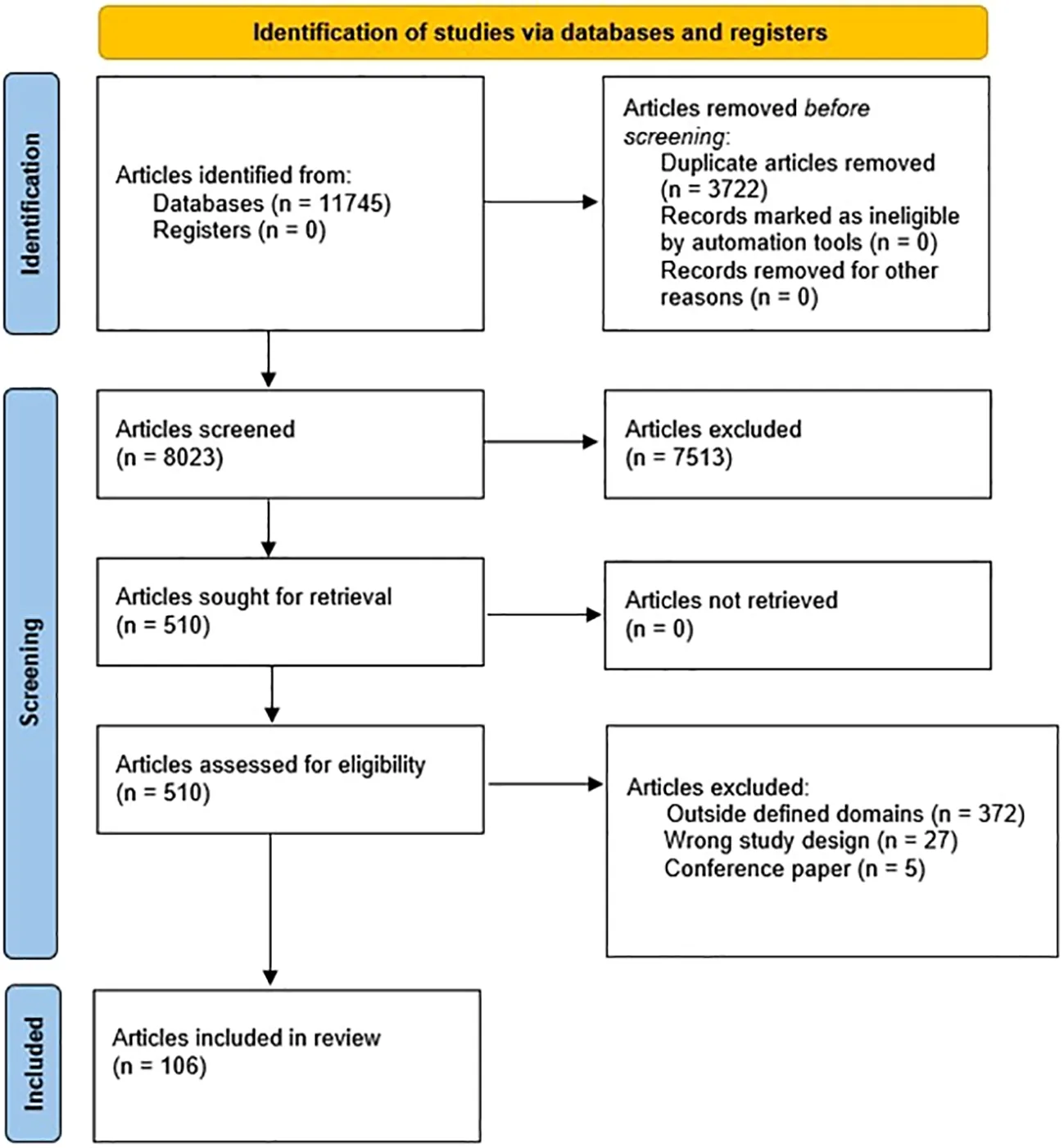
In a detailed review published in Frontiers in Psychiatry in 2026, researchers Matthew M. Kinney and Zackary L. Bowers synthesized 106 peer-reviewed studies from 11,745 database records using PRISMA reporting standards. Their analysis showed that ketamine alters large-scale brain networks, including the default mode network, which coordinates self-referential thought and bodily awareness. When higher amounts enter the bloodstream, deep inhibition of NMDA receptors shuts down communication between motor planning regions and the spinal cord. The person remains awake behind closed eyelids, yet voluntary movement becomes neurologically impossible [1].
New users face heightened danger because their nervous systems possess zero baseline tolerance. An inexperienced person sniffing illicit powder cannot measure milligrams with precision, meaning a single intake can trigger an acute catatonic state. Emergency teams recognize this freeze response as a biological reflex where heart rate drops and breathing slows [5].

Sensory Detachment and the K-Hole State
In recreational street terminology, complete sensory detachment and physical helplessness is known as falling into a k-hole. Laura Smart, an addiction specialist at Rehab Clinics Group, described the k-hole as an overwhelming state of dissociation where people feel totally detached from reality while sensory perception warps beyond recognition. People trapped in this state report auditory distortions, visual hallucinations, and a complete inability to interact with their immediate environment. Smart said that the inability to move limbs or speak causes intense panic and helplessness for users who did not expect such deep paralysis. This turns casual experimentation into a frightening ordeal [3].
At the chemical level, ketamine exists as a chiral molecule with two mirror-image enantiomers known as (S)-ketamine and (R)-ketamine. Research synthesized by Kinney and Bowers demonstrates that (S)-ketamine has roughly four times greater binding affinity for the NMDA receptor than its (R)-counterpart. This higher potency drives deeper motor paralysis in clinical settings. (R)-ketamine exhibits a longer elimination half-life and may generate more durable antidepressant outcomes in preclinical testing, but (S)-ketamine sees wider clinical adoption due to its predictable pharmacokinetic curve. When street powders contain unbalanced racemic mixtures or high concentrations of (S)-ketamine, sensory processing collapses within minutes [1].
The resulting state blurs the boundary between sensory input and internal cognitive processing. While researchers study neurochemical pathways like serotonin hormone regulation to understand affective disorders, ketamine bypasses monoamines to act at glutamate gates. For recreational ketamine users, this produces vivid out-of-body illusions while paralyzing somatic motor responses [3].
Why Ketamine Users Face Escalating Risks
Beyond acute immobilization, repeated consumption of dissociative powders damages organ systems over extended periods of misuse. Laura Smart of Rehab Clinics Group noted that ongoing consumption causes bladder fibrosis and urinary tract ulceration, leading to painful urination, chronic bleeding, and loss of urinary control. The condition, known clinically as ketamine cystitis, develops because drug metabolites irritate the epithelial lining of the bladder wall. As mucosal tissues thicken and lose elasticity, bladder storage capacity shrinks, forcing some young patients to undergo bladder repair surgery. This damage causes lasting physical harm [3].
Tolerance develops rapidly, compelling users to take ever-larger quantities to recreate feelings of dissociation. Rehab Clinics Group reported that ketamine has an elimination half-life of 2.5 hours, meaning the body metabolizes most active chemical traces within approximately 10 hours. However, diagnostic toxicology tests can detect residual markers long after clinical effects fade. Traces remain identifiable in blood samples for up to 24 hours, in saliva for 72 hours, in urine for up to 30 days, and in hair follicles for up to 90 days. This slow elimination timeline creates metabolic accumulation in daily users, accelerating organ harm [3].

High-profile overdose fatalities have placed these chemical hazards under public scrutiny. Actor Matthew Perry died in 2023 with elevated ketamine levels in his system, while public figures like Elon Musk have openly acknowledged using the drug for mood management. Legal authorities have also confronted misuse in predatory crimes; New York prosecutors recently reopened a sexual assault case at Cornell University after a student known as Jane Doe alleged fraternity members pressured her into snorting ketamine before assaulting her. These tragedies illustrate that when ketamine users lose consciousness, they become vulnerable to trauma, respiratory failure, and predatory harm [2].
Clinical Supervision Separates Therapy From Overdose
The sharp contrast between therapeutic breakthrough and dangerous overdose depends entirely on medical supervision and dosing control. The U.S. Food and Drug Administration approved esketamine nasal spray, marketed as Spravato, for treatment-resistant major depression, but the agency mandates that patients take doses inside certified clinics under two hours of post-administration observation [2]. In these monitored settings, healthcare teams track heart rate, blood pressure, and mental orientation, ensuring that dissociative sensations resolve safely without risk of respiratory depression or aspiration. This structure keeps patients safe from adverse clinical events [1].
In contrast, recreational environments offer no clinical safeguards, turning a delicate therapeutic window into a life-threatening gamble. People consuming unverified street powders cannot predict chemical purity or dosage strength, increasing their vulnerability to motor freeze and airway obstruction [5]. When people face compounding dependence, specialized addiction clinics offer structured care to support long-term recovery, starting with medically supervised detoxification to manage mental withdrawal symptoms such as agitation, confusion, and insomnia [3].
Support organizations connect people with residential centers throughout the recovery process. Organizations like Help 4 Addiction offer confidential assessments to guide families toward appropriate clinical care [4]. Rehab Clinics Group provides structured treatment access by phone at 0800 470 0382 or text at 83222. Early clinical intervention enables people to stop destructive habit loops before bladder damage becomes irreversible [3].
- ACADEMIC JOURNAL Kinney, M. M., & Bowers, Z. L. (2026). Ketamine in psychiatry: a systematic review of clinical applications, safety considerations, and emerging challenges. Frontiers in Psychiatry, 17. [Article Link]
- ONLINE NEWS Hale, R. (2026, October 2). The Cornell rape case has put ketamine in the spotlight. What is it? USA TODAY. [Article Link]
- WEBSITE Smart, L. (2025, January 31). Recreational use of ketamine: Understanding the risks. Rehab Clinics Group. [Article Link]
- WEBSITE Conn, N. (2024, January 14). Why do people take ketamine? Top 5 reasons explained. Help 4 Addiction. [Article Link]
- ONLINE NEWS News Room. (2026, October 10). Why ketamine immobilizes some users. CommsTrader. [Article Link]
- ONLINE NEWS The New York Times. (2026, October 10). Why ketamine immobilizes some users. The New York Times. [Article Link]
- ONLINE NEWS Grabien News. (2026, October 10). Why ketamine immobilizes some users. Grabien News. [Article Link]
APA 7: TWs Editor. (2026, October 11). Why Ketamine Immobilizes the Body and Disconnects Users. PerEXP Teamworks. https://perexpteamworks.com/en/ketamine-users-immobility-brain-effects/


