





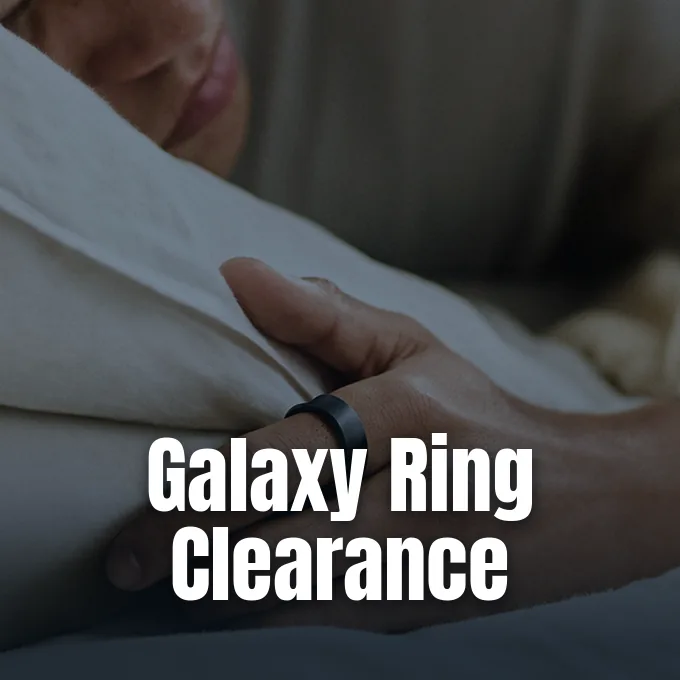
Samsung secured regulatory clearances on November 3, 2026, when American and South Korean health officials approved refreshed breathing tracking tools for the Galaxy Ring sleep apnea rollout [1]. The green light from the Food and Drug Administration (FDA) and the Ministry of Food and Drug Safety (MFDS) lets Samsung offer nighttime breathing disruption alerts on a finger-worn ring, with a parallel release for the Galaxy Watch 9 and Galaxy Watch Ultra 2. Aamir Siddiqui wrote on Android Authority that the software turns passive vitals into structured health records inside the Samsung Health Monitor app [3]. Samsung originally previewed the feature during Galaxy Unpacked this past summer, promising that wearable sleep apnea tracking would reach consumers before winter [1].
FDA Clears Galaxy Ring Sleep Apnea Detection
Securing medical authorization took years of review from federal health agencies in the United States and South Korea. Samsung first secured De Novo clearance from the FDA in February 2024 for the Galaxy Watch, following an earlier 2023 clearance from the MFDS in South Korea. That original clearance only covered symptoms of moderate to severe obstructive sleep apnea, and the software did not reach consumers on a Galaxy Watch until 2025 [1, 2]. The refreshed detection algorithm, which gained FDA clearance in July 2024 before this November launch, tracks breathing pauses over multiple nights rather than providing an isolated assessment [2, 3].
Samsung said the update expands preventative care tools to people who wear rings instead of smartwatches. In an official announcement, Samsung stated that the Galaxy Ring is now “the first and only” smart ring to offer sleep apnea risk detection with regulatory clearance [1]. Steve Dent reported on Engadget that De Novo classification applies to novel health products that have never appeared on the commercial market and present no danger to patients [2]. Navigating these health reviews in Washington and Seoul allowed Samsung to launch the feature on schedule [1].
Nickolas Diaz reported on Android Central that South Korea’s MFDS acted first on smartwatch approvals in 2023, whereas U.S. consumers waited until 2024 for the FDA to act. November 2026 brings both territories together under the same update [1, 3].
How the Overnight Detection Algorithm Works
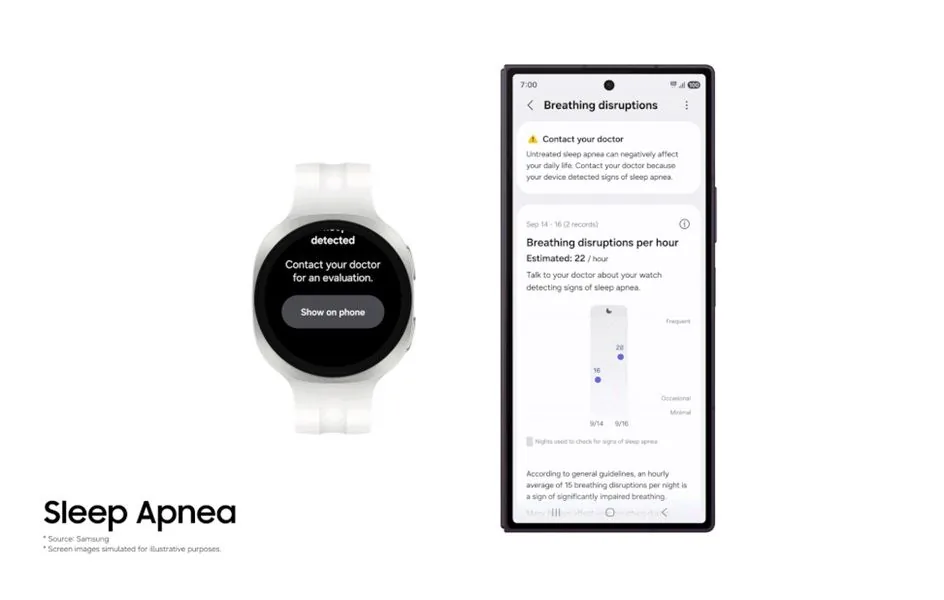
The software enables Galaxy Ring sleep apnea detection by relying on artificial intelligence to assess breathing disruptions and relative blood oxygen drops while users rest [2, 3]. Wearers do not need to run manual diagnostics each evening. Instead, the system asks users for “two nights of monitoring within a 10-day period,” with each session lasting at least five hours. After the ring collects sufficient sleep data, the Samsung Health Monitor app processes the readings to determine whether normal airflow paused [1, 2].
Older sleep tracking tools often delivered a binary notification when breathing seemed irregular [3]. Samsung’s revised algorithm sorts disruption frequency into specific groups, showing users whether their patterns appear mild, occasional, or frequent. It monitors breathing disruptions for every hour of sleep, converting sensor vitals into clear data that patients can share with a doctor [2, 3]. Nickolas Diaz said in Android Central that these detailed metrics help people understand the severity of their sleep disturbances before scheduling a clinical consultation [1].
Can a ring catch subtle breathing trouble? Samsung pulse sensors track oxygen drops from finger capillaries [1, 3]. That automated routine gathers sleep data without waking the sleeper [1].
Rollout Schedule for Galaxy Watch Devices
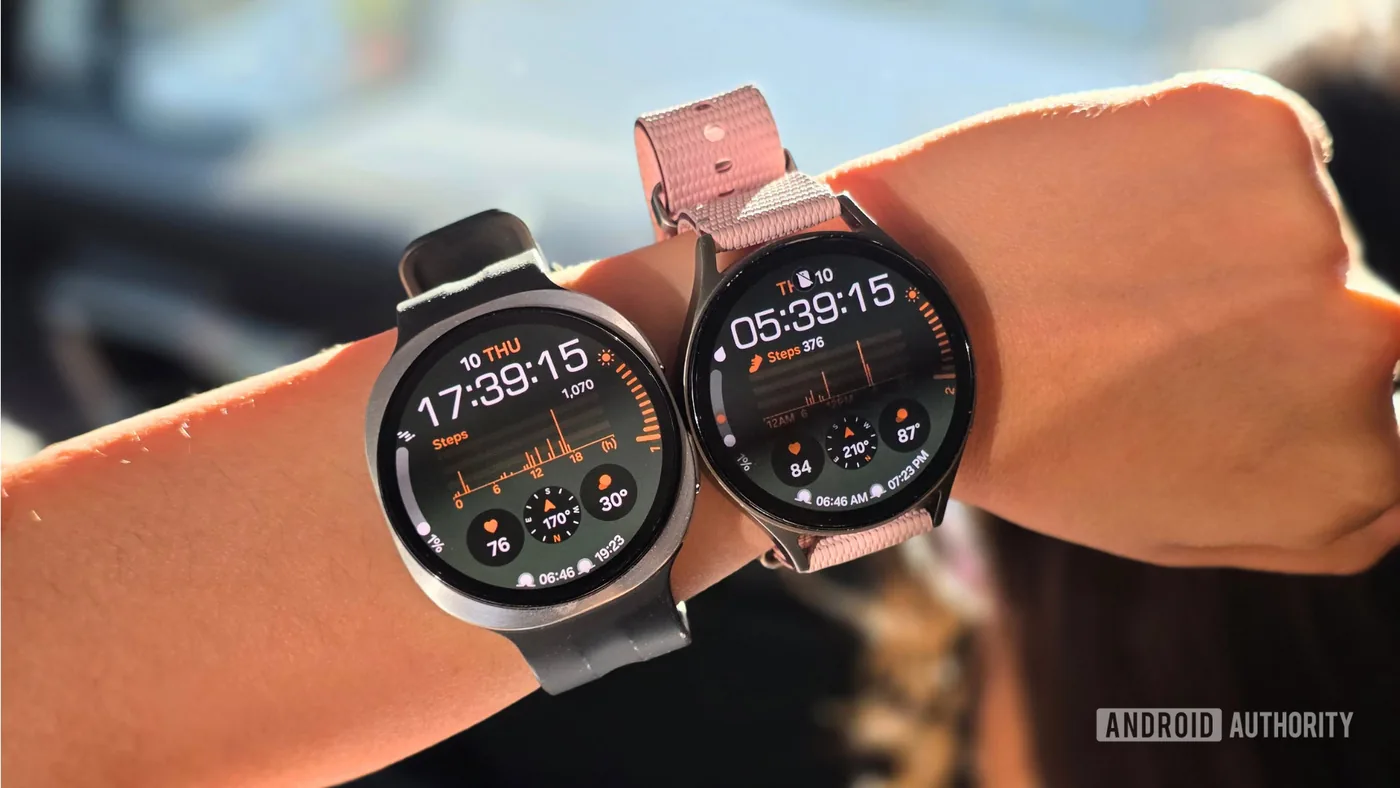
Beyond the smart ring, Samsung is distributing the sleep apnea update across its smartwatch portfolio [1, 3]. The feature arrives today on the Galaxy Watch 9 and Galaxy Watch Ultra 2 through a release inside the Samsung Health Monitor app [3]. On smartwatches, the software requires Wear OS 7.0 or later to run [1, 2]. Samsung designed the software to sync health data with connected Galaxy smartphones, letting users review overnight disruption scores without navigating watch menus [1, 3].
Owners of earlier Samsung smartwatches will also receive the sleep apnea algorithm through upcoming software updates. Samsung confirmed that the Galaxy Watch 7 and Galaxy Watch 8 are fully eligible for the software, though owners must wait for future firmware releases because Samsung has not yet announced a deployment date [1, 2, 3]. Older watches remain supported [1].
Distributing health tools across multiple hardware formats shows Samsung’s push to integrate watches and rings into a single wellness ecosystem. The wearable expansion fits into Samsung’s broader efforts to update the Samsung Galaxy hardware ecosystem with connected preventative health tools. Users who own both a Galaxy Watch 9 and a Galaxy Ring can wear either device to bed, and the Samsung Health Monitor app unifies their overnight scores under one profile [1, 3].
Comparing Galaxy Ring Sleep Apnea to Rivals
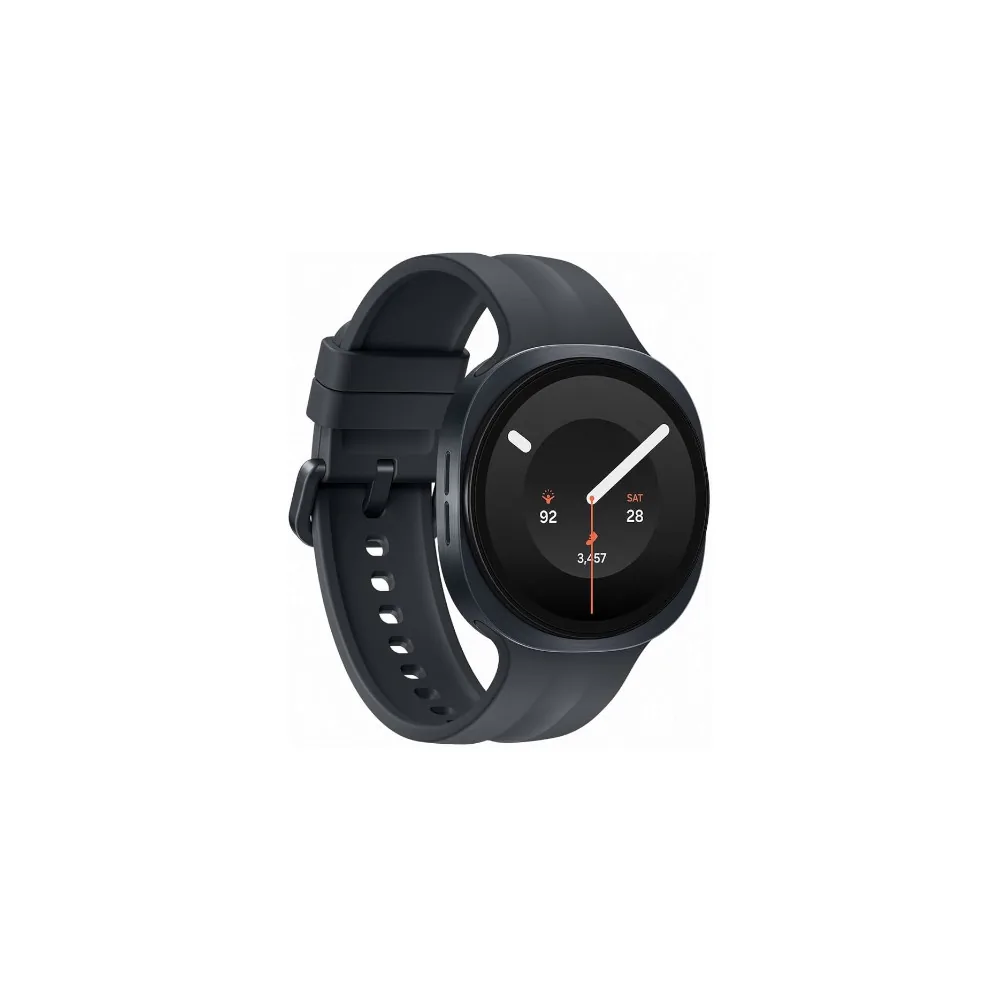
Hardware design matters. Many consumers prefer a smart ring because bulky smartwatches can feel heavy or warm during sleep, especially for restless sleepers who toss and turn throughout the night. A compact titanium ring stays comfortable [1, 3]. Aamir Siddiqui noted on Android Authority that some people dislike wearing watches to sleep, making a lightweight ring far more practical for continuous nightly monitoring [3].
Samsung’s main smart ring competitors, Oura and Superhuman, do not provide FDA-approved sleep apnea detection. While both competing rings can track nocturnal disturbances and variations in blood oxygen levels, neither manufacturer has secured clearance from health regulators to evaluate sleep apnea risks. By obtaining clearance from both the FDA in the United States and the MFDS in South Korea, Samsung gained an early regulatory lead in the smart ring category. Samsung stands as the only manufacturer selling a commercial device with authorized Galaxy Ring sleep apnea tracking [1, 2].
Market rivalry between these wearable manufacturers has also triggered courtroom conflict. Patent litigation between Samsung and Oura remains active, with a preliminary court decision expected soon. Steve Dent reported on Engadget that the legal dispute involves smart ring technology patents as both firms contest wearable market share [2].
Medical Guidance and Sleep Coaching Updates
Samsung reminds customers that consumer hardware does not substitute for a trained physician. The company stated that the Galaxy Ring cannot provide a formal medical diagnosis of sleep apnea on its own. Instead, Samsung said that data collected in the mobile app “can lead to productive conversations with healthcare professionals” who can evaluate symptoms in a medical setting. A doctor can examine the sleep disruption records and determine whether the patient needs an overnight polysomnography evaluation [1, 2].
Sleep apnea is an important medical condition that does more harm than good if left unchecked. The condition repeatedly interrupts normal breathing during the night, which explains why many affected individuals feel exhausted even after sleeping through the morning [1, 2]. By monitoring blood oxygen drops and breathing disruptions over two sleep sessions, the algorithm helps users identify signs of obstructive sleep apnea before complications arise [2, 3]. That early warning encourages people to seek professional medical care before daytime fatigue affects their health [1, 3].
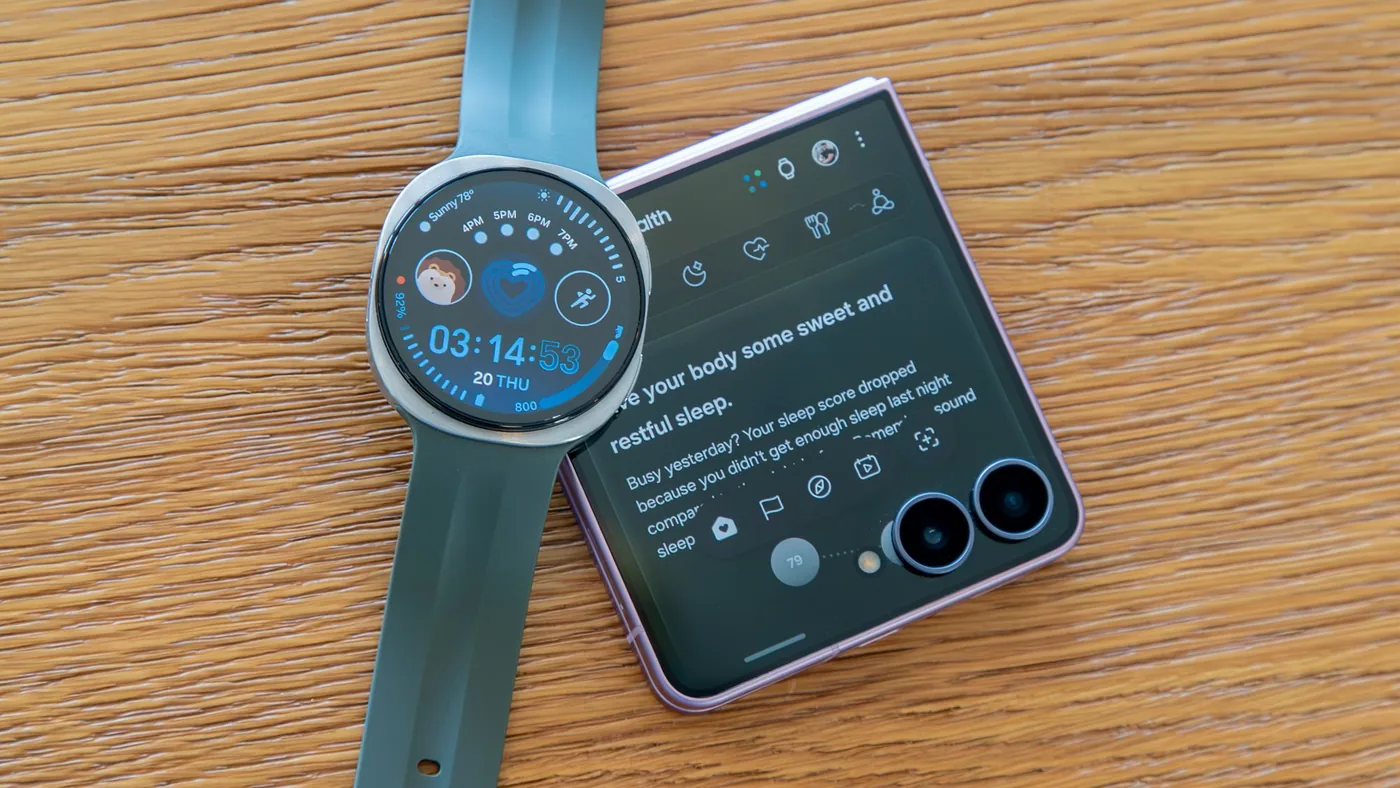
Samsung also updated its Sleep Coaching program inside the companion app. Steve Dent reported on Engadget that the revamped coaching feature needs less sleep history than earlier editions before producing tailored suggestions for user rest routines. Less data is needed. Pairing coaching advice with authorized sleep apnea tracking provides consumers with a complete set of digital tools to monitor nightly sleep patterns across the Samsung Galaxy ecosystem [1, 2].
- ONLINE NEWS Diaz, N. (2026, November 3). Samsung upgraded its Sleep Apnea detection—Galaxy Ring, Watch 9 are receiving it now. Android Central. [Article Link]
- ONLINE NEWS Dent, S. (2026, November 3). Samsung’s Galaxy Ring gets FDA approval for advanced sleep apnea detection. Engadget. [Article Link]
- ONLINE NEWS Siddiqui, A. (2026, November 3). Samsung’s upgraded sleep apnea detection is rolling out to Galaxy Watch and Galaxy Ring. Android Authority. [Article Link]


