






Japanese game maker Marvelous has announced a voluntary buyout program to trim 65 jobs from its consumer games business as larger project scopes and rising costs reshape console production. The Marvelous early retirement plan will accept applications from full-time and contract staff starting December 14, 2026. Staff who choose to leave will step down by the end of March 2027 with a lump-sum bonus and job search help. The decision comes even as the studio recorded sharp profit gains from its overseas console catalog earlier in the year [1].
Details of the Marvelous Early Retirement Plan
The workforce reduction targets the Consumer Business Division, which serves as the branch responsible for boxed and digital console titles rather than mobile software or live-service games. Applications open on December 14, 2026, and run through January 8, 2027. Both permanent staff and contract workers can apply for the program. Marvelous plans to finalize departures by March 31, 2027, which marks the end of its fiscal year. Employees who accept the offer will receive a special lump-sum retirement bonus along with direct job placement assistance to help them find work at other studios [1].
Trimming 65 workers cuts a notable portion of the core workforce at the Tokyo studio. Leadership said the studio must adapt because console projects need much larger teams and development timelines that often run for four or five years without bringing in revenue. This hybrid structure will pair creative leads with contract partners [1].
Despite the cuts, Marvelous insists that console games stay at the center of its long-term plan. The company said it will focus resources on strong original properties while adjusting team sizes to match the specific needs of each game. “The consumer business remains one of our core businesses,” the company said in its official statement. It added that teams will continue planning and building new games while refining current productions [1].
Longer Production Cycles in Console Games
The buyout offer follows a wider pattern in the games industry, where mid-sized publishers face steep production budgets. In its announcement, Marvelous pointed to expanding development scales and longer wait times between major game launches. “In the consumer game market, the business environment is changing, with development projects becoming larger in scale and development cycles growing longer,” the developer said [1].
The restructuring comes during an unusually profitable period for the publisher’s overseas business. Between April 2026 and September 2026, Marvelous posted a 1,105 percent jump in profit, propelled by steady catalog sales and strong digital performance in Western markets [2]. Older console releases and small indie projects found steady audiences abroad, proving that back-catalog depth can generate cash even between major retail debuts. Yet management recognized that short-term earnings from back-catalog licensing can’t shield a mid-tier studio from the steep costs of new game engines and expanded 3D art requirements. Building high-definition console software demands steady spending on custom tools, outside talent, and extended testing cycles that can drain cash reserves if a release slips past its target window. Studio leadership wants leaner teams before starting its next production wave.
To maintain steady output, the studio plans to pair core staff with outside support firms. Marvelous stated that it aims to “transition to a more flexible business and development structure by appropriately combining in-house development with collaboration with external partners, while also optimising our workforce to align with future business operations” [1]. Outsourcing visual assets and quality testing lets local leads focus on core design.


The Tencent Share Sale in July
The workforce restructuring also arrives on the heels of major changes to the company’s shareholder roster. Chinese entertainment giant Tencent acquired a 20 percent stake in Marvelous in May 2020, investing roughly ¥7 billion (about $65 million) to fund new intellectual property and expand existing brands [1]. At the time, the cash injection gave Marvelous the capital needed to pursue larger global projects and scale up production pipelines.
That partnership shifted over the following years as Chinese tech conglomerates reevaluated their overseas gaming portfolios. Reports emerged that Tencent was looking to exit several minority investments in Japanese game studios, though Tencent told industry reporters that it stayed committed to its local partners [1]. Despite those public assurances, Tencent sold off its entire 20 percent shareholding in Marvelous on July 31, 2026, severing all business ties between the two companies [4].
Losing a major backer forced Marvelous to rely on its own balance sheet during an expensive transition period. Without outside capital reserves, funding multi-year console budgets demands tighter financial discipline and reliable paths to profit. The voluntary buyouts offer a way to trim recurring payroll expenses without resorting to abrupt staff layoffs, giving the studio room to stabilize its operating cash flow [1].
Evolution of Story of Seasons
Much of the studio’s global reputation rests on the Story of Seasons farming simulation franchise. The series was originally created by game designer Yasuhiro Wada and developed by Victor Interactive Software, which launched the first title, Harvest Moon, on the Super Nintendo Entertainment System in 1996. Marvelous Entertainment acquired Victor Interactive in 2003, bringing the beloved rural life simulator into its core portfolio [3].
In Japan, the series has always been known as Bokujō Monogatari (literally “Farm Story”). For nearly two decades, American publisher Natsume handled English translation and distribution under the Harvest Moon name. That arrangement ended in 2012 when Marvelous chose to take control of global distribution. Because Natsume kept the trademark rights to the Western name, Marvelous rebranded the franchise as Story of Seasons in 2014 through its American subsidiary Xseed Games, while Nintendo published the game in Europe in 2015 [3].
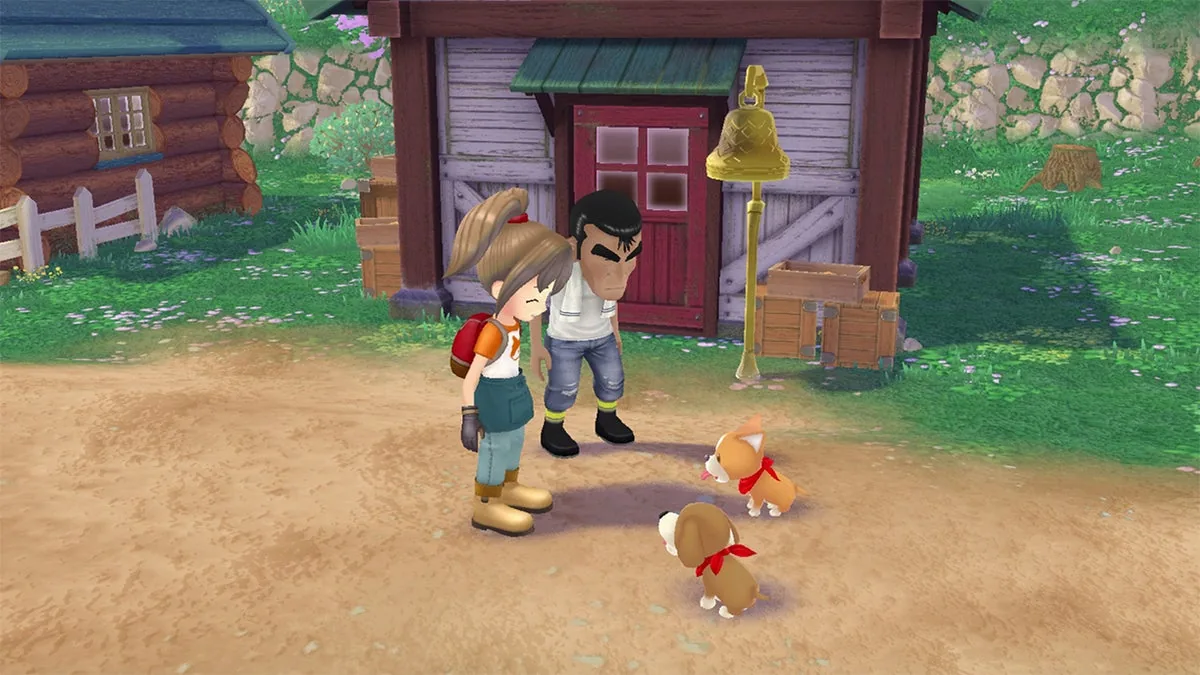
The core gameplay formula has stayed consistent through dozens of sequels and spin-offs. Players take over run-down family farms, clear land, sow crops, raise livestock, and build bonds with local villagers. Staple crops like turnips, potatoes, tomatoes, and corn have defined the farm routine since the 16-bit era [3]. Beyond standard handheld and console releases, Marvelous has also expanded the property into new hardware, introducing Story of Seasons VR for Meta Quest to test virtual reality farming. New entries also add seasonal festivals, pet care, and detailed crafting systems that expand player choices in every virtual calendar year. Protecting this flagship simulation stays at the center of the studio’s console strategy.
Studio Strategy Beyond the Marvelous Early Retirement
The ownership structure of Marvelous has evolved through multiple mergers since its founding in 1997. The current company took shape in October 2011 when Marvelous Entertainment merged with AQ Interactive and mobile firm Liveware to form Marvelous AQL, before shortening its name to Marvelous Inc. in July 2014. Over the years, the publisher absorbed development studios like Runtime and mobile firm G-Mode, building a varied portfolio that spans anime production and video games [4].
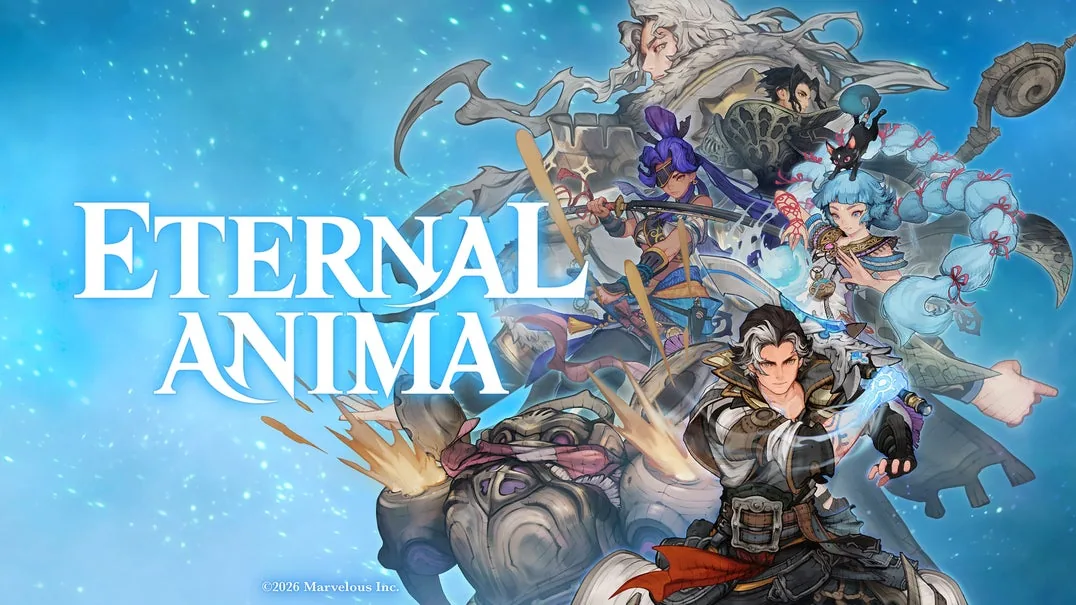
Despite trimming 65 roles under the Marvelous early retirement plan, the studio maintains a busy pipeline of unreleased console projects. During a digital showcase in May 2023, Marvelous unveiled several major projects currently in development, including original concepts like PROJECT MAGIA, PROJECT LIFE is RPG, and Daemon X Machina: Titanic Scion [4]. The publisher is also preparing its fantasy action title Eternal Anima, which debuted its announcement trailer during the September 2026 Nintendo Direct presentation [2].
Completing these upcoming titles will test whether a smaller internal staff paired with outside contractors can deliver complex games on schedule. By lowering fixed payroll costs before major projects ramp up, Marvelous hopes to keep its finances stable during long development periods. If the restructuring succeeds, the studio will preserve its independence while continuing to support its most cherished gaming franchises [1].
- ONLINE NEWS McEvoy, S. (2026, November 27). Story of Seasons studio Marvelous offering voluntary resignations to reduce headcount by 65 roles. GamesIndustry.biz. [Article Link]
- ONLINE NEWS Makar, C. (2026, November 27). Marvelous, developer of the Story of Seasons series, opens up voluntary redundancy scheme as it seeks to reduce headcount by 65 employees. Eurogamer. [Article Link]
- WEBSITE Story of Seasons. Wikipedia. [Article Link]
- WEBSITE Marvelous (company). Wikipedia. [Article Link]


