





Speaking on the Sources Podcast with journalist Alex Heath, Satya Nadella addressed the widespread turmoil across the gaming division, describing the ongoing Microsoft CEO Xbox streamlining efforts led by new executive Asha Sharma as ‘great to see’ despite mounting job cuts [2]. The executive endorsement arrived just days after another round of layoffs struck development studios [1]. The gaming division is currently 75% through an urgent restructuring plan that has already eliminated thousands of veteran developer positions across multiple international production teams [4].
Microsoft CEO Xbox Remarks Defend Division Streamlining
During the comprehensive broadcast on the Sources Podcast, Satya Nadella expressed striking optimism when host Alex Heath questioned him regarding brand stability and creative output. Nadella emphasized that he feels ‘fantastic’ about the company’s current intellectual property portfolio and its capacity to deliver major titles going forward [2]. Rather than expressing remorse for recent job eliminations, Satya Nadella praised division head Asha Sharma for implementing rigorous organizational discipline, asserting that such operational pruning is ‘great to see’. While earlier reporting examined Microsoft plans for new Xbox layoffs amid studio consolidation by focusing on immediate staff reductions, this latest Microsoft CEO Xbox discussion reflects an executive perspective centered entirely on long-term corporate health [1].
The buoyant tone from corporate leadership contrasted sharply with the somber atmosphere permeating internal teams who have witnessed consecutive downsizing initiatives across prominent regional studios throughout 2026. Reporting by Austin Wood highlighted how an id Software employee described the internal climate Inside Xbox, explaining that corporate communications focused relentlessly on demanding higher short-term profits while established development pipelines were dismantled. Austin Wood reported cuts [4].
Corporate priorities across Microsoft have gravitated decisively toward large-scale generative artificial intelligence investments, leaving entertainment units under heightened executive pressure to justify their capital requirements. GamesRadar+ analyst Austin Wood observed that this cheerful rhetoric resembles a C-suite equivalent of an NBA coach promising victory simply because talented players remain on the roster. Financial discipline now eclipses development continuity across first-party studios [4]. Executive directives governing the Microsoft CEO Xbox portfolio require gaming margins to approach enterprise cloud standards [3].
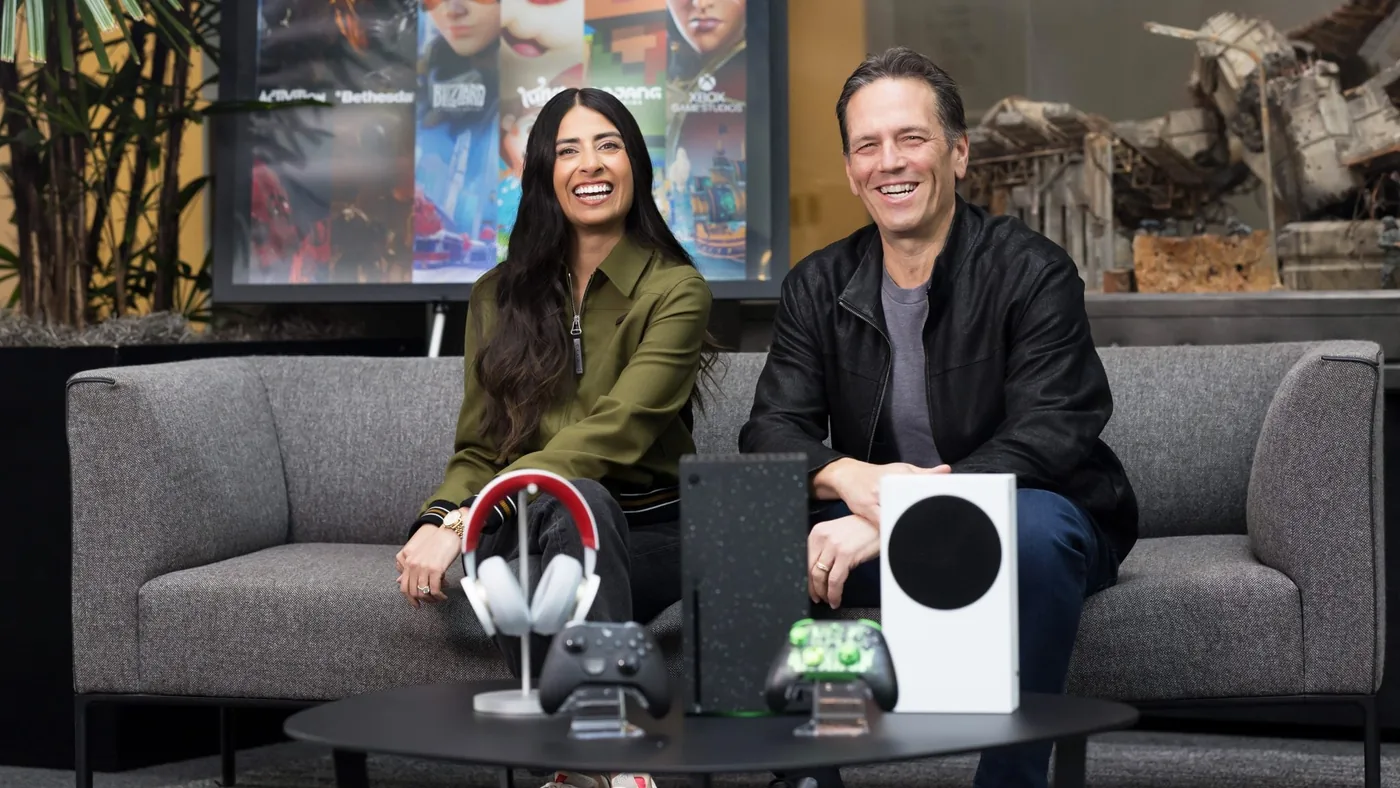
Studio Shakeups Shift Halo and Divest Creative Teams
The practical consequences of division consolidation quickly shook several prominent development organizations across the globe. Eurogamer reporter Vikki Blake confirmed another 268 staff terminations while reporting pointed toward the impending closure of acclaimed British studio Ninja Theory. These actions followed the sweeping summer overhaul announced by Asha Sharma, which affected 3,200 total workers with 1,600 departures executed immediately. The Microsoft CEO Xbox restructuring has profoundly reshaped the company’s overseas production footprint [1].
Rather than preserving its expanded studio roster, Microsoft allowed several acquired development groups to exit the ecosystem entirely. Acquired creators Double Fine and Compulsion Games negotiated their return to independent studio status during the restructuring wave. Meanwhile, Undead Labs suffered substantial staff reductions before successfully charting its own autonomous path toward independence. Personnel cuts also devastated World’s Edge, the dedicated creative group overseeing Age of Empires and Age of Mythology. Studio independence has served as an exit mechanism for teams outside core financial mandates [1].
Internal command structures shifted substantially among the remaining first-party brands following successive corporate reorganizations. Bethesda absorbed administrative management over Obsidian, while Playground merged operations with Turn 10 Studios. Most conspicuously, Microsoft assigned Rare, World’s Edge, and the cornerstone Halo franchise under the direct oversight and management stewardship of Activision Blizzard [1]. Detailed analysis of Activision taking over the next Halo game demonstrates how corporate leadership is mobilizing its largest acquisition to protect flagship properties. Publisher Activision Blizzard commands the flagship. The Microsoft CEO Xbox roadmap reallocates resources toward established multiplatform franchises [2].
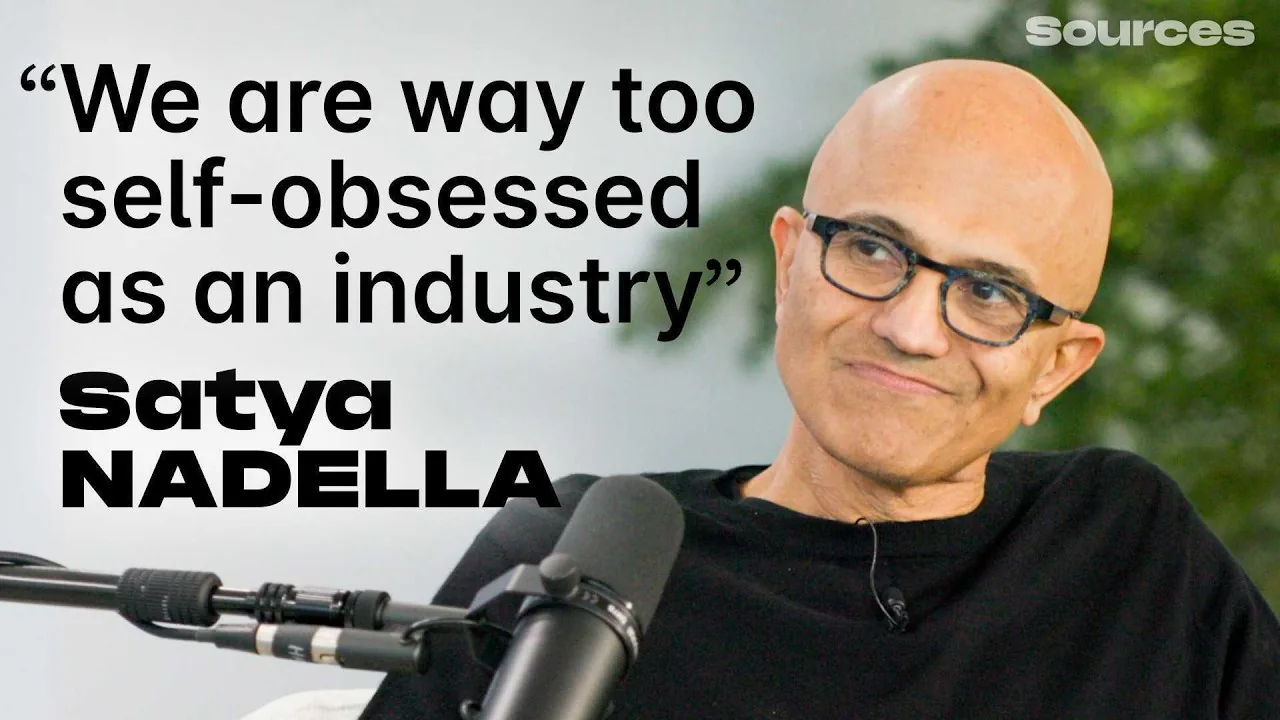

Satya Nadella Xbox Vision Demands New Sustainable Model
During the podcast broadcast with Alex Heath, Satya Nadella acknowledged that possessing prestigious intellectual property solves only part of the commercial puzzle [2]. The chief executive argued that leadership must invent an effective sustainable business model capable of delivering interactive entertainment to larger audiences across both personal computers and consoles. Nadella affirmed that Microsoft aspires to remain both a great publisher and a premier platform provider [1]. Robert DeFelice of Insider Gaming observed that this dual strategy places tremendous expectations on major IPs across the organization. Insider Gaming reporter Robert DeFelice also monitored this shifting landscape while industry chatter surfaced regarding a new Sly Cooper trademark [2].
Publisher aspirations carry operational friction. Transitioning from a proprietary console walled garden to a multiplatform publishing powerhouse creates friction across creative teams. Austin Wood confirmed cuts [4].
Seasoned industry veterans argue that attempting to bridge two divergent business identities generates profound structural vulnerability. John Kimmich, a 16-year Microsoft veteran who contributed to the creation of the original Xbox, warned that failing to choose a clear priority severely weakens division execution. In the veteran assessment articulated by John Kimmich, a gaming corporation must master either being a disciplined platform holder or a prolific software publisher, because stumbling at one role makes succeeding at both exceptionally difficult. While Minecraft generates reliable multiplatform revenue, it cannot resolve stagnating hardware sales on its own [4]. The Satya Nadella Xbox roadmap must reconcile these competing commercial realities [1].
Is Xbox Profitable for Microsoft Amid Massive Restructuring?
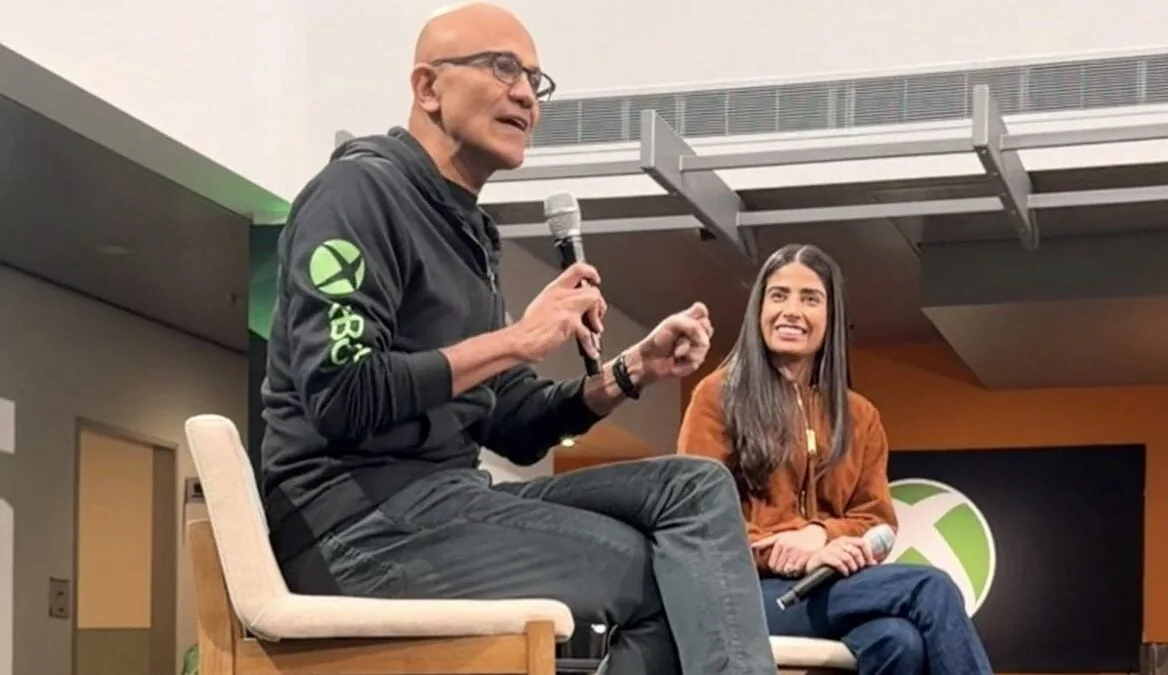
Industry observers frequently scrutinize whether the gaming segment generates adequate operating profits relative to its massive capital footprint. Expensive acquisitions expanded gross revenue, yet operating returns faced intense examination from corporate financial leadership [4]. Nadella addressed those concerns directly by explaining that Asha Sharma expects the gaming division to return to growth during the upcoming fiscal period. Paraphrasing division leadership, Nadella maintained that Sharma’s plan will deliver financial turnaround while continuing to produce standout video games. Executive Asha Sharma targets immediate margins [1].
Interactive entertainment has formed a cornerstone of Microsoft’s software portfolio across multiple historical computing eras. As reporter Zack Zwiezen documented for Kotaku, gaming roots trace back to 1982’s Microsoft Flight Sim, decades before the original console debuted. Software development anchored the company through decades of technological transformation [5]. Modern executive leadership assesses entertainment assets through strict return thresholds rather than long-term platform loyalty [4]. Microsoft gaming began with Flight Sim [5].
The contrast between corporate cheerfulness and team anxiety highlights a severe institutional dilemma confronting creative leaders [5]. Shuttering acclaimed studios and cutting experienced developers to achieve short-term financial metrics risks dissipating irreplaceable creative talent [4]. Kotaku evaluated this precarious gamble by referencing the famous pop-culture phrase, ‘It’s a bold strategy, Cotton,’ wondering whether slashing dedicated development capacity while aggressively demanding increased revenue across major franchises will genuinely produce superior first-party gaming experiences for long-term players [5]. Studio closures scatter veteran developers [1]. The Microsoft CEO Xbox directives leave creators navigating unprecedented budgetary scrutiny [4].
Audacious One Billion Player Target Confronts Industry Reality
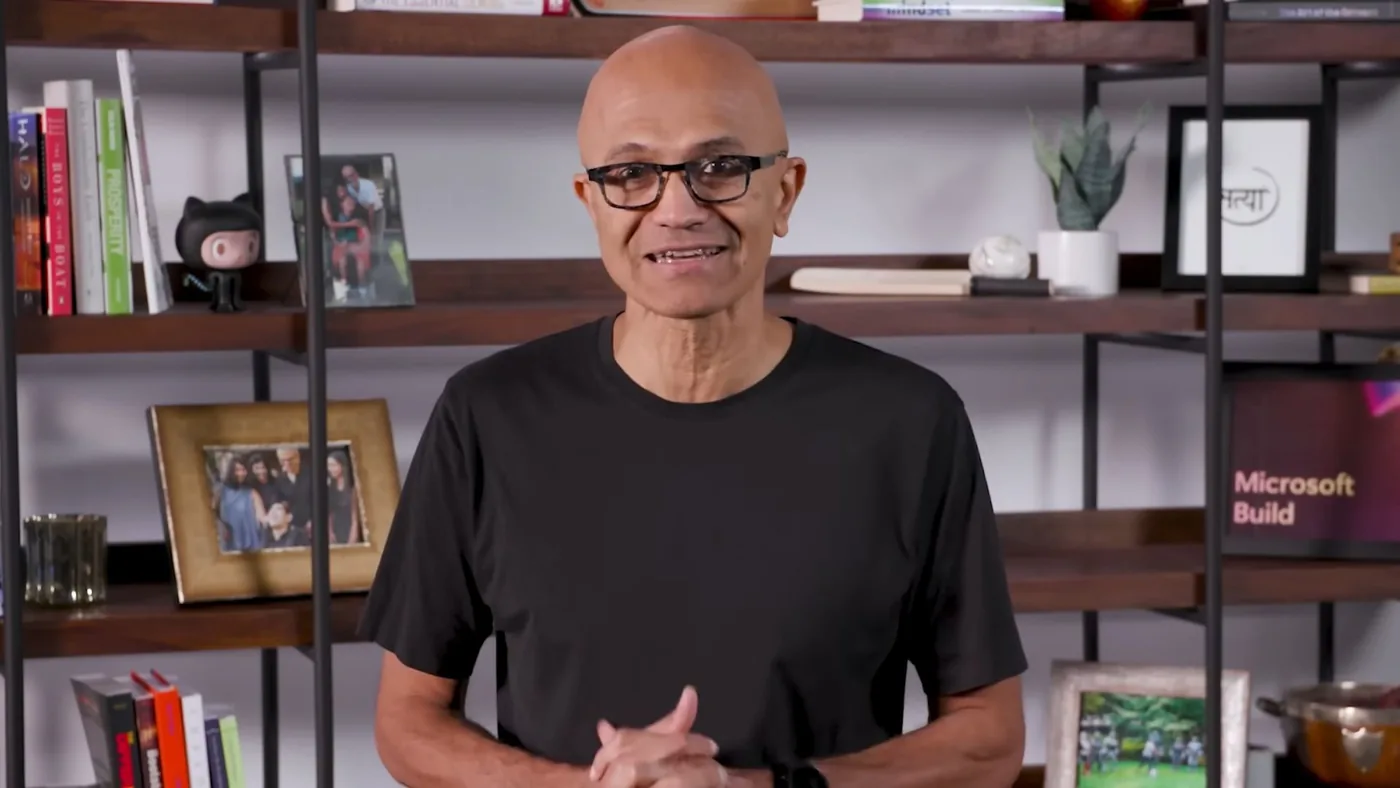
The most daring element of the current division reset involves the chasm between ambitious corporate projections and contemporary industry performance. Asha Sharma established an aggressive corporate benchmark to entertain more than one billion people each day across the gaming ecosystem. Attaining daily engagement of one billion users appears extraordinarily challenging given historical engagement data. In 2025, Microsoft reported approximately 500 million monthly active users across its combined PC, console, and cloud networks. Doubling monthly figures into daily users represents an unprecedented leap [5].
Hardware challenges further cloud the division’s expansion trajectory across international territories. Microsoft no longer publishes official console unit shipment figures, reflecting ongoing declines in traditional retail hardware demand. Attempting to dramatically multiply audience reach while eliminating internal headcount and divesting creative studios strikes critics as paradoxically ambitious. Sharma’s blueprint assumes that a leaner internal footprint can somehow capture unprecedented audience scale. Devs face higher targets [5].
The approaching fiscal cycle will decisively determine whether this severe corporate consolidation yields enduring prosperity or hollows out creative identity [1]. Satya Nadella maintains that the IP catalog remains formidable and that Asha Sharma will steer the business toward profitable expansion [2]. Yet with venerable franchises reassigned to Activision Blizzard, trusted studios released, and development specialists facing persistent layoffs, the platform enters unmapped territory [1]. The Microsoft CEO Xbox strategy has enacted an uncompromising reset across the entire enterprise [2].
- ONLINE NEWS Blake, V. (2026, September 26). Microsoft CEO says Xbox’s “streamlining” is “great to see” despite cuts and layoffs. Eurogamer. [Article Link]
- ONLINE NEWS DeFelice, R. (2026, September 26). Microsoft CEO Says XBOX Streamlining Is ‘Great to See’. Insider Gaming. [Article Link]
- ONLINE NEWS Microsoft CEO says ‘streamlining’ of Xbox business is ‘great to see’. (2026, September 26). Video Games Chronicle. [Article Link]
- ONLINE NEWS Wood, A. (2026, September 25). Amid mass Xbox layoffs, Microsoft CEO Satya Nadella says the “streamlining” is “great to see”. GamesRadar+. [Article Link]
- ONLINE NEWS Zwiezen, Z. (2026, September 25). Microsoft CEO On Recent Xbox Layoffs: ‘There’s Some Amount Of Streamlining Asha Is Doing.Which Is Great To See’. Kotaku. [Article Link]


1 comment