





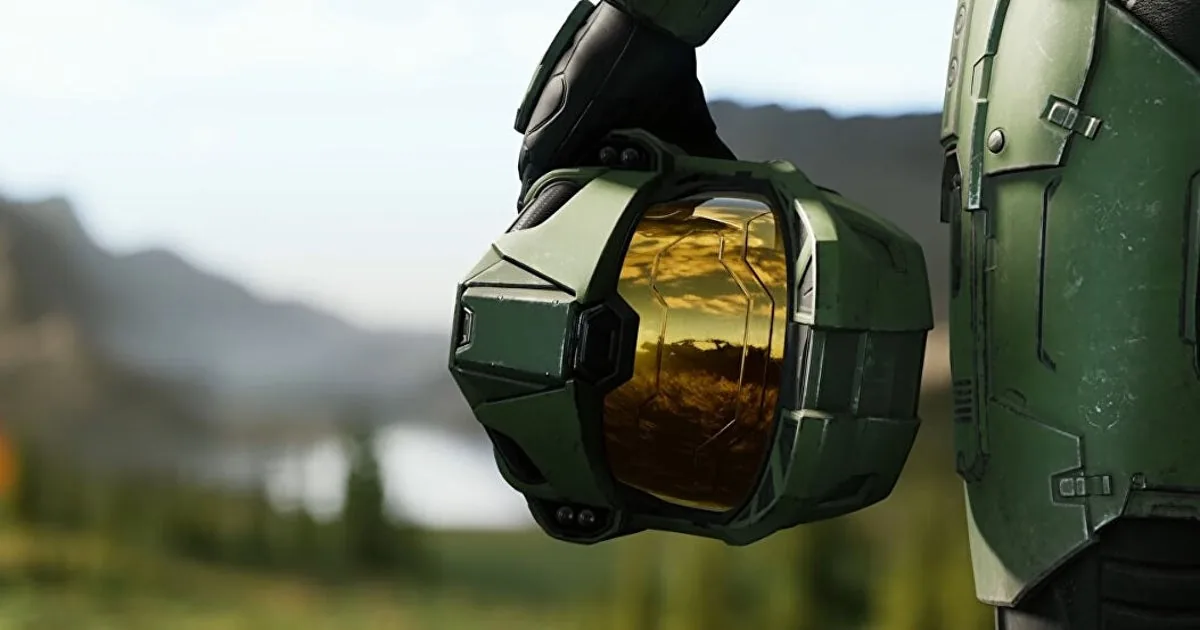
Microsoft has handed responsibility for the next Halo game to Activision, stripping primary development duties from Halo Studios as part of an aggressive restructuring across Xbox Game Studios. Xbox chief content officer Matt Booty confirmed the transfer in an internal memo, detailing 268 job cuts across first-party teams and central management layers. The publisher will assemble an entirely new production unit rather than pulling developers from ongoing military projects [1].
Activision Builds Dedicated Team for Next Major Halo Game
Under the framework outlined by Microsoft leadership, Activision is establishing what executives describe as a purpose-built organization specifically tasked with creating the next major Halo game. Activision president Rob Kostich stressed that the project will operate independently from ongoing development schedules for Call of Duty. Kostich stated that the incoming creative unit aims to deliver the greatest entry in series history while honoring the mechanical traditions that defined Bungie’s original combat sandbox [1].
British developer Rare and Age of Empires creator World’s Edge will also move under Activision management. Microsoft executives framed the shift as an effort to operate fewer independent business units and concentrate publishing expertise within established commercial groups capable of global scale. Activision has historically maintained massive global distribution channels but relatively few active development brands beyond its primary shooter and legacy properties like Tony Hawk and Spyro the Dragon [2].
Kostich called it a bold ambition. According to reporting from Eurogamer, Activision has already begun assembling specialized engineering and design talent to lead production on the project [1]. Longtime fans who followed the property through extended content droughts and turbulent live-service updates now face an external reboot overseen by an entirely different publishing corporate culture.
Halo Studios Shrinks to Community Support Role
Halo Studios yielded frontline development. A diminished support crew will maintain active servers and existing live-service features for catalog releases [1].
Originally established as 343 Industries after Bungie negotiated corporate independence from Microsoft in 2007, the studio spent nearly two decades serving as the sole custodian of the Master Chief universe. The internal group produced mainline installments including 2012’s Halo 4, 2015’s Halo 5: Guardians, and 2021’s Halo Infinite, while curating 2014’s Halo: The Master Chief Collection and coordinating external spin-offs. The organization formally rebranded from 343 Industries to Halo Studios in 2024 to signal a technological transition toward Unreal Engine 5. Despite releasing Halo: Campaign Evolved in July 2026, the developer faced persistent internal headwinds and shifting executive expectations. Booty confirmed that the latest cutbacks eliminate 268 positions across Halo Studios and related administrative divisions, reducing the team to an auxiliary role [1].
Leadership planned these reductions around software milestones. As Kotaku reported, leadership waited until Halo: Campaign Evolved cleared its July release before executing staff cuts and reallocating development responsibilities [3]. Booty confirmed that remaining staff will focus on community operations, technical maintenance, and balance updates for active players rather than prototyping future entries. The restructuring effectively strips the studio of its mandate as an independent software creator, leaving the Redmond team with no creative control over future storylines.


Why the Next Halo Game Sits Outside Halo Studios
Reassigning the next Halo game outside its dedicated group reflects longstanding frustration with first-party game development. Since acquiring Bungie in 2000 and building 343 Industries after Bungie departed in 2007, Microsoft has struggled to produce consistent critical blockbusters in-house [3]. Polygon gaming editor Oli Welsh noted that although Microsoft assembled a sprawling network of first-party studios during the Phil Spencer era, internal teams rarely matched the reliable output of external acquisitions [2]. The company spent billions purchasing major publishers because internal teams repeatedly missed production targets.
Xbox CEO Asha Sharma instituted strict structural efficiencies across every gaming business unit. Under Sharma’s direction, Microsoft is eliminating redundant corporate hierarchies and funneling premier intellectual properties into studios with proven production speed. Activision Blizzard already possesses massive multi-studio pipelines, dedicated live-service infrastructure, and global testing resources capable of handling high-stakes franchises without starting from scratch [2]. Can an external corporate publisher capture the nuanced mechanical balance of Master Chief’s universe? Executives clearly believe Activision offers the only operational engine capable of meeting modern release cadence demands.
Platform strategy has shifted dramatically. Early console generations relied on exclusive releases to drive hardware sales. Under modern management, commercial success is measured by software reach, cross-platform distribution, and Game Pass engagement. Transferring development duties for the next Halo game to Activision aligns the brand with a publisher that routinely releases high-revenue multiplayer ecosystems across PlayStation, PC, and Xbox platforms [2].

Xbox Game Studios Roster Collapses to Three Teams
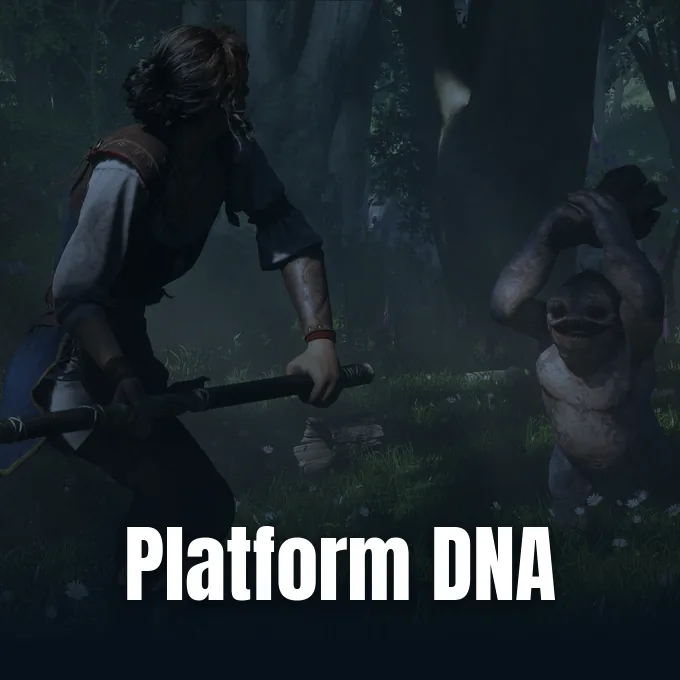
The restructuring leaves Xbox Game Studios with only three active internal game developers, down from fourteen distinct teams operating under the banner in 2021. Turn 10 Studios, known for the Forza Motorsport series, has been subsumed into Playground Games, which continues production on the upcoming Fable reboot and Forza Horizon 6 [2, 3]. Aside from Playground Games, only The Coalition, developing Gears of War: E-Day, and inXile Entertainment, working on Clockwork Revolution, remain inside the original first-party group [3].
Earlier downsizing had pruned prominent creators. In June 2026, Microsoft permitted Double Fine Productions and Compulsion Games to buy back their studios, while Undead Labs was similarly divested to management. British developer Ninja Theory remains without a buyer and faces possible closure after entering formal consultation [1, 3]. Furthermore, The Initiative, founded to develop a high-profile reboot of Perfect Dark, was shuttered entirely in 2025 following years of development struggle [3].
Three internal game makers remain. Mojang Studios, which generates massive annual revenue through Minecraft, was extracted from the group entirely to report directly to Asha Sharma [2, 3]. External publishing operations will persist, maintaining corporate oversight over upcoming third-party projects like 2025’s Ninja Gaiden 4 and external creative collaborations with Kojima Productions. Booty wrote that the latest studio divestitures bring Xbox roughly three-quarters of the way through its announced restructuring, leaving the central division drastically diminished [3].
Publishing Consolidation Shifts the First-Party Balance
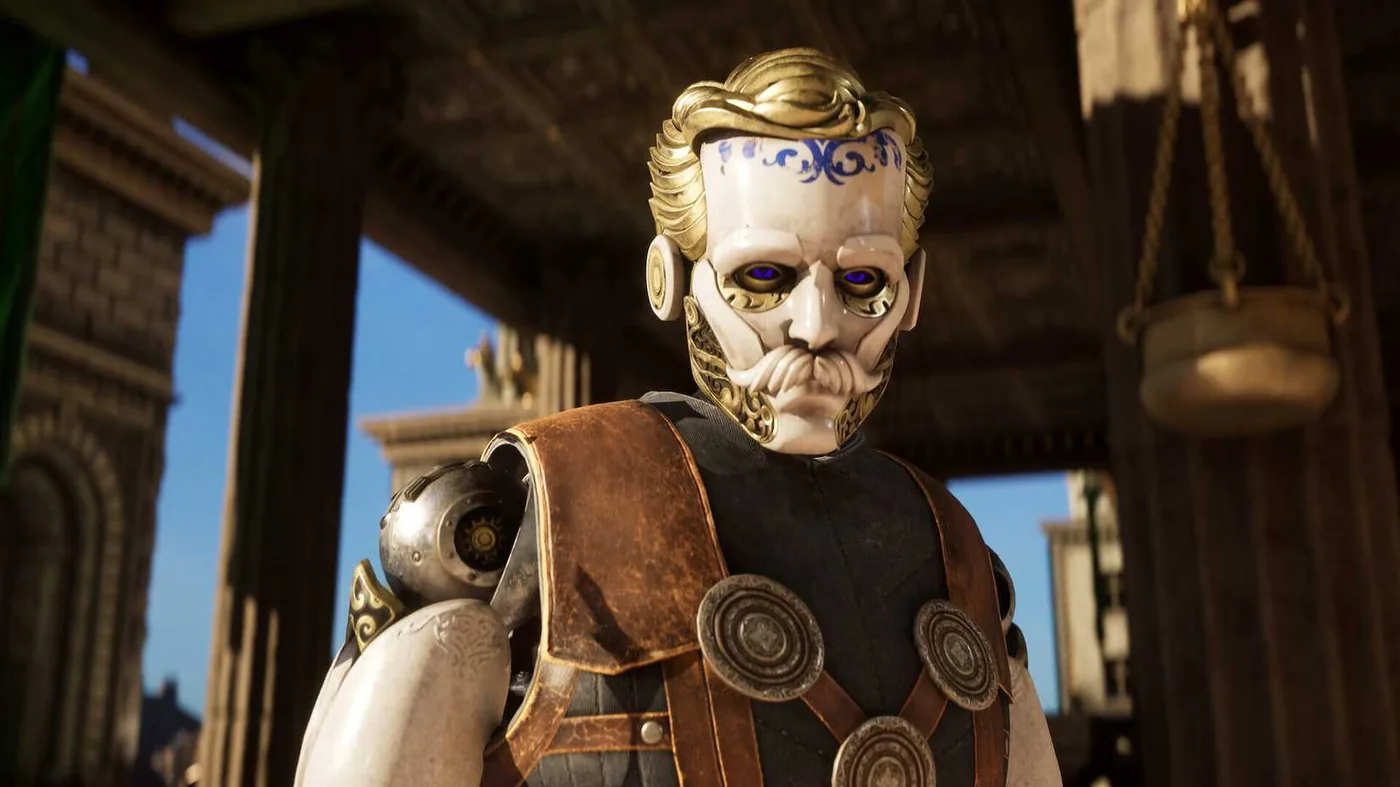
By moving developers under Activision and Bethesda Softworks, Microsoft is consolidating its gaming empire into established publishing engines. Obsidian Entertainment has been transferred under Bethesda to join studios like MachineGames and Id Software, while Microsoft Casual Games was handed to King [2]. As Rock Paper Shotgun reported, the reallocation follows a previous summer wave that eliminated 1,600 jobs, representing half of a projected 3,200 layoffs planned across the financial year [4].
Publishing leaders cited growing corporate impatience with managing duplicate corporate hierarchies across Xbox Game Studios, Bethesda, Activision, and Blizzard. Each publisher traditionally maintained duplicate public relations teams, independent marketing departments, and separate localization pipelines, creating substantial administrative overhead that leadership resolved to eliminate [2]. Bloomberg reporter Jason Schreier disclosed on the 8-4 Play podcast on September 18th that additional layoffs at Blizzard are imminent [4]. This downsizing coincides with a broader wave of independent studio layoffs impacting developers across the industry as platform holders pull back from experimental funding.
Microsoft will gather employees for an all-hands town hall on October 6th, where leadership plans to present its long-term release strategy. In that session, executives must explain how shrinking internal studio capacity aligns with promises of an unprecedented software lineup. Meanwhile, Xbox continues to protect external partnerships, including its high-profile publishing partnership for Kojima Productions’ Physint [3]. Whether Activision’s new development squad can deliver the next Halo game with the caliber promised by leadership will determine if Microsoft’s retreat from internal game development was worth the sacrifice.
- ONLINE NEWS Purchese, R. (2026, September 22). Next major Halo game being developed by Activision, as Halo Studios all but closes as part of Microsoft’s Xbox restructuring. Eurogamer. [Article Link]
- ONLINE NEWS Welsh, O. (2026, September 22). Xbox is turning its back on Xbox Game Studios. Polygon. [Article Link]
- ONLINE NEWS Gach, E. (2026, September 22). Xbox Game Studios is quickly disappearing. Kotaku. [Article Link]
- ONLINE NEWS Warren, M. (2026, September 22). Xbox reportedly set to lay off hundreds more staff and “consolidate” several game studios in second round of major cuts this year. Rock Paper Shotgun. [Article Link]
- ONLINE NEWS GameSpot. (2026, September 22). What is Xbox Game Studios at this point? GameSpot. [Article Link]


