




Microsoft published a job listing on LinkedIn seeking an Xbox Games Supply Strategist to manage retail releases for multiple gaming systems [2]. The posting immediately sparked discussion among players who hope the upcoming Xbox Helix console will continue to support optical discs rather than moving to a digital-only format. Leakers claimed Microsoft would drop disc drives after Sony announced a digital roadmap for PlayStation hardware. Xbox hasn’t commented officially on its next hardware generation, but the new supply role suggests disc media is still part of its business planning [1].
Job Listing Sparks Xbox Helix Speculation
Reporter Jez Corden of Windows Central spotted the job advertisement on LinkedIn, where the Xbox Supply Chain team sought an Xbox Games Supply Strategist to oversee boxed inventory and product lifecycles for Xbox consoles [1]. The role demands collaboration between Product Marketing, Finance, and logistics groups to establish a predictable sales plan. That team needs lower shipping costs. Microsoft framed the opening as an executive post tasked with reaching category profit targets for boxed games while managing supply agreements with retail chains across international markets [2].
The official job description outlines broad responsibilities for retail distribution. According to the listing, “The Xbox Games Supply Strategist will coordinate the launch of physical Xbox games across all platforms, lead development and oversee execution of global supply positioning strategies across all stages of the product lifecycle”. Destructoid writer Andrej Barovic said this phrasing leaves open whether the job covers current hardware or extends into the in-development Xbox Helix console [1]. Because Microsoft now publishes titles on Nintendo Switch and Sony PlayStation platforms, multiplatform distribution could also refer to boxed copies produced for rival hardware [2]. Microsoft hasn’t clarified whether its boxed distribution will favor Xbox hardware over PlayStation or Nintendo systems as digital storefronts expand.
Microsoft must balance retail inventory against working capital goals and warehouse fees while keeping store shelves stocked with disc releases across North America [2]. Discs appeal to collectors [1]. Yet retail shelf space for green Xbox cases continues to shrink as big box chains adjust floor space, leaving questions about how long stores will stock discs [2].

PlayStation Plan to Phase Out Discs
The debate over console media intensified after Sony revealed it will cease pressing optical discs for new PlayStation titles starting in January 2028 [2]. That decision signals a digital-only design for the upcoming PlayStation 6. Though Sony holds a leading stake in Blu-ray technology, any retreat from physical disc formats risks pulling down the entire market, taking Xbox with it [1]. If Sony stops pressing game discs, optical drive makers will face declining order volumes worldwide.
Retail sales remain important for major game releases even as platform holders push digital downloads. Destructoid pointed out that Sony first-party titles continue to generate meaningful disc volume, with upcoming releases like Wolverine projected to sell up to 35 percent of their total units in boxed formats [1]. Cutting out retail stores lets platform holders bypass retail margins and keep the standard 30 percent cut that normally goes to storefronts and distributors. That margin incentive explains why console makers want to phase out optical drives, but players who buy used copies or trade games face higher software costs in closed digital ecosystems with fixed prices.
Microsoft didn’t comment publicly when Sony revealed its 2028 timeline. Anonymous leakers claimed Microsoft would abandon disc drives on next-generation Xbox hardware too. Those rumors weren’t verified by Xbox executives [1]. Silence left fans wondering if both Sony and Microsoft plan to retire optical discs [2].
Game Preservation and Backward Compatibility
Keeping a disc drive would offer Xbox Helix a clear way to distinguish itself from PlayStation as the console market shifts toward digital delivery. Wccftech writer Alessio Palumbo said that maintaining optical media appeals directly to vocal players who care about digital rights, long-term preservation, and true game ownership. A disc drive also reinforces Microsoft’s reputation for backward compatibility. Millions of console owners with existing libraries on Xbox One, Xbox Series S, and Xbox Series X still hold disc collections that they expect to play on next-generation hardware [2].
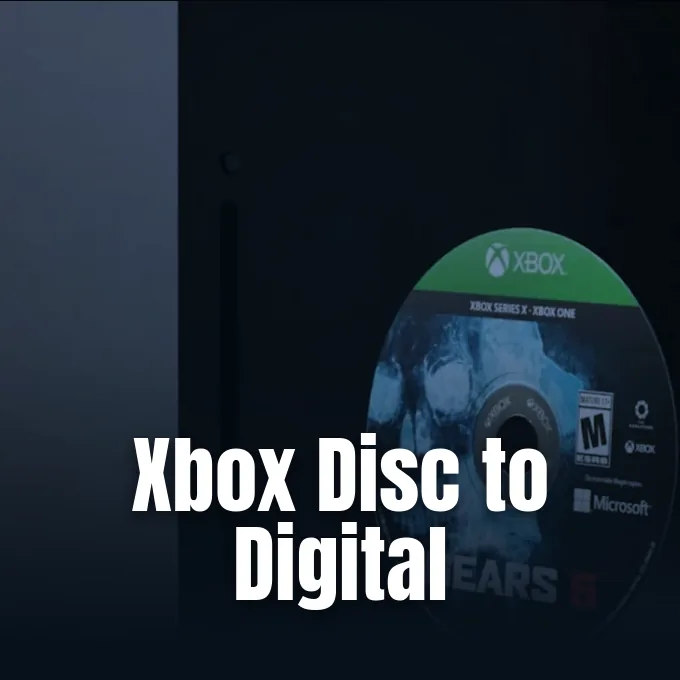
Microsoft recently introduced a system letting console owners turn discs into digital licenses to bridge the divide between boxed software and digital libraries. That feature lets players verify ownership of boxed games and download digital copies directly to compatible devices without keeping a disc inside the drive. Destructoid reported that Microsoft is attempting to harmonize both formats so discs and downloads can coexist without hurting player access [1]. It’s an approach that gives disc owners portable flexibility while respecting their original retail purchases.

Digital storefronts don’t guarantee permanent access when licensing agreements expire or servers shut down. Discs protect access for retro gaming enthusiasts who value offline play on Xbox hardware. If Microsoft retains disc support on future hardware, it could win over frustrated collectors who feel abandoned by Sony and PlayStation 6 plans. Boxed copies give Xbox buyers control that subscription models can’t duplicate [2].
Hardware Costs Facing Project Helix
Despite the benefits for preservation, financial realities create hurdles for disc support. Wccftech reported that removing the optical drive is widely regarded as a straightforward method to reduce manufacturing expenses on future consoles. The upcoming Project Helix hardware is built around a PC environment designed to run PC storefronts such as Epic Games Store as well as Steam. Because of the ongoing memory crisis, industry analysts already expect Xbox Helix to launch at a price tag above $1,000 [2].
Adding an integrated optical drive to an already expensive machine pushes production costs even higher. A built-in disc reader adds component expenses, increases console chassis volume, and complicates thermal cooling systems. Writer Alessio Palumbo pointed out that a modular solution, similar to the detachable disc drive Sony released for the PlayStation 5 Slim and PlayStation 5 Pro, might serve as the most realistic middle ground for Microsoft and Xbox [2]. An add-on accessory lets cost-conscious players buy a cheaper base console while giving disc enthusiasts an upgrade path. It won’t force digital gamers to subsidize hardware they never intend to use.
Detachable drives also help retail logistics by reducing box sizes for base hardware shipments. Microsoft can distribute optical drives as separate accessories through retail partners without cluttering Xbox console packaging. That cuts shipping fees. It gives stores an add-on product to sell with Xbox Series X or Project Helix consoles [2].
Circana Sales Data Shows Digital Shift
The biggest argument against an internal disc drive comes from actual purchasing data. Microsoft doesn’t share standalone retail sales figures, but tracking from research firm Circana reveals that Xbox accounted for just over four percent of new boxed game sales in the United States this year. By comparison, Sony claimed 32 percent of disc volume with PlayStation, while Nintendo dominated with 63 percent of boxed software sales [2].
Those numbers confirm Xbox as the most digital console platform in the United States today. Game Pass changed buying habits. Circana data reflects years of Microsoft encouraging players to join Xbox Game Pass on Xbox Series X and Xbox Series S rather than purchasing discs at retail stores, which causes retail sales of boxed games to plunge whenever a blockbuster arrives on subscription on day one [2]. Destructoid writer Andrej Barovic said that while Sony blockbusters on PlayStation 5 still sell millions of discs, Xbox users prefer digital downloads [1]. Stores cut shelf space when green cases sit unsold.
The LinkedIn job listing for an Xbox Games Supply Strategist proves Microsoft isn’t ready to abandon game discs completely [2]. Whether those plans involve a built-in drive on Xbox Helix, an optional external drive, or boxed discs pressed for Sony PlayStation and Nintendo platforms will depend on market demand [1]. For now, optical media remains part of Microsoft’s supply chain roadmap [2].
- ONLINE NEWS Barovic, A. (2026, October 18). Xbox Helix could have discs as the company is looking for an expert to ‘coordinate the launch of physical Xbox games’. Destructoid. [Article Link]
- ONLINE NEWS Palumbo, A. (2026, October 18). Xbox Holds 4% of US Physical Game Sales, Yet a New Microsoft Job Listing Has Fans Hoping Helix Keeps Discs. Wccftech. [Article Link]


