



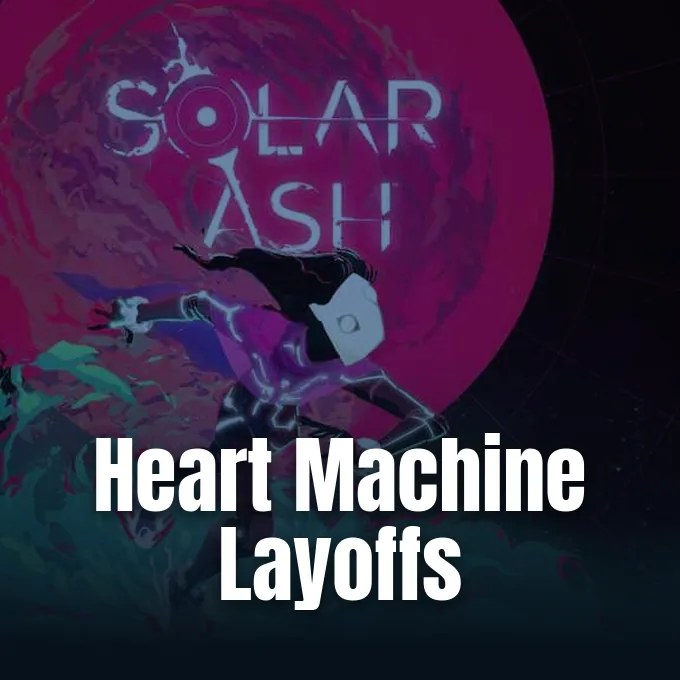
Studio head Alx Preston delivered grim news on September 16, 2026, announcing that an unnamed publisher partner had withdrawn support and forced catastrophic staff cuts at Heart Machine. The developer behind Hyper Light Drifter lost its primary income source when an unannounced project was canceled without warning. How can an acclaimed independent developer endure when a single contract termination erases nearly every internal position? The sudden heart machine layoffs have now left Heart Machine fighting for survival while Alx Preston coordinates placement assistance for displaced workers. [3]
How Heart Machine Layoffs Unfolded
Writing on LinkedIn, Alx Preston explained that Heart Machine had spent months constructing an unannounced game funded by a partner publisher. As reporter Robert DeFelice noted for Insider Gaming, that financial foundation vanished earlier in the week when the corporate backer decided to abandon the collaborative project. Without alternative income streams or immediate capital reserves, Heart Machine management faced an unavoidable operational crisis. The publisher pulled funding. [1]
The decision triggered immediate workforce reductions affecting nearly everyone across the Heart Machine team. Characterizing the outcome as devastating, Alx Preston stressed that his immediate priority is supporting former colleagues by sharing resumes and coordinating employment opportunities with hiring teams across the games industry. Writing for PlayDayOne, journalist Jesse Norris highlighted how the studio head publicly urged industry peers with open positions to reach out directly so that Heart Machine can provide placement assistance and help place extraordinarily talented personnel into new creative homes. These sudden heart machine layoffs arrived after months of relentless contraction that squeezed independent creators worldwide. [2]
Few options remained for leadership. Heart Machine founder Alx Preston confirmed that remaining staff will strive to construct a hopeful path toward stability, but survival is uncertain. [1]

The Rise of Hyper Light Drifter
Heart Machine first captured widespread acclaim in 2016 with the debut of Hyper Light Drifter (a top-down action title inspired by classic 16-bit adventures). As Ethan Gach observed at Kotaku, the game won critical acclaim and passionate player loyalty through its evocative pixel art, haunting musical score, and moody environmental storytelling. Its challenging combat mechanics established Heart Machine as a leading voice in modern indie game design. That breakout release set an exceptionally high standard for every project that followed. [3]
Seeking to broaden its creative horizon, Heart Machine embarked on an ambitious transition to three-dimensional design with Solar Ash. While the title earned warm praise from reviewers for its fluid movement mechanics, breathtaking visual direction, and deeply emotional narrative, it struggled to replicate the intense cultural resonance generated by Hyper Light Drifter. The title reached subscribers through Game Pass, offering accessible traversal across surreal landscapes to players on digital storefronts and subscription platforms. Momentum slowed nonetheless. [2]
Reviewers praised the striking aesthetic of Solar Ash, yet commercial performance across competitive digital marketplaces did not match the stratospheric reach of the team’s debut effort. Alx Preston and his Heart Machine collaborators had proven their capacity to innovate across different dimensions, but the shift into large-scale production increased budget requirements and heightened vulnerability to unexpected industry headwinds. A single commercial misstep in the modern gaming economy can destabilize even highly decorated independent developers. [2]

Struggles with Breaker and Possessor
Trouble mounted when Heart Machine began developing Hyper Light Breaker, an ambitious roguelite action role-playing project intended as a spiritual successor to their acclaimed debut. Originally slated for a 2023 release, the ambitious production faced persistent technical hurdles and suffered multiple delays before arriving in Early Access in January 2025. By October 2025, persistent funding issues and lukewarm engagement forced Heart Machine to halt active development, ending the Early Access period without a completed retail launch. [2]
The creative team sought another breakthrough with Possessor(s) (a side-scrolling action title released last year). However, the Metroidvania entry arrived to mixed critical impressions, with commentators noting rushed production values and clunky control responsiveness that prevented it from capturing the passionate audience that embraced Hyper Light Drifter. Heart Machine had poured vital labor into consecutive challenging productions, yet neither release delivered the reliable commercial foundation necessary to insulate the company from sudden publisher cancellations. [3]

Consecutive difficult release cycles depleted studio reserves, creating an environment where any sudden cancellation by an external partner would prove catastrophic. When the unnamed publisher decided this week to terminate their unannounced collaboration, Heart Machine possessed no secondary revenue engine to absorb the shock. Independent studios frequently depend on milestones to sustain payroll, leaving developers vulnerable when partners change strategic priorities without warning. The unannounced title was canceled immediately. [4]
Patreon and Prior Workforce Cuts
The latest dismissals are not the first time Heart Machine has trimmed payroll to endure industry headwinds. The studio suffered an initial wave of layoffs in 2024, followed by additional staff cuts last fall as development budgets tightened. To offset dwindling publisher funding, Alx Preston launched a crowdfunding campaign on Patreon earlier this year, hoping that community patronage might provide recurring capital. The subscriber platform closed shortly afterward when contributions failed to bridge the mounting budget deficit. [1, 3]
Can community crowdfunding replace traditional milestone financing when multi-million dollar game budgets hang in the balance? Alx Preston candidly acknowledged the severity of the situation in his LinkedIn remarks, writing that he remains uncertain whether the studio can survive in an increasingly unforgiving market. Before the latest heart machine layoffs eliminated nearly every role at the studio, the team had exhausted alternative financing strategies in a desperate bid to preserve internal talent. [3]

Independent developers across the gaming industry face structural pressures because community patronage rarely matches the substantial financial cushion provided by major publishing partners. Studio founder Alx Preston acknowledged that navigating the modern games business has become extraordinarily arduous for independent teams, particularly as corporate partners pull funding from unannounced projects to insulate their own balance sheets against volatility. Heart Machine fought through multiple rounds of staff dismissals across 2024 and 2025 while attempting to complete ambitious games, but the cancellation of their funded unannounced title stripped away their remaining operational runway. Preston maintained that the surviving core will keep striving to build a path toward stability, yet finding viable publishing partners in the present financial climate represents an immense challenge. [1, 2]
Broader Wave Across Independent Studios
The painful downsizing at Heart Machine mirrors broader industry turbulence shaking developer ecosystems across the entire gaming sector in 2026. Only recently, developer Build a Rocket Boy initiated deep staff cuts while preparing its upcoming project, as explored in our report on what MindsEye developer layoffs mean for Build A Rocket Boy. Corporate restructuring and sudden cancellations reported by Insider Gaming have left numerous veteran studios teetering on the verge of complete closure. [1]
Layoffs have also disrupted other established British and American development teams, including FuturLab (the studio behind PowerWash Simulator), demonstrating that critical praise and popular catalog titles no longer guarantee commercial safety. Similar structural pressures previously forced the closure of VR studio Polyarc, detailed in our examination of how 12 years of VR platforming ended for Polyarc. As investor appetite retreats and project cancellations multiply, independent studios find themselves exposed to sudden cash shortfalls. [1]
For Heart Machine, the coming weeks will determine whether the creators of Hyper Light Drifter can secure alternative investment or whether the unannounced game cancellation marks the final chapter for the studio. As the recent heart machine layoffs reverberate through the development community, fans across the Steam Community and Discord Server continue rallying behind affected staff in hopes that the talented creators will find stability in new roles. Support efforts continue. [1, 2]
- ONLINE NEWS DeFelice, R. (2026, September 16). Heart Machine Lays Off ‘Nearly Everyone’ After Lost Funding. Insider Gaming. [Article Link]
- ONLINE NEWS Norris, J. (2026, September 16). Hyper Light Drifter Dev Heart Machine Lays Off ‘Most of the Studio’. PlayDayOne. [Article Link]
- ONLINE NEWS Gach, E. (2026, September 16). ‘Nearly Everyone’ Laid Off As Hyper Light Drifter Studio Risks Closing: ‘I’m Not Sure Yet How Or If Heart Machine Survives’. Kotaku. [Article Link]
- ONLINE NEWS Gematsu. (2026, September). Heart Machine lays off “nearly everyone at the studio” following cancellation of unannounced title. Gematsu. [Article Link]


