



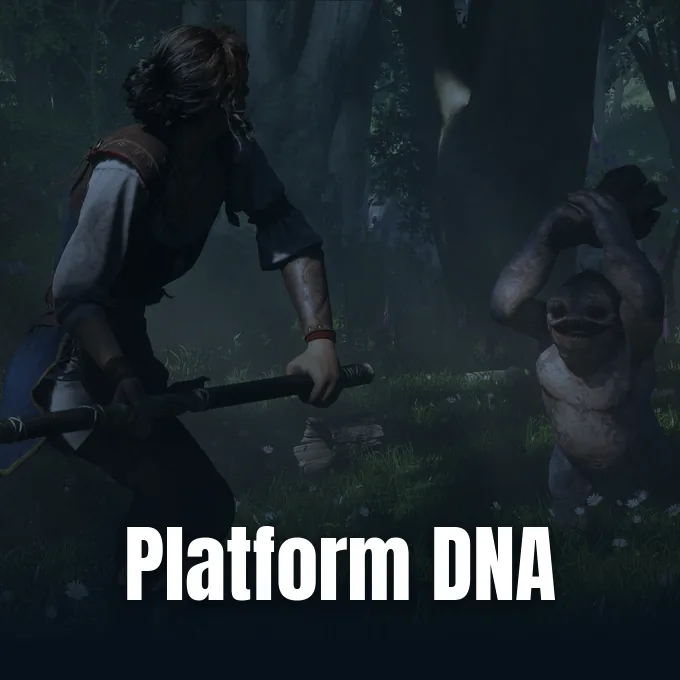
When Microsoft executed sweeping job cuts across its gaming division, internal executive support for the Xbox Fable reboot shielded the production team from industry turbulence. Playground Games co-founder and game director Ralph Fulton revealed in an interview with The Guardian that internal leadership considers the role-playing series indispensable to platform heritage. Production quietly started in 2016, and the decade-long development effort will culminate in a multiplatform launch on February 23, 2027. [1, 2]
Xbox Fable Reboot Survived Studio Layoffs
Mass layoffs swept across Xbox over past months, dissolving entire publishing contracts and leaving third-party contractors without work across several high-profile commercial ventures. Playground Games emerged completely unscathed from that corporate downsizing. Studio leadership attributed this resilience directly to the protected status granted to their upcoming fantasy role-playing game. Fulton explained that Microsoft executives view the franchise as foundational to their gaming catalog. The project survived intact. [2, 4]
Fulton argued that internal executive support stems from a deep, shared conviction about the role-playing property’s enduring cultural value across successive generations of Microsoft console hardware. “I genuinely think Fable is an important game,” Fulton told The Guardian, noting that internal staff consider it “vital to the DNA of the platform” (the internal corporate identity of the console brand). He went further by calling the project important to video games as a whole because it unites bespoke design elements that simply exist nowhere else in modern releases. Corporate protection remained steady throughout the decade. [1, 3]
Actual production on the Xbox Fable reboot began in 2016 before Microsoft officially unveiled the project during a 2020 showcase. Development weathered substantial organizational shake-ups along the way, including the departure of the game’s narrative lead in 2023 (the head of storytelling). Playground Games preserved structural stability while navigating corporate pressures and broader platform turbulence, including player debates surrounding rising Xbox Game Pass subscription costs across digital services. Rumors suggested an unusually massive budget as production stretched across ten years, yet Microsoft maintained its long-term financial backing without forcing an unfinished release onto the market. [1, 2]
Transferring Open World Skills Beyond Forza
Playground Games built its worldwide reputation on open-world racing through the critical and commercial success of Forza Horizon and Forza Horizon 6. Pivoting toward narrative fantasy marked a dramatic, unexpected shift for a British team primarily celebrated for high-speed vehicular simulation. Yet the technical demands of expansive digital environments provided vital common ground between disparate gaming categories. Open environments require complex spatial organization. Complex racing tracks demanded intricate terrain streaming pipelines, dynamic asset loading, and persistent geography that applied directly to expansive fantasy kingdoms. [1, 3]
Transitioning away from high-performance sports cars allowed developers to explore sophisticated narrative systems without abandoning their foundational engine proficiency. Fulton admitted that “there was a little bit of pride in proving” the studio could deliver a premier role-playing experience in an unfamiliar space, viewing the broad landscape of the fantasy realm as a natural extension of established technical craft. While the new adventure excludes motorized vehicles, constructing believable topography, reactive lighting, dynamic crowd density, and seamless exploration drew heavily upon the studio’s accumulated simulation expertise. Studio veterans carried substantial institutional knowledge from annual racing cycles into the deliberate rhythms of role-playing world design. Transferable design skills bridged the gap. [2, 3]
Can an automotive team truly master fantasy mechanics? Fulton emphasized that technical mastery in open terrain created reliable, transferable skills that directly empowered world architects throughout the Xbox Fable reboot cycle. Microsoft backed that creative expansion. Quality remained paramount. [3]


Handcrafting One Thousand Voiced Characters
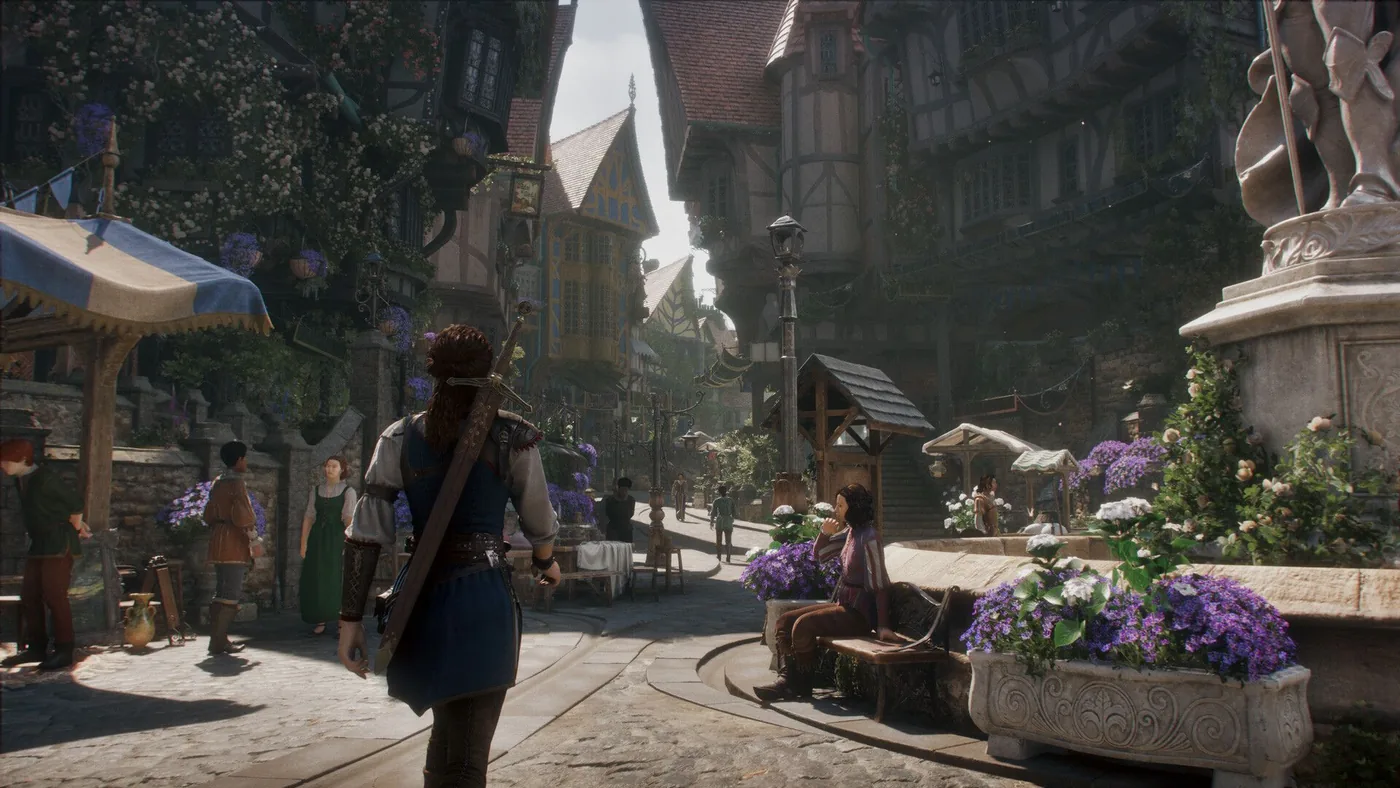
Modern high-budget games frequently rely on algorithmic randomizers (automated procedural generation software) to populate expansive digital towns with superficial, interchangeable wanderers that lack narrative substance. In the Xbox Fable reboot, Playground Games consciously discarded automated population generators in favor of deliberate bespoke design across every village. The development team hand-crafted 1,000 NPCs with full voice acting to ensure that every individual inhabitant feels intentional, varied, and narratively memorable. Fulton observed that the creative challenge made him think about video game design more deeply than on any prior project throughout his career. [2, 3]
Every citizen carries custom dialogue and distinct personality traits. Fulton rejected procedural shortcuts to preserve individual character interactions across each settlement. [2, 3]
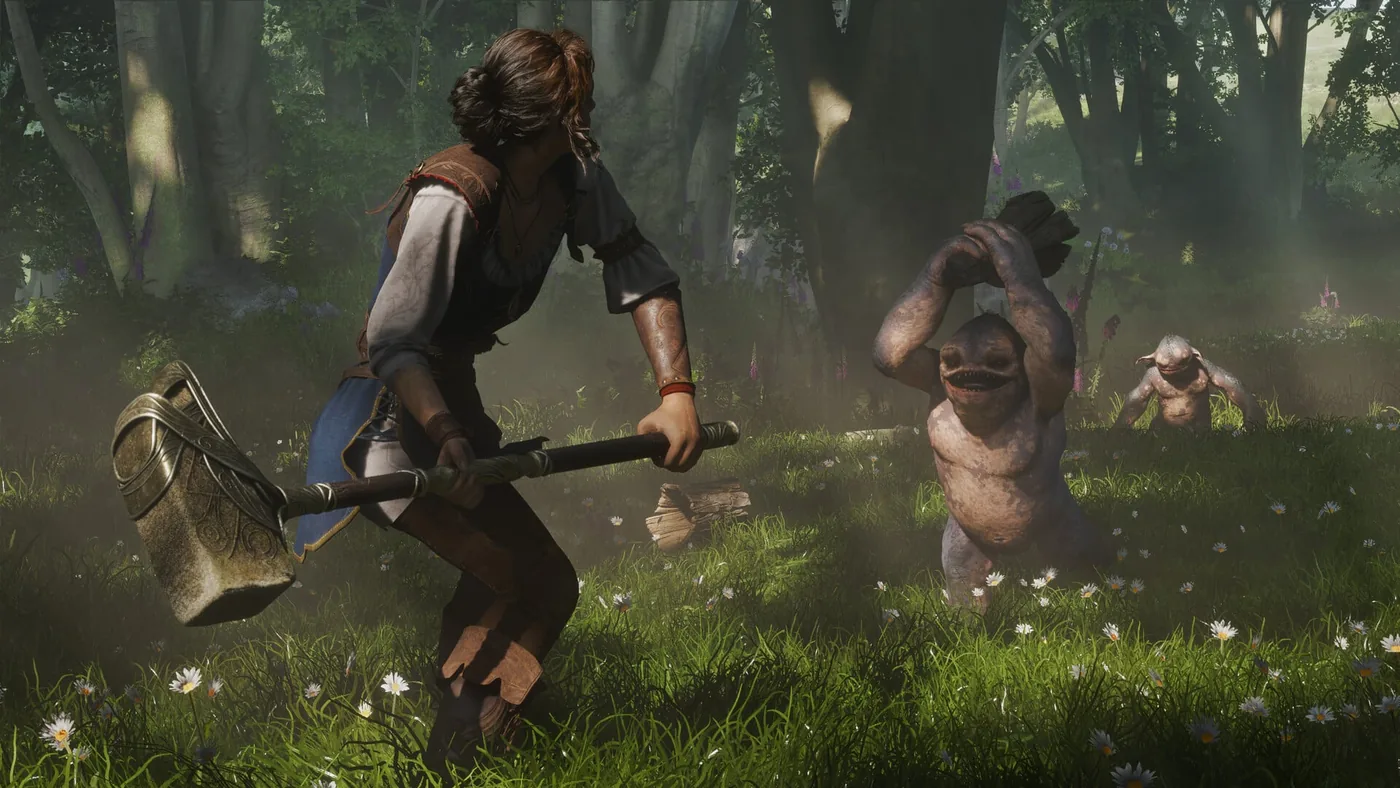
Player actions feed directly into a layered social structure (the multi-tiered standing system) that lets adventurers establish multiple reputations across distinct settlements. A traveling protagonist celebrated in modest rural farming hamlets might face palpable hostility or suspicion among wealthy urban quarters. Designing these reactive social dynamics demanded extensive performance capture, bespoke audio recording, and complex branching scripting logic across multiple years of development. Every community evaluates the player independently. Furthermore, running these intricate computational systems required modern console processing power, directly answering common inquiries about hardware targets: the production team built the game specifically for Xbox Series X/S, PS5, and PC, completely bypassing older Xbox One hardware. [1, 2]
British Comedy Talent Shapes New Dialogue
Distinctive humor has always separated this fantasy property from self-serious genre rivals. For the upcoming Xbox Fable reboot, Playground Games recruited celebrated British comedic talent to anchor the world’s satirical perspective. Richard Ayoade, widely recognized for his celebrated comedic performance in The IT Crowd, joined the voice cast and introduced remarkable spontaneous energy during extended studio production sessions. Fulton noted that Ayoade virtually improvised a fresh script for his scenes on the spot, calling that studio recording session one of his favorite days on the entire project. [1]
Natasia Demetriou from What We Do in the Shadows brought another layer of sharp British wit to her featured character. Fulton recounted that Demetriou delivered a level of authentic British swearing that initially shocked audio department staff who were unaccustomed to such aggressive verbal comedic improvisation. Rather than softening the comedic performance, directors fully embraced the abrasive dialogue and allowed her to perform without creative restriction. Unfiltered comedic performances defined the voice track. The deliberate creative choice preserved the eccentric, subversive tone that original franchise enthusiasts celebrate. [1]

Will contemporary audiences still welcome whimsical satire amidst prevalent grimdark fantasy trends? The production team firmly believes that irreverent British dialogue provides necessary contrast in an entertainment market heavily saturated by gritty, solemn action epics that take themselves too seriously. Distinct vocal performances give the world memorable charm. Creative boldness triumphed. [1, 2]
Investing in a Consequential Final Choice
Commercial video game completion statistics paint a sobering picture for narrative writers and world designers across the interactive entertainment industry. Fulton highlighted industry metrics indicating that while 100 percent of players begin a commercial game, only 25 percent ever reach the concluding credits. Many publishers look at that steep drop-off and decide to reduce financial investment in closing chapters. Fulton and his colleagues rejected that commercial shortcut, choosing instead to pursue quality relentlessly across every narrative branch through the final scene. [1, 3]
The climax of the Xbox Fable reboot delivers a consequential moral dilemma designed to test individual ethical boundaries through meaningful consequences. In classic series fashion, the dramatic finale forces players to confront who they are through a climactic choice carrying genuine personal cost to weigh against the ultimate narrative outcome. Fulton stated that designing meaningful emotional consequences ensures the narrative conclusion leaves an indelible impression on dedicated players who see the entire journey through to its ultimate resolution. Personal sacrifice anchors the narrative climax. [1, 3]
When the adventure officially arrives on February 23, 2027, it will mark the end of an eleven-year journey that began in 2016. Crucially, the scheduled launch represents the first Fable game in franchise history to release on PlayStation hardware, debuting simultaneously on PS5 together with PC and Xbox Series X/S. A decade of protected development preserved a flagship franchise, transforming an Xbox cornerstone into an expansive multiplatform release. That patience proved decisive. [1, 2]
- ONLINE NEWS Saed, S. (2026, September 16). Xbox’s Fable reboot was allowed a 10-year development because the RPG series is “vital to the DNA of the platform”, developer Playground Games says. Eurogamer.net. [Article Link]
- ONLINE NEWS Sinha, R. (2026, September 17). Fable “Protected” From Xbox’s Mass Layoffs Because It’s “Vital to the Platform’s DNA”. GamingBolt. [Article Link]
- ONLINE NEWS Sepiol, S. (2026, September 16). Fable Survived This Long Because It’s ‘Vital’ To XBOX. Insider Gaming. [Article Link]
- ONLINE NEWS GameSpot. (2026). Fable Being “Vital To The DNA” Of Xbox Helped Shield The Game From Hardship, Director Says. GameSpot. [Article Link]


