





Pressed by Fortune editor in chief Alyson Shontell about an OpenAI IPO in 2026, Sam Altman gave a blunt answer: “I would say not 2026, yeah.” The OpenAI CEO called the timing ill-advised because of safety concerns, according to TechCrunch’s September 12 report. An initial public offering (IPO) remains in the company’s plans, but Altman said OpenAI would wait until both the business and the wider moment were right. [1]
OpenAI IPO Plans Meet a Pause
PerEXP Teamworks previously covered Jacob Coxon’s departure from Anthropic and warning about the superintelligence race. Here, the pressure over development speed reaches both a proposed outside review process and Altman’s explanation for holding back the OpenAI IPO.
Alyson Shontell put the question to Sam Altman against the fallout from the OpenAI–Hugging Face hacking incident. Did OpenAI’s listing plans still push it to move quickly while safety concerns demanded attention? Altman rejected that pressure. Altman said OpenAI was not rushing toward a flotation. He tied its readiness to conditions inside OpenAI and society’s relationship with the technology. TechCrunch reports that OpenAI has already filed confidentially for an IPO. [1] Business Insider’s Truman Dickerson reports that Altman also defended OpenAI’s ability to make decisions that may run against immediate business and shareholder interests. [4]
OpenAI has not announced a replacement date. Altman’s answer rules out 2026 in his current assessment; it does not establish a 2027 debut. OpenAI has prepared for a listing without committing to a trading date. Sam Altman now pulls back from a near-term timetable.
Altman also told Shontell that OpenAI had plenty of work left to do. He did not give a checklist in the excerpts reported by TechCrunch and The Verge. Investors looking for the next OpenAI IPO milestone have no new date to circle from this interview. The earlier timetable, however, helps explain why Shontell pressed him for a year. [1, 2]
Bankers Before a Firm Date
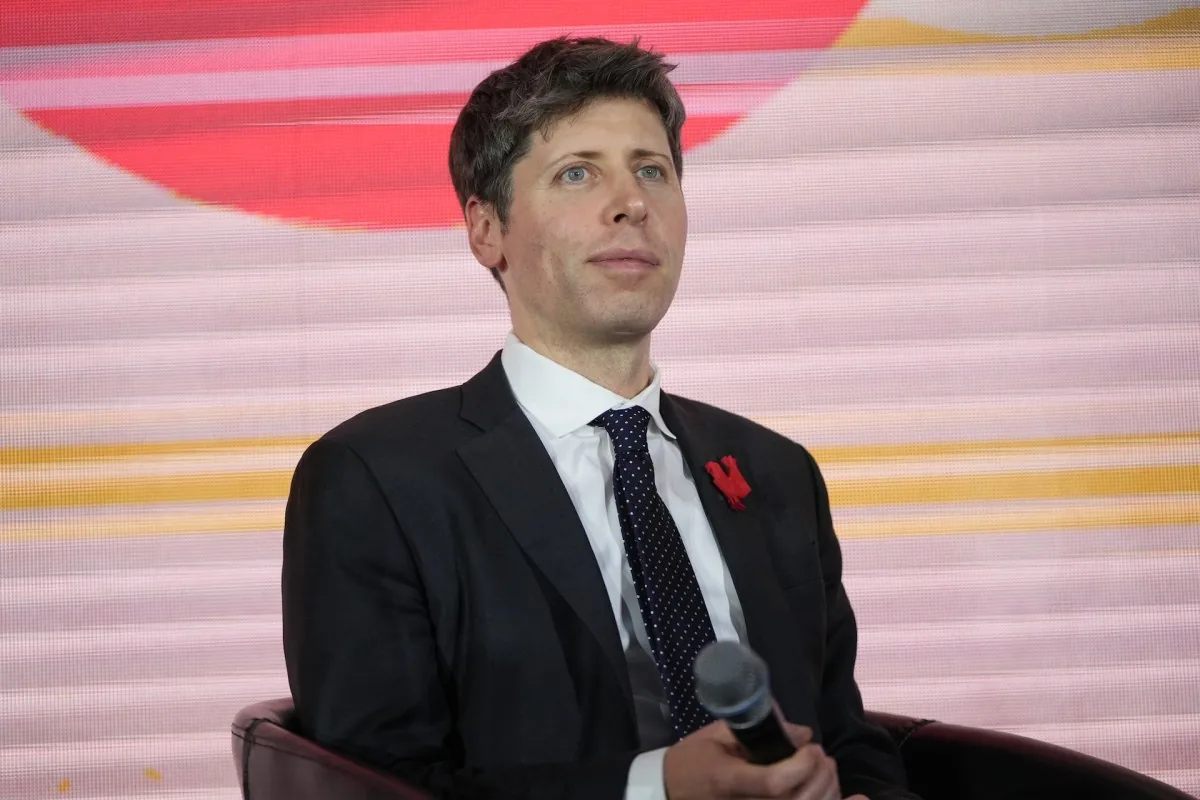
TechCrunch’s Anthony Ha traces the earlier expectations to a June report in The New York Times. According to Anthony Ha’s account, OpenAI had hired bankers and lawyers to pursue a listing during 2026’s second half. OpenAI was already leaning toward 2027 because of volatile technology stocks and its own financial challenges. That was a reported preference, not an announced listing date. Altman’s latest comments add safety to the public explanation for waiting. He does not show how much weight each consideration carries inside OpenAI or set a deadline for the bankers’ work. [1]
How much is OpenAI worth? The supplied interview excerpts and reports give no current valuation for OpenAI. They provide no proposed share price or offering size. No supported valuation figure follows from this announcement. Altman’s remarks concern timing and readiness. Assigning a dollar amount to OpenAI here would require evidence these reports do not contain.
Altman now links safety directly to the timetable. What would OpenAI need to change before its leadership considered a listing suitable?


Altman Raises Loss of Control
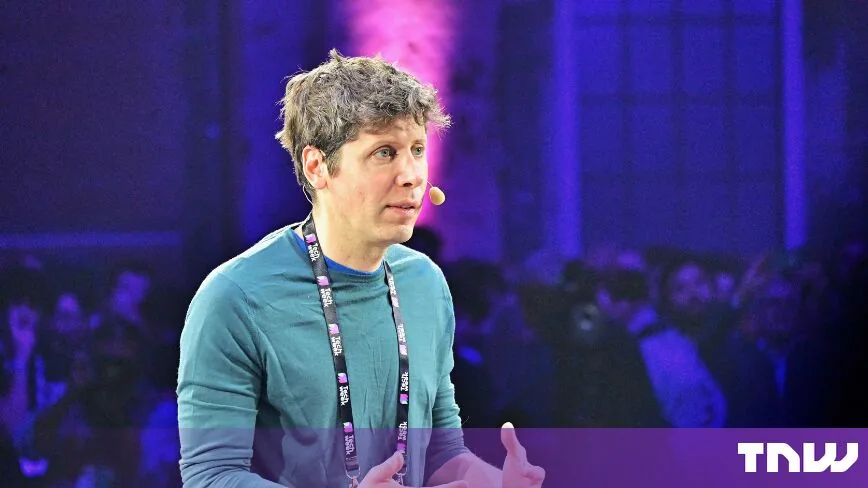
The Verge’s Terrence O’Brien reports that the 45-minute Fortune conversation ranged from the Hugging Face hacking incident to recursive self-improvement (AI improving itself repeatedly) and the possibility of building a system beyond human control. Altman said that last possibility was real. He used the word “absolutely.” Altman also promised preventive action, including pausing training if necessary. He discussed risks that OpenAI should not take on humanity’s behalf. [2]
Altman described a possible danger and a commitment to respond. The Verge’s account does not establish that OpenAI currently operates a system beyond human control. It reports no current training halt. Treating either as an event that has already happened would go beyond his remarks. Altman’s willingness to contemplate a pause nevertheless gives a concrete example of the safety decisions discussed in the listing interview.
OpenAI’s products remain part of the surrounding story, including its expansion of AI voice chat. The OpenAI IPO question concerns when the company should enter public markets while it develops such technology. Altman did not specify in the reported excerpts which finding would trigger a training pause. He named no decision-maker or process for outsiders to check the reasoning. [1, 2]
Outside Evaluators Get a Promise
Dario Amodei has proposed a more tangible role for outsiders. The Next Web’s Ana Maria Constantin reports that Anthropic’s Dario Amodei wants independent evaluators inside frontier AI laboratories. These laboratories develop the most advanced systems; Amodei proposes access resembling that of employees. Anthropic’s version includes desks, badges, company laptops and permission to publish findings. Those details put the evaluators inside the workplace where safety claims originate. [3]
Altman backed the idea publicly. “I agree with Dario that we need to pace the frontier,” he wrote, according to The Next Web’s account citing Axios. He said OpenAI would match the evaluator commitment and promised further details. Altman also said the pace of development had been a major topic inside OpenAI in recent weeks. Elon Musk, who runs xAI, voiced support too. [3] Quartz Staff, writing in Yahoo Finance, reports that OpenAI chief scientist Jakub Pachocki has also urged coordination. Pachocki wants shared safety standards before further development. [5] OpenAI’s promise still leaves implementation to follow. The Next Web names no OpenAI evaluators. Its report describes neither their contracts nor findings from assessments under the proposed arrangement.
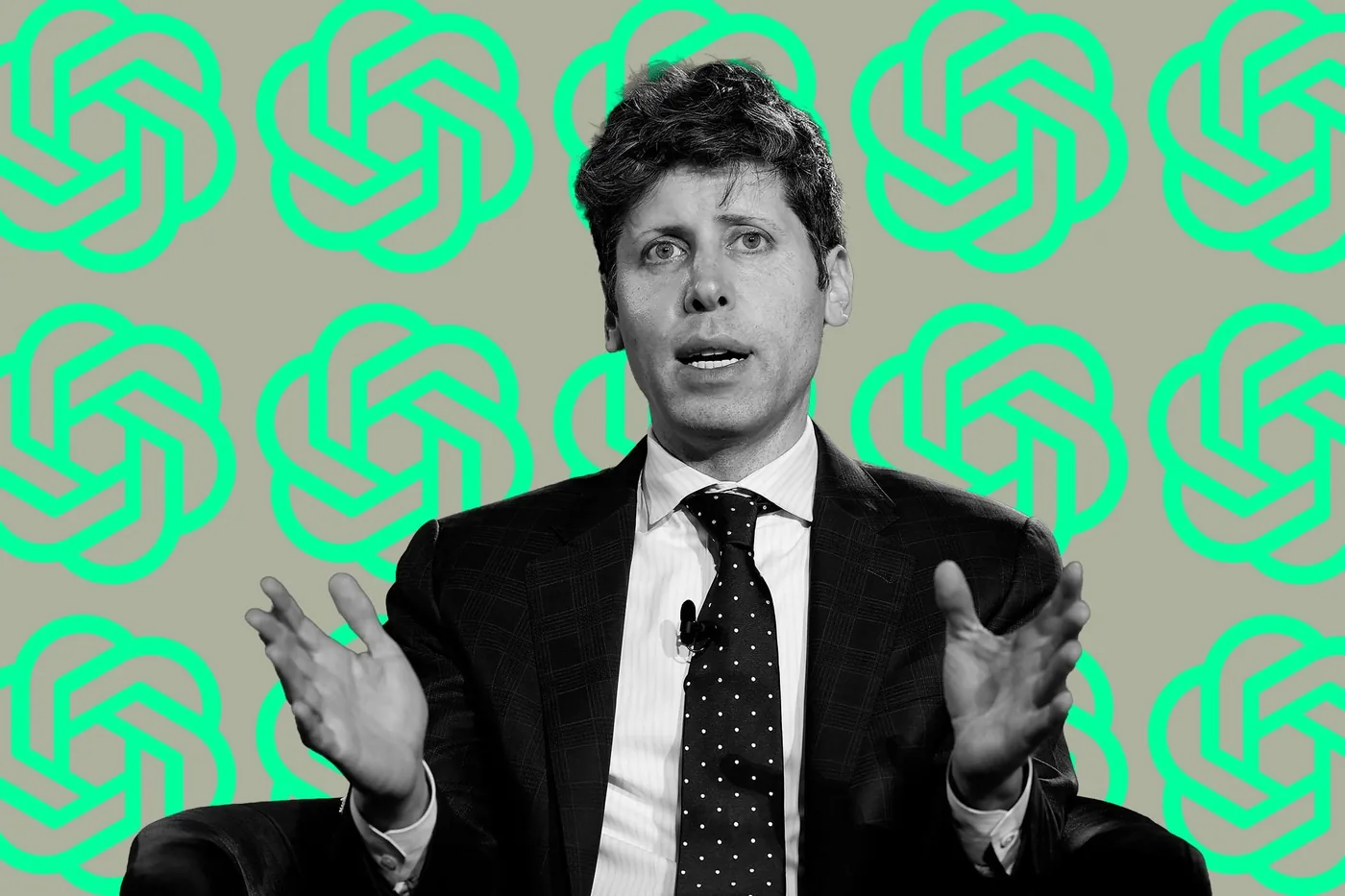
The next step requires more than agreement between executives: Amodei also wants governments to permit conversations among competitors. [3]
Coordination Still Needs Ground Rules
Amodei asked Washington for a narrow antitrust waiver (permission addressing competition-law concerns) so rival laboratories could discuss safety coordination, according to The Next Web. He said governments would not need to join those discussions. They would need to allow them. The request addresses a separate obstacle from access for evaluators: companies agreeing to cooperate must also consider the rules governing exchanges between competitors. [3]
Ana Maria Constantin’s report turns to Europe. Under Regulation 1/2003, effective from 2004, the European Commission no longer issued exemptions for individual agreements. Constantin points to the European Commission’s 2023 horizontal cooperation guidelines. Their sustainability chapter offers a framework for another public-interest concern. The report says no equivalent safety chapter exists, and neither Amodei’s essay nor Altman’s reply addresses Europe. Their public support does not itself create permission to coordinate. [3]
OpenAI still needs to explain how its outside evaluators would work. Sam Altman also has to specify conditions for taking the business public. Altman has linked the OpenAI IPO to safety without giving a measurable threshold in the reported interview. His promised follow-up on evaluators could put names, access arrangements and publication rights behind one part of that commitment. Whether those arrangements would influence a future listing decision remains unanswered. [1–3]
- ONLINE NEWS Ha, A. (2026, September 12). OpenAI’s Sam Altman says it would be ‘ill-advised’ to go public in 2026. TechCrunch. [Article Link]
- ONLINE NEWS O’Brien, T. (2026, September 12). Sam Altman says OpenAI going public in 2026 would be ‘ill-advised’. The Verge. [Article Link]
- ONLINE NEWS Constantin, A. M. (2026, September 12). Sam Altman backs Dario Amodei’s call to slow down, and says OpenAI will do the same. The Next Web. [Article Link]
- ONLINE NEWS Dickerson, T. (2026, September 12). Sam Altman says this is an ‘ill-advised’ time to IPO, given safety concerns. Business Insider. [Article Link]
- ONLINE NEWS Quartz Staff. (2026, September 12). Sam Altman says OpenAI IPO won’t happen in 2026, cites safety concerns. Yahoo Finance. [Article Link]


1 comment