





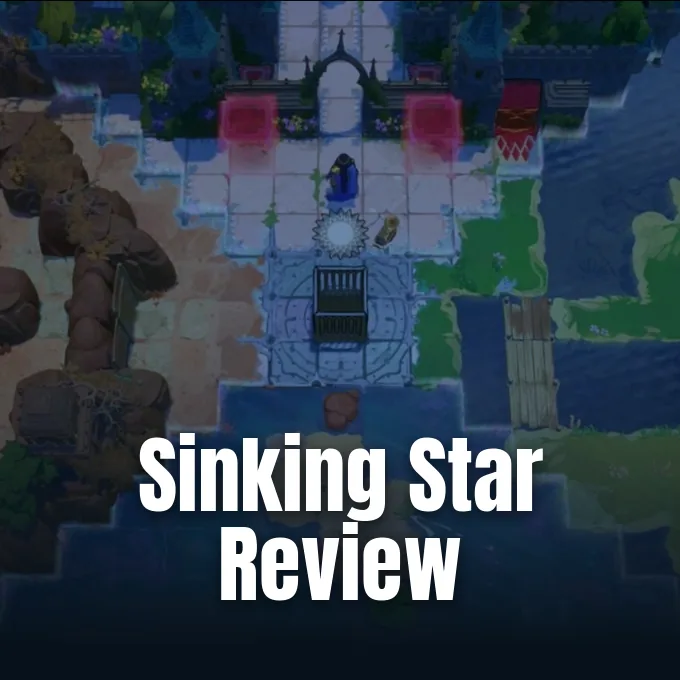
Game studio Thekla released Order of the Sinking Star on October 8, delivering a block-pushing puzzle adventure directed by Jonathan Blow that reimagines four classic browser games inside one connected world. The project unites more than one-thousand puzzles with an overworld journey led by an unnamed Queen, prompting early reviews that praise its clever logic while weighing visual clutter and difficulty [2].
Order of the Sinking Star Unites Four Indie Titles
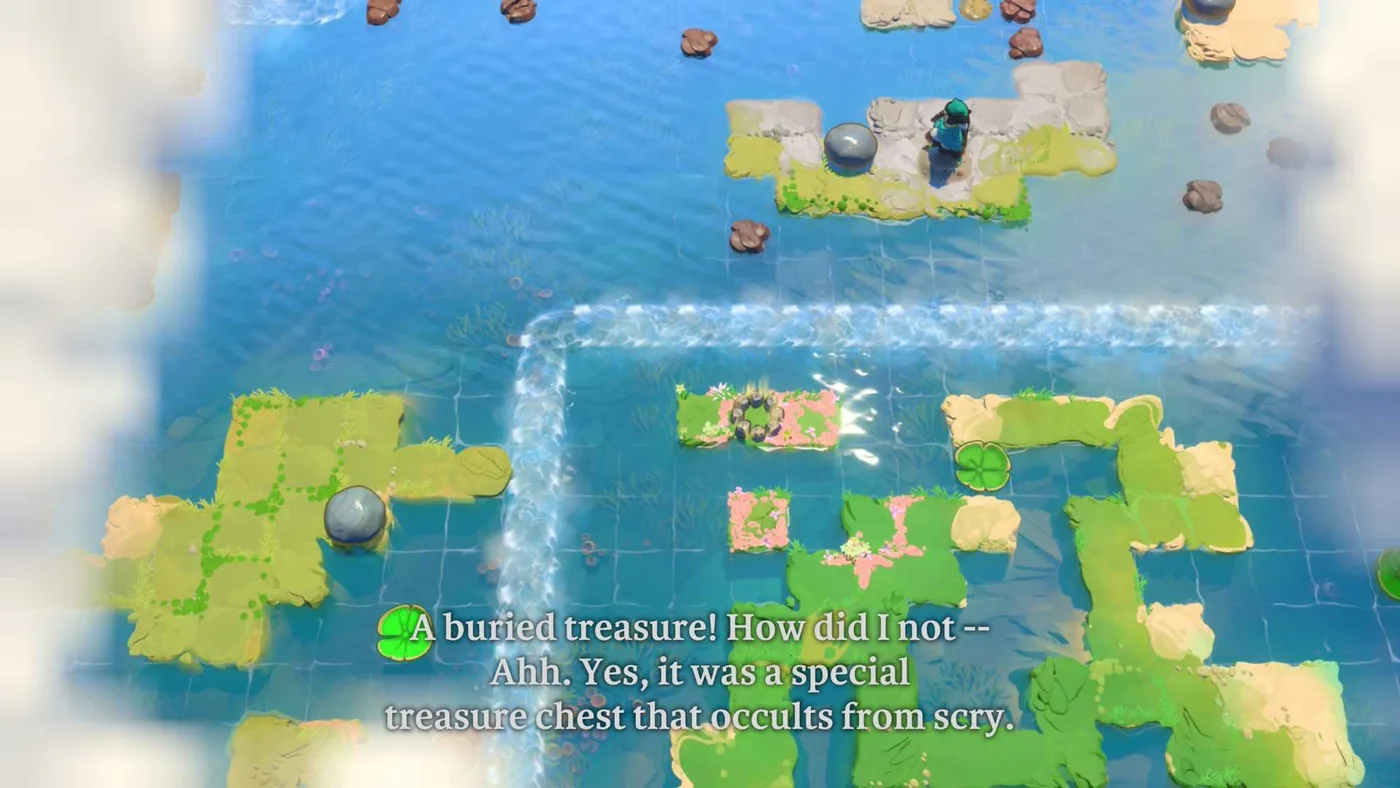
The game serves as an expansive home for reworked versions of four indie puzzle creations that players first met in web browsers. The Heroes of Sokoban, built by Jonah Ostroff, gives players a party of fantasy adventurers who push, pull, or swap places with blocks to open pathways through grid rooms. Sean Barrett designed Promesst, a maze puzzle based on switches that power machines sending out colored light beams that grant different movement effects. Designer Alan Hazelden contributed two separate titles to the project: Mirror Isles, which relies on reflections to duplicate characters across water gaps, and Skipping Stones to Lonely Homes, where players skip rocks between lilypads and distant ground [1].
Jonathan Blow directed the project at Thekla, while puzzle designer Patrick Traynor shaped many of the individual room layouts. The studio licensed each concept with permission from its creator. Outlet Shacknews called the result “the ultimate Sokoban game, a masterpiece from the best minds in the puzzle genre space” [5].
Thekla doesn’t present these titles as isolated items on a menu screen. It weaves their puzzle rules together so that ideas learned in one zone carry into the next. Kotaku writer Rebekah Valentine said that Thekla “not only brings new takes to the existing puzzle designs of all four games, but cleverly mixes and matches all these concepts” throughout the campaign [1].
Thekla Sokoban Puzzle Game Merges Distinct Mechanics
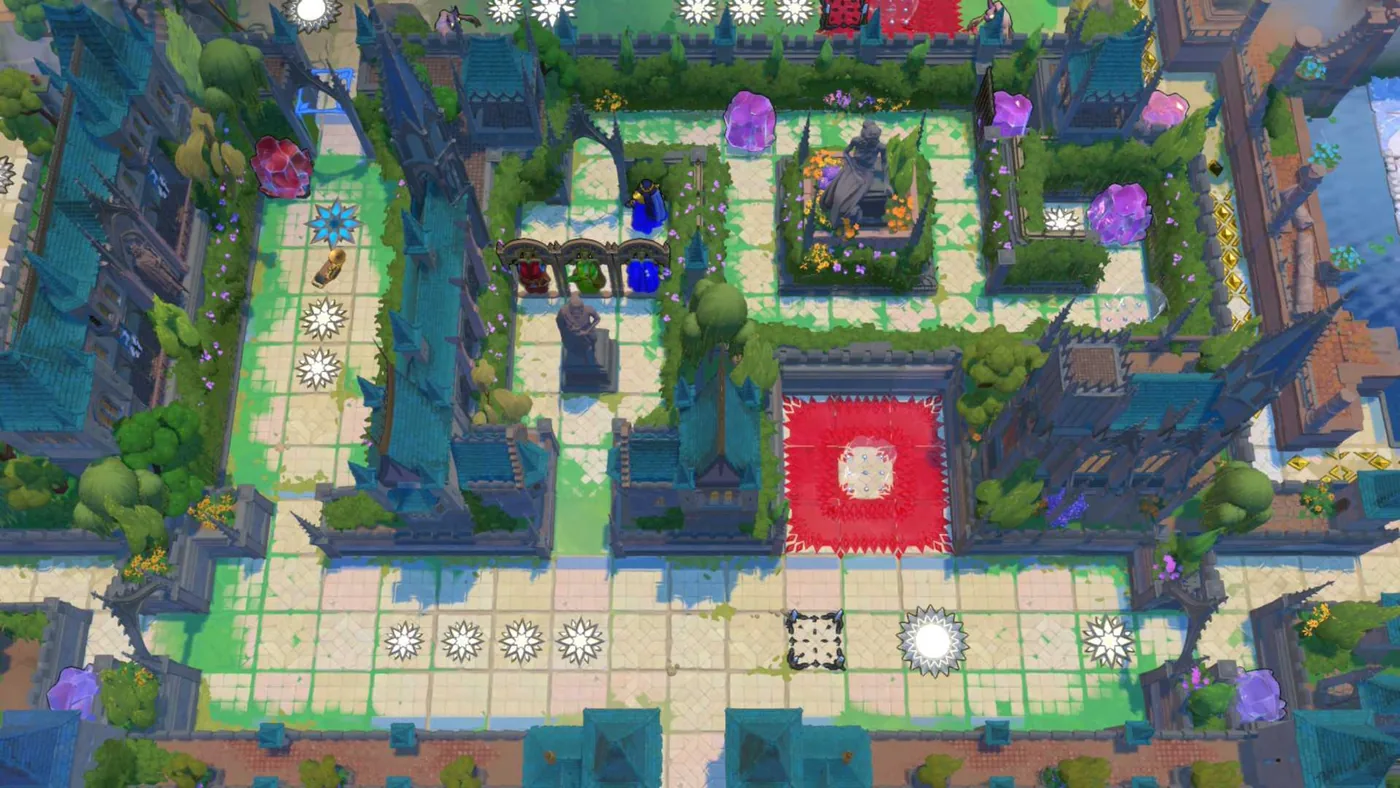
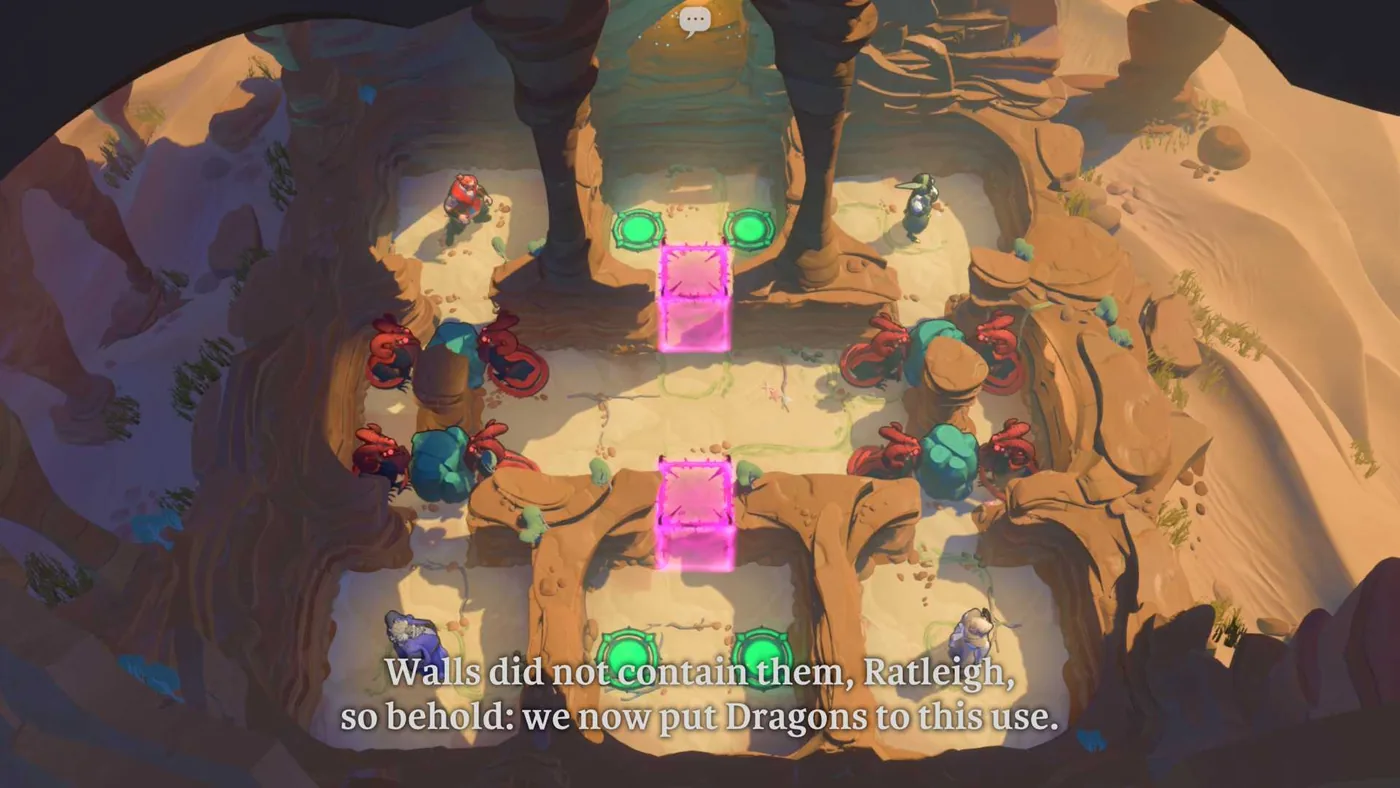
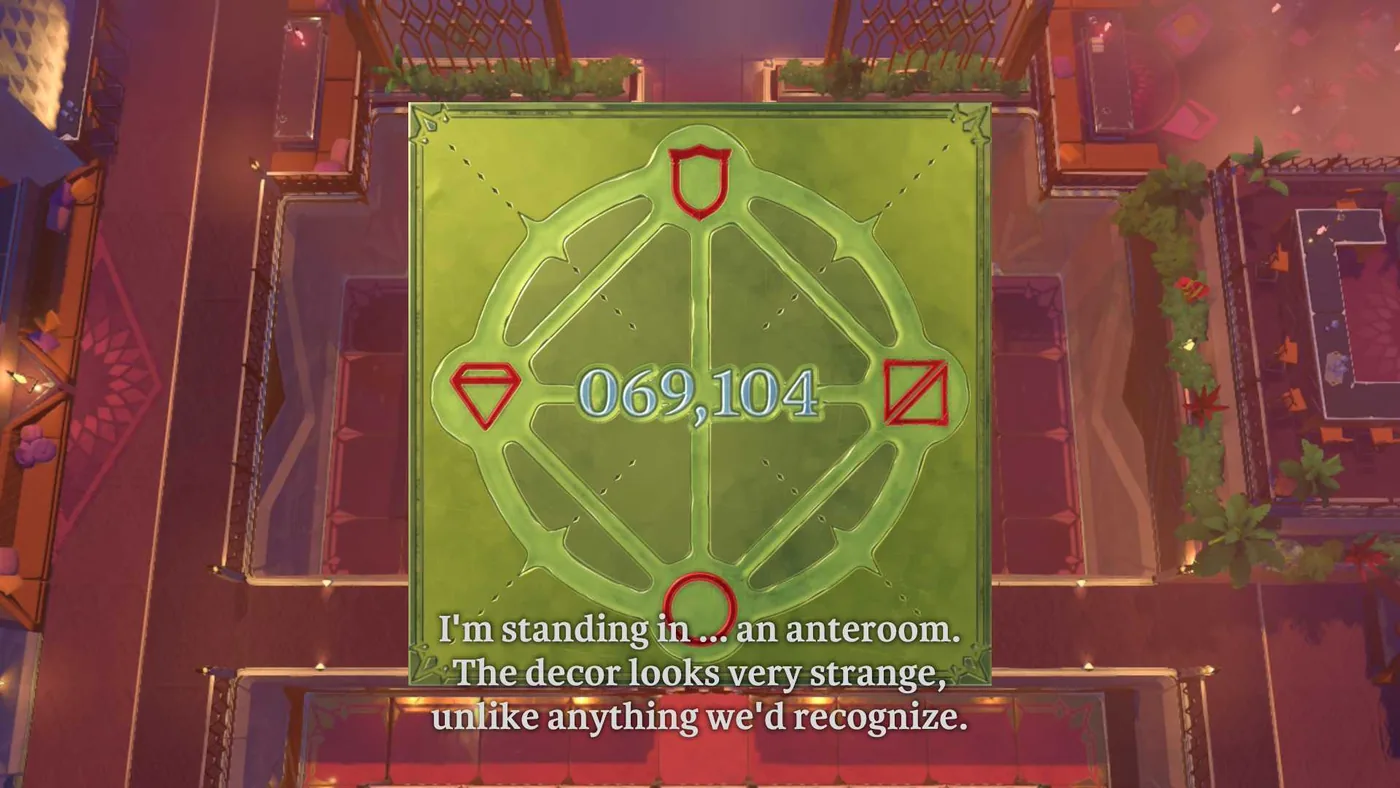
A central four-way crossroads divides the map into distinct routes, each introducing a different set of rules. Moving North starts Ostroff’s adventurer puzzles, where hero skills dictate how objects move. Heading East enters Mirror Isles, while traveling West leads to The Promise, an area centered on light beams and gems. The South path drops players into stone-skipping challenges across water [2].
Each character in these worlds works under defined limitations that shape the puzzles. Azario Lopez of Noisy Pixel explained that characters have clear compulsions, such as pushing blocks, gathering gems, or playing music that alters the environment. When those habits get in the way, players must adapt to what a character can do rather than complaining about what they can’t. As Lopez said, “Learning to work with them means understanding what each character can contribute rather than dwelling on everything they can’t do, even if complaining about them is occasionally more appealing” [2].
Later in the campaign, Order of the Sinking Star causes these separate puzzle rules to collide. Mirrors from the East become tools within fantasy dungeons in the North, asking players to rethink how movement rules affect one another. Similar design tensions between ambitious scope and room layouts featured in our End of Abyss review roundup, which tracked how player momentum shifts when puzzle rules expand. Lopez said that combining these mechanics changes what players can accomplish rather than just adding extra obstacles [2].

Overworld Navigation and Bird’s-Eye Perspective
Between the puzzle rooms sits an overworld where the Queen travels to find new challenges and open locked paths. She uses what she learns in puzzle chambers to solve environmental puzzles on the main map, creating what Valentine called “puzzles within puzzles within puzzles.” The camera rests at a slant above the grid, but players can back out to a bird’s-eye view to scan a simplified, miniature version of the map before warping directly to their destination [1].
Thekla added helpful tools that support player experimentation. Lopez noted that players can rewind moves or reset a room when an idea falls apart, letting them test ideas without repeating every earlier step. Stepping back a few moves can reveal how an object behaves, helping players reach an answer without starting over. The system doesn’t remove challenge, but it takes away the sting of small mistakes [2].
Visual clarity on television displays caused frustration for some critics during review sessions. Valentine reported that the overworld can look too busy on a big screen when playing docked on Nintendo Switch 2, where small interactive objects and subtle color differences proved hard to decipher. In one early sequence, a wardrobe that changes the Queen’s cape color from purple to blue caused confusion because the visual shift wasn’t distinct enough on the display. She said that this crowded look is probably less of an issue when playing close to a PC screen or in handheld mode on Switch, where smaller displays keep the detailed grid closer to the player’s view [1].
Dialogue and Incomplete Voice Cast Dynamics
The story framing the game follows the Queen as she uncovers audio recordings left by someone who walked the temple before her. Each puzzle world adds smaller story threads: the Heroes of Hauling deal with a king, while Mirror Isles follows a man returning home while expecting to die [1].
This dialogue didn’t hold Valentine’s interest, contrasting her reaction with mystery puzzle games like Blue Prince, Void Stranger, and Animal Well. While those games pull players in with captivating worlds, Valentine felt distant from the character plots in Order of the Sinking Star, noting that she was simply there to push blocks. She compared the early narrative to “The Second City doing The Harold,” waiting to see if the separate storylines would come together [1].
That distance grew larger because critics received an incomplete build of the game for review. Valentine spent her ten hours listening to a voice cast made up of about half human actors and half placeholder artificial intelligence voices. Thekla warned reviewers ahead of time about the computer voices, as well as subtitle typos and audio sync errors, explaining that they won’t appear in the finished game. The studio said that buyers playing on the October 8 launch will hear a full cast of human voice actors who already sounded strong in completed scenes [1].
Nonlinear Progression and Player Roadblocks
Because players don’t have to finish every room in one direction before trying another, the open world offers welcome relief during tough puzzles. Lopez explained that when a puzzle stopped him for ten minutes, he backed out to the overworld and tried a different zone. Leaving a room doesn’t solve the puzzle, but it keeps players from burning out on a single roadblock. Players can switch from stone-skipping to beam puzzles whenever they hit a wall [2].
Reviewers across gaming outlets reported different feelings about the title’s enormous puzzle count. Push Square called the release a beast with nearly a thousand puzzles and multiple endings to discover, but the reviewer grew weary as the hours piled up on PlayStation 5 [3]. On the other hand, Nintendo Life said that Order of the Sinking Star isn’t for the weak-willed, making players earn their progress while uncovering an intriguing story set in a mystical plane [4]. These reactions show how a massive volume of puzzles can satisfy determined solvers while wearing down others [3].
By pulling four indie puzzle designs into a shared overworld, Order of the Sinking Star builds a demanding test of logic. Blow and his collaborators created a game where character rules reward patience. Solvers can tackle more than one-thousand challenges at their own pace on their own terms [2].
- ONLINE NEWS Valentine, R. (2026, October 7). 10 Hours With Jonathan Blow’s New Puzzle Game Order Of The Sinking Star. Kotaku. [Article Link]
- ONLINE NEWS Lopez, A. (2026, October 7). Order Of The Sinking Star Review – Beautifully Complicated. Noisy Pixel. [Article Link]
- ONLINE NEWS Push Square. (2026, October 8). Review: Order of the Sinking Star (PS5) – Jon Blow’s Huge Sokoban Design Mixtape Made Me Weary. [Article Link]
- ONLINE NEWS Nintendo Life. (2026, October 8). Review: Order Of The Sinking Star (Switch 2) – Intense, Sometimes Gruelling, But Always Inventive. [Article Link]
- ONLINE NEWS Shacknews. (2026, October 8). Order of the Sinking Star Review: Worlds Collide. [Article Link]


