





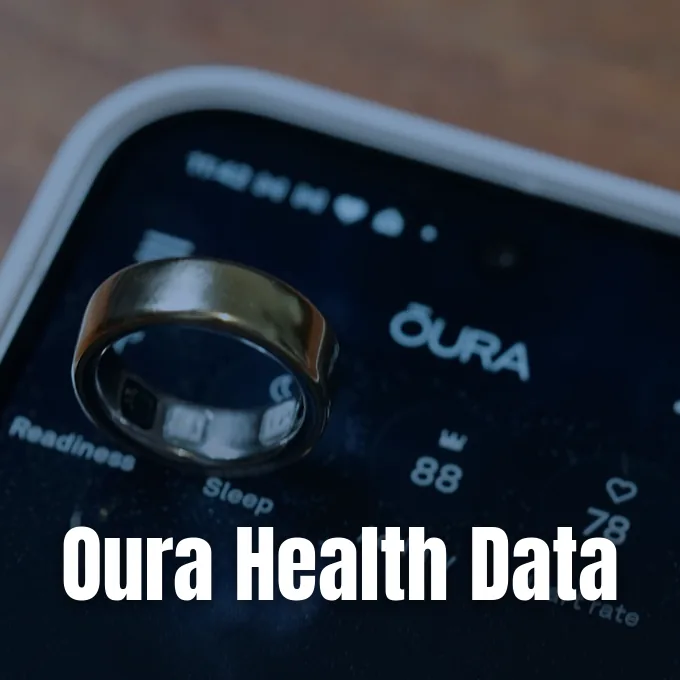
Oura will drop support for Android 11 on December 8, 2026, warning that customers who do not update their phones could permanently lose access to Oura health data. The cutoff arrives quickly. Anyone running the six-year-old operating system will be unable to carry past records forward if they upgrade their phone after the deadline [2]. Companies often retire older OSes, but removing past user statistics goes far beyond missing out on routine features in the Oura App [1].
Oura Health Data and Android 11
The policy update appeared on the official software support page from Oura ahead of the planned retirement on December 8, 2026. Terrence O’Brien at The Verge and Hillary Keverenge at Android Authority both spotted the updated guidance while tracking consumer wearable software policies across mobile device platforms. On that support page, Oura plainly stated: “You might lose your Oura health data if you’re still using an old Android phone”. The company told customers to install Android 12 or a newer build to keep their profiles working normally [1].
Users who remain on the older build face immediate trade-offs that could disrupt daily wellness routines. Oura warned that customers who stick with Android 11 might still use some limited historical app features for a short window, but anyone who postpones moving past Android 11 cannot carry over past health tracking if they decide to switch software versions down the road. A delayed system update could wipe years of sleep, activity, and recovery metrics [2]. That outcome surprises wearable owners who expect cloud accounts to protect their files. The Oura App will change. Hardware owners who stay behind will lose their long-term baselines [1].
Android 11 first debuted in 2020, making the software more than six years old today [2]. That is a long lifespan in mobile technology. Most engineering teams regularly retire older OSes to reduce maintenance overhead, simplify code libraries, and shift active staff toward newer mobile features. But losing multi-year metric histories goes far beyond missing out on routine interface additions [1].
Backup Steps in Membership Hub
Wearable owners who cannot immediately update their phones can still safeguard their information manually before the December deadline arrives. Oura lets users download a complete copy of their personal statistics through its Membership Hub ahead of the cutoff date. People can log into that web portal from any internet browser, request their files, and save the exported metrics to a computer or external storage drive. This simple step keeps daily sleep patterns and fitness milestones accessible even if the Oura App stops syncing [1]. An offline copy gives people a reliable safety net if their smartphone hardware cannot support Android 12 [2].
Many older budget and midrange handsets stopped receiving official manufacturer software upgrades years ago, leaving owners completely unable to install newer operating system builds through standard device settings. The options remain narrow. For those users, the December 8 deadline acts as a firm cutoff that leaves little room for hesitation [1]. Without a fresh operating system or a clean data export, past health records will vanish [2].
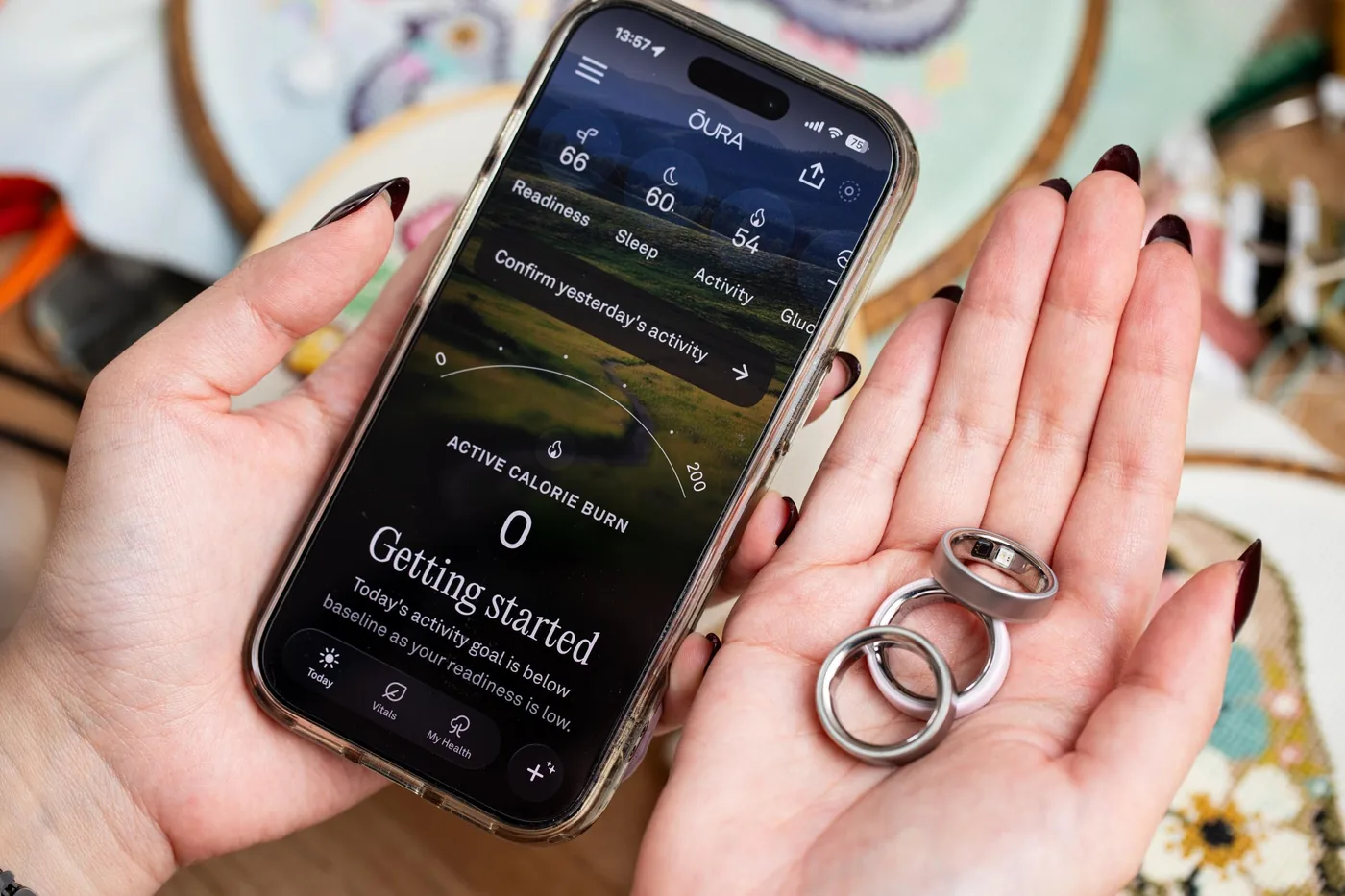
Device lifecycles vary widely across the mobile industry, and Oura is not the only company leaving older software behind [2]. Google recently raised the baseline requirement for Android Auto to Android 11 as well. Yet Oura’s decision to drop Android 11 goes much further than typical platform maintenance because it threatens historical user records rather than just compatibility with dashboard displays. Anyone who cannot buy a new phone right away should download their data archive before the deadline hits [1].


Cloud Storage and Sync Limits
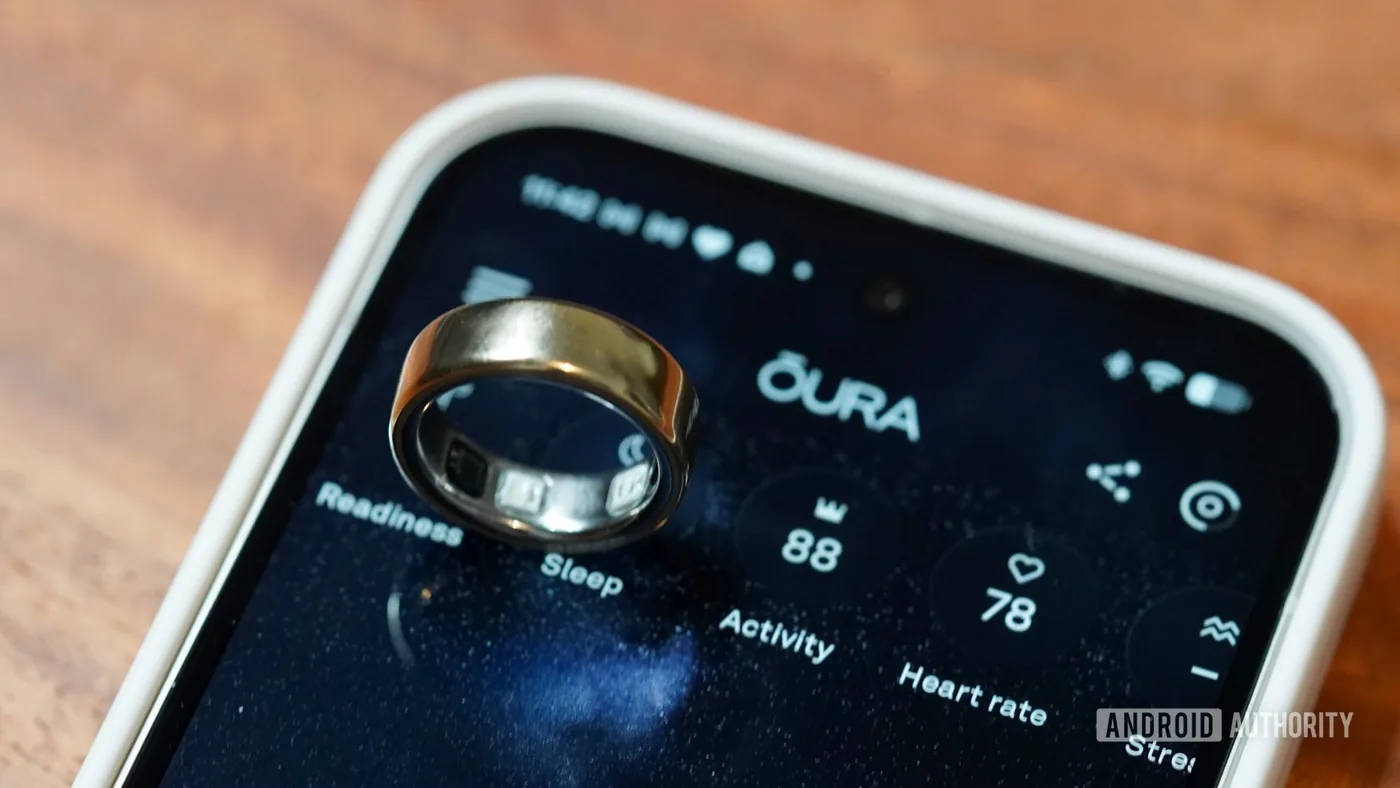
The main appeal of wearing an Oura Ring lies in gathering long-term biological trends over months and years. Writers at Android Authority said that wearing the device daily unlocks personalized annual health recaps and long-term blood pressure patterns that become far more meaningful over time. The lost archive reduces the value of the Oura Ring, wiping out the personal history that makes wearable tech worthwhile [2].
Oura has offered no official public explanation for why past metrics cannot sync safely to remote cloud servers and transfer cleanly to a newer operating system later. On its official support page, the company plainly warned: “Please note that if you do upgrade your smartphone system later, your historical Oura data will not carry over.” That stance puzzles wearable owners who assumed their membership fees funded cloud storage independent of local handset software. The silence creates confusion. Why would an app delete past records rather than simply freezing updates on Android 11? The company has not clarified whether database changes prevent old data from migrating into modern builds of the Oura App. For now, users must take responsibility for preserving their own data [1].
The situation creates a real bind for ring owners who rely on their devices every day [2]. Anyone who delays an update risks seeing years of sleep records and activity metrics disappear overnight. The warning serves as a reminder that connected devices depend heavily on the software health of the smartphones paired with them [1].
Android Growth Across Mobile Hardware
To understand how operating systems age, it helps to examine Google’s mobile reach. Android is the most widely used operating system in the world with 4 billion users, accounting for 45% of the global operating system market across computing platforms. Andy Rubin and Chris White founded Android Inc. in Palo Alto, California, in October 2003, with Rich Miner and Nick Sears joining soon after. Rubin had created the T-Mobile Sidekick at Danger, Inc. before starting the new venture. The team originally aimed to build an operating system for digital cameras named FotoFrame. When camera investors proved elusive, the engineering group pivoted in April 2004 toward building an advanced mobile phone system to challenge Symbian and Microsoft Windows Mobile [3].
Early development proved difficult for the small team, and Rubin faced potential office eviction until close friend Steve Perlman brought him $10,000 in cash in an envelope. Perlman later wired seed funding without taking equity, stating: “I did it because I believed in the thing, and I wanted to help Andy.” Rubin sought manufacturing partnerships in 2005 with firms including HTC and Samsung. Executives at Samsung refused the pitch in March 2005, telling Rubin: “You’re what army? Creating an open-source mobile operating system with just 6 people, it’s nearly difficult” [3].
Google acquired Android in July 2005 for at least $50 million, a purchase that David Lawee called Google’s “best deal ever.” The software launched in 2008 as the Android Open Source Project under the Apache License, dominating the smartphone sector worldwide by 2011. Today, core services like Google Play, Google Chrome, and Firebase Cloud Messaging run alongside custom interfaces such as Samsung One UI and Amazon Fire OS. By 2026, the system reached Android 17, released on June 16, 2026 [3]. With billions of active devices, maintaining backward compatibility for Android 11 becomes difficult for third-party developers [2].
Upgrading Devices to Keep Oura Health Data
Hardware support lifecycles determine how long consumers can safely hold onto older phones before apps stop working [2]. Phone manufacturers provide varying update windows, which impacts how users protect Oura health data across multiple years [1]. Similar challenges appear across the mobile space, such as the scheduled timelines for Pixel software updates that Google assigns to each phone generation.
For Oura Ring owners, the first practical step is checking device settings to see if an update to Android 12 or higher is ready to install immediately. If an older handset cannot update to Android 12, the user must decide whether to upgrade their phone or accept the loss of full app support. Users who switch to a newer phone before December 8 can migrate Oura health data without interruption. The cutoff date is firm. Those who delay will find their past tracking trapped on the older phone [2]. A backup downloaded from the Membership Hub remains the best safeguard against unexpected data loss [1].
Software retirement is an inevitable part of the tech industry as mobile platforms push forward into newer releases. As December 8 approaches, ring owners still running Android 11 should act promptly to download their records and verify their phone software [1]. Action before the December 8 deadline keeps years of sleep and activity logs safe as Android 11 reaches its end of life [2].
- ONLINE NEWS O’Brien, T. (2026, November 27). You might lose your Oura health data if you’re still using an old Android phone. The Verge. [Article Link]
- ONLINE NEWS Keverenge, H. (2026, November 27). Oura is dropping Android 11 support in December, and users risk losing health data. Android Authority. [Article Link]
- WEBSITE Wikipedia contributors. (2026). Android (operating system). Wikipedia, The Free Encyclopedia. [Article Link]


