





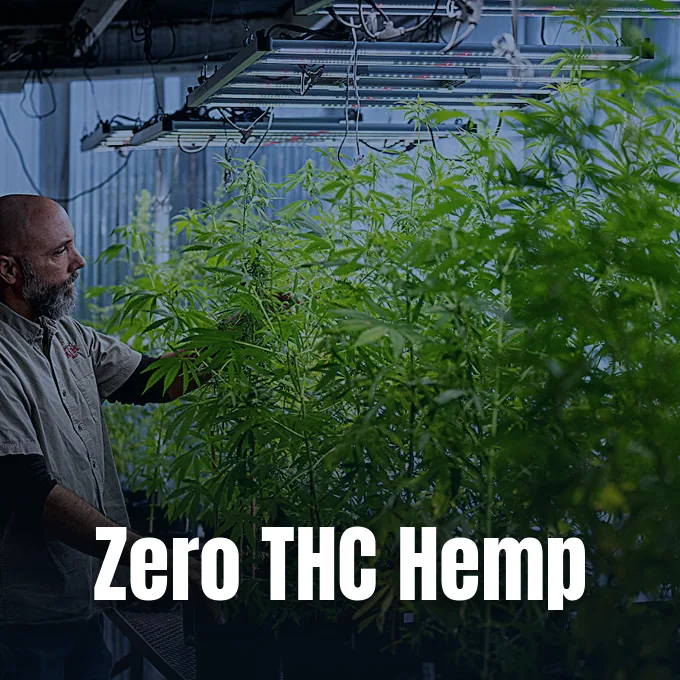
Plant breeders at Texas A&M AgriLife Research have developed a hemp plant that produces no detectable cannabinoids, removing the threat of crop loss for growers. The new plant line carries a patent-pending genetic trait that stops the growth of resin glands on plant trichomes, keeping delta-9-tetrahydrocannabinol levels at zero. Under federal rules and Texas Department of Agriculture standards, fields testing above 0.3% THC must be burned or destroyed, a risk that has kept many farmers from growing hemp for grain and stalk fiber. Developing zero THC hemp gives Texas growers a dependable crop that meets legal limits without losing agronomic value. [3]
The Crop Loss Risk for Farmers
In the Texas A&M College of Agriculture and Life Sciences Department of Soil and Crop Sciences, researchers study industrial hemp (Cannabis sativa L.) to help growers meet legal crop standards. Federal guidelines and Texas Department of Agriculture rules define industrial hemp as cannabis with less than 0.3% delta-9-tetrahydrocannabinol by dry weight. Because THC is the active constituent of marijuana, state testing labs mandate the complete destruction of any field exceeding that legal threshold. That legal ceiling created constant worry for Texas growers who wanted to raise hemp for grain and fiber. Russ Jessup, who directs the Texas A&M AgriLife Research and Extension Center at San Angelo, said this risk kept many farmers from entering the sector. [2]
The danger of this legal limit peaked during 2023 field evaluations in Texas, when nearly every Asian fiber hemp line imported into the state tested above the federal 0.3% THC limit and faced mandatory burning by agricultural authorities. Asian cultivars were the only fiber lines adapted to the hot summer climate of Texas, so those widespread losses nearly wiped out the local hemp sector. Texas farmers who spent funds on land preparation and seed lost everything when state testing reports arrived. Jessup initiated breeding work in 2020 once state agriculture officials granted regulatory clearances, striving to shield growers against harvest losses. [2]
Growers in Texas faced an impossible choice between risking total crop destruction and abandoning the plant entirely. Processing facilities in the United States need steady deliveries of clean stalks from local fields, but decortication mills cannot operate when state inspectors order fields plowed under. Jessup said removing this legal threat was the only realistic way to restore farmer confidence in dual-purpose hemp lines sponsored by Rare Earth Genomics. [3]
Plant Trichomes and Non-GMO Selection
Unlike established row crops such as cotton, corn, and wheat, industrial hemp breeding historically lagged behind in developing specialized agronomic traits. Earlier research teams at other universities and commercial firms attempted to eliminate THC by modifying the plant’s enzymatic synthesis pathway with gene-editing tools, but Jessup said none of those efforts succeeded in removing 100% of the target cannabinoids. The Texas A&M AgriLife Research team chose an anatomical route instead. Rather than altering chemical pathways, researchers focused on the plant parts where cannabinoids grow and collect. Tiny hairlike structures called trichomes cover the leaves and flowers of the Cannabis sativa plant, and each trichome normally carries a microscopic secretory resin gland at its top. [1]
Because cannabinoids gather only inside these glandular caps, stopping gland growth prevents the plant from making THC or any other cannabinoid compounds. The Texas A&M AgriLife Research breeding program bypassed genetic modification tools like CRISPR, using chemical mutagen treatments followed by standard plant selection methods. Jessup said no other hemp breeding program had used this anatomical method to obtain a glandless, cannabinoid-free plant. [2]
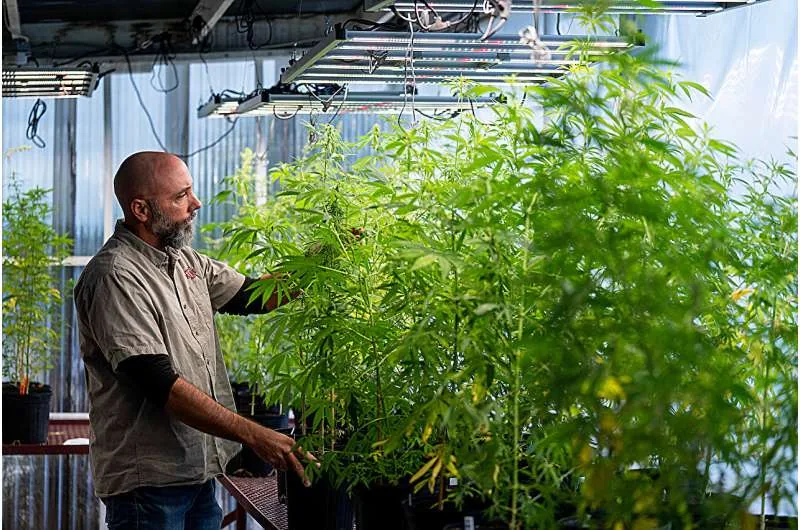
“There’s no GMO part to what she did,” Jessup said when describing the breeding method. “It really is more of a traditional plant breeding approach. As far as we know, no other hemp breeding program has used this approach to get a glandless, cannabinoid-free plant.” [2]
Development of Zero THC Hemp Lines
The breeding breakthrough began in 2022 when Texas A&M graduate student Teja Sri Vengala joined the industrial hemp breeding team under Jessup. Vengala targeted trichome structure through breeding trials in 2023, working with little published research to guide chemical mutation methods in cannabis. She selected ethyl methanesulfonate (EMS) as the chemical mutagen, working on the determination of the EMS lethal dose LD50 for diploid and tetraploid lines. Her paper in Crops, authored with T. Mahmood, C. Garcia, and Jessup under DOI 10.3390/crops6040078, evaluated heat-tolerant diploid accessions (2n) and tetraploid lines (2n = 4x = 40). The team determined the median lethal dose to be 2% EMS for five hours in diploid seeds and 2% for eight hours in tetraploid accessions, observing significant variation in seed germination rates across mutagen treatments (p < 0.05). [1]
After treating parental M0 seeds with calibrated mutagen doses, Vengala germinated mutant M1 populations and M2 plants at Texas A&M to inspect thousands of emerging seedlings. She recorded induced mutations that caused dwarf growth, twin seedlings, leaf variegation, and fasciation before finding individual plants that lacked glands on their trichomes. Self-pollinating these selections stabilized the glandless trait across subsequent generations. Cultivating zero THC hemp plants confirmed that the missing glands prevented cannabinoid synthesis completely. [1]
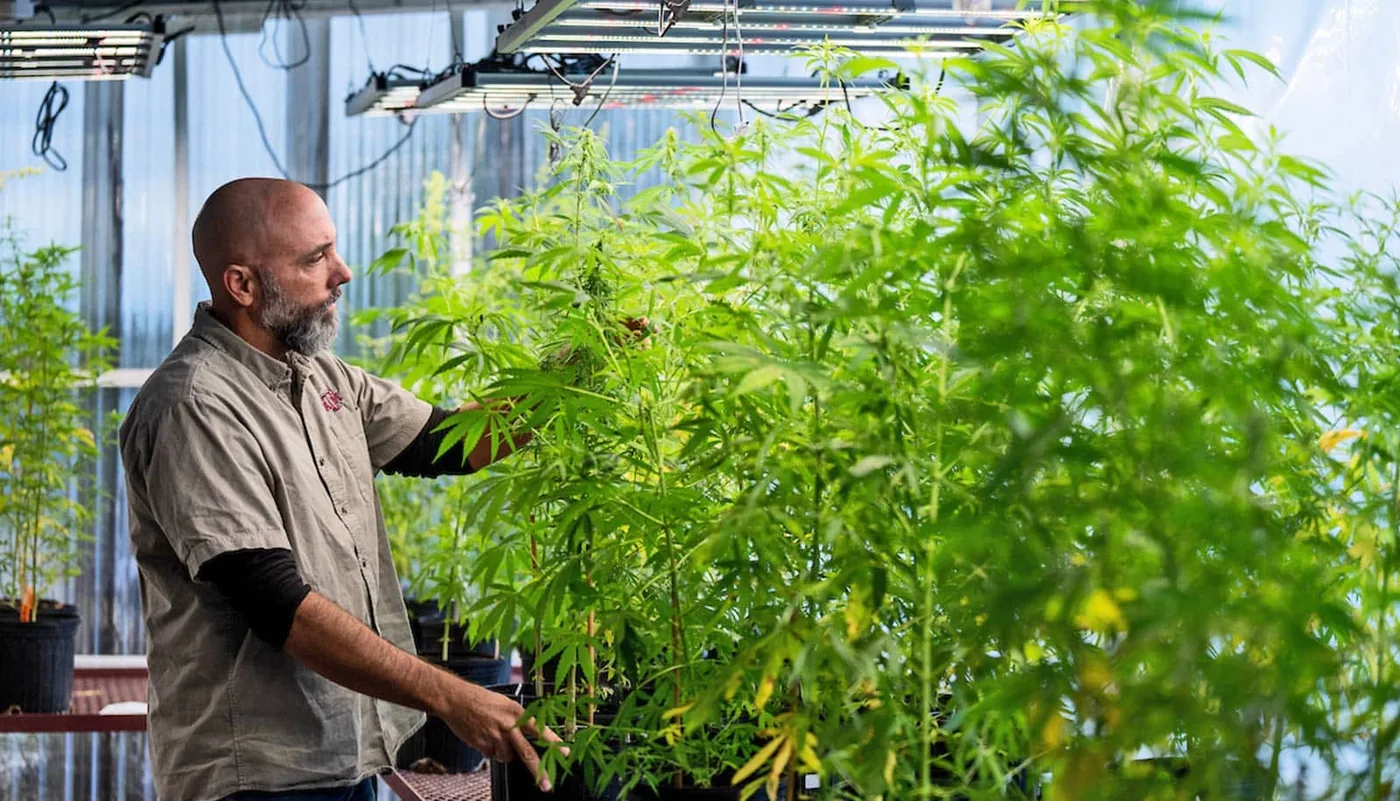
“Because there are no glands on top of the trichomes, cannabinoids cannot be produced,” Vengala said. Laboratory testing verified her observations. High-performance liquid chromatography screened the plant tissues for 18 cannabinoids and detected none. [2]
Candidate Genes Behind the Glandless Trait
To discover the genetic basis of the glandless trait, Vengala carried out sequence alignments following whole-genome sequencing of the mutant hemp plants at Texas A&M University. Her genomic analysis identified two novel candidate genes linked to the trichome development pathway that appear directly responsible for stopping resin gland growth. The Texas A&M team partnered with the Texas A&M AgriLife Genomics and Bioinformatics Service to validate these candidate genes and design molecular markers. These molecular markers allow plant breeders to test young seedlings in the laboratory, eliminating the need to wait for adult flowers to form before checking trichome anatomy under a microscope. [2]
Vengala published the research findings in the scientific journal Crops with co-authors T. Mahmood, C. Garcia, and Jessup. After earning her master’s degree in 2024 from Texas A&M University, Rare Earth Genomics Texas LLC in Bryan-College Station hired Vengala as lead plant scientist to direct breeding work. [3]
Type V Hemp Draws Worldwide Interest
Developing a cannabinoid-free plant creates a fresh botanical category, qualifying the line as a Type V hemp cultivar. Rare Earth Genomics Texas LLC in Bryan-College Station funded the Texas A&M research and holds exclusive commercial licensing rights for the patent-pending plant line. Jessup said government agencies and private breeding companies worldwide have already contacted Texas A&M AgriLife Research to license the germplasm for local farming regions. [3]
“Producers always had to worry about whether they’re going to have to destroy their crop; with Type V, they never have to worry about that again,” Jessup said. “The idea is to have the trait available for anybody to breed with now.” [2]
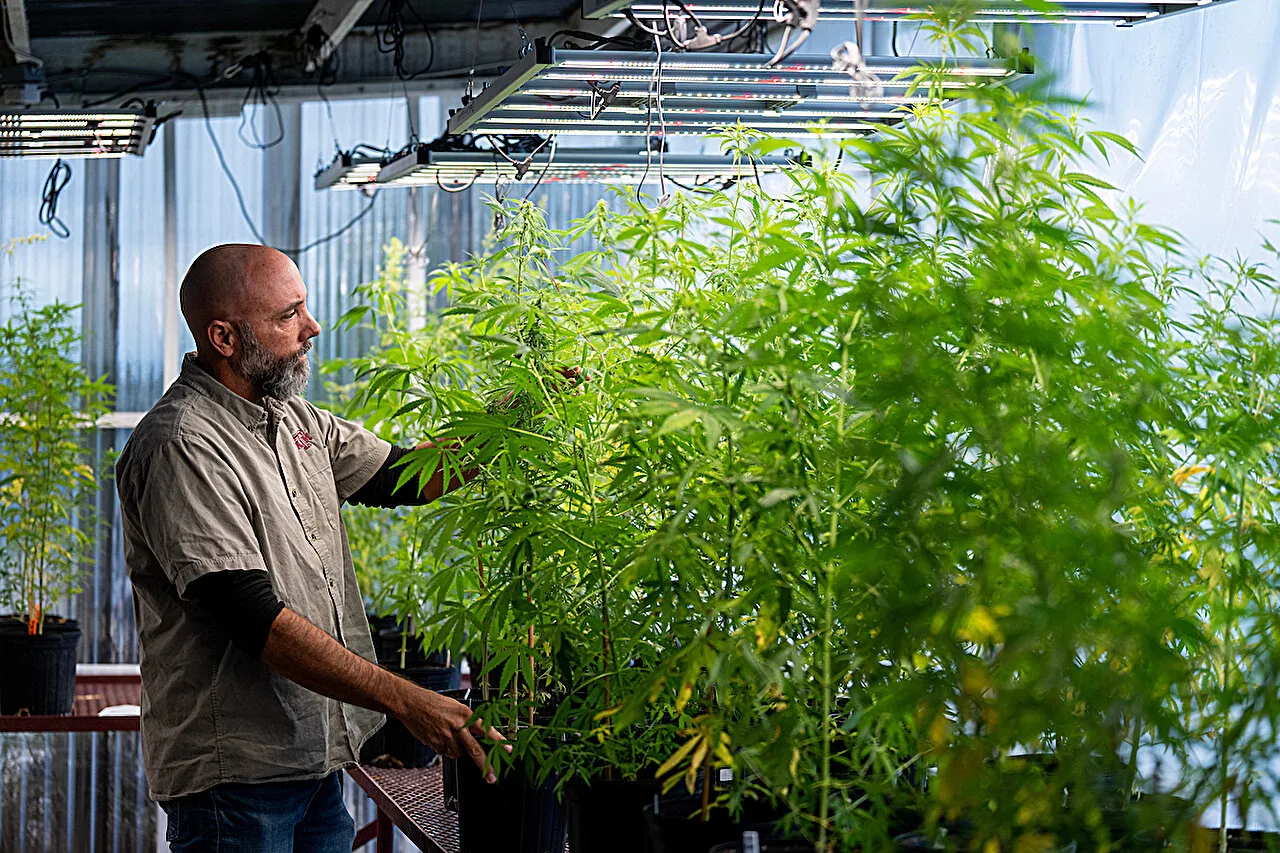
While the hemp market in the United States remains modest, foreign nations often enforce legal limits on cannabis that are far tighter than American rules. In countries where any trace of THC brings crop destruction or legal fines, zero THC hemp lines give agronomists an exportable crop line that avoids cross-border legal penalties. Breeders in Europe, Asia, and the Americas can cross the Type V trait into their own locally adapted fiber and grain varieties, combining high local yields with complete legal safety. [2]
Field Trials and Timeline to 2029
Hemp farming in Texas requires plants that can withstand hot summer weather, but grain lines imported from Canada and Europe struggle in southern fields. To solve this problem, Jessup and his team at Texas A&M AgriLife Research plan to breed grain, fiber, and dual-use cultivars adapted to Texas soils. Hemp grain delivers an attractive nutritional profile rich in omega-3 and omega-6 fatty acids, offering a wholesome feed supplement for cattle and poultry that could enrich farm eggs and meat. [3]
Texas hemp grain also matches standard small grains equipment already found on Texas farms, so growers avoid buying costly new gear. Before seed distribution can begin, the AgriLife Research team will conduct seed increase plantings this winter, followed by field trials in 2027 and 2028 across Texas research stations. Integrating zero THC hemp genetics into regional lines ensures that field crops produce reliable harvests. Jessup expects certified seed from AgriLife Research-bred cultivars to reach Texas farmers by 2029. [3]
Will farmers return to hemp once regulatory risks vanish? Growers in Texas who left the sector after suffering severe test write-offs now have a clear path back to farming without legal worry. By removing the risk of forced crop burning, this glandless breeding method gives the agricultural sector a steady foundation for long-term growth. [2]
- ACADEMIC JOURNAL Vengala, T., Mahmood, T., Garcia, C., & Jessup, R. (2026). Determination of the EMS Lethal Dose (LD50) and Characterization of Induced Mutations in Industrial Hemp (Cannabis sativa L.). Crops, 6(4), 78. [Article Link]
- ONLINE NEWS Texas A&M University. (2026, November 20). New hemp plant produces no detectable THC, potentially reducing risk of crop destruction. Phys.org. [Article Link]
- ONLINE NEWS Texas A&M University. (2026, November 20). Team creates a hemp plant with zero THC. Futurity. [Article Link]
APA 7: PerEXP Teamworks. (2026, November 21). Texas A&M Scientists Develop Zero THC Hemp to Protect Crops. PerEXP Teamworks. https://perexpteamworks.com/en/zero-thc-hemp-crop-protection/


