






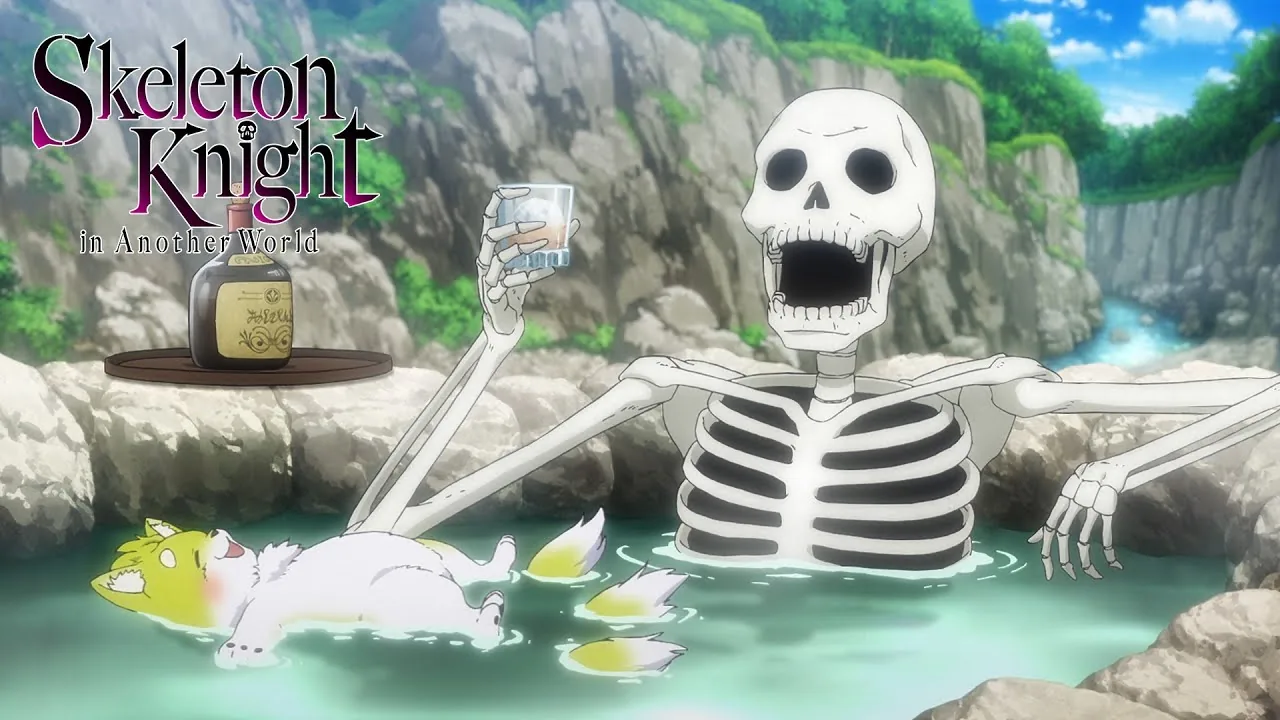
Norwegian singer and songwriter PelleK has turned his online hobby into official work for major Japanese television productions. After spending eighteen years posting rock and metal music on YouTube, he recorded opening theme songs for both seasons of Skeleton Knight in Another World. Early PelleK anime songs began as unpaid fan tributes, but his viral following in Japan eventually helped him secure professional singing contracts for television anime and video games [1].
Family and Musical Roots
PelleK grew up in an isolated home in Norway where music was part of daily family life. His grandfather worked as a professional musician who sold official records. His mother taught piano lessons. Relatives gave him a drum kit, a piano, and guitars so he could practice instruments from an early age [1].
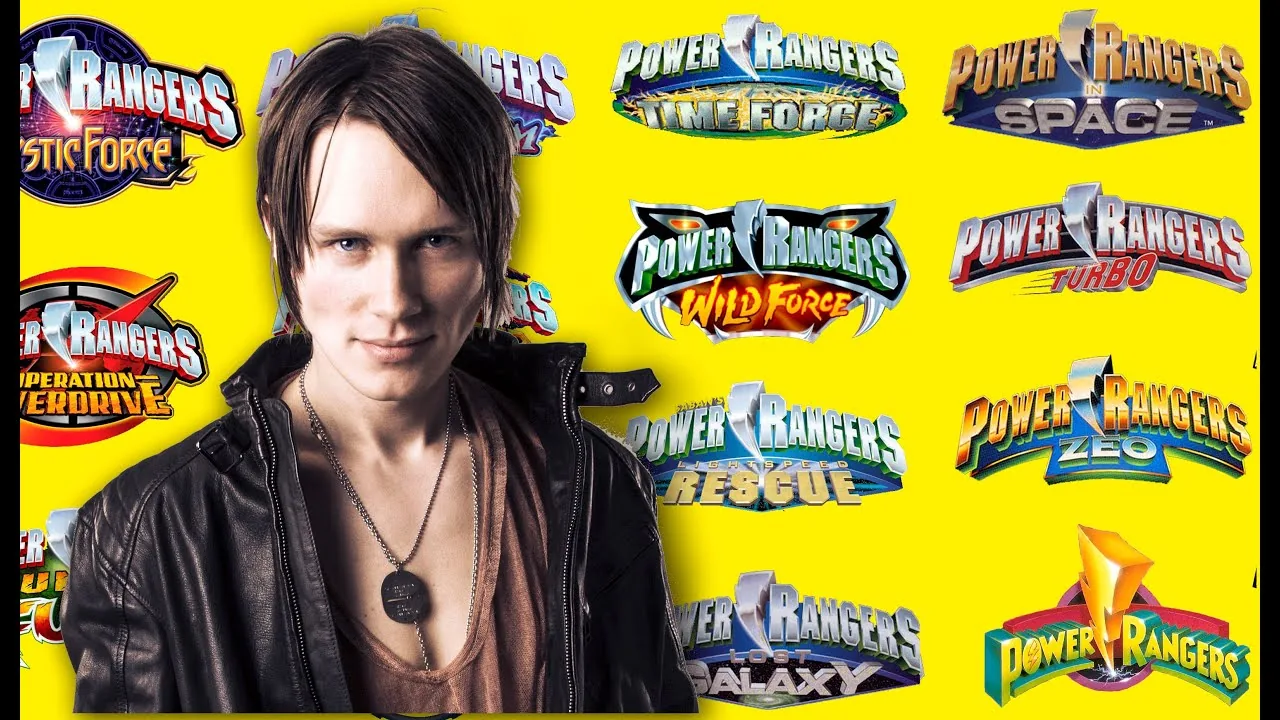
When he was five or six years old, his sister tuned a home radio to a rock broadcast and recorded a Metallica song onto a blank cassette tape. That tape introduced him to heavy metal. The sound caused tension inside their Christian household because his mother told him, “This is satanic music!” He listened in secret. Television soon introduced him to another fast rock track through the original theme song of Mighty Morphin Power Rangers. The energetic guitar riffs in the superhero broadcast showed him that heavy rock music could lift fantasy stories, and his mother later changed her mind about the genre [1].
Renting movies was expensive in his area. His family kept only two VHS tapes at home. He watched an American animated cartoon called Lucky Luke and an old Chinese animated movie roughly two hundred times each. The soundtrack on that Chinese tape featured fast melodies that resembled Japanese animation tracks, which sparked his early love for anime music [1].
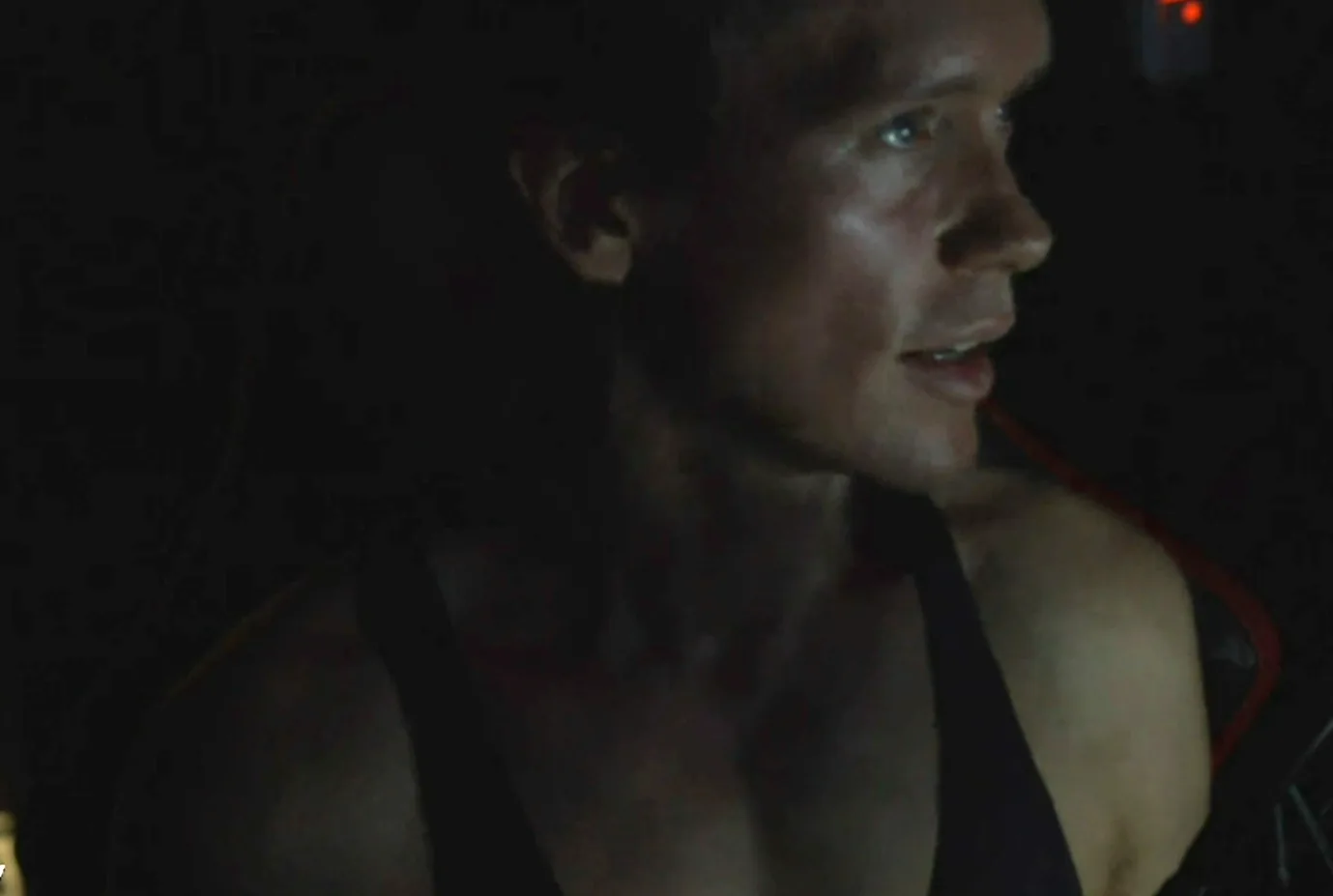
Sharing PelleK Anime Songs Online
PelleK opened his YouTube channel eighteen years ago when the video platform did not offer ad revenue or partner payouts to creators. He began uploading metal covers of Japanese animation themes simply because he enjoyed the music and wanted to know whether listeners in Japan might hear his singing. His pronunciation was awkward during his first years on the site, so he studied Japanese phonetics and grammar to deliver cleaner vocal tracks. Over time, Finnish power metal bands like Stratovarius and Nightwish, along with Brazilian group Angra, British band Iron Maiden, and Japanese rock outfit X Japan, shaped his fast singing style and guided how he arranged his rock covers [1].
His taste in music developed with his passion for Japanese shonen manga. Dragon Ball was the first manga published in Norwegian translation, and he fell in love with the story. He read every volume. One summer he worked with his father in construction and used all his wages to buy cement wax and black hair dye so he could copy Son Goku’s spiky hair [1].
That enthusiasm for animated adventures carried into shows like Monster and Death Note, while Naruto stood out as the first television anime he ever watched. He spent thirteen or fourteen years treating online video creation as an unpaid pastime before any studio hired him to sing original tracks. While uploading hundreds of rock performances, PelleK anime songs reached global listeners who appreciated his wide vocal range and ability to handle fast Japanese lyrics. Did an independent creator from Norway expect bedroom recordings to build a global music career? He simply kept singing because he loved the source material, steadily gaining confidence through viewer feedback [1].
Viral Reach in Japan
Viral video viewership in East Asia changed his career path when his cover of “Unravel” spread quickly online. The video gathered more than thirty million views on YouTube. Fans in Japan reuploaded the performance to Nico Video (also known as Nico Nico Douga) to discuss his vocal power and pitch control [1].
The reaction in Japan proved that listeners embraced his vocal delivery despite his status as a foreign creator. Years after the performance went viral, a prominent Japanese anime singer revealed that she chose to pursue music professionally after listening to his “Unravel” cover on Nico Video. Hearing that confession meant a great deal to him. Inspiring an artist in Japan validated the years he spent studying pronunciation in isolation. He realized that open video platforms gave overseas artists a rare chance to connect with Japanese listeners, showing that dedication to the craft could bridge cultural differences and help an independent European vocalist earn genuine artistic respect [1].
That online reputation soon led to his first studio contract when Japanese gaming company Square Enix hired him to sing an official video game song in Japanese. He loved the company. As an avid player who grew up loving Final Fantasy and Kingdom Hearts, he saw the Square Enix project as clear validation of his vocal skills [1].
PelleK Anime Songs on Television
The path toward recording television anime music opened when an industry coordinator named Megumi-san sent him an email from Japanese music company Pony Canyon. She now works at Disney Japan. Because his YouTube channel generated significant web traffic, he received five to ten collaboration requests each day, many of which came from aspiring creators with small personal budgets. He had not heard of Skeleton Knight in Another World (known in Japan by the light novel title Gaikotsu Kishi-sama) and assumed the note was another informal fan pitch. The email sat unanswered for a month until Megumi-san sent a follow-up warning that she needed his answer within forty-eight hours [1].
PelleK realized the message was a genuine studio offer and quickly accepted the contract. He began working with Japanese composer eba on the official opening theme. The fast tempo demanded vocal power and clean Japanese pronunciation, which he delivered after years of refining his habits on YouTube [1].
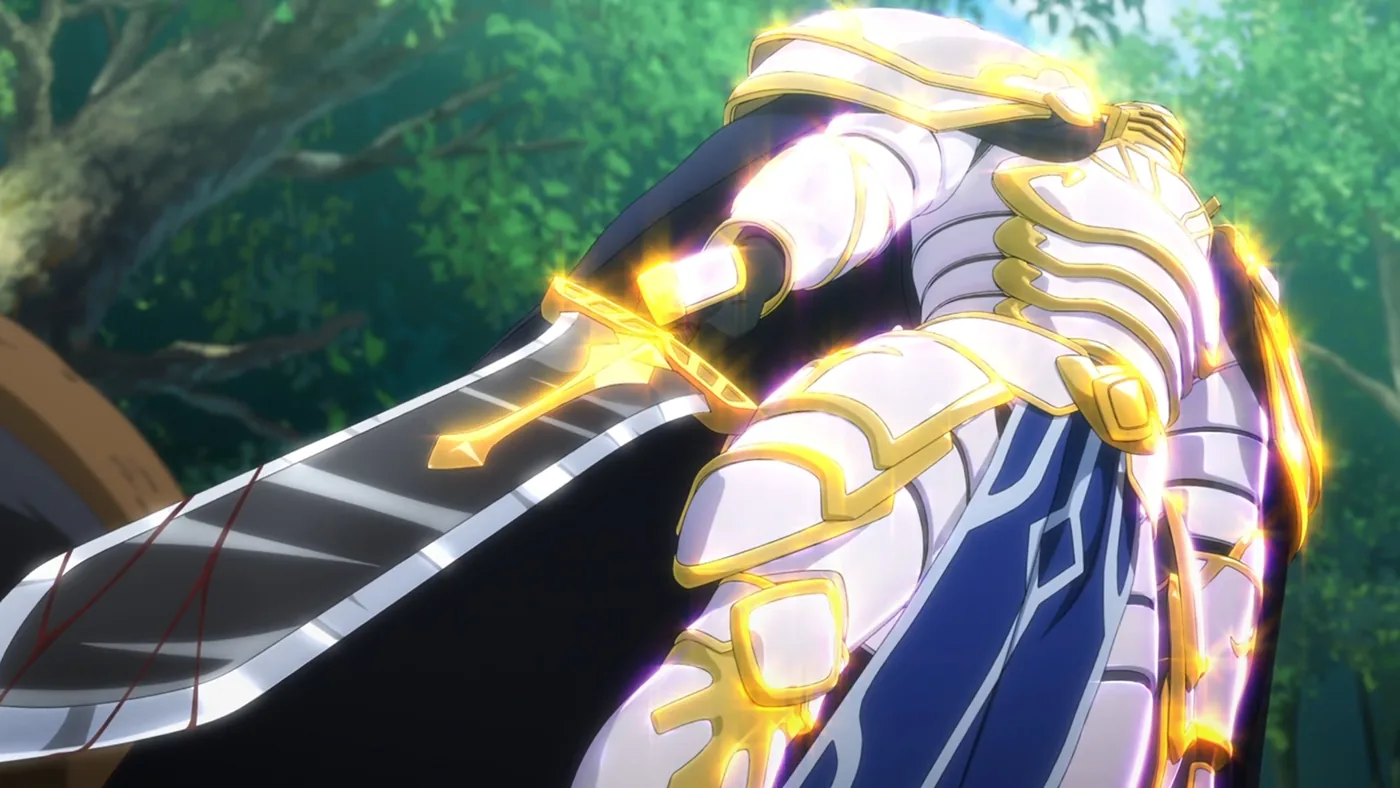
Singing the theme for both seasons of the show marked a rare achievement, as he believes he is the first Norwegian singer to perform an official Japanese anime opening track. Foreign vocalists (often called gaijin in Japan) rarely receive contracts for television themes because production committees usually choose domestic talent. Studio executives at Pony Canyon welcomed his vocal tracks, showing that PelleK anime songs had moved from amateur internet covers into licensed broadcast media. He described the project as his favorite achievement in anime, thanking the production team for placing their trust in an independent musician from Norway [1].
Future Ambitions in Tokusatsu
Outside of his work on anime soundtracks, PelleK earns a full-time living by composing original music, writing songs for video games, and recording metal covers. Although strangers sometimes tell him to “Get a job!” when hearing about his unusual career, he remains happy pursuing creative goals that keep him motivated. He works every day [1].
His long-term goals include singing for Japanese tokusatsu television, a live-action genre featuring masked superheroes and stunt choreography. To demonstrate his passion for the genre, he produced an audition video where he sang all forty-nine opening themes from the long-running Kamen Rider franchise. He compares his creative drive to anime characters like Tojima who never abandon their childhood dreams, treating his imaginative goals as genuine artistic targets. While some creators leave their youthful interests behind as they grow older, PelleK continues to pitch vocal performances to Japanese studios for future tokusatsu series and animated features [1].
With several unannounced studio projects planned for the coming year, he intends to keep building his presence in the Japanese entertainment industry. He loves the work. His eighteen-year path on YouTube shows that patience, vocal practice, and direct audience feedback can turn simple bedroom cover songs into official television soundtrack work [1].
- ONLINE NEWS Kennedy. (2026, November 27). PelleK: From Posting Anime Covers on YouTube, to Singing Skeleton Knight’s Openings. Anime News Network. [Article Link]


