



The polygraph, commonly known as a lie detector test, is a device designed to measure and record physiological responses such as heart rate, blood pressure, and respiration while a subject answers a series of questions. The underlying premise of this test is that deceptive answers will produce physiological responses that can be detected by the machine. But how accurate lie detector test results are, and how does lie detector work in different scenarios, are questions often raised when discussing its effectiveness and reliability. Understanding how lie detectors work is essential to evaluating their role in various settings.
What is the polygraph? (Lie detector test)
The polygraph, often referred to as a lie detector test, has been a subject of fascination and debate for decades. Its roots trace back to the early 20th century when it was first developed to detect deception by measuring physiological responses. The idea behind the polygraph was simple yet profound: when a person tells a lie, their body exhibits certain involuntary reactions. These reactions can include changes in heart rate, blood pressure, and breathing patterns. Over time, the polygraph evolved, becoming more sophisticated and widely used in various fields, including law enforcement and security screening.
At the core of the lie detector test is the principle that lying triggers a stress response, which can be detected through physiological changes. But many people wonder, are lie detector accurate enough to rely on? This question has been at the heart of many discussions about the use of the polygraph. To understand how accurate lie detector test results are, it is important to look at the basic principles that govern its operation. The test typically involves a series of yes-or-no questions, during which the subject’s physiological responses are recorded and analyzed. The belief is that these responses will differ when the subject is being truthful versus when they are being deceptive.
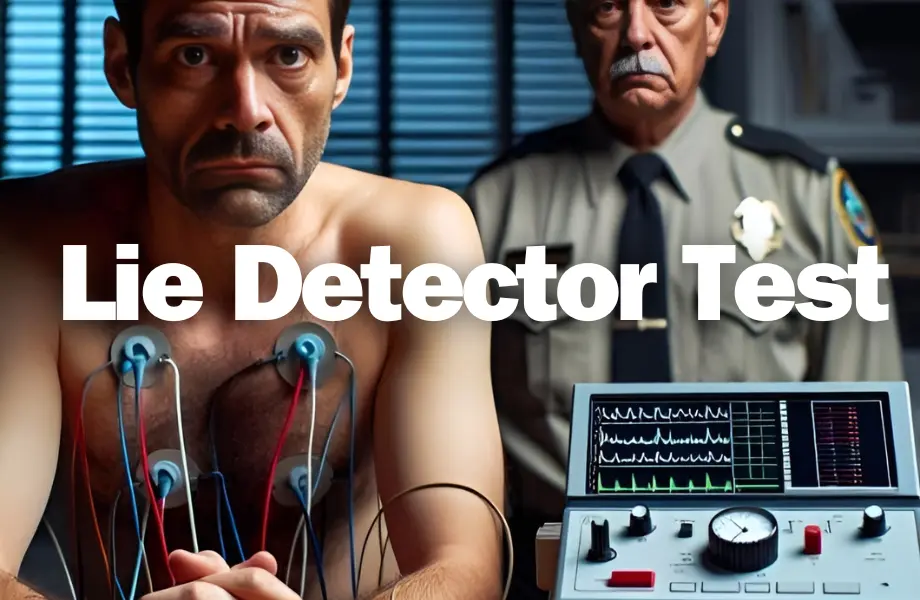
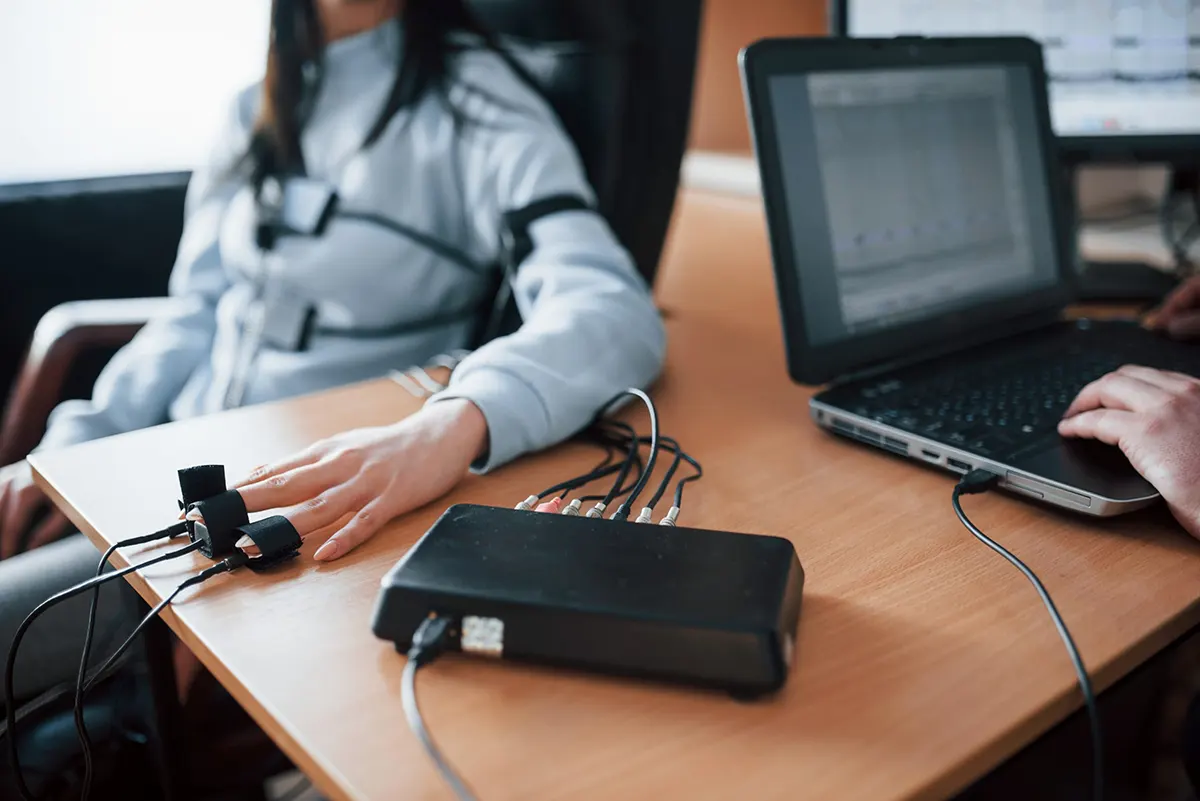
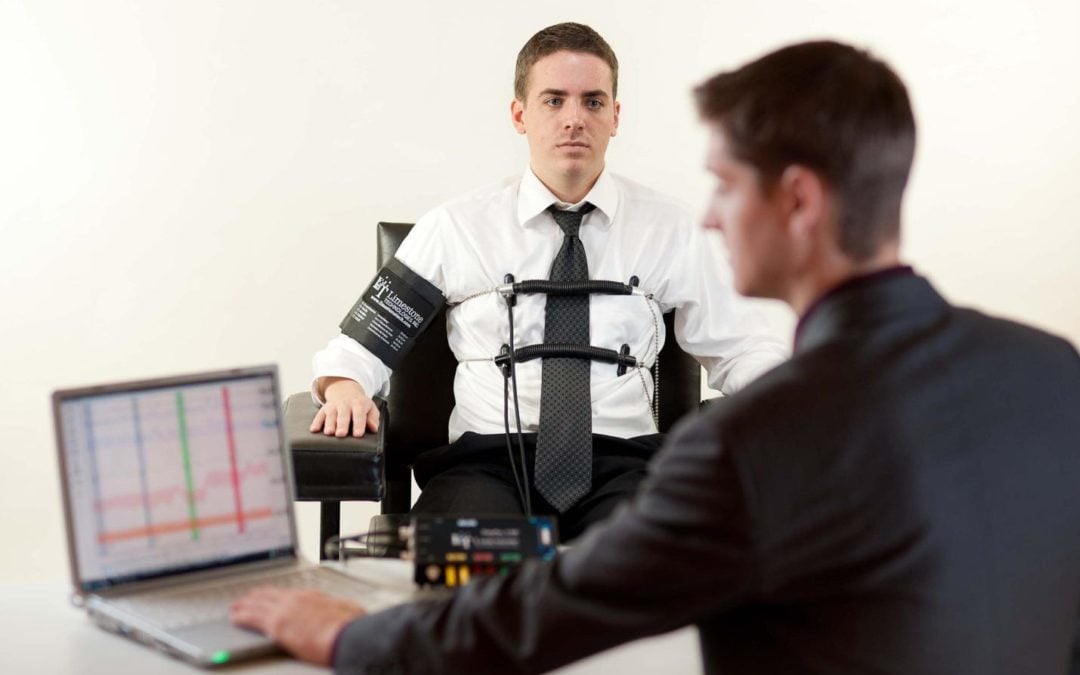
Understanding how lie detectors work also involves knowing the key components of a polygraph machine. A standard polygraph includes sensors that monitor heart rate, blood pressure, respiration, and often skin conductivity. These sensors are connected to the subject’s body, and the data they collect is displayed on a chart for the examiner to interpret. The examiner looks for patterns in the physiological data that might indicate stress or deception. However, this process is not foolproof, leading to ongoing debates about how does lie detector work in practice and whether it can consistently provide accurate results. Despite its controversies, the polygraph remains a widely recognized tool in the realm of lie detection.
How the polygraph (Lie detector) test works?
The polygraph test, commonly known as a lie detector test, works by measuring physiological responses that are believed to be associated with deception. These responses include changes in heart rate, blood pressure, respiration, and skin conductivity. When a person answers a question, their body may react differently if they are being deceptive. The polygraph records these reactions, providing a visual representation of the physiological changes.
The theory behind this is that lying causes stress, which triggers the autonomic nervous system and leads to detectable changes in these vital signs. But this brings up the question, are lie detector accurate in identifying lies based on these measurements?
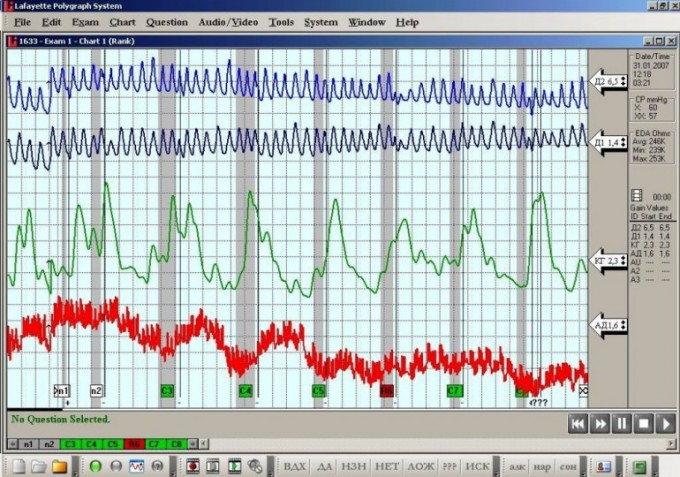
Understanding how accurate lie detector test results are requires a closer look at the process of conducting the test. Before the test begins, there is typically a pre-test interview where the examiner explains the procedure and establishes a baseline for the subject’s physiological responses. This phase is crucial because it helps the examiner understand the subject’s normal reactions to non-threatening questions.
During the test itself, the examiner asks a series of questions, both relevant and control questions, to compare responses. The responses to these questions are then analyzed to determine if there are significant deviations that might indicate deception. This part of the process is where people often wonder, how lie detectors work and how they can differentiate between truth and lies.
The role of the polygraph examiner is pivotal in the success of the lie detector test. A skilled examiner must not only administer the test properly but also interpret the data accurately. The examiner’s expertise is crucial because the interpretation of the physiological data is not always straightforward. Factors like the subject’s anxiety, medical conditions, or even the phrasing of the questions can influence the results.

This is why understanding how does lie detector work involves recognizing the importance of the examiner’s experience and judgment. An experienced examiner can distinguish between normal physiological responses and those that might suggest deception, making their role essential in the polygraph testing process.
Applications and uses of the polygraph test
The polygraph test, or lie detector test, is employed across various fields for different purposes. In law enforcement, it is often used during criminal investigations to assess the veracity of suspects and witnesses. The idea is that the physiological responses recorded during a lie detector test might reveal whether someone is being truthful about their involvement or knowledge of a crime.
Similarly, in the realm of employment screening, some organizations use the polygraph to evaluate potential hires, particularly for positions involving sensitive information or high-security clearances. The test aims to ensure that candidates are truthful about their background and qualifications.
There are notable case studies that illustrate the application of the polygraph. For instance, in high-profile criminal cases, lie detector tests have been used to either support or challenge the credibility of witnesses. In some situations, the results of a polygraph have led to breakthroughs in investigations, while in others, they have been contested and deemed inconclusive. Such examples underscore the ongoing debate about how accurate lie detector test results are and whether they can reliably indicate deception.
The use of polygraph tests also raises significant ethical and legal considerations. One major concern is the potential for false positives and negatives, which can have serious consequences for individuals. Misinterpreting how lie detectors work might lead to wrongful accusations or misplaced trust in the results.
Additionally, the legal system varies in its acceptance of lie detector test results, with some jurisdictions considering them inadmissible in court due to questions about their reliability. This complexity highlights the need for careful consideration of the ethical implications and the limitations of how does lie detector work in practical applications.
Controversies and limitations of the polygraph test
The polygraph, or lie detector test, has long been a topic of debate and skepticism within the scientific community. Critics argue that the accuracy and reliability of the polygraph are not as robust as claimed. They question whether the physiological responses measured, such as heart rate and blood pressure, truly indicate deception. There is concern that these reactions can be influenced by various factors, including stress, anxiety, or medical conditions unrelated to lying. This ongoing debate raises important questions about are lie detector accurate and whether the results can be trusted in all situations.
One significant issue with the lie detector test is the occurrence of false positives and false negatives. A false positive happens when the test suggests that someone is lying when they are actually telling the truth. Conversely, a false negative occurs when the test fails to detect a lie. These inaccuracies can be influenced by several factors, including the examiner’s skill, the subject’s emotional state, and even the way questions are framed. Understanding how lie detectors work is crucial to recognizing these limitations, as the physiological changes measured might not always correlate with deception.
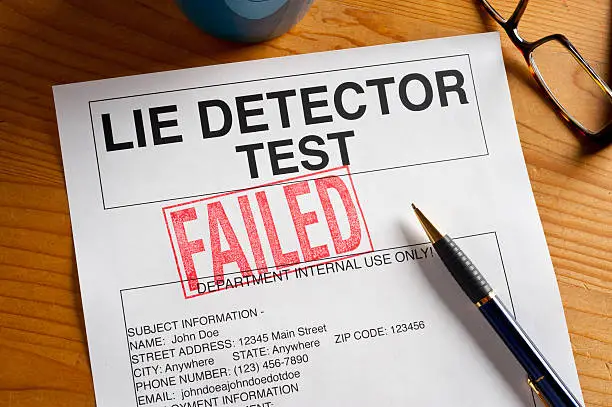
Legal challenges also play a role in the controversy surrounding polygraph tests. In many jurisdictions, the results of a lie detector test are not admissible in court due to doubts about their reliability. Legal systems often view the potential for inaccurate results as too great a risk for using them as evidence. The restrictions and legal challenges regarding how does lie detector work in practice underscore the need for caution in relying on polygraph results for critical decisions. This complex landscape highlights the importance of ongoing research and debate about the effectiveness and limitations of the polygraph.
Future prospects and technological advancements in lie detection
As we look toward the future of polygraph technology, there is ongoing speculation about the development of more advanced and reliable methods for lie detection. While the traditional lie detector test has been a staple for many years, researchers are continually seeking ways to improve its accuracy and overcome its limitations. New technologies and methodologies are being explored to provide more precise assessments of truthfulness. This evolution is driven by the need to address questions like are lie detector accurate and how accurate lie detector test results truly are.
Advancements in related fields, such as brain imaging and artificial intelligence, are playing a significant role in the future of lie detection. For instance, brain imaging techniques, like functional magnetic resonance imaging (fMRI), offer the possibility of observing brain activity associated with deception.
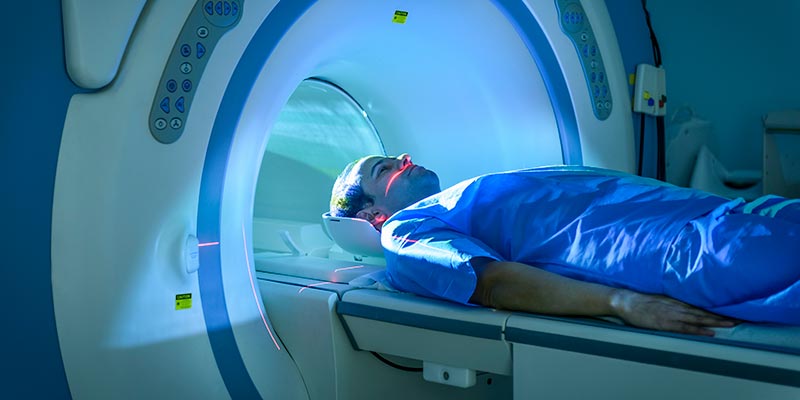
These methods could potentially provide a more direct measure of cognitive processes related to lying. Similarly, artificial intelligence is being integrated into lie detection systems to analyze patterns and predict deceptive behavior more accurately. Understanding how lie detectors work and incorporating these advanced technologies might offer new ways to address the current limitations of the polygraph.
Emerging technologies have the potential to tackle some of the key challenges faced by traditional polygraph tests. For example, improvements in real-time data analysis and the use of more sophisticated sensors could enhance the reliability of lie detection.
Additionally, combining various technologies, such as brain imaging and AI, might provide a more comprehensive approach to understanding how does lie detector work and improving overall accuracy. As these technologies develop, they could address many of the existing concerns about the lie detector test and pave the way for more effective and trustworthy methods of detecting deception.

The polygraph or lie detector test remains a controversial but significant tool in detecting deception, with its effectiveness often debated. Questions about are lie detector accurate and how accurate lie detector test results are highlight ongoing concerns about its reliability. Despite its limitations, advancements in technology, such as brain imaging and artificial intelligence, offer hope for more accurate and reliable methods of lie detection. As these innovations develop, they may address the current challenges and provide a clearer understanding of how does lie detector work in practice.
- WEBSITE Dan, N. (n.d.). How does a polygraph work? (EXPERTS SOLID ANSWERS). Axeligence. [Axeligence]
- WEBSITE HowStuffWorks. (n.d.). How does a lie detector (Polygraph) work? HowStuffWorks. [HowStuffWorks]
- ONLINE NEWS Kyzer, L. (2018, December 10). What you need to know before taking a polygraph. Government Executive. [Government Executive]
- WEBSITE Rumble, M. (2022, October 17). What is Polygraph Aka Lie Detector Test and What You Should Know About It – Guest Post. KC Defense Counsel. [KC Defense Counsel]
- ONLINE NEWS Evans, G. (2018, October 4). How credible are lie detector tests? BBC News. [BBC News]
- BOOK National Research Council. (2003). The Polygraph and Lie Detection. In National Academies Press eBooks. The National Academies Press.
- ONLINE NEWS Burbank, T. (2020, February 18). The Origins of the Polygraph. Harvard Countway Library. [Harvard Countway Library]
APA 7: TWs Editor. (2024, August 9). Polygraph: Lie Detector Test to Understand the Truth. PerEXP Teamworks. [Article Link]


