






Apple plans to release a redesigned MacBook Pro by November with a lighter chassis, a Tandem OLED display, and touch controls, according to reporting from Mark Gurman in his Power On newsletter. The upcoming laptop will mark Apple’s first touch-enabled Mac and its first notebook with an OLED panel. It won’t keep the heavier casing that defined previous pro portables. Engineers reworked the notebook’s layout to make it much easier to carry [1].
Internal Engineering Behind a Lighter Chassis
Gurman reported that Apple achieved the lighter profile by miniaturizing internal parts and rearranging components within the notebook rather than simply trimming down the thickness of the outer aluminum enclosure [1]. The change doesn’t rely on cutting ports or weakening the casing. Because previous generations felt bulky during travel, this update directly addresses a long-running complaint among power users who need sustained processing speed on the road [4].
Current portable configurations show why weight has become such a sensitive topic for Apple customers. The current 16-inch MacBook Pro weighs up to 4.8 pounds (about 2.15 kg with the M5 Max chip and 2.14 kg with M5 Pro), while 14-inch builds weigh between 1.60 kg and 1.62 kg, starting at 3.4 pounds. In comparison, Apple’s 15-inch MacBook Air weighs approximately 3.3 pounds (1.51 kg), offering a much lighter feel that many travelers prefer [5]. While Bloomberg didn’t publish an exact gram target for the new machines, dropping weight from the 4.7-pound and 4.8-pound marks will produce a noticeable difference when lifting the laptop with one hand [2].
Buyers shouldn’t expect the redesigned MacBook Pro to match the MacBook Air’s 3.3-pound profile because pro notebooks must maintain active fans, large batteries, and full-size ports for demanding creative workflows. Power users keep active fans. A lighter casing helps keep the larger 16-inch build portable without forcing creators to step down to an Air. The trade-off between thermal headroom and battery size is always tricky, so keeping the chassis rigid remains essential for field work [4].

What Will the Redesigned MacBook Pro Look Like?
Apple hasn’t changed the core enclosure design of the MacBook Pro since 2022, when it introduced the flatter chassis with HDMI and MagSafe ports [1]. The upcoming refresh brings a noticeably thinner shell that pairs with the reduced weight to create a leaner overall silhouette. Reports from The Apple Post indicate that the new model will also retire the wide screen notch that has housed the webcam since the M1 generation. A smaller cutout inspired by the iPhone’s Dynamic Island will take its place at the top of the display [3].
Rival PC makers have already experimented with lighter form factors and vibrant displays, as seen with the HP OmniBook 5 OLED launch to challenge Apple portables in the premium laptop space. Other makers often trim casing thickness by sacrificing battery longevity, but Apple has historically prioritized thermal performance and long battery runtimes [4]. That’s why reorganizing interior parts matters so much: it allows Apple to deliver a sleeker machine without cutting back on the cooling fans that sustain heavy workloads [1].
The upcoming release arrives amid executive changes at the top of Apple, with John Ternus now leading the company as CEO. Hardware design takes center stage. Unlike previous leadership known primarily for supply chain logistics, Ternus brings deep hardware engineering background to the role and made rebuilding Apple’s design teams an immediate priority. With those design teams reporting directly to Ternus, the redesigned MacBook Pro joins the iPhone Duo in signaling a sharper focus on industrial design and hands-on ergonomics [2].



Tandem OLED Panels and Dynamic Island Integration
Moving from mini-LED backlights to a Tandem OLED screen represents the biggest display upgrade for the MacBook Pro in several product cycles. Tandem OLED stacks two organic light-emitting layers to achieve high brightness while preventing premature pixel wear, giving professional creatives true black levels and punchy contrast without halo effects around bright text. The screen uses no backlights [1]. Replacing the thick mini-LED backplate also removes a bulky layer from the lid assembly, directly assisting the weight reduction effort [3].
The screen change isn’t happening in isolation across Apple’s lineup. Gurman noted that Apple is also preparing to introduce its first OLED tablet in the compact category, with an updated iPad mini scheduled to arrive around the same autumn launch window. The compact iPad mini arrives soon [2]. Tech Sportskeeda noted that bringing OLED panels to both the iPad mini 8 and the pro laptop lineup demonstrates a broader push toward richer displays across portable devices [7]. The smaller camera cutout on the laptop mirrors the Dynamic Island experience, keeping status indicators visible without intruding into creative canvases [3].
Mini-LED displays served Apple well by delivering high brightness for HDR grading, but they added noticeable thickness and weight to the lid [3]. Switching to OLED eliminates the need for thousands of individual local dimming zones and their associated circuit layers. Because each OLED pixel produces its own light, the display panel can be significantly thinner and draw less power when displaying dark user interfaces [5].
Touch Controls in the New MacBook Pro
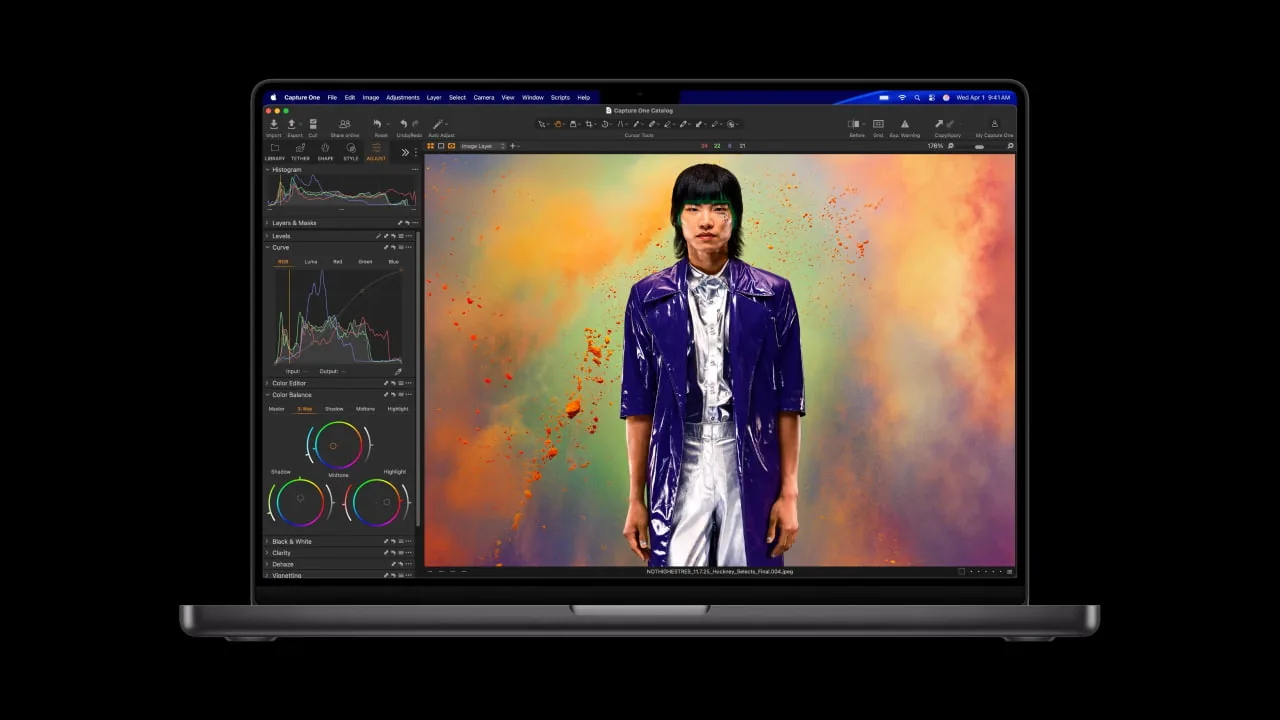
Adding touch capability to macOS marks a major departure from Apple’s historical stance on laptop input methods. To support finger taps without disrupting desktop workflows, Apple is preparing software modifications in macOS Golden Gate alongside testing with macOS 27.2 [1]. Reporting from Shalom Levytam at iClarified indicates that interface elements will intelligently enlarge upon a tap, while contextual menus will appear directly beneath the user’s finger. The software also supports natural touch gestures, including fluid multi-finger scrolling and pinch-to-zoom across native applications [6].
Despite the new touch interface, Apple isn’t redesigning macOS into an iPad clone or building the notebook around typing on glass. The hardware retains its familiar scissor-switch keyboard and expansive Force Touch trackpad, ensuring that power users don’t lose the precision they rely on for writing code, editing video, or navigating spreadsheets. Touch simply acts as an optional input method that lets users quickly tap on dialog boxes, scroll through timelines, or sketch ideas on screen [6].
How does this hybrid interaction fit into daily professional routines? Many creative professionals regularly connect their laptops to external monitors, where touch is impractical, but reach for the display when working on planes or sitting on couches. Desktop workflows stay intact. By keeping touch optional, Apple allows users to interact however they see fit without compromising the traditional desktop paradigm that Mac owners value [4].
Processor Selection and Release Expectations
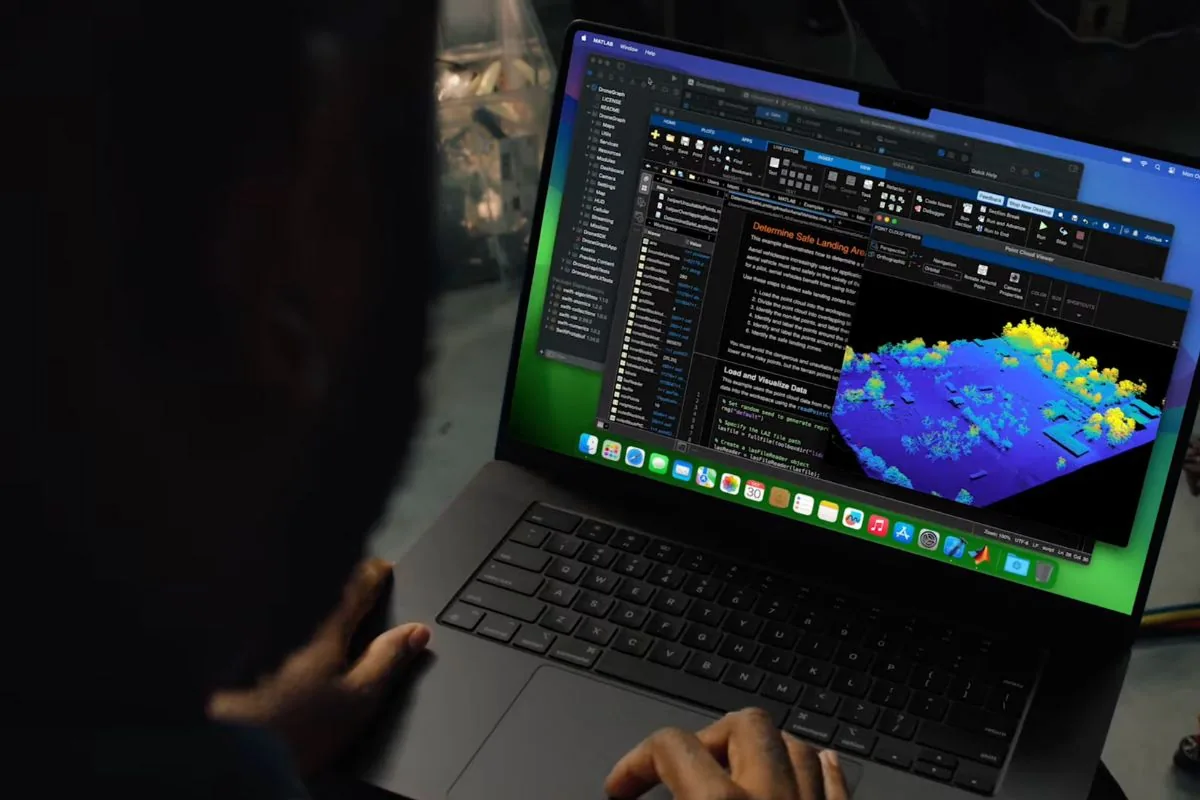
Rather than waiting for the next generation of Apple silicon, the redesigned MacBook Pro will rely on existing M5 Pro and M5 Max chips. Apple decided to bypass the higher-end tier of the M6 generation to focus engineering resources on accelerating the M7 lineup for early 2027 [1]. While a standard entry-level 14-inch MacBook Pro with the base M6 chip is still in development, the premium models will leverage the proven performance of the M5 silicon family to maintain stability during this hardware overhaul [3].
Bloomberg expects Apple to officially unveil the new machines by November, setting up a second high-end notebook refresh in 2026 following the M5 introductions in March. November brings the official reveal [6]. As the release window nears, authorized retailers have introduced promotional price cuts, such as retail discounts on the 16-inch MacBook Pro, to clear existing inventory from warehouse shelves. That timing suggests Apple’s supply chain is ramping up production ahead of the holiday shopping season [1].
Apple hasn’t publicly confirmed exact retail pricing, configuration options, or final shipping weights for the new laptops [5]. Potential buyers who have postponed upgrading their machines will soon discover whether the lighter chassis and OLED screen justify the investment. If Apple succeeds in making its most capable computer significantly easier to transport, the redesign could reshape expectations for professional laptops in 2026 and beyond [4].
- ONLINE NEWS Burkhardt, M. (2026, October 4). Redesigned MacBook Pro with OLED to feature ‘significantly lighter’ design: report. 9to5Mac. [Article Link]
- ONLINE NEWS Chen, J. (2026, October 4). The upcoming touchscreen OLED MacBook Pro is reportedly ‘significantly lighter’. Engadget. [Article Link]
- ONLINE NEWS Joseppi, D. (2026, October 4). Redesigned OLED MacBook Pro will be ‘significantly lighter,’ report says. The Apple Post. [Article Link]
- ONLINE NEWS Saini, R. (2026, October 4). Redesigned OLED MacBook Pro could be significantly lighter than today’s model. The Mac Observer. [Article Link]
- ONLINE NEWS Szőgyényi, S.-E. (2026, October 4). Apple’s OLED MacBook Pro redesign could bring a major weight reduction. GSMDome.com. [Article Link]
- ONLINE NEWS Levytam, S. (2026, October 4). Redesigned MacBook Pro said to be ‘significantly lighter’. iClarified. [Article Link]


