





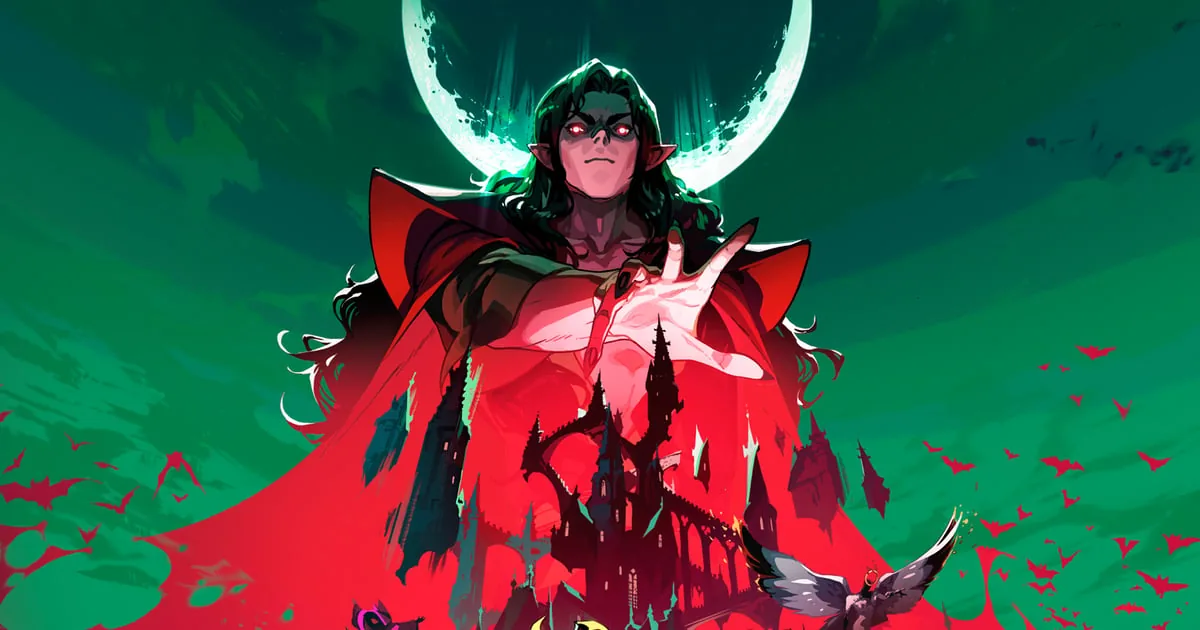
Digital Sun Games, the independent development studio behind Moonlighter and RTS Cataclismo, delayed the planned ReVamp playtest on Steam on October 19 over fears of automated generative AI cloning. Eurogamer reporter Kaan Serin said that the sudden delay left the vampire project Defanged [1]. Digital Sun had prepared an open test near late October for its upcoming vampiric “Tower Defensevania,” but it moved early testing to Discord to keep its proprietary PC code safe from copycats [2]. ReVamp won’t arrive in full until March 25, 2027, so giving test builds to tens of thousands of Steam users felt like too big a risk [1].
Why the ReVamp Playtest Moved to Discord
The team acted with speed [2]. Digital Sun announced the change on Steam and Bluesky, informing thousands of players who had already registered for the public ReVamp playtest that early vampire combat was postponed [1]. In its update, Digital Sun thanked fans but said that fast progress in gen-AI forced this defensive move. Guarding unreleased code came first [2].
The threat centers on early game builds leaking to public sites. In its announcement, Digital Sun cited “news of games being reverse-engineered, cloned and published before the original is even out” as the main catalyst for shifting away from an open Steam release [1]. Public keys invite rogue scrapers. “With launch still months away, a large public build of ReVamp felt like too big a risk,” Digital Sun said (via Kotaku) [2].
To reduce exposure, Digital Sun chose to run early testing on a private Discord server where coders can track access while gathering crash logs and balance feedback from genuine testers. The team wanted tight control [2]. It isn’t a full cancellation of community testing, but it sets up a wall that open Steam keys can’t provide [1].
Generative AI Cloning Threats
The threat facing indies goes far beyond simple asset flips. On Reddit, game makers have spent weeks describing how shady actors feed trailers, gameplay clips, and demos into modern generative AI tools to rebuild core loops and systems from the ground up. These tools decompile code in days [2].
Indie teams face an uneven legal fight because copyright law shields specific art and audio but gives little protection to game rules. A competitor can’t legally steal custom sprites from Digital Sun, but nothing in copyright law stops a cloner from copying a tower-defense loop with text-prompted art and reconstructed gameplay mechanics. Big jumps in large language models like Anthropic’s Claude and OpenAI’s ChatGPT make automated code translation cheap and fast for small copycat teams seeking to clone trending indie games. Store algorithms reward fast followers. When automated code generation joins text-to-image prompts, an opportunistic clone can beat an original indie game to digital stores by several months, draining wishlists before the genuine creators finish testing [2].
These tools have also spurred a wave of vibe-coded mods and fast decompilations of classic PC and console titles. A technical job that once took months of assembly work can now be approximated in days by feeding game files, logic trees, and disassembled engine binaries into neural network models. Speed creates an existential danger [2].

Mobile Clones and Vibe Coding
Fast clones aren’t new in gaming. Industry veterans recall how copycats cloned Vlambeer’s Ridiculous Fishing before it launched, and how rivals copied Threes! by Asher Vollmer, Greg Wohlwend, and BigGiantCircles in 2013 using manual mobile app store cloning tricks. Those early mobile clones required human programmers to rebuild entire gameplay loops by hand [2].
Game Developer writer Bryant Francis said that modern machine learning lowers the barrier for copycats. Rather than hiring software engineers to rewrite logic line by line, modern cloners feed mechanics descriptions and video clips into neural networks to build playable prototypes in a fraction of standard time. This method, known as vibe coding, lets bad actors pump out clones without deep programming skill. Store takedowns often take weeks. A crude copy doesn’t need to match the polished craft of Moonlighter to steal sales and siphon away curious buyers searching on digital distribution platforms [2].

The danger is high for hybrid genres like ReVamp’s mix of tower defense and action exploration. Digital Sun built its name on creative blends, pairing shopkeeping with roguelikes in Moonlighter and castle defense with survival strategy in its moody RTS Cataclismo [1]. Novel design loops are easily copied. When an indie studio shows a new loop in an open beta, it hands rivals a free technical roadmap [2].
Demo Cancellations Across the Industry
Digital Sun isn’t the only team backing away from public events after rethinking the ReVamp playtest [1]. The move mirrors the recent cancellation of the Drunken Goddess Reflux demo by publisher Alliance Arts and co-developer Who’s You ahead of Steam Next Fest 2026 [2]. Both companies pulled their planned demo for Drunken Goddess Reflux, an anime-style Russian Roulette game, after voicing identical worries regarding fast AI-enabled cloning tools [1].
In its official statement, Alliance Arts said it worried that works imitating the game’s presentation and mechanics could be produced with AI tools and released ahead of the genuine launch. Steam Next Fest lost two demos. The festival is traditionally celebrated as the premier showcase for indies to gain visibility, build wishlists, and sign publishing deals with established industry partners on the Steam platform [1].
At the same time, major firms are embracing gen-AI, with Xbox setting up a unit aimed at AI game production [1]. Platform owners offer few defensive shields. Digital Sun Studios pointed out this split directly: “Showing games early is how indies get seen and find the fans who keep us going. We hope platforms keep strengthening protections for original work” [2].
ReVamp Playtest Schedule and 2027 Launch
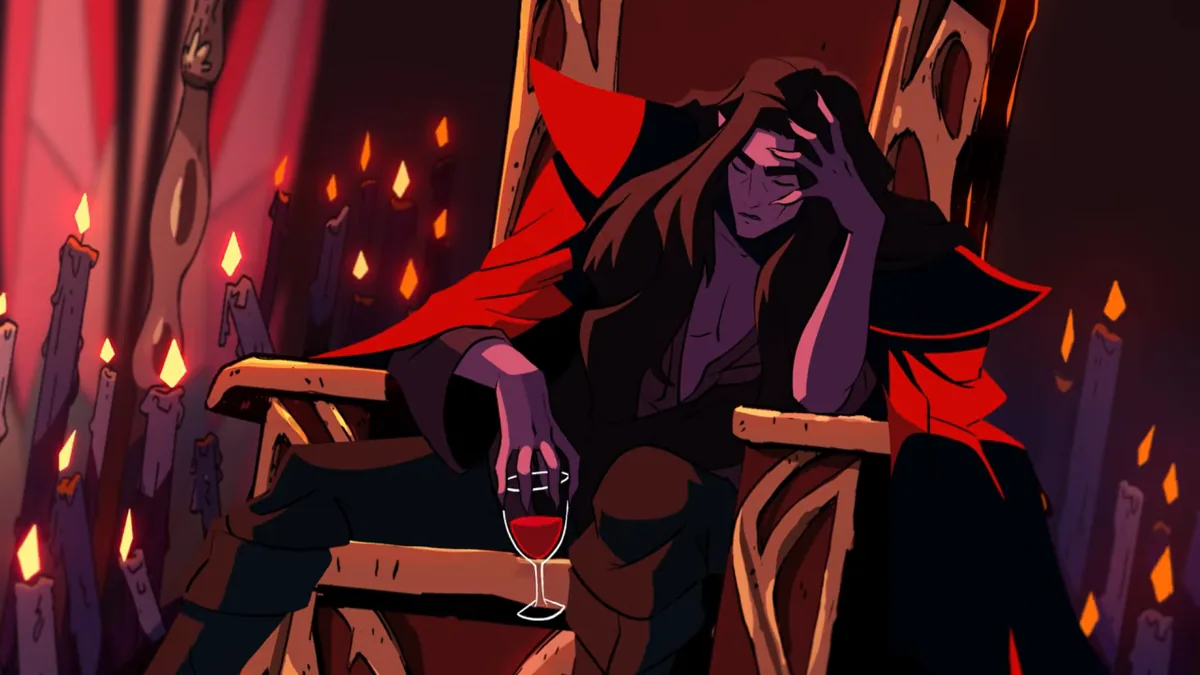
Despite the delay on Steam, testing will start in a safe setting. Player access will roll out in waves starting on October 29 through Discord, letting the development team distribute early builds to trusted community members rather than an open public queue. Steam players can join Discord discussions while waiting for keys [1].
Digital Sun plans to widen access and run an open public test around January, giving testers time to explore the vampire mechanics and provide detailed feedback on combat balance. That extra time protects core assets [1]. Digital Sun is also making Moonlighter 2: The Endless Vault, balancing two major production pipelines while defending its new intellectual property from opportunistic automated clones [2].
The full commercial launch for ReVamp remains locked for March 25, 2027. Digital Sun thanked patient fans [1]. By keeping early code in a closed Discord circle, the team hopes to block clones while delivering the polished vampiric action and tower-defense strategy experience that community members expect on PC [2].
- ONLINE NEWS Serin, K. (2026, October 19). Moonlighter dev delays Steam playtest for its “Tower Defensevania” ReVamp over concerns that AI copycats might clone it before launch. Eurogamer.net. [Article Link]
- ONLINE NEWS Francis, B. (2026, October 19). Digital Sun delays ReVamp playtest over AI cloning concerns. Game Developer. [Article Link]


