





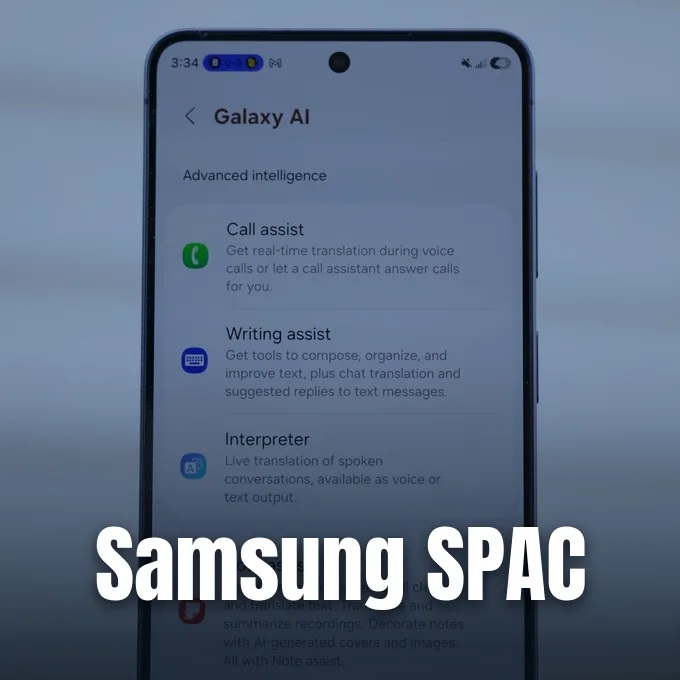
Samsung is building a private cloud system to handle mobile artificial intelligence tasks without leaking personal user files, based on software code found on November 26, 2026. Firmware files extracted from the One UI 9.5 Beta 1 release show a secret Samsung private cloud meant to run complex tasks on remote servers. The new setup aims to let Galaxy phones run heavy AI tools without asking users to trust remote data centers with their private photos or notes [1].
Discovery of Samsung Private Cloud Code
Software files taken from One UI 9.5 Beta 1 on a Galaxy S26 Ultra reveal an unreleased software kit named SPAC, reported by Android Authority writer Aamir Siddiqui at 10:06 AM ET [1]. Mark Jansen at Android Police verified the code. Jansen said Samsung envisions SPAC as a completely anonymous and encrypted cloud network [2]. While Samsung has not stated what the letters mean, the arrival of a Samsung private cloud would change how the firm handles remote AI computing [1]. Earlier One UI 9 builds held no traces of this software [2]. The phone connects to a remote gateway that system code calls Arcane [1].
Samsung put the SPAC code inside four system apps. Engineers added the code to Photo Editor, IntelliVoiceService, Smart Capture, and PhotoRemasterService to offload heavy chores from local chips while routing complex requests through the Arcane gateway. Extra tools in the build check tokens and user IDs so bad requests can’t pass [1].
In current Galaxy phones, users must choose between tight privacy and the smartest generative tools. On-device tools keep data locked inside the phone, but cloud tools send pictures and text to remote company machines where privacy risks grow [2]. Samsung now warns users in Photo Editor that images go to servers for processing, while giving a simple switch in Galaxy AI Settings to turn off online AI entirely [1]. Mark Jansen at Android Police said cloud tools raise valid privacy fears because data leaves the phone [2]. The SPAC system swaps spoken company promises for code-backed walls that keep user data out of view [1].

Four Core Security Layers
The leaked setup protects privacy through four separate shields. First, user requests travel through an independent relay that hides the user’s IP address. Because this middleman sits between the phone and the server, Samsung sees the request prompt but can’t see who sent it [1].
Second, handsets check remote servers before sending any data. The phone carries out attestation checks to confirm that the remote machine runs genuine software that matches an immutable public log, preventing Samsung from quietly swapping in altered code for targeted users. Independent firms watch that log [1].
Can a user tap remote AI without giving away their name? Anonymous passes answer that question by showing that a request comes from a real Galaxy phone without revealing the person holding it. Firmware files also show an unattested mode, but engineers likely keep that back door for quick lab tests [1].

Comparison With Apple and Google Systems
Samsung did not invent this model. Instead, the team followed the path that Apple laid out when it launched Private Cloud Compute in June 2024 for Apple Intelligence on iOS 18. Apple used relays to hide IP addresses, anonymous passes to mask IDs, and public logs to prove server honesty. The new Samsung private cloud code matches almost every piece of the Apple system [1].
Other tech leaders built matching clouds over the last two years. Google launched Private AI Compute in November 2025, using relays and anonymous passes so that user data stays private from everyone, including Google. Meta uses Private Processing for WhatsApp AI tools, turning to outside firms to run relays and watch verification records [1].
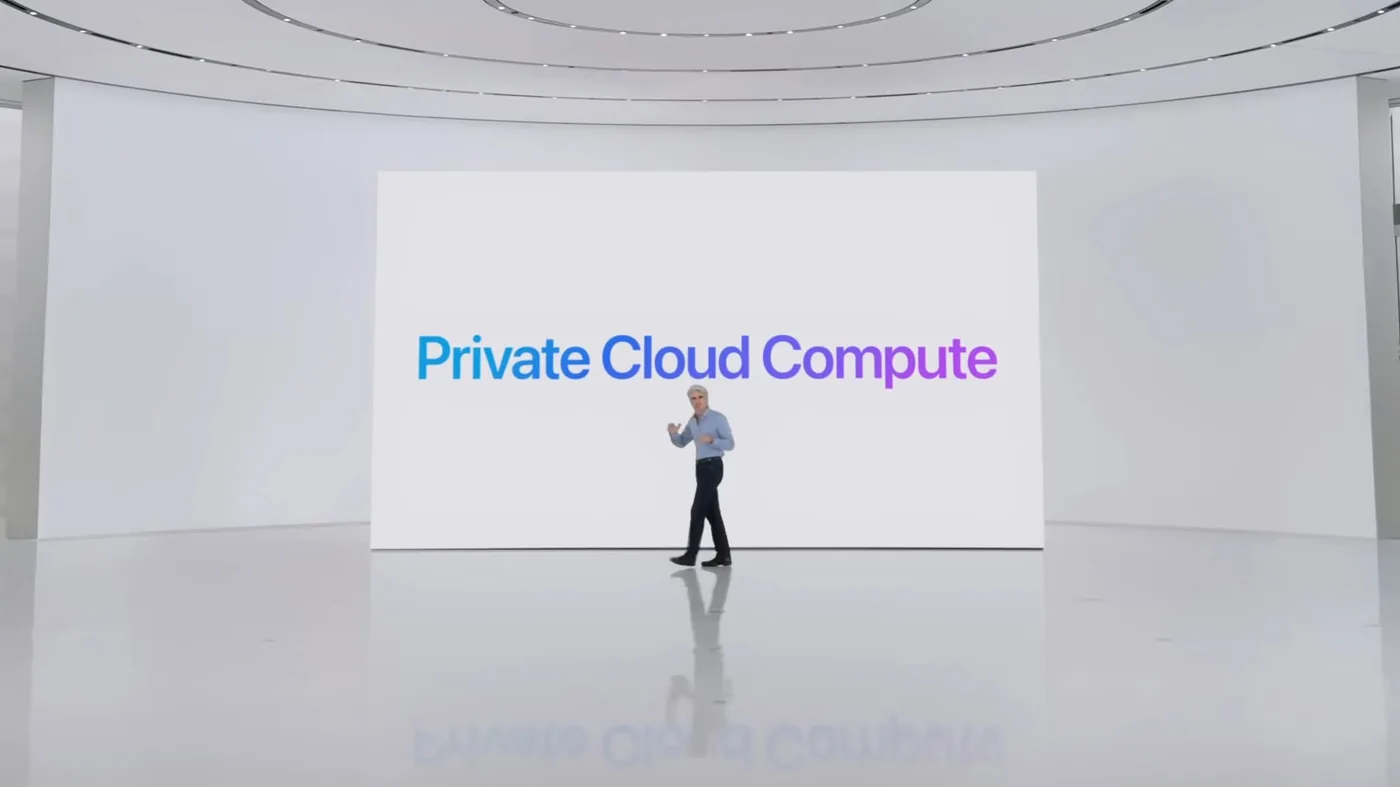
Samsung comes late to private cloud AI, but joining this trend helps close the gap with Apple and Google. By adopting the Private Cloud Compute (PCC) blueprint, Samsung can offer verifiable data protection across the wider Samsung Galaxy hardware lineup without forcing users to rely on spoken privacy promises. The company trades unproven policy claims for verifiable code [1].
Supported AI Models and Tools
Decompiled files show that Samsung plans to run several well-known AI models on its servers. Code inside Smart Capture lists Google’s Gemma 4 and Alibaba’s Qwen 3.6 as options to read on-screen content. These models can parse text on the display and grab several events from a screenshot to add them to a calendar at once without sending raw personal data to open servers [1].
PhotoRemasterService references Black Forest Labs’ FLUX.2 klein 4B and a Stable Diffusion model for photo upscaling. Photo Editor also lists hooks for Meta’s V-JEPA, OpenAI voice models, and Samsung’s own Gauss engine. IntelliVoiceService names Gemma 4 for language tasks [1].
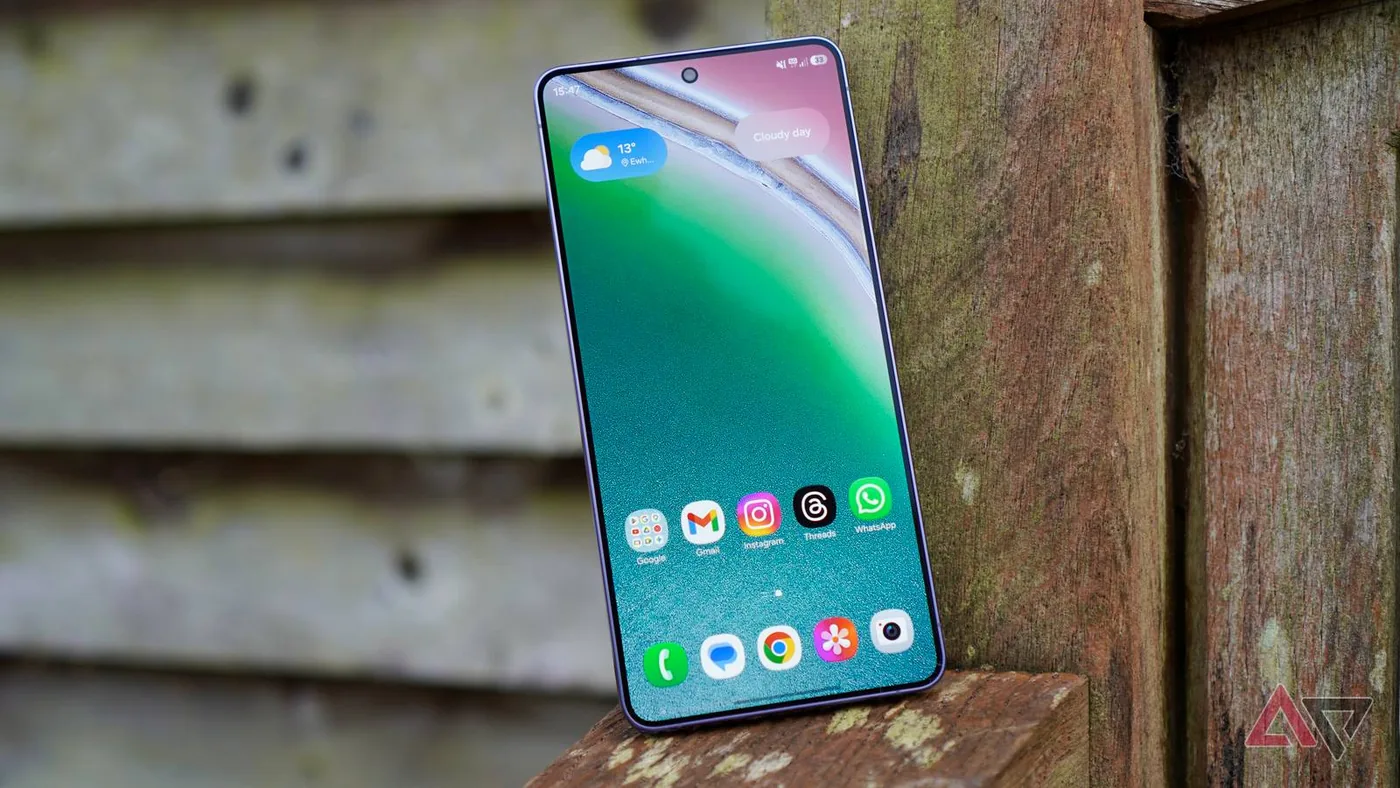
Many daily tasks could move to the cloud once the system opens. Firmware files map tone adjustments, text summaries, emoji suggestions, writing help, and Now Brief cards to SPAC. Code also points to a new GUI agent and background jobs named Bixby work, suggesting that phone automation may soon draw on remote server power [1].
The Samsung Private Cloud Rollout on Galaxy Hardware
SPAC is not live on consumer phones yet. Android Police tested a Samsung Galaxy S26 Ultra built with a 6.9-inch Dynamic AMOLED 2X display, a 3120 x 1440 resolution, and a Qualcomm Snapdragon 8 Elite Gen 5 SoC [2]. Features like Writing assist, AI select, Note assist, Now Brief, and Interpreter did not use SPAC. All of those tasks ran locally or went to older servers [1].
While phones wait for newer app versions, backend preparations are moving fast. Public web records show Samsung has renewed production server certificates for SPAC for months, while adding new server nodes in the United States [1]. Mark Jansen at Android Police said running larger AI models in a private cloud could give Samsung a strong reason to expand its Galaxy AI Premium subscription tier. Cloud servers let phones run heavy tools without eating up battery life or memory space. Jansen warned that the project might never ship if the AI bubble bursts before release [2].
Samsung has not announced SPAC. Galaxy S26 Ultra owners must keep using the standard device-only toggle in Galaxy AI Settings for now. When Samsung turns on its servers, Galaxy AI could finally match Apple Intelligence and Google Gemini on both privacy and raw power [1].
- ONLINE NEWS Siddiqui, A. (2026, November 26). Exclusive: Samsung is working on a private cloud for Galaxy AI, and it could look a lot like Apple’s. Android Authority. [Article Link]
- ONLINE NEWS Jansen, M. (2026, November 26). Samsung is building a private AI cloud that could make Galaxy AI far more powerful. Android Police. [Article Link]


