






Ubisoft has defended its past description of Skull and Bones as a quadruple-A game in court, arguing that executive statements were subjective remarks rather than false advertising. The dispute stems from a 2025 lawsuit filed under the Kansas Consumer Protection Act by a gamer who challenged how the company marketed the pirate RPG. Legal counsel for Ubisoft told the court that comments from Ubisoft CEO Yves Guillemot amounted to classic puffery intended for investors during an earnings call rather than factual claims meant to entice retail buyers [2].
Why Guillemot Called It Quadruple-A
The disputed term first surfaced during an early 2024 earnings call when investors asked whether Ubisoft would consider a free-to-play model for its live-service pirate game. Ubisoft CEO Yves Guillemot rejected that free model, insisting that the game justified a full $70 retail price tag because of its vast world. He told analysts that players would see how big and complete the world felt once they set sail in the open seas [1].
Guillemot defended Skull and Bones as a massive release. “You will see that Skull and Bones is a fully-fledged game,” said Guillemot during the investor discussion. “It’s a very big game, and we feel that people will really see how vast and complete that game is. It’s a really full, triple… quadruple-A game that will deliver in the long run.” The AAAA label drew immediate online ridicule from players who felt it excused years of delays. Executives at rival studio CD Projekt Red publicly mocked the quadruple-A phrasing during their own investor presentations [2].
The high-profile quote followed the game through its rollout because development dragged on for more than ten years. Skull and Bones survived multiple internal reboots and missed several target dates before it finally launched on PC, PS5, and Xbox Series X/S in February 2024. Many buyers remembered Guillemot’s AAAA promise [1].
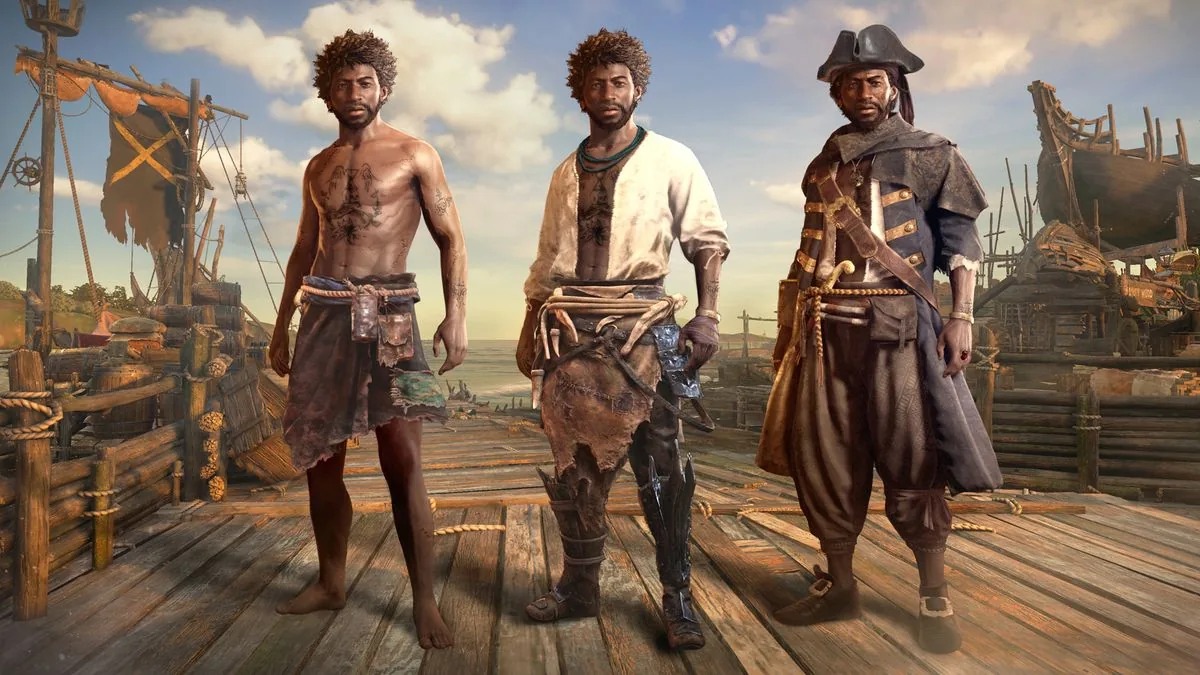
Kansas Legal Defense Cites Puffery
A Kansas lawyer took those complaints to court in 2025. The plaintiff filed a legal action alleging that Ubisoft violated the Kansas Consumer Protection Act (KCPA) by using misleading statements to sell Skull and Bones. The formal lawsuit claimed that Guillemot made deceptive statements that enticed everyday players into retail store transactions to their financial detriment under state law [2].
Ubisoft filed formal defenses arguing that comments on an earnings call did not constitute misleading marketing. Defense lawyers maintained that Guillemot was engaging in classic puffery, which legal treatise Bloomberg Law defines as “a seller’s general, subjective, and exaggerated statements concerning the quality of an item, rather than specific statements of fact.” Defense attorneys noted that Guillemot spoke subjectively to appease shareholders rather than making binding promises to store shoppers. “Plaintiff has not identified a single objective statement about the game’s quality that is demonstrably untrue, let alone one that he saw or relied on in purchasing the game as is required under the KCPA,” said Ubisoft’s lawyer [1].
The plaintiff disputed that defense by noting that earnings calls are public and easily accessed by everyday consumers. The complaint alleged that Guillemot “knew or should have known his statements would be relied upon as credible and truthful,” arguing the remarks went beyond mere puffery. Because the CEO made those claims while justifying the $70 price tag, the plaintiff insisted players relied on those words when buying the game [2].

Digital Ownership Debate
Although the quadruple-A phrasing sparked widespread online debate, it did not form the primary focus of the legal dispute. According to a report by Stephen Totilo in Game File, the lawsuit actually centered on video game ownership. The legal action argued that digital buyers are misled into believing they own games rather than merely holding temporary licenses to access online servers [1].
The Kansas lawsuit claimed that digital storefronts mislead gamers into believing they purchase permanent ownership of a title instead of a revocable license. Under current digital licensing models, game companies hold the power to shut down online servers and leave customers without access to products they bought at full retail price. A federal judge evaluated those legal arguments and sided with Ubisoft back in August, delivering a key win for the company in Kansas court. Even so, the plaintiff indicated he plans to re-file the ownership dispute in California, where Ubisoft lawyers previously argued the court case should be transferred [2].
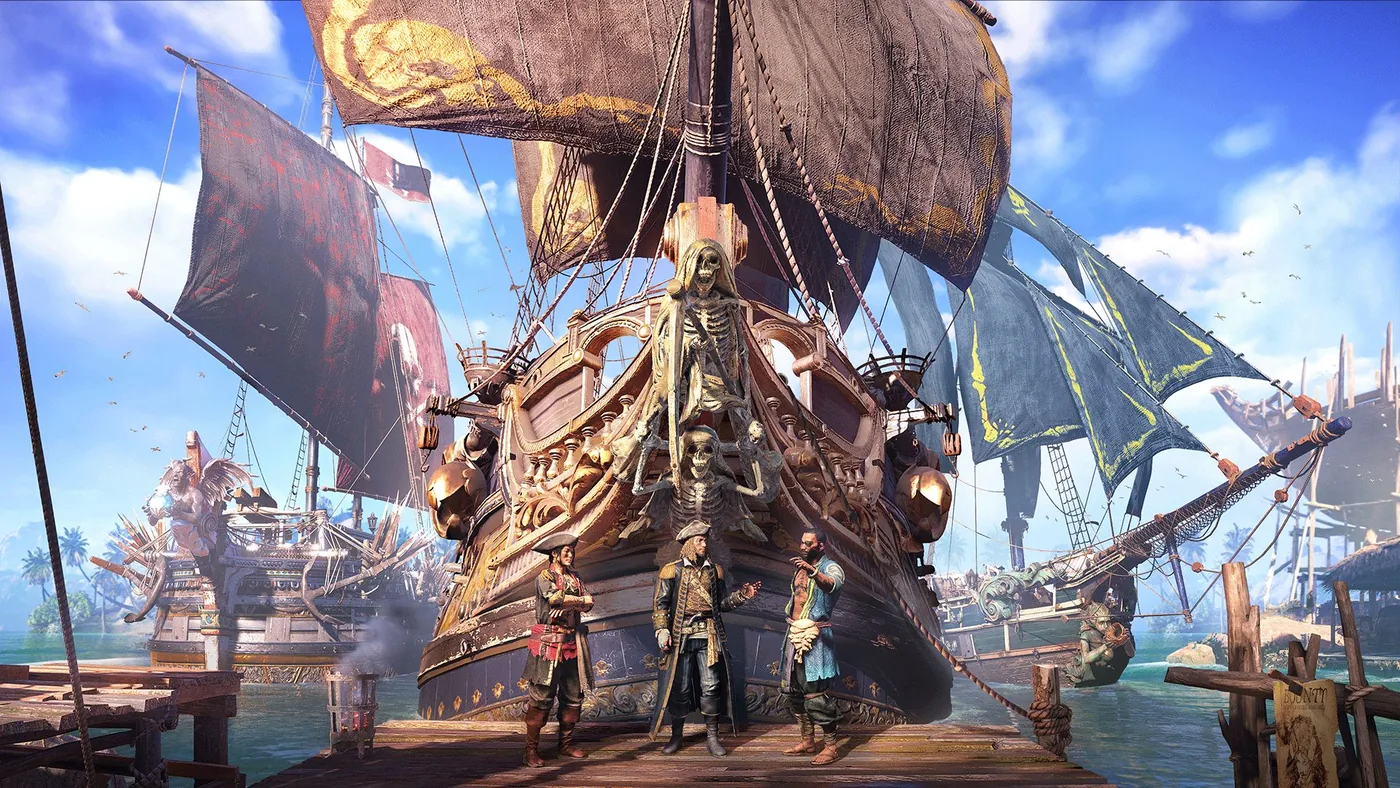
Disputes over digital licensing and catalog management have emerged across other studio initiatives as well. PerEXP Teamworks previously covered how Ubisoft Montreal greenlit a new Rainbow Six Vegas project while reviewing its shooter portfolio. While Ubisoft avoided liability in Kansas for now, the debate over digital licensing continues to challenge how publishers sell live-service products to gamers [2].
Skull and Bones Launch Reception
The legal challenge found fertile ground because Skull and Bones received mixed reviews upon release. Aggregator website Metacritic recorded a critic score of 59 and a user score of 3.3 for the pirate adventure. The reception disappointed buyers [2].
Gaming outlet GamingBolt assigned the pirate game a review score of 5 out of 10, highlighting a deep divide between presentation and game loops. Reviewer Joelle Daniels praised the game for its appealing visuals, great-looking locales, and engaging naval combat and sailing systems that captured the fantasy of open ocean travel. However, GamingBolt criticized repetitive mission loops, questionable timers, excessive resource grinding, and a forgettable plot with bland characters. Those shortcomings made it hard for buyers to view the title as a premium AAAA release, creating fertile ground for court challenges when gamers compared store quality to Guillemot’s earnings call rhetoric [1].

Internal development trouble also shaped the game’s difficult path to market. Former Ubisoft creative director Alex Hutchinson publicly described the long development period for Skull and Bones as a “bizarre” time in the company’s history. Over a decade of changing creative directors and shifting internal production priorities left the project vulnerable to sharp criticism when it finally arrived at retail [1].
Skull and Bones Post-Launch Support
Despite the courtroom battles and disappointing launch scores, Ubisoft has continued to maintain Skull and Bones with regular post-launch patches. The company stayed committed to refining the naval experience instead of abandoning the live-service world shortly after release. Developers worked to address community feedback by introducing gameplay balance adjustments and seasonal activities to keep captains returning to their ships [1].
Among the most notable post-launch additions was Death Tides PvP, a dedicated multiplayer mode introduced through free updates to satisfy competitive captains seeking naval battles. The mode arrived with seasonal challenges designed to test fleet coordination and tactical sailing skills across dangerous waters. By adding new game modes like Death Tides PvP and tuning progression systems, Ubisoft has worked to build a lasting foundation for the live-service game on PC, PS5, and Xbox Series X/S. Still, the fallout from Guillemot’s quadruple-A remarks serves as an enduring reminder of how executive hype can hurt community trust when games spend ten years in development [1].
Ubisoft’s legal win in Kansas gives the company breathing room, but the broader debate over publisher marketing and game ownership is not over. With the plaintiff planning to bring the legal challenge to California, the industry will watch to see how courts evaluate digital licenses. For now, Guillemot’s quadruple-A defense shows how casual puffery during earnings calls can turn into a courtroom battle [2].
- ONLINE NEWS Daniels, J. (2026, November 26). Skull and bones being called quadruple-A was “classic puffery”, not marketing, says Ubisoft lawyer. GamingBolt. [Article Link]
- ONLINE NEWS Lewis, C. (2026, November 26). Ubisoft argued calling Skull and Bones an AAAA game wasn’t “misleading,” but “classic puffery” not intended to be taken as fact in a lawsuit. GamesRadar+. [Article Link]


