






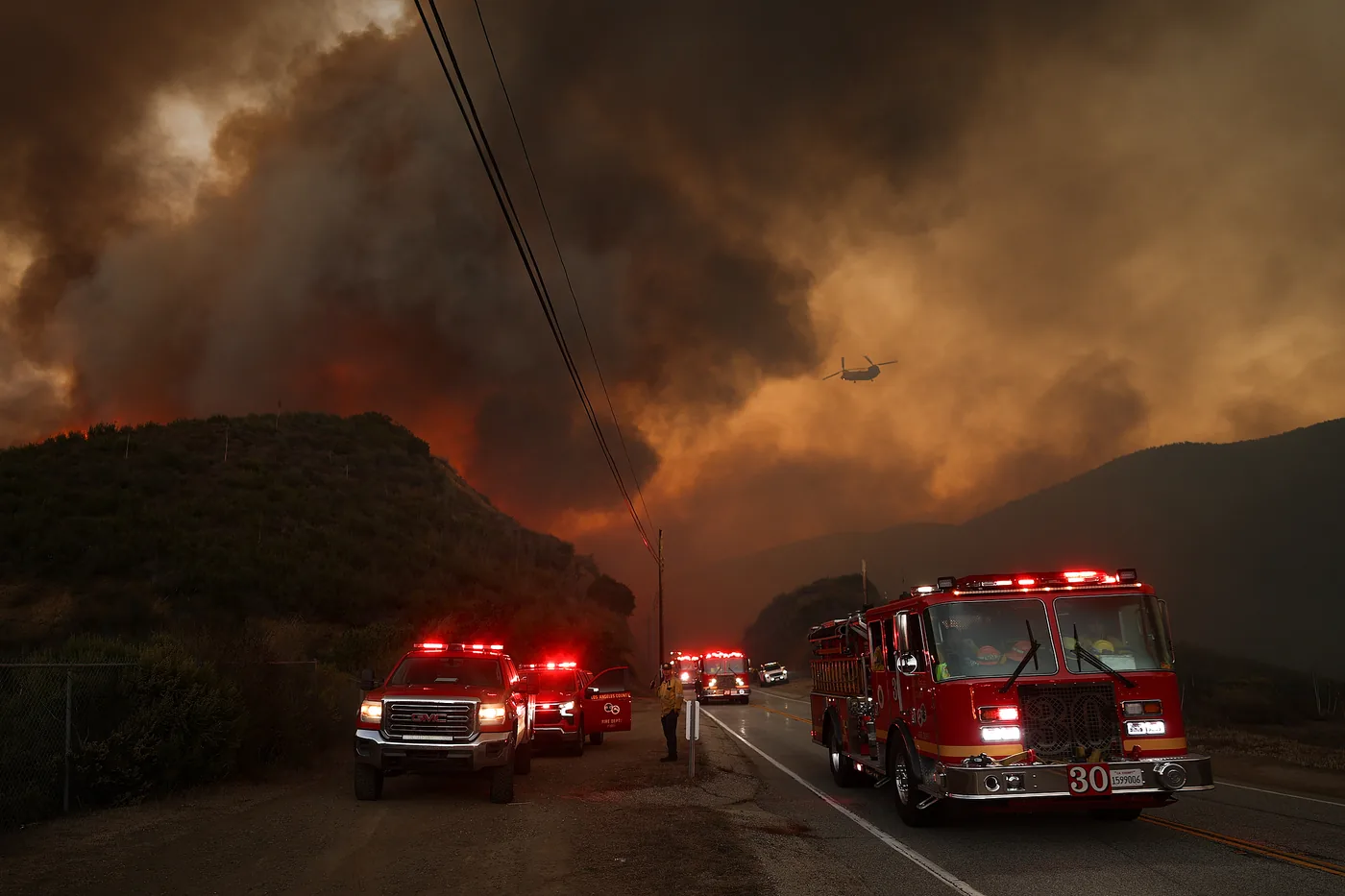
Severe wildfires burned more than 14,062 square miles in the United States this year, leaving behind scorched slopes that threaten municipal water networks long after flames die down [1]. During 2026, 68,179 blazes consumed over 3.8 million hectares, pushing ash and organic sludge into rivers that feed municipal treatment facilities [2]. Because burned catchments lose protective ground cover, utility operators must manage vulnerable wildfire water supplies that provide clean drinking water to millions of urban and rural residents [3].
Burn Patterns in Western Mountain Watersheds
Writing in the journal Nature, researchers tracked historical burn records back to 1940 across eleven western states, examining runoff dynamics in more than 17,000 mountain catchments. The team recorded a major shift beginning in the late 20th century, particularly within headwater basins feeding large population centers. For drainage basins serving over 100,000 people, the average annual area burned nearly doubled from 4.7% to 9.1%. “What we were noticing that was alarming, I’d say, [is] that watersheds that were serving over 100,000 people nearly doubled in annual burn area,” said Alicia Kinoshita, a researcher at San Diego State University and study co-author [3].
Burn increases did not spread evenly through every western landscape. Mountain basins in Utah’s Wasatch and Uinta Mountains and the southern Rockies recorded the steepest burn increases, and the Klamath Mountains in California and Oregon experienced similar surges. But the Great Basin (covering much of Nevada) showed stable or falling burn trends because its arid brush offers less vegetation to feed blazes [3].
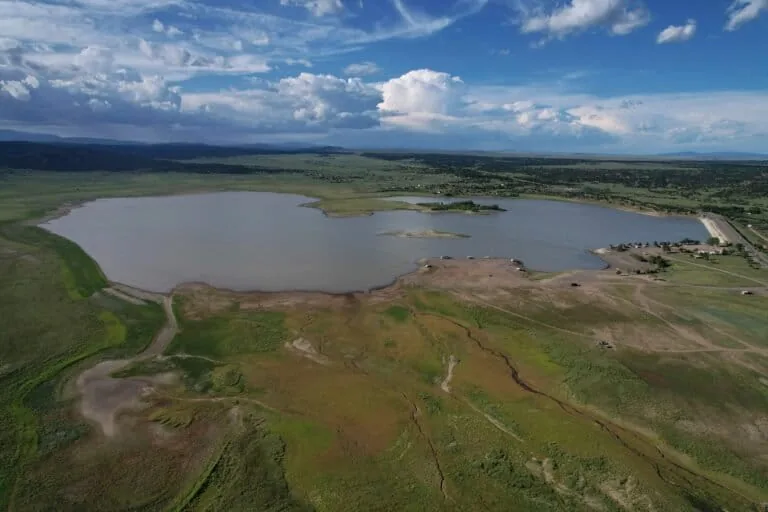
These mountain trends carry heavy weight because forested headwaters supply more than half of western water and provide surface drinking water for nearly 83 million people [3]. In addition, municipal systems serving 3,400 towns rely directly on forested basins to maintain dependable reservoir levels year after year [4].
Chemical Changes That Threaten Wildfire Water Supplies
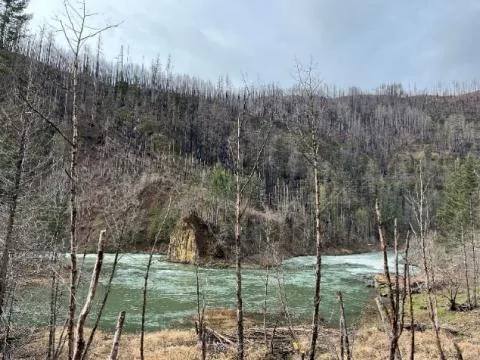
Wildfires burn through the natural vegetative buffers that filter rainwater and keep soil anchored to mountain slopes. Amanda Hohner, an assistant professor at Montana State University who studies fire and water quality, said healthy watersheds capture, filter, and regulate stream flow. Additional field studies reported by Martha Bellisele for the Associated Press found that severe contamination can last up to 15 years [1].
Forested watersheds supply drinking water to nearly two-thirds of American municipalities, and a University of Colorado Boulder study led by Carli Brucker found that post-fire water quality degradation can persist for up to eight years. Texas A&M engineering specialist Garrett McKay said municipal utilities require outside help to secure alternative water sources and filter dissolved organic carbon loads. Dissolved organic matter reacts with the chlorine used in municipal disinfection to produce disinfection byproducts. The U.S. Environmental Protection Agency (EPA) regulates these chemical byproducts because they can cause long-term health problems, including cancer. As a result, treatment operators must remove dissolved organic matter before adding chlorine, which slows filtration cycles and threatens wildfire water supplies when reservoirs run low [2].
Municipal Crises From New Mexico to Colorado
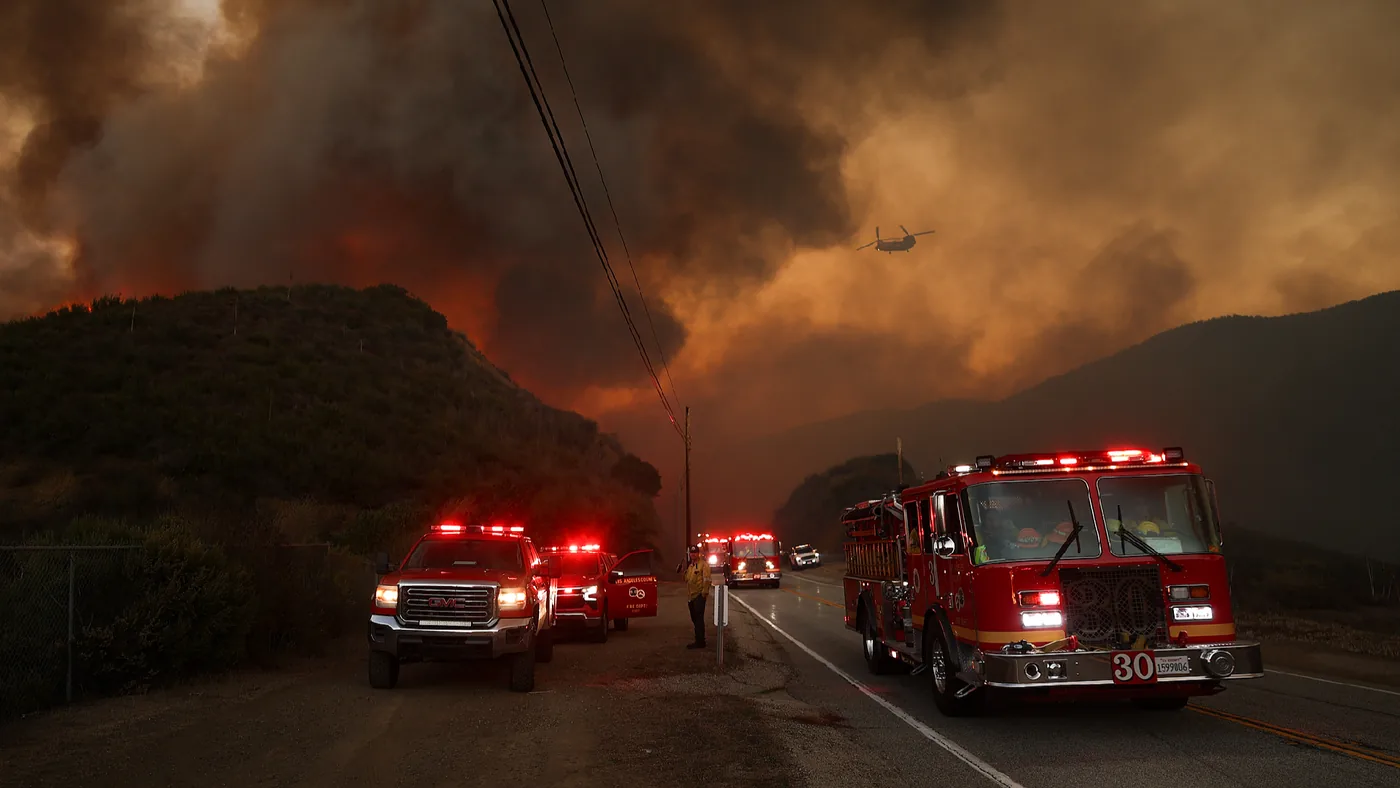
The real-world consequences of post-fire runoff unfolded acutely in Las Vegas, New Mexico. In 2022, the Hermit’s Peak/Calf Canyon wildfire swept through the Gallinas River watershed, sending ash into the municipal water system. Local businesses suffered immediately. Karen Pettine, who operated the Hillcrest Restaurant for 50 years, said the prolonged water emergency forced her to shut her doors permanently [2].
Mayor David Romero said climate change has made mountain weather patterns and river conditions far less predictable for downstream towns. A 2024 flood carried fresh sediment into two reservoirs, leaving only days of clean water and forcing the town to haul in 2.2 million gallons (8.3 million liters) from Santa Fe and Santa Rosa. In February 2025, debris and equipment failure triggered another pressure drop, causing a monthlong boil-water advisory. State and federal agencies allocated $148 million to rebuild the treatment plant and drill backup wells. Colorado faced similar pressures when the 2020 Cameron Peak fire forced Fort Collins to switch to Horsetooth Reservoir [2]. That year, Glenwood Springs secured an $8 million loan to protect its treatment system after the Grizzly Creek Fire burned Glenwood Canyon, an emergency documented by The Denver Post [1].
Sediment Traps and Algal Bloom Complications
Reservoirs act as natural sediment basins, but post-fire runoff creates unique biological hazards for downstream communities. Kyle Shimabuku, an assistant professor of civil engineering at Gonzaga University, said reservoirs can capture physical sediment washed off burned slopes. But nutrient-rich ash also delivers sharp spikes of nitrogen and phosphorus that trigger harmful algal blooms capable of killing fish and sickening human consumers [2].
Physical changes in burned watersheds compound the chemical risks facing water utilities. Alicia Kinoshita said the underlying hydrologic shift degrades water safety rapidly: “After a fire, we usually see increased water quantity and decreased water quality, and that’s just because we usually see a removal of the vegetation and things that are kind of holding everything in place.” Without vegetation to absorb heavy rain, sudden storms trigger mudslides and debris flows that fill reservoirs with years of sediment in a few hours. Much of the West’s primary water infrastructure was designed in the mid-20th century under assumptions of stable historical runoff. Today, aging facilities struggle to manage the combined pressures of severe wildfire, shifting precipitation patterns, and growing urban water demands [3].
Federal Efforts to Protect Wildfire Water Supplies
National forest lands serve as a critical drinking water source for vast portions of the American population. Public lands managed by the Forest Service supply municipal drinking water to 60 million people living in 3,400 towns distributed among 33 states. In 2020, the Labor Day fires burned over 1 million acres in Oregon and caused $380 million in damage to water utilities [4].
To address these systemic vulnerabilities, researchers launched the Wildfire and Water Security project to help forest and water managers safeguard municipal catchments. The initiative brings together scientists and engineers from nearly 30 partner organizations, including federal, state, and local agencies, academic institutions, and utility operators. The research team collects water quality samples in burned watersheds, tests advanced filtration technologies, and builds predictive runoff models to help utilities plan ahead. More than 100,000 Oregon residents experienced drinking water service interruptions during the 2020 fire season as treatment plants struggled to process muddy river water [4]. According to USGS, the 2020 fire season proved that fire impacts on municipal water quality persist long after flames are extinguished, requiring coordinated adaptation between land managers and water providers [5].
Management Strategies for Vulnerable Basins
Effective watershed defense requires targeted land management before fires ignite. Alicia Kinoshita said identifying high-risk mountain basins allows land managers to focus limited resources where municipal populations face the greatest exposure. “We’re really hoping [the study] highlights these vulnerabilities and these at-risk areas,” Kinoshita said, pointing toward preventative tools such as targeted prescribed burns, streamside vegetation restoration, and real-time turbidity monitoring [3].
Prescribed burns reduce heavy fuel accumulations, which helps keep future wildfires at lower severity levels that spare deep soil roots. Restoring native vegetation along river banks creates natural vegetative barriers that trap ash and sediment before runoff enters intake reservoirs [3]. Municipalities are also revamping their physical infrastructure to survive prolonged river contamination [2].
In Las Vegas, New Mexico, groundbreaking on the first phase of a new water treatment plant is scheduled for November 18, 2026, supported by federal and state rebuilding funds. The city is drilling groundwater wells and developing water reuse systems because officials recognize they cannot depend entirely on the Gallinas River during an era of unpredictable climate shifts. Upgrading outdated treatment facilities and securing multiple intake sources will protect wildfire water supplies against future blazes [2]. By combining proactive forest stewardship with flexible municipal engineering, western communities can better protect their drinking water from post-fire fallout [4].
- ONLINE NEWS Bellisele, M. (2026). Bigger and more-frequent wildfires threaten water supplies across the US. Mongabay. [Article Link]
- ONLINE NEWS CGTN. (2026, November 13). Bigger, more frequent wildfires threaten water supplies across the US. [Article Link]
- ONLINE NEWS Roedel, K. (2026, October 1). Western water supplies increasingly threatened by wildfires, new research finds. Boise State Public Radio. [Article Link]
- REPORT US Forest Service Research and Development. (2025, June 8). Wildfire and Water Security Research Project. Pacific Northwest Research Station. [Article Link]
- WEBSITE USGS. (2026, September 11). How Wildfires Threaten U.S. Water Supplies. [Article Link]
APA 7: PerEXP Teamworks. (2026, November 14). Wildfire Water Supplies Face Decades of Risk in the West. PerEXP Teamworks. https://perexpteamworks.com/en/wildfire-water-supplies-burned-basins/


