



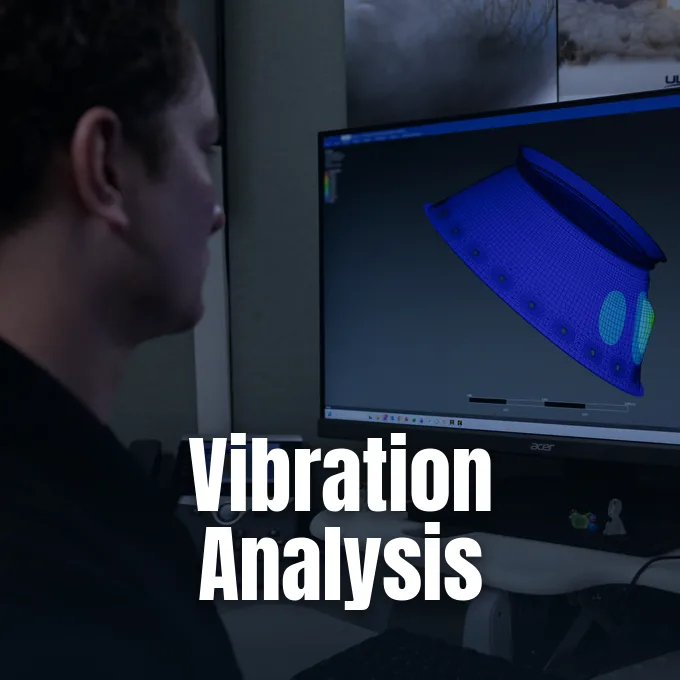
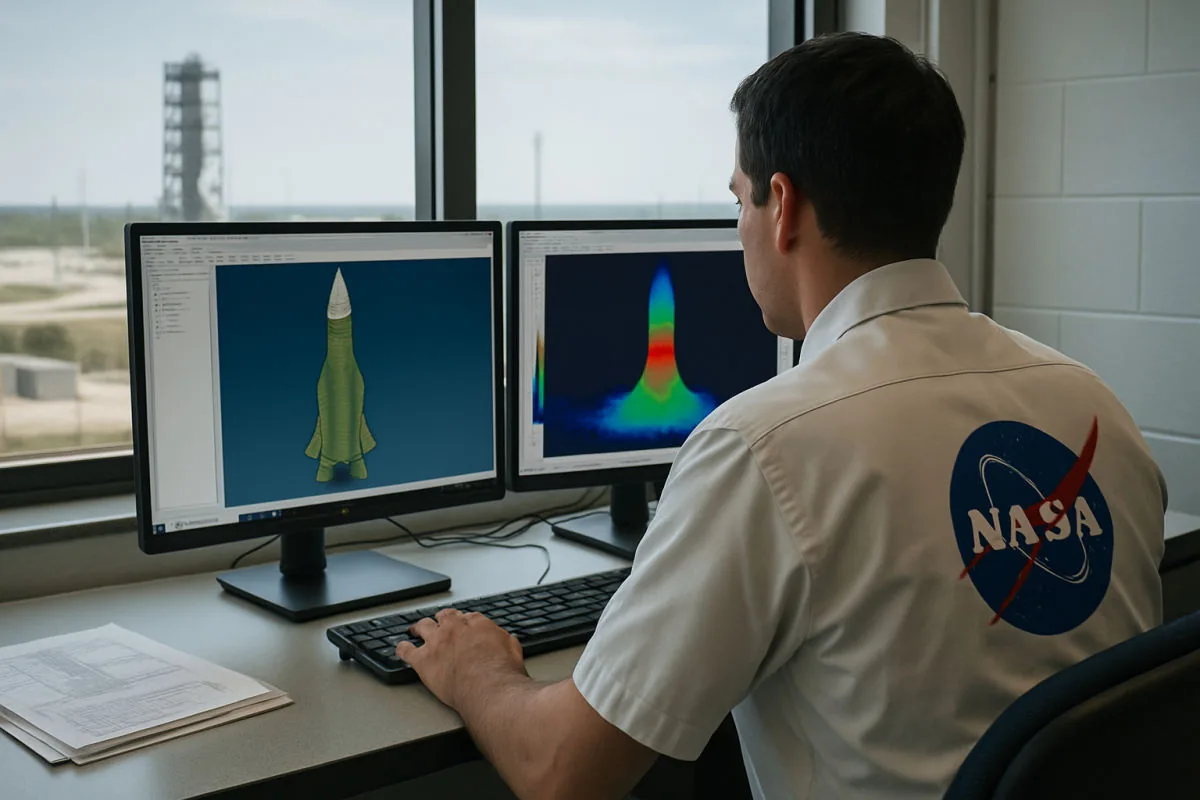
Engineers at NASA have streamlined rocket vibration analysis by introducing a standardized modeling workflow that predicts how space vehicles handle extreme flight stresses. During launch and ascent, rockets experience violent shaking, flexing, and acoustic shock that can damage sensitive scientific payloads. To protect these instruments, Dynamic Environments Group teams at Kennedy Space Center in Florida use digital software to build finite element models long before hardware reaches the launch pad [1]. This computer-based approach replaces decades of patchwork approximations with reproducible simulations, giving mission teams faster insight into launch safety [7].
Predicting Structural Stress Before Launch
Rockets shake violently on the pad. Before a rocket leaves Earth, NASA engineers at Kennedy Space Center in Florida must predict how harsh forces will impact every payload part [1]. When computers break complex vehicle assemblies into thousands of tiny pieces, finite element analysis predicts how materials bend under peak launch loads [3].
For decades, flight teams estimated dynamic launch loads by using simple rules of thumb or by scaling test data collected from older spaceflights. That approach worked, but it relied on individual judgment and rough estimates that differed across teams. “This computer-based method helps predict how rockets and spacecraft behave under extreme conditions before hardware is built and helps identify weak spots and potential failure risks early so the team can address the findings,” said Brian Beaver, chief of the Flight Analysis Division with the Launch Services Program Office at NASA Kennedy [1]. Flight parts cannot be fixed after liftoff. Finding weak points early on the ground prevents catastrophic losses during ascent, keeping costly space probes safe on their trip to orbit [7].
Dynamic stresses cause wear or sudden component fractures during powered ascent. The Dynamic Environments Group at Kennedy Space Center sets baseline limits for random vibration and acoustic shock to protect delicate instruments [1]. Early tests prevent flight disasters. By adopting shared digital templates, the team avoids having to re-learn complex simulation setups each time a new rocket arrives [5].
Updating Rocket Vibration Analysis With Digital Tools
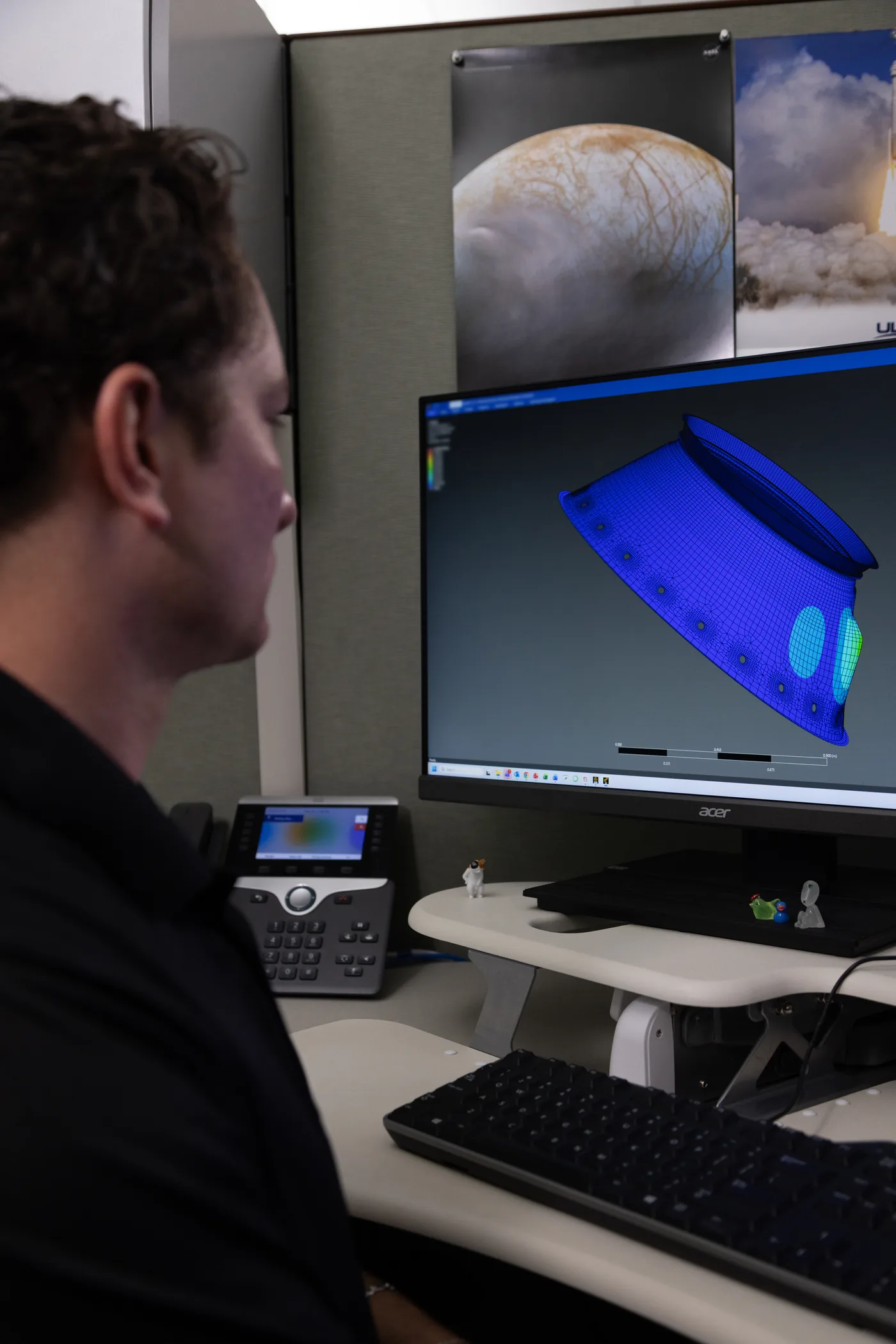
NASA engineers decided to modernize their flight predictions by adapting a digital software package that had existed for decades in other industries. Specialists at NASA Kennedy rarely used this software for launch vehicles, but Kennedy Space Center saw a chance to upgrade its checks. “We are using a tool that’s existed for decades, but it’s not normally used by the dynamic environments disciplines,” said Alex Hardt, aerospace engineer with the Launch Services Program Office at NASA Kennedy [1]. “But we’re changing that. We’re using it in a relatively new area of dynamics.” By adapting this tool for booster certification, Hardt created a shared framework that handles vibration profiles and sudden shock conditions in one digital setup [8].
Why did earlier dynamic checks rely so much on manual labor? At Kennedy Space Center in Florida, Launch Services Program analysts use finite element software irregularly, so engineers often had to re-learn complicated tool menus for every new mission. The software replaces older tools. Pre-built templates now guide staff through standard shock and vibration evaluations without custom scripts [1].
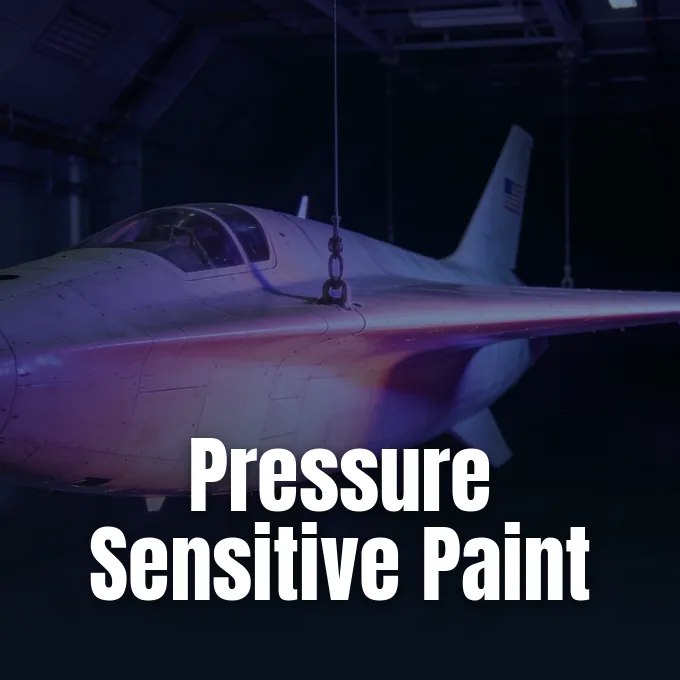
Digital modeling also transforms how engineering teams collaborate and share skills across NASA Kennedy. Instead of working in isolated cubicles, staff members share simulation templates and update flight baselines whenever fresh launch telemetry arrives from the pad. Similar progress in predictive testing has helped space researchers, as seen when aerodynamicists deployed pressure sensitive paint to map dynamic wing airflow across high-speed test surfaces. Alex Hardt said the software gives deep insight into dynamic problems that once took months of manual calculation [1]. The division now resolves tricky vehicle questions quickly, turning numerical simulations into clear visual models that flight managers can inspect and verify [3].
Certifying Commercial Launch Vehicles
NASA recently put this modeling template to work at Kennedy Space Center while certifying a commercial launch provider for a science mission. While the private contractor provided extensive test data for random vibration, it had not performed required ground shock tests on the flight vehicle before delivery. The Dynamic Environments Group at NASA Kennedy used its digital template to simulate missing shock loads, avoiding painful project delays [1].
“We define how severe the random vibration levels and shock levels are, and then we verify that all the parts going on future rockets have been tested to those levels, maximizing their longevity,” Hardt said. Running what-if comparisons in-house saved NASA Kennedy months of waiting for contractor updates [1]. The computer simulation verified the private firm’s vibration numbers and also uncovered unexpected shock forces that occur when moving rockets over highways and rail lines. Catching these transit stresses on computers allowed NASA to protect the booster before it rolled out to the launch pad. Digital models speed up flight reviews. Mirage News reported that Alex Hardt and the Launch Services Program Office at NASA Kennedy granted flight approval with full trust in the rocket’s ability to protect its payload [6].

Testing Capabilities at Johnson Space Center
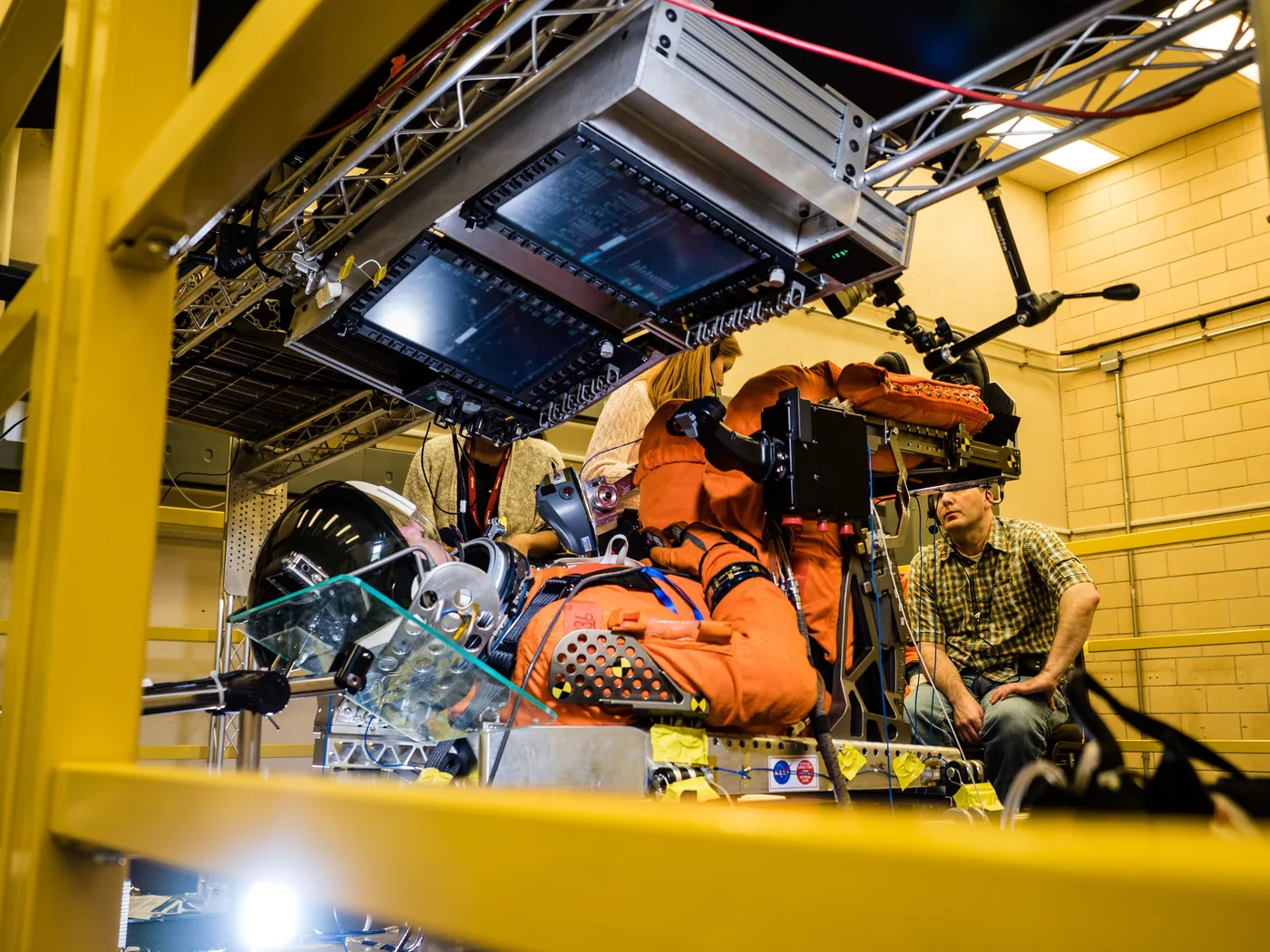
While Kennedy Space Center refines digital workflows, physical shaker testing remains vital for checking simulation accuracy against real hardware. At Johnson Space Center in Houston, the Structures Test Facility carries out dynamic testing on full-scale spacecraft frames. NASA researchers Sara D Garcia and Molly Bannon conduct static and fatigue load tests on crewed spacecraft frames to verify structural margins before spaceflight [2].
Inside the Pyrotechnics Test Facility at Johnson Space Center, heavy-duty shaker tables subject flight hardware to extreme launch environments. A shaker table housed within a blast-resistant cell at Johnson Space Center tests hardware at loads reaching 26,000 g-lb, spanning frequencies between 20 and 2000 Hz. To simulate stage separations during ascent, the facility fires two pyroshock stands called the Tunable Beam and the Resonant Plate Stand. Both rigs hit test articles with sharp shock waves reaching 10,000 g at frequencies from 100 to 10,000 Hz, proving that delicate sensors can survive violent staging pulses on the climb to orbit. Ground checks save time and money. Harsh dynamic testing confirms that metal joints will not crack during flight [2].
Tiny flaws can also wreck a space mission if launch vibrations shake loose metal bits inside sealed electronics. At the Receiving, Inspection and Test Facility at NASA Johnson Space Center in Houston, Brian M Schwing, Molly Bannon, and Sara D Garcia run Particle Impact Noise Detection tests. Technicians shake small parts under 1 lb between 40Hz and 130Hz to find loose solder balls [2].
How Digital Models Speed Flight Readiness
Standardized modeling workflows change how NASA evaluates flight readiness across private rocket fleets and government exploration programs. Earlier booster checks required months of data requests between NASA centers and contractors, but standardized finite element templates now let Flight Analysis Division analysts build models in days without waiting for outside reviews [1]. PressBee reported that analysts in the Flight Analysis Division use this capability to gain autonomy when evaluating commercial rockets for high-priority planetary science missions [3]. Faster simulations allow teams to detect structural risks before bending metal in the factory, keeping costly launch schedules on track. Early detection saves agency budgets while protecting robotic explorers destined for deep space [1].
Faster computer simulations also support agency projects that test hardware under tough planetary conditions. Engineers at NASA Kennedy used similar rigorous dynamic trials during NASA’s testing of Mars helicopter designs at Kennedy Space Center in Florida to verify rotor stability in thin air [1]. Digital stress forecasts also guide material science research into impact-resistant films and acoustic lenses for future space payloads [2].
The new software workflow also bridges knowledge gaps across generations of engineers in the Launch Services Program Office. When senior analysts at NASA Kennedy package their dynamic methods into clear software templates, newer engineers learn approved simulation practices without struggling through decades of scattered manuals. “We’ve used it to get really valuable insight very quickly into verifying a provider’s system,” Hardt said [1]. “It’s already provided some really deep insight into something that normally takes a lot of effort.” These digital tools help NASA preserve institutional know-how, ensuring that future teams keep high engineering standards as launch options multiply across the industry [5].
Applying Rocket Vibration Analysis to Future Flights
NASA relies on the Launch Services Program Office to send scientific missions to observe Earth, visit distant planets, and explore deep space [1]. Upcoming flights launched from Kennedy Space Center in Florida will carry climate satellites, orbital observatories, and Mars rovers. Standardized rocket vibration analysis ensures that these expensive instruments survive the violent acoustic noise and heavy shaking of orbital launch [4].
By linking digital templates at Kennedy Space Center with shaker beds at Johnson Space Center, NASA builds a multi-layered defense against launch failure [1]. Flight teams can now spot weak points while a rocket exists only on a computer screen, saving months of trial and error before metal is cut in manufacturing plants. NASA Communications specialist Elyna Niles-Carnes reported that the Launch Services Program Office at Kennedy Space Center continually updates these analytical methods to give every mission the best chance of orbital success. Standardized modeling gives engineers the tools they need to certify future commercial boosters safely and keep scientific instruments working across the solar system [7].
- PRESS RELEASE Niles-Carnes, E. (2026, October 19). NASA Improves Shock, Vibration Analysis. NASA. [Article Link]
- REPORT Garcia, S. D., Schwing, B. M., & Bannon, M. (2024, February 12). Vibration & Shock. NASA. [Article Link]
- ONLINE NEWS Mirage News. (2026, October 19). NASA Improves Shock, Vibration Analysis. Mirage News. [Article Link]
- ONLINE NEWS PressBee. (2026, October 19). NASA Improves Shock, Vibration Analysis.Middle East. PressBee. [Article Link]
- ONLINE NEWS Guest authors. (2026, October 19). NASA Improves Shock, Vibration Analysis. VibeWire Magazine. [Article Link]
- WEBSITE Admin. (2026, October 19). NASA Improves Shock, Vibration Analysis. Burntisland Parish Church. [Article Link]
- ONLINE NEWS The Florida Buzz staff. (2026, October 19). NASA Kennedy improves rocket vibration analysis. The Florida Buzz. [Article Link]
- WEBSITE Habity. (2026, September 24). NASA Improves Shock, Vibration Analysis. Habity. [Article Link]
APA 7: PerEXP Teamworks. (2026, October 20). NASA Engineers Standardize Rocket Vibration Analysis. PerEXP Teamworks.


