





Spotify is developing a paid add-on that lets subscribers alter songs with AI, according to the Financial Times. The planned Spotify AI remix feature could launch in early 2027. Under the proposal, listeners would pay an additional $4 to $5 each month on top of existing Premium subscription fees [1].
Monthly Cost for Premium Subscribers
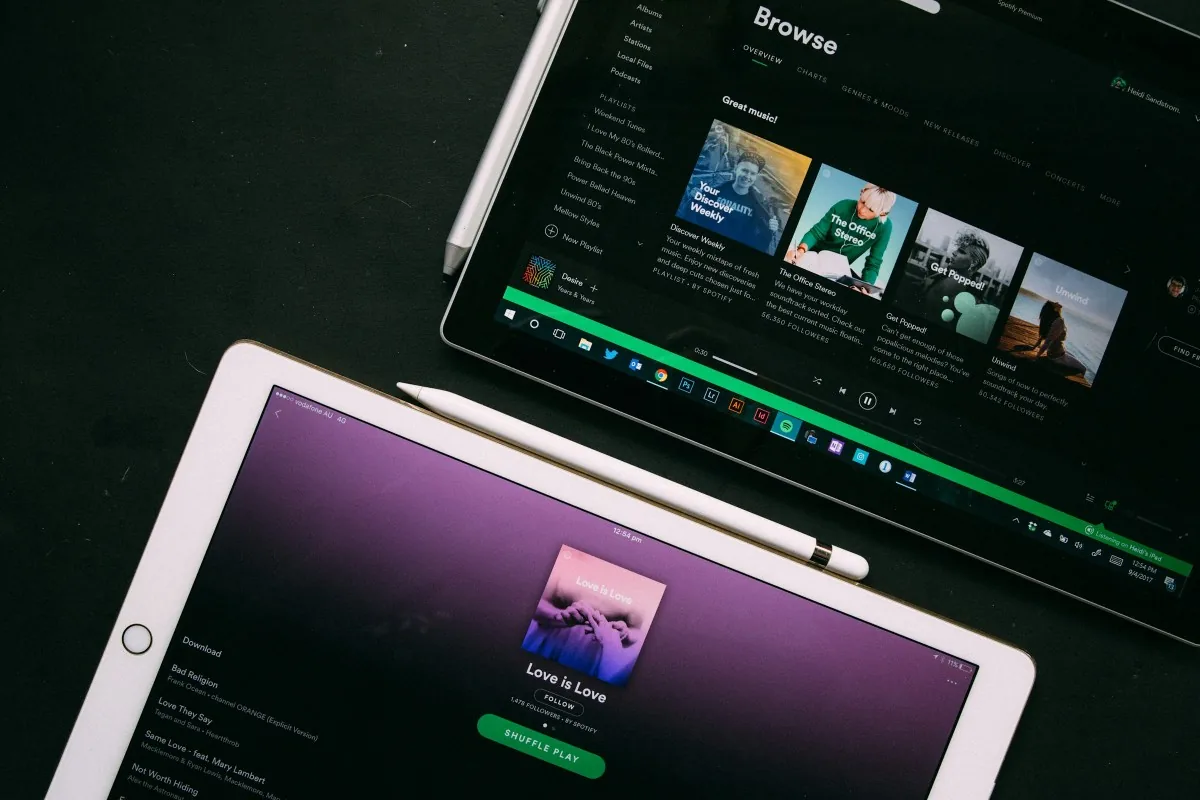
Users who want the AI audio tools will pay an extra monthly fee instead of seeing a price hike on basic plans. In the United States, an individual Spotify Premium plan costs $12.99 per month. Adding a $4 to $5 surcharge would push that total monthly bill to approximately $16.99 or $17.99 for subscribers who choose to opt into the new creative features [4].
Pricing details are still fluid, and Spotify declined to comment on specific dates or prices before an official rollout. The company has not locked down its final launch schedule or pricing. Rumors in early 2025 pointed to a Music Pro tier that would cost $6 extra for remix tools, but that plan never arrived and Spotify added lossless sound to Premium at no extra charge [5]. Music Pro never launched. Music apps want more revenue from each account, so paid add-ons help bring in extra cash from active fans without raising fees on everyone else. In competitive digital audio markets, reaching higher margins often depends on convincing existing subscribers to buy creative extras [6].
By late September 2026, Spotify counted 306 million paying subscribers with 788 million monthly active listeners across the globe. Growth in mature markets has slowed. To build new revenue streams without alienating price-sensitive listeners, Spotify designed the AI remix tool as an optional paid add-on that charges only the fans who actively use it [6].
Licensing Deals with Record Labels
Building an authorized library requires formal deals with rights holders, and Spotify started that work in May 2026 through a partnership with Universal Music Group. The UMG agreement opened the door for fans to rework tracks from participating Universal artists and songwriters who agree to the terms. Major music labels want new digital revenue. Universal Music Group framed the pact as a way to build commercial paths for AI while protecting creators under contract [7]. Spotify then signed a deal with Merlin in August, added music publisher Kobalt, and partnered with indie distributor Believe on October 20, 2026.
The Believe agreement brings in indie artists who distribute music through TuneCore. Spotify cannot build a full catalog without the rest of the industry. Licensing talks with Sony Music Group and Warner Music Group remain ongoing as Spotify attempts to bring both major labels into the fold [6].
Even when record companies sign deals, individual artists keep the final say over whether fans may alter their original master tracks. Spotify and Universal Music Group have held meetings with artists to ask for their participation, but convincing top stars has proven harder than signing veteran acts [3]. Artists can opt out. Pop singer Olivia Rodrigo previously voiced strong opposition to generative AI music, highlighting the resistance Spotify faces from modern stars. Performers who dislike software altering their voice can withhold their songs, leaving only willing artists in the program [1].


How Spotify AI Remix Tools Work
The system alters existing songs instead of generating tracks from scratch. For example, a user could turn an upbeat dance tune into a slower country ballad, or swap the tempo of a folk track. The software modifies official master stems from participating Universal Music Group artists rather than unapproved online files [2].
Spotify differs from generative apps like Suno that construct songs entirely from text prompts, because real human recordings remain the core of every user creation. Spotify previously tested Prompted Playlists to let Premium users build track lists using text prompts, and an AI DJ that offers spoken commentary. Those features helped Spotify test user appetite for AI audio. The Spotify AI remix tool takes personalization further by letting fans adjust tempo, pitch, and style on finished releases. Instead of just hearing a track, paying users can make their own versions and share them across Spotify playlists. The company aims to make song customization as easy as browsing standard playlists [7].
French music company Believe created a two-stage opt-in workflow so its musicians and TuneCore partners review terms before tracks enter the remix engine. That process lets creators monitor how fans use their music while protecting underlying publishing rights [6]. TuneCore artists retain publishing control over each song.
Fan Reception and Chart Rules
Fan-made remixes will not stay trapped in personal libraries, because Spotify plans to let users share them on public playlists. In a key concession to labels like Universal Music Group, streams of these modified versions will count toward chart rankings for the original song on Spotify charts. Royalty payments from fan remixes will flow back to the original artists and songwriters under the licensing deals [3]. That setup gives labels a clear reason to allow remixes instead of issuing copyright takedowns against paying fans.
On Reddit discussion boards, music fans reacted to the Financial Times report with questions like “Who wants this?” while others labeled paid AI remixes as “gross” and “horrible”. Several users in the thread suggested switching to rival streaming apps instead of paying more money for unwanted generative features [1].
The backlash follows a broader push where Spotify purged 50 million AI slop and spam tracks to keep automated junk out of listener recommendations. Artists also show growing fatigue with unapproved AI music experiments. For instance, Irish rock band Fontaines DC expressed dismay after discovering AI imagery was used without their knowledge in the video for their single Marianne. Such episodes make bands cautious about signing up for automated remix tools, even when platforms promise fair royalty splits and official chart credits [2].
Adopting Spotify AI Remix by 2028
Analysts do not expect broad adoption. Bernstein analyst Ian Moore projects that 7% to 8% of Spotify’s US subscribers might buy the add-on by the close of 2028, which would deliver meaningful recurring revenue across approximately 75 million domestic Premium accounts while leaving casual listeners untouched [1, 3]. Spotify co-CEO Gustav Soderstrom said the feature offers artists a fresh way to earn royalties while building deeper ties with fans [3].
Record labels see real commercial value in digital audio experiments. Major labels have already backed AI acts, including a $3 million contract from one label for Xania Monet, a virtual project created by poet Talisha Jones. Universal Music Group, Sony Music Group, and Warner Music Group want fan creativity inside licensed channels instead of losing listeners to unauthorized web apps [2].
The streaming service hopes to unveil the remix tools during early 2027, with the Financial Times reporting an announcement could coincide with the Grammy Awards on Sunday, February 7. Pricing is not final. Spotify continues talks with labels and artists to build out the catalog before public release. Until contracts are signed and tools are tested, the proposed Spotify AI remix tier remains an ambitious test of whether listeners will pay extra to modify the songs they stream [1].
- ONLINE NEWS Nield, D. (2026, November 2). Spotify is reportedly pushing ahead with its AI remixing feature in early 2027 — but some users are labelling it as ‘horrible’ and ‘gross’. TechRadar. [Article Link]
- ONLINE NEWS Bennett, C. (2026, November 2). Spotify to charge users to remix songs with AI, but it’ll pay the real artists more. Dexerto. [Article Link]
- ONLINE NEWS Sharma, A. (2026, November 2). Spotify could make Premium subscribers pay $5 more a month for its next big bet. Android Authority. [Article Link]
- ONLINE NEWS Malik, A. W. (2026, November 2). Spotify May Soon Charge You Extra to Remix Songs Using AI. ProPakistani. [Article Link]
- ONLINE NEWS Vlad. (2026, November 2). Spotify reportedly wants up to $5 extra per month for AI covers and remixes. GSMArena.com. [Article Link]
- ONLINE NEWS White, I. (2026, November 1). Spotify Wants Another $5 a Month in 2027 to Let You Remix Songs You’re Already Paying to Stream. ecoustics.com. [Article Link]
- ONLINE NEWS Richard, I. (2026, May 21). Spotify, Universal Partnership Offers AI Tools That Let Premium Users Cover, Remix Songs. Tech Times. [Article Link]


