




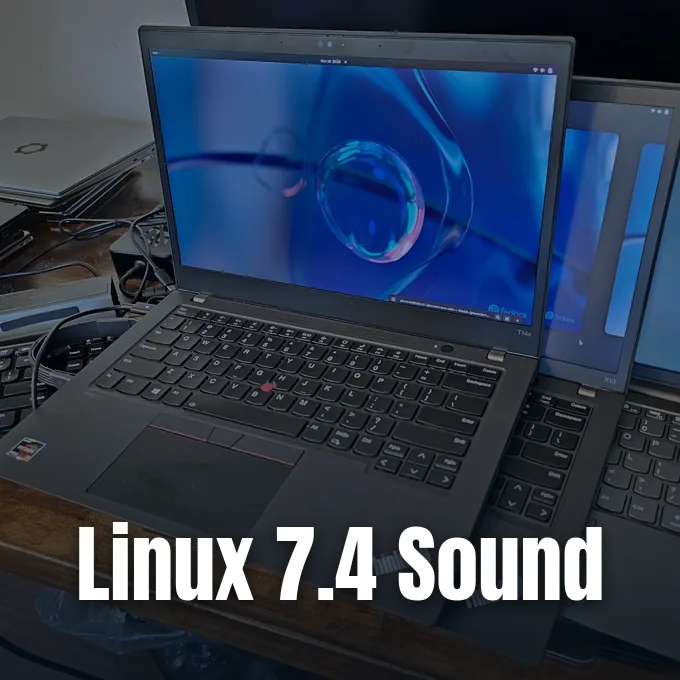
SUSE engineer Takashi Iwai sent the Linux 7.4 sound pull request as the kernel merge window opened, telling coders that “the AI flood continues” in patch queues [1]. The four-word phrase describes a surge of code patches and bug reports sent by AI tools into the Advanced Linux Sound Architecture (ALSA) tree. The pull request merged into Linux Git quickly, but the note drew fresh eyes to the review load facing tree maintainers [4].
Machine Contributions in the Merge Window
Takashi Iwai said that bot agents and large language models keep churning out code patches and spotting new software bugs across older kernel code, turning what began as an occasional curiosity into daily patch traffic for ALSA reviewers [1]. Human reviewers must read every line. They check that each submission fixes an actual defect without adding hidden regressions, making routine patch triage a much heavier chore [4].
An intelligence brief by Discernion using Qwen 2.5 (3B) pointed out that the ALSA sound update includes bug fixes made by AI tools. Language models can scan source code and flag bad pointer math or missing locks [3]. But these tools don’t grasp the wider system design, leaving human reviewers to judge whether a fix makes sense or hides a deeper flaw [4].
The flood of machine patches splits into two distinct paths for Linux coders who monitor incoming mailing lists. Coding bots generate direct patches that tweak existing logic, as diagnostic bots scan source trees to report suspected bugs found during automated test runs. Maintainers want early bug reports because finding flaws before release stops crashes on user PCs. Yet bug reports filed by language models carry a real risk of false positives and wrong root causes, forcing coders to spend triage hours checking whether a bug exists. When bots dump hundreds of speculative reports on kernel mailing lists, reviewers can’t easily tell good reports from noisy junk, creating extra work for engineers who already have full queues [4].
Triage for Linux 7.4 Sound Patches
Kernel work has long leaned on a small group of senior reviewers who check patches before sending them to the mainline tree. When bot tools submit patches at high speed, that manual review setup faces heavy strain because reviewers can’t accept code just because it passes build tests. They have to read every line. Reviewers must establish not only that the code compiles cleanly, but that whoever or whatever generated the patch truly understood how the subsystem interacts with the rest of the kernel. That human check is where kernel reliability is won or lost across open source platforms [4].
The ALSA sound tree is an easy target for autonomous bots because it is large, self-contained, and runs on an active review loop [4]. Takashi Iwai keeps a brisk pace of sorting sound changes, which gives automated pipelines fast feedback on their code [1]. Yet nothing in the pull request shows that sound drivers face more bot traffic than file systems or networking trees, suggesting the trend marks a wider shift in Linux work [4].
The tone of the pull request remained calm. Writing for linux.org.hk, an analysis said Takashi Iwai described the trend without heat, taking machine code as a normal fact of modern kernel life [4]. The sound pull moved smoothly through the merge window, and all planned ALSA fixes and hardware drivers landed in Linux Git for the 7.4 cycle [1].


Core ALSA Code Hardening
Apart from machine-generated code, the Linux 7.4 sound pull brings useful clean-up work to core ALSA components. Coders eliminated race conditions in core ALSA infrastructure, fixed subtle concurrency bugs inside the JACK audio connection code, and repaired a buffer leak in compression offload routines. This prevents memory leaks during long playback sessions [1].
The pull request marks the old Open Sound System (OSS) sequencer emulation code as deprecated for the 7.4 release. The older OSS interface was superseded by ALSA decades ago, but emulation layers stayed in the tree to support vintage software packages that still called obsolete audio interfaces. Removing the sequencer emulation lets maintainers trim dead code paths and reduce potential bugs in seldom-tested routines. It’s a clean break from code that few users still rely on [1].
Routine C bug fixes rounded out the core sound changes for this cycle. These adjustments address edge-case errors in audio routing, stream teardown, and device resource allocation that turn up during testing. Takashi Iwai said that routine clean-ups form the backbone of sound stability across personal computers, even when they attract less public attention than new hardware support [1].
Linux 7.4 Sound Hardware Support
Beyond software fixes, the Linux 7.4 sound pull adds new audio hardware support across laptop and desktop platforms. Intel systems gain compressed audio playback over Sound Open Firmware IPC4, starting with Tigerlake processors and extending to newer mobile chips that rely on modern firmware interfaces. The change lets laptops offload audio streaming to low-power digital signal processors, which cuts CPU energy use during media playback [1].
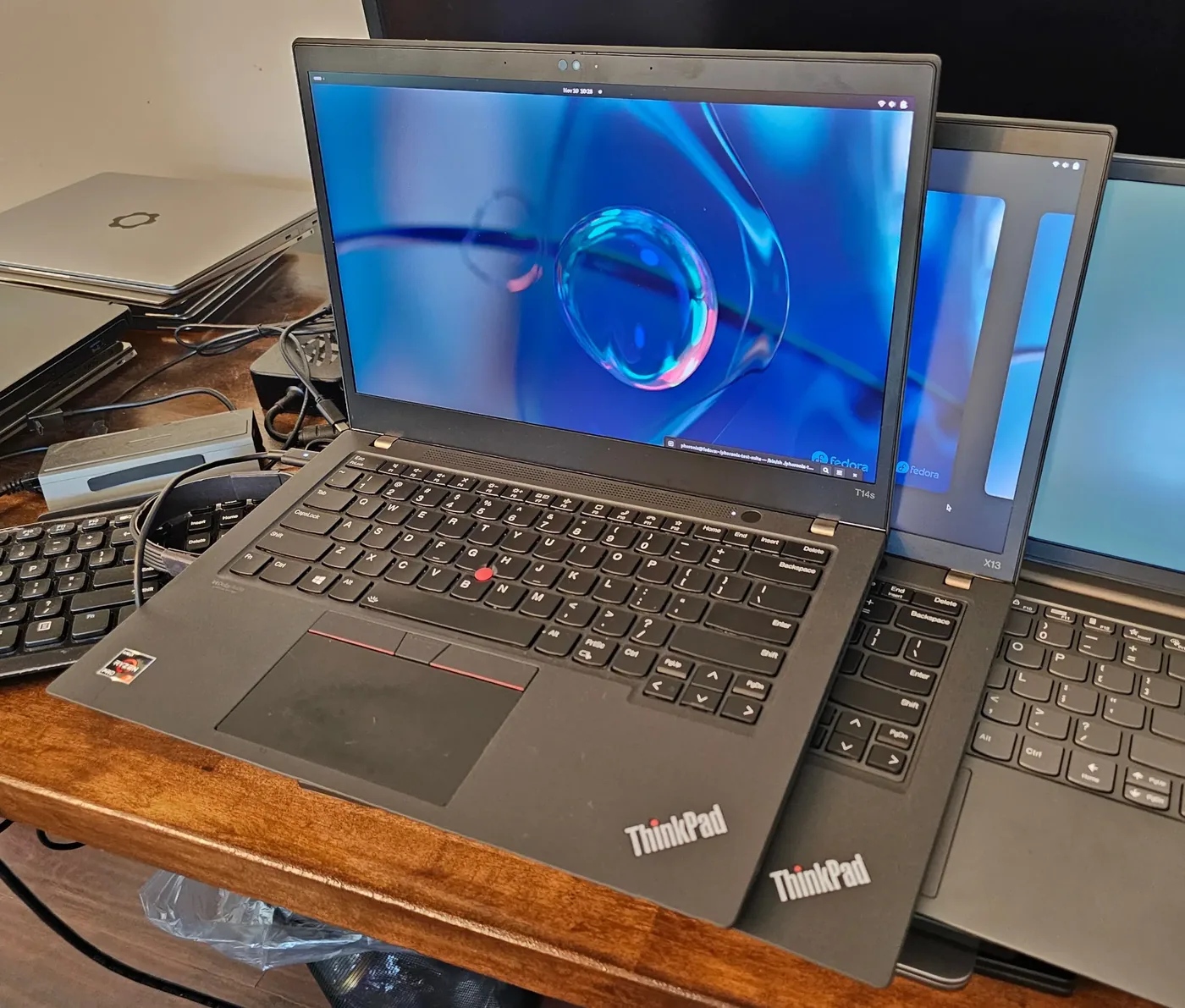
AMD platforms receive audio coprocessor support through AMD ACP 7.0 and ACP 7.F blocks, designed for upcoming Ryzen Zen 6 processors. The update integrates SoundWire and PDM controllers for these upcoming chips to handle low-latency microphone arrays and modern audio links. AMD also expanded its processor audio stack with ACP 7.0 and 7.F IP support for future Ryzen Zen 6 hardware, following earlier work where AMD Gorgon Halo chips received Linux NPU support. The pull request also adds hardware quirks for laptops from Lenovo, ThinkPad, ASUS, HP, Acer, HONOR, and MSI so internal speakers and microphones work correctly [1].
New standalone codec drivers expand kernel audio support for specialty hardware. The pull request adds driver code for the ESS ES9039Q2M converter, the Nuvoton NAU83G60 amplifier, and Senary SN624x SoundWire SDCA codecs. Mobile platforms also gain the Qualcomm QAIF driver for the Qualcomm Shikra development platform [1].
Memory Management Patches
As audio developers processed AI patches, Andrew Morton submitted a large memory management pull request containing 539 MM patches for the 7.4 merge window, with 76% of the changes reviewed. The high review rate reflects thorough scrutiny from kernel developers before merging the code into Linux Git. The work spans performance optimizations, page-to-folio conversions, and continued improvements to the DAMON data access monitoring framework [2].
The DAMON framework gained access monitoring for HugeTLB memory along with a new auto-tuned mechanism designed to collapse huge pages during heavy background workloads. Kernel developers also revised how the /proc/PID/smaps_rollup interface operates by applying per-VMA locks whenever possible. According to Michael Larabel of Phoronix, this locking change was implemented to “considerably” reduce latency when another thread in the system is busy modifying its memory mappings [2].
Other memory management optimizations speed up boot times. The kernel avoids redundant work when it initializes zone-device struct pages, saving time on large systems. The Multi-Gen LRU (MGLRU) code received performance work, and the Linux swap stack gained code clean-ups and extra page-to-folio conversions for swap I/O operations. Together with sound changes, these updates show core kernel work keeps advancing as maintainers handle human and bot patches [2].
- ONLINE NEWS Larabel, M. (2026, October 25). Linux 7.4 Sound Changes Merged: “The AI Flood Continues”. Phoronix. [Article Link]
- ONLINE NEWS Larabel, M. (2026, October 24). 539 MM Patches Merged For Linux 7.4 From Optimizations To More DAMON. Phoronix. [Article Link]
- WEBSITE Discernion. (2026, October 25). Linux 7.4 Sound Changes Merged: ‘The AI Flood Continues’. Discernion. [Article Link]
- WEBSITE Linux.org.hk. (2026, October 25). Kernel Sound Maintainer Takashi Iwai Reports ‘The AI Flood Continues’ in Linux 7.4 Pull. Linux.org.hk. [Article Link]


1 comment