




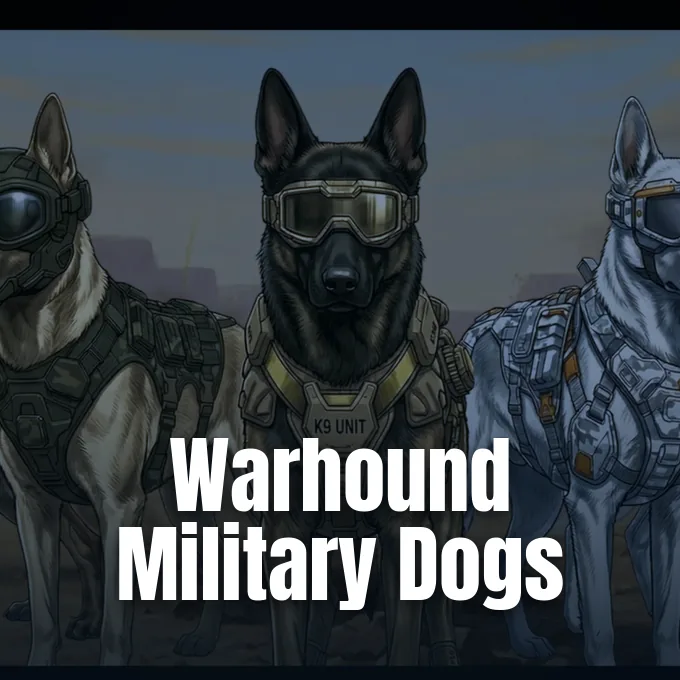
Ben Lamm and Palmer Luckey launched the Warhound startup out of stealth after raising $200 million to produce cloned, gene-edited dogs for the United States military [2]. The Texas venture reached a valuation of $1.2 billion through private backing, aiming to breed canines that carry fewer inherited illnesses while preparing them to work with military teams, federal agents, and domestic rescue handlers [1]. Organizers plan to clone top animals from existing service units and add protective field gear from Anduril Industries, aiming for the first litter to arrive in early 2027 [3].
Investment in the Warhound Startup
The Warhound startup spent roughly 18 months working in stealth before revealing its balance sheet in late October 2026, when Sequoia Capital, ARK Invest, and the CIA’s venture capital arm In-Q-Tel joined a funding round that pushed the firm’s valuation to $1.2 billion. The Financial Times first reported the valuation [1]. Ben Lamm and Palmer Luckey raised the $200 million sum to build Texas canine facilities and fund Colossal Biosciences genetics work [3].
Ben Lamm and Palmer Luckey set up Warhound in Texas, where Colossal Biosciences holds an equity stake and operates genetics laboratories, though neither Luckey nor Anduril Industries took any ownership shares. Private backers supplied over $200 million [3]. Colossal manages the scientific program [2].
Lamm told Wired that the new funding helps “rebuild America’s domestic supply of elite working dogs” and cuts dependence on European breeders who currently provide most patrol animals for police forces and federal agencies. The company said that it plans to follow guidance from the American Humane Society during animal breeding and housing operations [3]. That animal welfare framework aims to answer public concerns about military canine treatment [1]. It wants to keep standards transparent as breeding gets underway [3].

Genetic Edits for Service Breeds
Colossal Biosciences scientists have already started editing genes in cell samples gathered from top-performing working dogs serving across the United States in police departments, military units, and search-and-rescue teams. Most donor dogs are Belgian Malinois. Colossal researchers also pulled cellular samples from working labradors and German shepherds [2].
Initial laboratory work targets inherited canine health conditions. Colossal Biosciences scientists aim to turn off genes tied to hip dysplasia, a joint defect that often cripples patrol dogs, while removing genetic markers linked to canine cancers [2]. Lamm told Wired that addressing these inherited defects protects animal welfare before any physical modifications enter the bloodlines [3]. Better joint health keeps trained dogs on active duty for additional years [2].
Later phases might explore body traits if first litters thrive after birth. Lamm told TechCrunch that gene adjustments could make animals faster, build up stamina, and enhance their sense of smell for tracking [2]. He also suggested that researchers might insert olfactory receptor genes from wild wolves into dog lines, drawing on methods created for Colossal’s Dire Wolf De-Extinction Project. Can wolf genetics truly improve scent detection without harming canine temperament? Researchers have not conducted field trials with live animals yet, but Lamm claimed that incorporating wolf olfactory traits could help military handlers detect hidden explosives and locate missing persons much faster [3].


Protective Gear from Anduril Industries
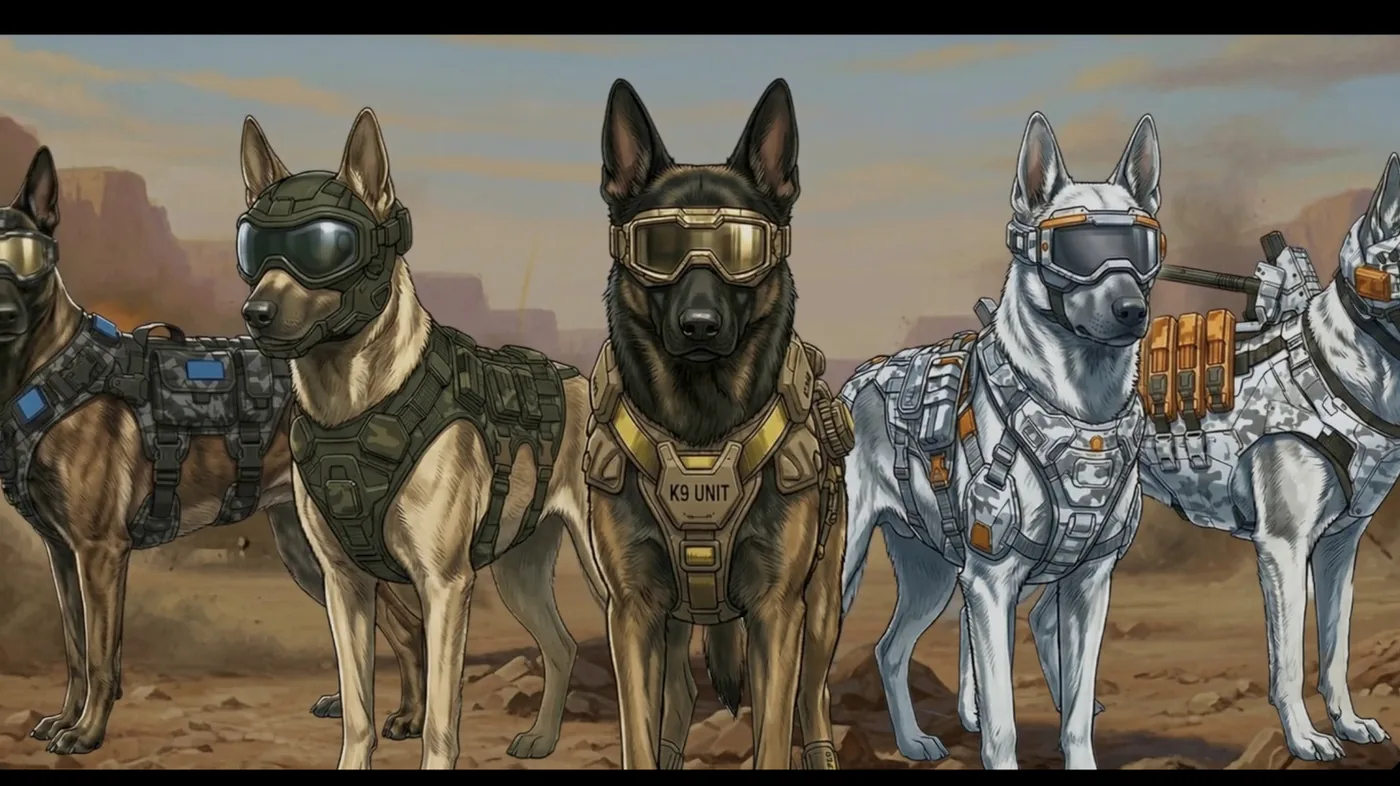
The Warhound startup is not building cyborg animals. Instead of implanting internal electronics into canine bodies, Palmer Luckey’s defense firm Anduril Industries will design wearable protective hardware, including custom ballistic body armor, tactical eye goggles, and lightweight vests tailored for high-speed field operations. The equipment protects working animals without restricting natural movement [2].
A company press release claimed the dogs would use “Anduril’s advanced cybernetic Augments, software, and battlefield situational awareness,” which stirred speculation about animal enhancements. When Wired reporter Kate Knibbs asked whether the venture planned dogs with lasers, Ben Lamm responded, “I can’t comment on what Anduril plans.” Lamm stated that Warhound focuses on canine safety, physical performance, and improving the working bond between military dogs and human handlers. No dogs will carry internal chips or lasers [3].

Ben Lamm told the Financial Times that Warhound works like a “Captain America program for dogs [which] also solves a real problem in the welfare of these animals” [1]. He repeated a similar pop-culture line to Wired, recalling that an observer called the venture a Captain America dog project with an Ironman tech layer on top [3]. Handlers will use the animals for bomb detection and search operations [2].
Leadership at the Warhound Startup
Former Pentagon official David Spirk serves as chief executive of the Warhound startup [2]. David Spirk previously managed high-level military data architectures as the chief data officer for the United States Department of Defense before moving into the commercial software sector at Palantir. Neither Palmer Luckey nor Ben Lamm oversees day-to-day office routines, though Lamm holds a seat on the corporate board of directors to supervise scientific benchmarks. Spirk manages the Texas headquarters [3].
Colossal Biosciences supplies the laboratory infrastructure and genetic specialists for Warhound, adapting cloning technologies developed during its high-profile efforts to revive the extinct woolly mammoth and dire wolf. Ben Lamm co-founded Colossal before launching Warhound [2]. The Texas venture expects its first cloned puppies to be born in early 2027 [3].
Anduril connects Warhound with broader Pentagon initiatives, including a 2024 partnership with OpenAI for defense artificial intelligence and a US Army contract to build next-generation battlefield intelligence systems with Palantir [2]. Palmer Luckey maintains ties with both contractors. These joint programs show how the dog venture links to Luckey’s wider network of defense suppliers [1].
Defense Track Records and Past Trials
Palmer Luckey built his personal fortune by creating the Oculus Rift virtual reality headset at Oculus VR before selling the business to Facebook and establishing Anduril Industries to manufacture autonomous defense systems [2]. Anduril produces military drones and robotic sentry towers. The Southern California contractor quickly grew into a major Pentagon hardware vendor [1].
Several Anduril weapons systems faced severe operational setbacks in combat zones. Ukrainian armed forces tested Anduril’s autonomous suicide drones on front-line battlefields, but the loitering munitions repeatedly missed Russian targets and plunged to the ground during routine combat missions. The Ukrainian military abandoned the platform in 2024 [1].
Hardware glitches also hit testing grounds and naval drills over the past two years. In summer 2025, Anduril’s Anvil anti-drone quadcopter crashed into dense woods in Oregon, igniting a 22-acre wildfire before ground crews contained the blaze. The company’s Altius drone suffered two catastrophic launch failures during official US Air Force tests, and more than a dozen robotic naval ships running Lattice software stopped working during a Navy exercise. Later, an unmanned Dive-LD submarine drone malfunctioned and sat dead in the water for over 24 hours, letting Iranian Islamic Revolutionary Guard Corps forces seize the vessel in international waters, according to US Central Command Captain Tim Hawkins. These setbacks explain why observers watch Warhound’s canine breeding plans with keen skepticism [1].
- ONLINE NEWS Wilkins, J. (2026, October 23). Palmer Luckey Says He’s Breeding Genetically Enhanced Dogs for the Military. Futurism. [Article Link]
- ONLINE NEWS Moon, M. (2026, October 23). A startup called Warhound is genetically engineering dogs for the military. Engadget. [Article Link]
- ONLINE NEWS Knibbs, K. (2026, October 22). Cool, Cool, Cool, Palmer Luckey and Ben Lamm Made a Genetically Modified Military Dog Startup. WIRED. [Article Link]


