



Microsoft began testing standalone hourly playtime passes for Xbox Cloud Gaming on Wednesday, letting players without an Xbox Game Pass subscription stream titles for the first time. Anna Washenko reported for Engadget that the company opened the early preview to Xbox Insider members ahead of a broader public launch planned for November [1]. Players can buy set blocks of streaming hours to access cloud games without paying for a monthly bundle [2].
Testing Xbox Cloud Gaming with Insiders
Participants in the Xbox Insider program can test streaming features early and share feedback before the public release. Xbox has adjusted several gaming offerings in recent months as business priorities shift under new leadership [1].
Members of the Xbox Insider program test operating system updates in preview rings before new tools reach general console and PC audiences. Anna Washenko reported for Engadget that Insider participants have also been able to run free ad-supported cloud streams since the summer, giving Microsoft server data on how players handle shorter play sessions. Under the revised model arriving in November, free streaming access will end for general users as Microsoft introduces monthly limits on Game Pass Ultimate, Premium, and Essential plans [1]. Players who want extra time can buy standalone hour packs to keep playing without paying for an upgraded subscription tier [3]. Microsoft uses the testing period to examine server load and queue stability ahead of the broader launch [1].
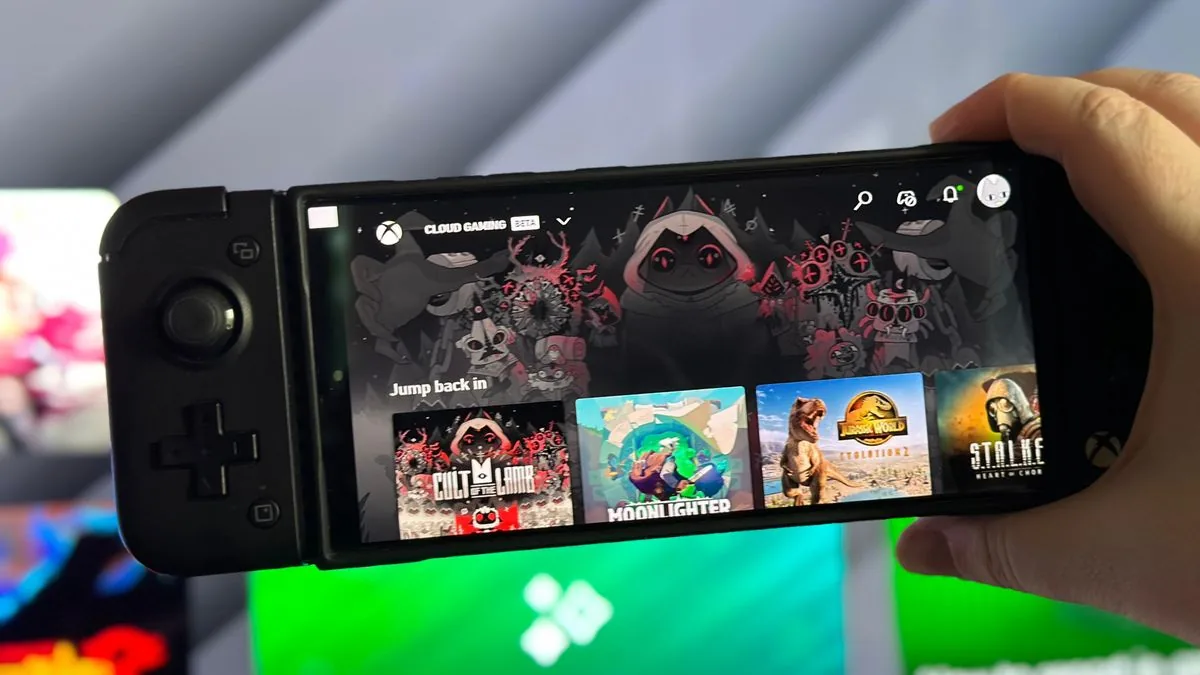
Microsoft described the paid packs as a way to provide “an ad-free cloud gaming experience, including shorter wait times, high-quality streaming, and playtime that remains available until it’s used” [3]. Introductory launch prices remain subject to change next month [1].
Hourly Xbox Cloud Gaming Pass Rates
The pricing structure for Xbox Cloud Gaming gives players three distinct block sizes to purchase during the preview period. A pack of 10 hours costs $3.99, while a pack of 25 hours sells for $7.99. The largest option provides 50 hours of cloud playtime for $11.99 [3]. While Engadget rounded those figures to $4, $8, and $12 in an initial overview, Xbox store listings confirm the cent-discounted prices [1]. Tom Warren reported for The Verge via Techmeme that Microsoft plans to make these exact playtime passes available to anyone outside the Insider rings starting in November [2]. Testers purchase packs through the Xbox dashboard [1].
Purchased hours do not expire. Unlike competing cloud services that wipe unused balances at the end of each billing cycle, Microsoft lets players keep playtime active until every minute is used [3].
The hourly rate drops significantly on the larger packs, falling from roughly 40 cents per hour on the 10-hour option to under 24 cents per hour on the 50-hour tier. Streams purchased through these packs run at video resolutions of up to ~1080p, matching the standard visual output of Xbox Cloud Gaming on mobile and browser setups. Casual players can treat each purchase like a prepaid gaming card, keeping time in reserve for travel or moments away from a primary console [3].
Monthly Caps on Game Pass Tiers
Microsoft designed the standalone passes to accompany new streaming limits for Game Pass subscribers starting in November [1]. Up until now, cloud streaming had been unlimited for members paying for Game Pass Ultimate [3].
Monthly streaming limits scale directly with subscription pricing. The Essential tier costs $9.99 per month, offering five hours of cloud streaming with access to more than 50 games at resolutions up to ~1080p. The Premium tier costs $14.99 per month for 10 hours of streaming and more than 200 games. The top-tier Ultimate plan costs $22.99 per month for 15 hours per month of cloud play, featuring over 400 titles, day-one releases, and streaming resolutions of up to 1440p [3]. Once subscribers exhaust their monthly hours, they must purchase standalone playtime packs to continue streaming before the next billing cycle begins [1].
Earlier price increases pushed the cost of top subscription plans higher in several global markets. Rising subscription fees have prompted some players to reconsider their memberships, leading to discussions about cancelling Xbox Game Pass over rising costs and shifting toward targeted purchases instead. Hourly passes offer an alternative for users who want cloud access without a $22.99 monthly fee [3].
Ad-Supported Play and Session Limits
Microsoft is testing a free ad-supported tier for Xbox Insider members in addition to its paid playtime passes. The ad-supported tier lets players stream supported titles without paying upfront fees, but it comes with structured session rules during the testing period. Each free session is capped at 30 minutes of continuous playtime. The stream runs at video resolutions of up to ~1080p, matching the visual quality found in the entry-level paid packs. After 30 minutes of play, an advertisement plays on screen before the session ends [3].
After the advertisement finishes, users must re-enter the queue to launch another session rather than resuming immediately. Windows Central executive editor Jez Corden said that this ad-based option likely serves as an on-ramp to guide casual players toward paid passes [3].
Server queues represent a key distinction between the free and paid models during peak traffic periods [3]. Microsoft explained in its announcement that paid cloud playtime packs grant priority server access, resulting in shorter wait times and uninterrupted streaming [1]. Free users must wait through server queues before each 30-minute block opens [3]. Anna Washenko reported for Engadget that cloud streaming limits will become universal across Xbox Game Pass plans in November, meaning both free testers and paying subscribers will soon manage finite monthly allowances. Testers began exploring the new queue rules on Wednesday [1]. Queue times fluctuate based on regional server demand [3].

Older Consoles and Cloud Access
Cloud streaming has taken on practical value for players holding on to previous-generation hardware. Hundreds of thousands of active players still use Xbox One consoles to run modern titles, keeping older machines relevant as newer releases bypass legacy hardware [3].
While games like Fortnite, Roblox, and Minecraft continue to receive updates on older systems, streaming opens the door to newer releases that can’t run natively on base Xbox One chips. Streaming rights for major upcoming releases could test this new payment system. Tom Warren at The Verge reported that Microsoft secured streaming rights for Grand Theft Auto 6, leading to a carefully phrased denial from Xbox leadership. Microsoft clarified that it would not stream the title on PC or offer it as a cloud exclusive, but the statement left open the possibility of streaming to Xbox consoles [3].
Hardware prices have climbed in several overseas markets, turning cloud streaming into a bridge for budget-conscious gamers. Rising hardware costs align with industry forecasts, including projections for next-generation Xbox hardware prices reaching higher price bands by 2028. Jez Corden pointed out that while handheld devices like the Xbox Ally handle local gaming, cloud servers offer a cheaper entry point for console titles. Microsoft has also brought select PC titles to its cloud servers, with Corden floating possible streaming support for future releases like World of Warcraft: Forever. Flexible playtime passes could determine how many gamers stay connected to the Xbox ecosystem [3].
- ONLINE NEWS Washenko, A. (2026, October 21). Xbox is previewing paid cloud gaming for players without Game Pass. Engadget. [Article Link]
- ONLINE NEWS Warren, T. (2026, October 21). Microsoft reveals pricing for Xbox Cloud Gaming without Game Pass. The Verge via Techmeme. [Article Link]
- ONLINE NEWS Corden, J. (2026, October 21). Microsoft reveals its new hourly Xbox Cloud Gaming playtime pass prices. Windows Central. [Article Link]


