



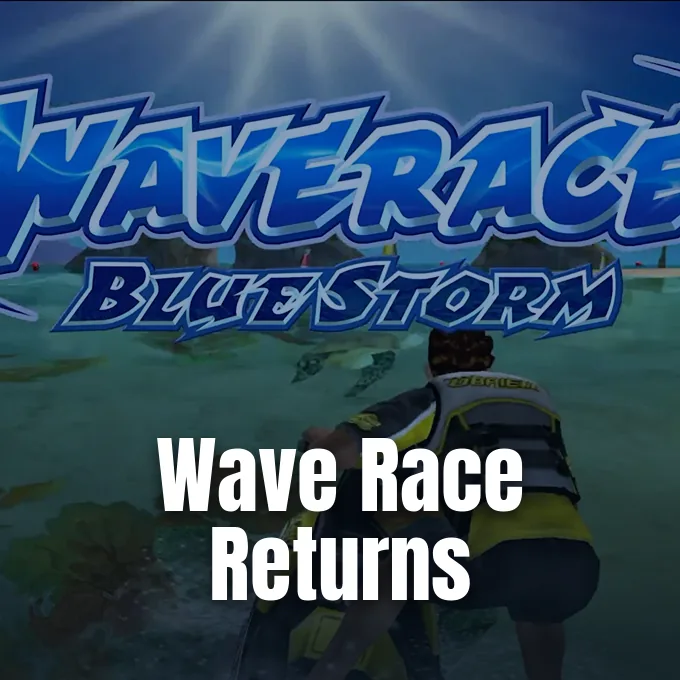
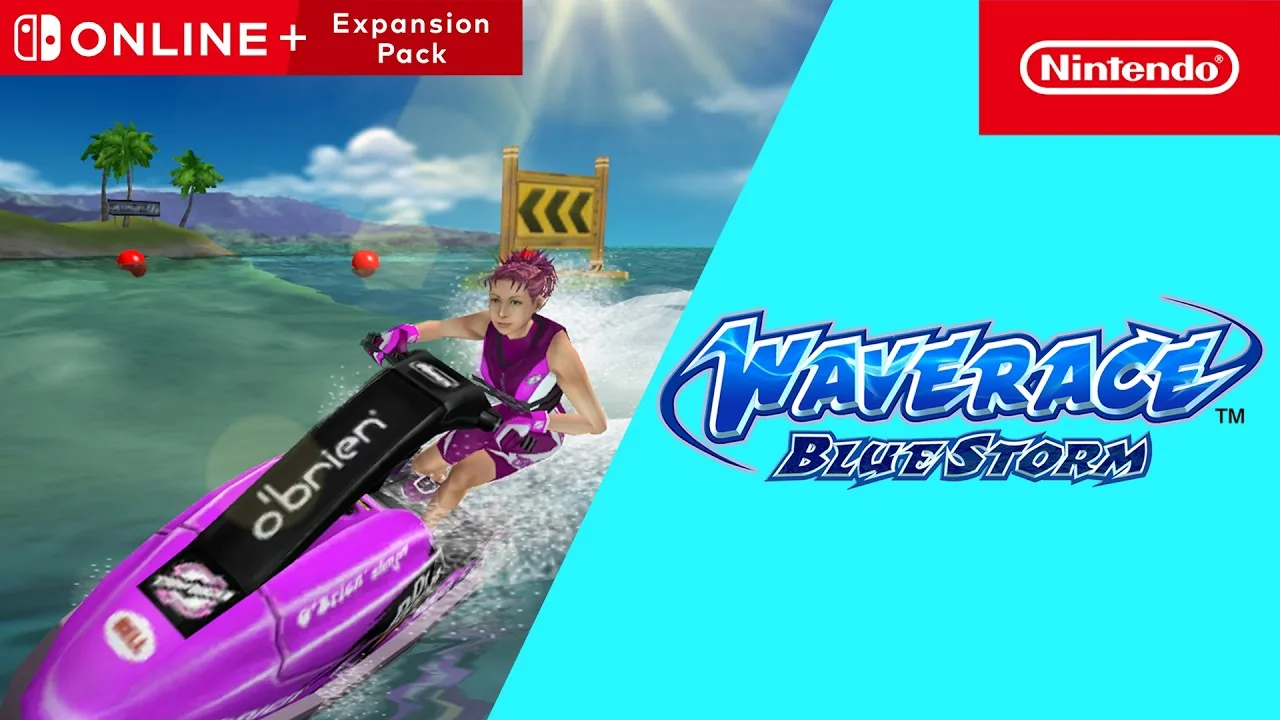
Nintendo released Wave Race: Blue Storm on the Nintendo Switch 2 on November 24, 2026, adding the 2001 watercraft racer to its GameCube retro catalog. Players access the game through the Nintendo Switch Online + Expansion Pack tier, which costs $49.99 per year [1]. The drop gives subscribers full access to water physics and stormy circuits without extra charges [4]. It also introduces visual settings that let players turn off the screen border during play [3].
Launch Details on Switch 2
The game arrived as a surprise release for subscribers who own the new hardware and maintain the higher membership plan [1]. Nintendo updated the GameCube application software to deliver the watercraft title with small emulator tweaks, allowing users to download the package straight from the system menu to begin racing across choppy waves [4].
The arrival marks the first GameCube addition to the service since Star Fox Adventures landed in September 2026 [3]. That release came shortly after a separate remake launched on the console in June. Nintendo previously added Super Mario Sunshine to the GameCube app in August 2026, building out a steady rotation of classic first-party releases [1]. The gap lasted two months [3].
To play the game, users must subscribe to the Nintendo Switch Online + Expansion Pack membership, which sells for $49.99 per year in North America. Standard subscription members can’t boot GameCube titles because Nintendo reserves sixth-generation software for the higher tier [1]. The software now lets players remove the decorative border to leave a simple black backdrop around the gameplay area (leaving a black border around the screen), while instructions for opening settings appear inside the console menu [3]. Players must connect their system to the internet at least once every seven days to keep offline access active for all downloaded classics. If the connection lapses, the software prompts for an online check before launching [7].
Game Modes and Circuit Structure
Like earlier entries, the game focuses on watercraft racing on closed circuits [1]. The Championship mode challenges riders to complete four distinct circuits, with each tier adding more courses and rougher weather. Players choose one rider from eight playable racers and must stick with that character for the whole tournament [5].
Races in Championship mode run for three laps over shifting water, and riders earn points based on where they cross the finish line at the end of the third lap. Riders must collect enough points after daily events to qualify for the next stage, or the entire circuit resets back to the opening heat. Each finish sets the starting grid for the subsequent run. Podium finishes matter. Winning the overall trophy requires placing among the top three riders in accumulated points by the end of the final race, while expert circuit tests demand first place across every weather condition in time attack runs to claim complete mastery [5].
Beyond the tournament, the game includes three extra solo modes and local split-screen multiplayer [1, 2]. Free Roam lets racers explore unlocked courses without clocks or rivals to scout track curves at their own leisure [1]. Stunt Mode rewards trick combos. Time Attack strips away rival watercraft so solo riders can chase personal records while racing against saved ghost data, and four-player multiplayer lets friends compete head-to-head on a shared screen [1, 2].
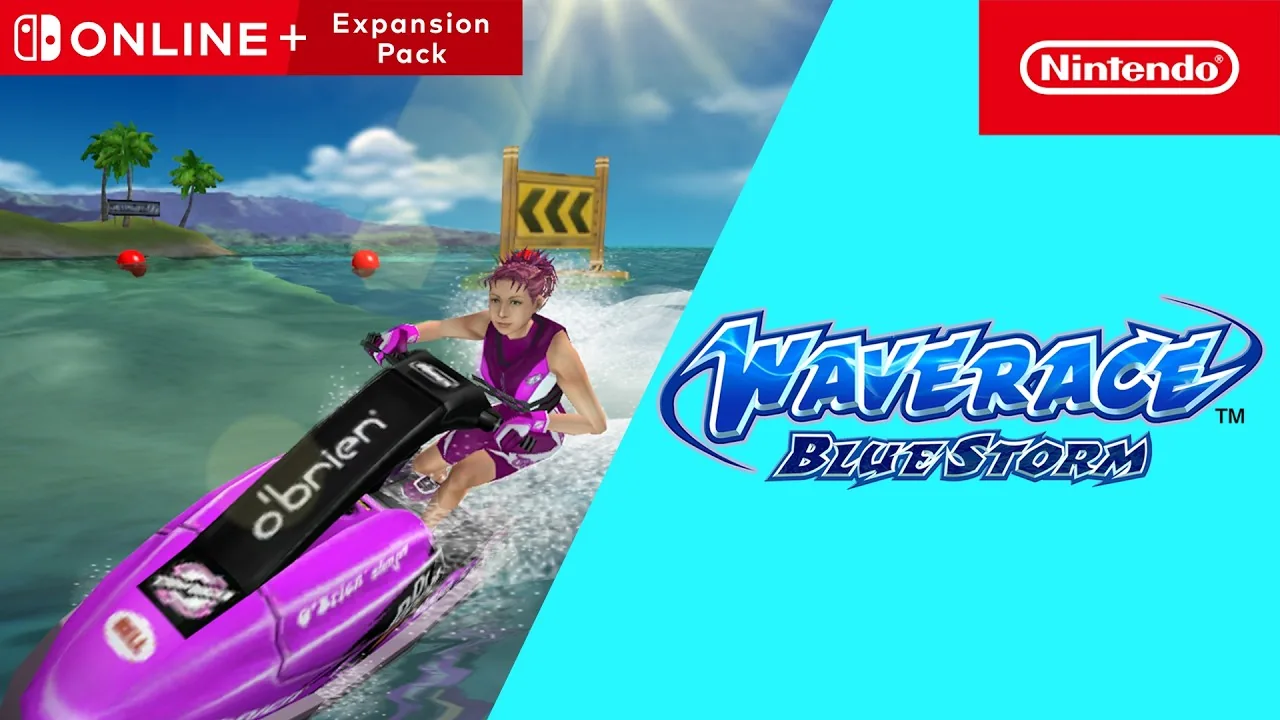

Wave Race: Blue Storm Weather Mechanics
Dynamic water physics and turbulent weather define the entire racing experience in Wave Race: Blue Storm. Calm, sunny water can turn into a stormy sea as dark clouds roll over the course, bringing heavy rain and wind that alter wave heights to knock riders off their line [2, 4]. Wipeouts happen fast. Unlike the fixed wave patterns in PlayStation 2 rival Splashdown, the swells in Blue Storm remain unpredictable on every lap, forcing players to react to shifting crests as they round tight corners [5].
Courses also feature interactive environmental events and hidden alternate paths. Racers might spot breaching killer whales in open water or see trees get struck by lightning as storms develop overhead [2]. Some shortcuts open up naturally as waves rise and fall across later laps [5]. Other routes stay hidden behind track barriers, forcing riders to smash through obstacles or trigger turbo speed bursts to jump water hazards and reach alternative paths [2].
Buoys anchored along the track dictate the correct racing line for every participant. Red buoys must be passed on the right side, while yellow buoys must be passed on the left. Racers who steer past buoys on the correct side build up the turbo meter, but missing a single buoy wipes out all stored boost power and leaves the rider vulnerable to passing rivals. Aerial stunts off waves also fill the meter by one-fifth to three-fifths per trick. Smaller red marker buoys outline the course boundary, and staying outside those limits for too long causes a disqualification [5].
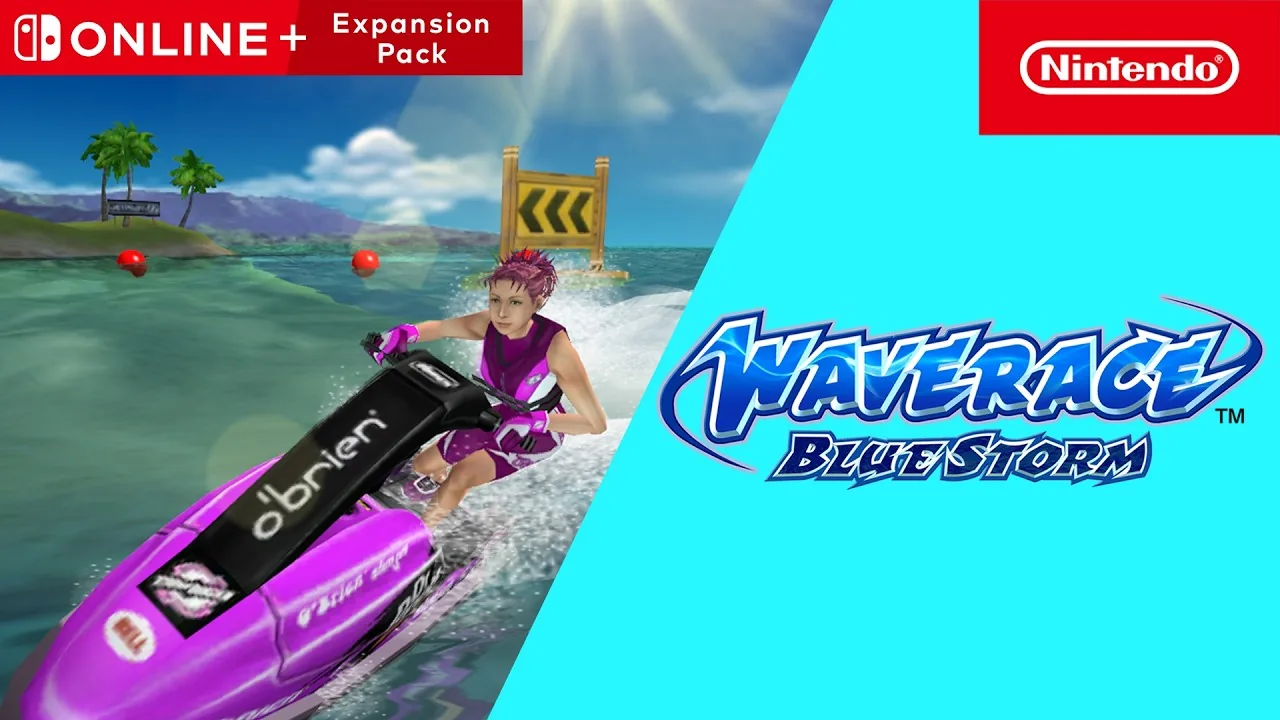
Wave Race: Blue Storm Console History
The Wave Race franchise began in 1992 with an overhead racing title on the original Game Boy. Nintendo followed that release in 1996 with Wave Race 64, which became a standout hit on the Nintendo 64. Water physics set it apart. For the third installment, Nintendo developed a launch-day title for the GameCube, shipping the finished racer across North America in late 2001 to show off what the new console could achieve [3, 5].
Nintendo began developing the GameCube in 1998 under the codename Dolphin through a hardware partnership with ArtX, a chip design firm founded by former Silicon Graphics engineers who had worked on Project Reality. ArtX engineered the graphics processing unit, codenamed Flipper, while IBM manufactured the custom PowerPC processor known as Gekko. Panasonic helped develop the optical drive system for the console (Matsushita Electric Industrial Co., Ltd.) to support its proprietary mini-disc media, while development teams at Rare and Retro Studios received early development kits. The console launched in Japan in September 2001, followed by North America in November 2001 and Europe in May 2002. The machine succeeded the Nintendo 64 and introduced optical discs to replace older ROM cartridges [6].
Despite hosting popular games such as Super Smash Bros. Melee, Metroid Prime, and The Legend of Zelda: The Wind Waker, the GameCube faced strong market pressure. Nintendo sold 21.74 million consoles worldwide before discontinuing the machine in February 2007. The system fell far behind Sony’s PlayStation 2 and trailed Microsoft’s Xbox, outselling only Sega’s Dreamcast in that console cycle [6].
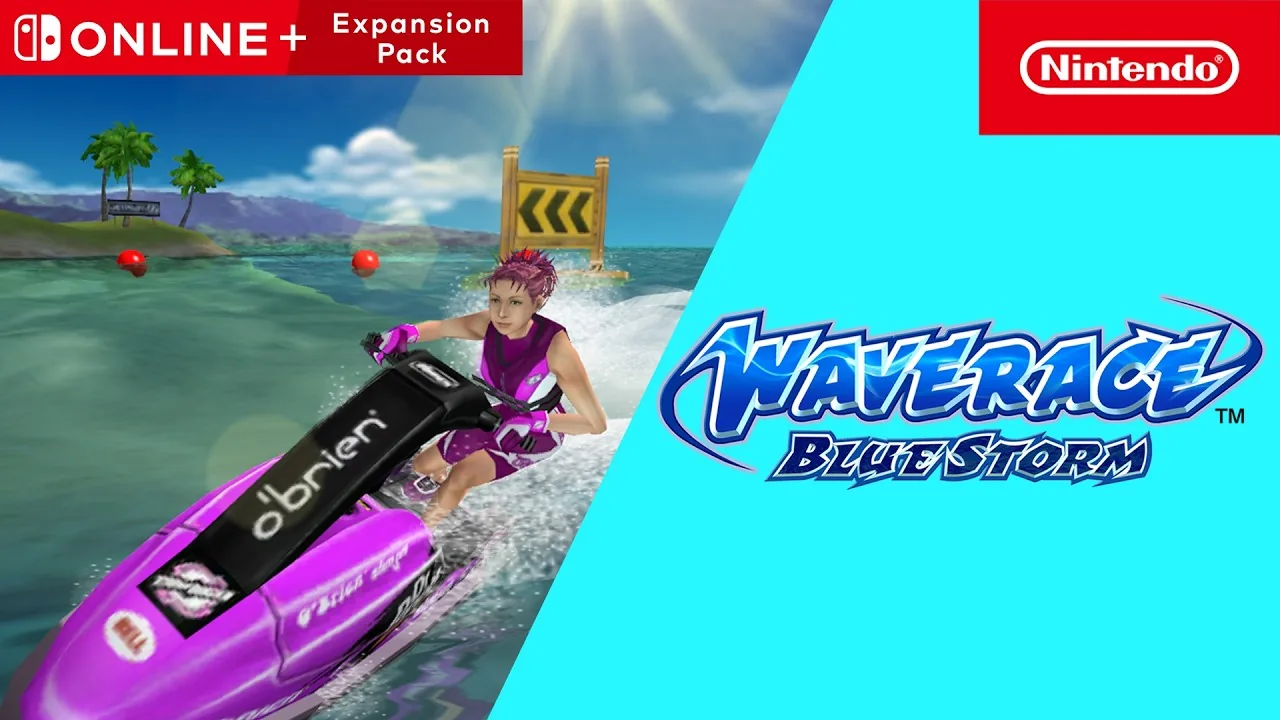
Expansion Pack Library Updates
The Nintendo Classics program launched in September 2018 with the Nintendo Switch Online service, starting with twenty NES games before adding Super NES and Nintendo 64 titles in later years [7]. In October 2026, PerEXP Teamworks reported that Nintendo Classics added three Game Boy Advance titles to the subscription catalog. That portable drop preceded the current GameCube update and kept subscribers supplied with classic handheld adventures on their consoles [3].
The retro collection has grown steadily across each represented platform over the past eight years. By September 2026, the NES app offered 99 games and 20 special SP variations, while the Super NES lineup reached 85 games. The Game Boy and Game Boy Color catalog included 51 playable titles by late October 2026. Each emulator includes quality-of-life features such as save states, custom button remapping, and online multiplayer sessions that allow users to play local multiplayer games remotely with friends. On Switch 2 hardware, users also rewind gameplay mistakes and apply classic display filters to mimic vintage television screens [7].
The GameCube library on Switch 2 gives modern players easy access to sixth-generation console history [1]. The catalog grows slowly, but releases like Wave Race: Blue Storm restore access to games that skipped older Virtual Console storefronts on previous Nintendo systems. Because original GameCube discs and working consoles grow harder to find each year, official digital emulators offer a practical and convenient way to revisit these vintage releases [6, 7]. Nintendo has not announced which GameCube title will arrive next, but regular updates continue across the Expansion Pack service [1, 3].
- ONLINE NEWS Lada, J. (2026, November 24). Wave Race: Blue Storm Joins Switch 2 Nintendo GameCube Classics. Siliconera. [Article Link]
- ONLINE NEWS Joshua, O. (2026, November 23). Wave Race: Blue Storm Now Available On Nintendo Switch 2 Through GameCube Classics. Noisy Pixel. [Article Link]
- ONLINE NEWS Nintendo World Report. (2026, October 29). Wave Race: Blue Storm Now Available In Nintendo Classics GameCube Library. Nintendo World Report. [Article Link]
- ONLINE NEWS Brian. (2026, November 24). Nintendo Switch Online just added Wave Race: Blue Storm on Switch 2. Nintendo Everything. [Article Link]
- WEBSITE Wikipedia. (n.d.). Wave Race: Blue Storm. [Article Link]
- WEBSITE Wikipedia. (n.d.). GameCube. [Article Link]
- WEBSITE Wikipedia. (n.d.). Nintendo Classics. [Article Link]


