





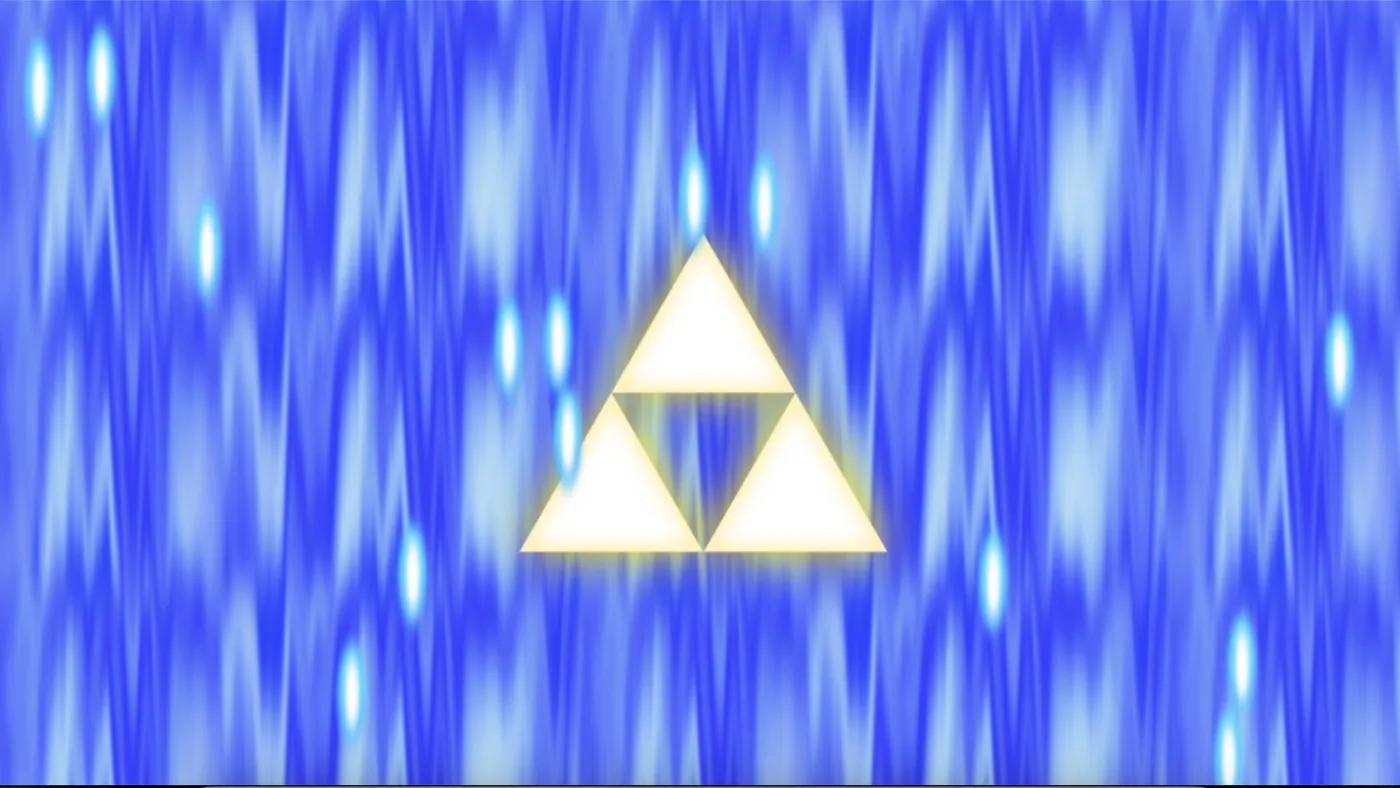
Google has added a retro Zelda easter egg to its search engine, stripping away modern design elements to transport users back to the web of 1998. The nostalgic feature arrives just days before Nintendo launches its new Switch 2 edition of the classic action-adventure game. Both search terms work. By searching for specific words, people can browse search results in a vintage layout that leaves out advertisements and automated summaries [1].
The Zelda Easter Egg Interface
Anyone can trigger the Zelda easter egg by opening Google on a desktop browser and typing “zelda” or “Ocarina of Time” into the search box. A glowing Master Sword promptly appears near the bottom right corner of the screen. Clicking that sword changes the entire display into its 1998 design [1].
The resulting page swaps out Google’s current look for its 1998 interface, complete with the old company logo that once featured a bright red exclamation point. Links show up in classic blue text using a serif font reminiscent of Times New Roman, sorted by relevance instead of sponsored bidding. The page drops all modern clutter, including shopping carousels, algorithmic summaries, and banner advertisements that normally dominate search queries today. Ash Parrish of Kotaku said the design reminds users of a period “when everything was good and nothing hurt,” or at least when searching online felt simpler. It offers a clear look at an era when people looked up information without sorting through promotional boxes, dodging sponsored links, or reading AI summaries [1].
Google’s nod to the game taps into long-running nostalgia for Nintendo 64. In its early days, Google promised unlimited information under a famous “Don’t Be Evil” ethos, contrasting with what Ash Parrish called a modern web filled with infomercials. The retro layout strips out every artificial intelligence answer. Searching feels direct again. For longtime Nintendo players, the hidden tribute offers an amusing digital throwback [1].
Ad Losses Behind the Search Screen
The timing of the retro tribute comes during a rough financial week for Google. Last week, Google lost $475 billion in stock market value, recording the worst single trading day in company history. Analysts reported that the search company missed quarterly ad revenue targets [1].
Financial analysts said Google missed its ad revenue targets because its own artificial intelligence search features were eating into regular advertising income from traditional search queries. When users read automated answers at the top of the screen, they click fewer sponsored links. Ad revenue dropped accordingly. That shift created new friction for the advertising system that funded the search engine for more than two decades [1].

Ash Parrish said it was funny to see Google launch the Zelda easter egg during an era when modern search engines feel so cluttered. The retro view removes the exact automated answers that caused concern on the stock market last week. Parrish wrote that Google might want to leave the classic layout active a little longer [1].
The 1998 Nintendo 64 Team
The Legend of Zelda: Ocarina of Time first arrived in November 1998 for the Nintendo 64 home console. It was the first game in the series created with three-dimensional graphics, launching in Japan and North America before arriving in PAL regions the following month. Link entered three dimensions. The development team at Nintendo successfully translated the fantasy setting from top-down sprites into real-time polygonal environments [2].
Nintendo’s Entertainment Analysis & Development (EAD) division handled the creation of the title under the shared leadership of five directors, including both Eiji Aonuma and Yoshiaki Koizumi. Series co-creator Shigeru Miyamoto served as producer. Kensuke Tanabe wrote the script. Series composer Koji Kondo composed the musical score. The story centers on Link, a young hero living in the kingdom of Hyrule who sets out on a quest to stop Ganondorf, the Gerudo king seeking to take over the realm. Players guide Link across an overworld and through multiple underground dungeons, solving music puzzles and using an ocarina to travel across different eras [2].
Reviewers praised the release for its visual presentation, sound design, and responsive control scheme. The title set an early record for video game pre-orders in the United States, ultimately selling more than seven million copies worldwide across its lifetime on retail shelves. Metacritic ranks it first. It sits at the top of review aggregators Metacritic and GameRankings as one of the highest-rated video games ever made [2].
Gameplay Systems and Time Travel
The game introduced several control ideas that became standards for three-dimensional action games. Chief among them was Z-targeting, a target-lock camera system that keeps Link steadily facing a chosen enemy or object while the camera automatically follows the action. This mechanic allowed players to fire projectile weapons directly at foes without requiring manual aiming during rapid movement. Nintendo also built context-sensitive buttons that assigned multiple tasks to one input, allowing Link to push a box when beside it or climb up when pressing the stick forward [2].
Time travel serves as the central puzzle mechanic throughout the entire adventure. Inside the Temple of Time, Link claims the legendary Master Sword, an action that transports him seven years forward into the future as an adult hero. Ganondorf rules that future. Young Link and adult Link possess different skills and equipment. For instance, only adult Link can wield the Fairy Bow, while only young Link is small enough to crawl through narrow wall openings. Players can travel freely between the two eras by returning to the pedestal to deposit or draw the blade [2].
Optional side quests expand the experience through item collection and exploration. A ten-step trading sequence lets Link barter goods with non-player characters across Hyrule, eventually rewarding him with the two-handed Biggoron Sword, the strongest weapon in the game. That blade needs two hands. In another side quest, Link acquires a horse that speeds up travel across the plains while restricting his attacks to arrows. Link also learns 12 tunes on his ocarina, using those melodies to warp to distant temples and solve music-based puzzles [2].
Connecting the Zelda Easter Egg to Switch 2
The popularity of the game prompted Nintendo to revisit the adventure across multiple console generations. In 2000, Nintendo released a direct sequel, Majora’s Mask, on the Nintendo 64. The company also prepared Master Quest, an alternative edition featuring redesigned dungeons and tougher puzzles. Nintendo later ported the adventure to every home console it produced, and it even issued an official release on the iQue Player in China [2].
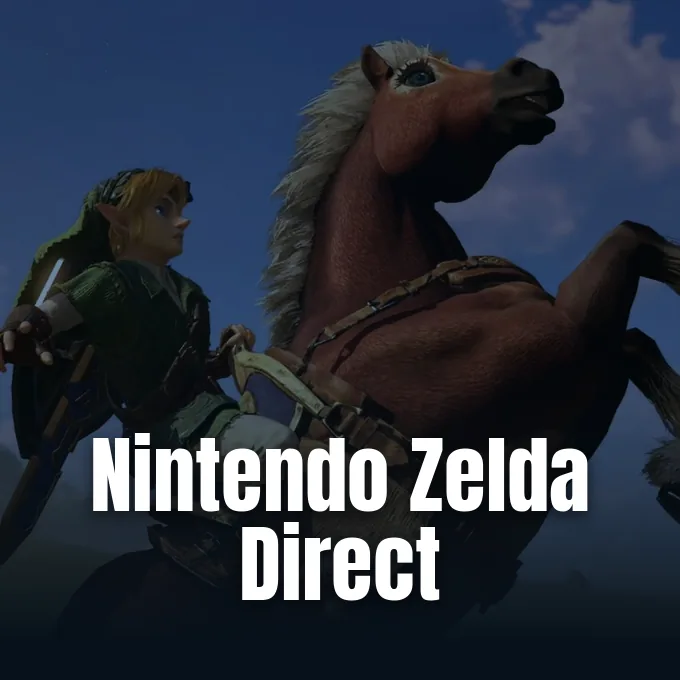
Full remakes arrived as hardware advanced over the following decades. In 2011, Nintendo released Ocarina of Time 3D for the Nintendo 3DS, updating the character models and adding stereoscopic visual depth [2]. Nintendo plans to release a second remake for Nintendo Switch 2 on November 5th, 2026, as covered in the Nintendo Zelda Direct live report. The November launch marks the return of Hyrule on modern television screens.
Interest in the upcoming Switch 2 release explains why Google chose to highlight the game this week. By building the retro Zelda easter egg, the search engine connects modern internet users with one of the most famous games from the 1990s. Both eras share lasting appeal. Even while Google manages difficult ad revenue numbers, its retro search bar gives fans a pleasant reminder of how computing and console games looked back in 1998 [1].
- ONLINE NEWS Parrish, A. (2026, November 2). Google’s The Legend of Zelda: Ocarina Of Time Easter Egg Makes The Search Engine What It Always Should’ve Been. Kotaku. [Article Link]
- WEBSITE Wikipedia contributors. (2026). The Legend of Zelda: Ocarina of Time. Wikipedia. [Article Link]


