




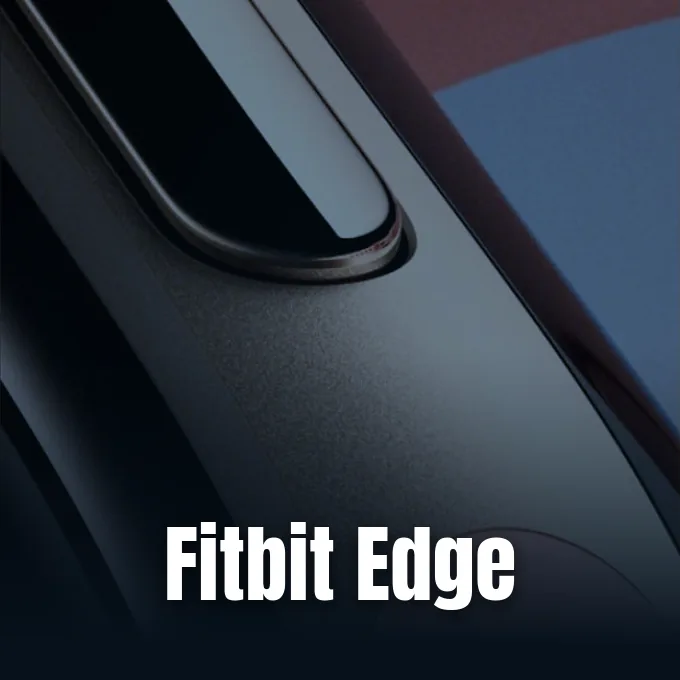
Google published an official teaser for the upcoming Fitbit Edge fitness tracker on social media and confirmed that the new wearable will launch on October 12. The brief announcement arrived on X and Instagram with the slogan “Get an Edge on your health. 10.12.2026.” while showing off the metal side profile of the device. It’s the first official confirmation of the Edge branding, following weeks of unofficial hardware leaks detailing the display and sensor package [1].
Google Teases the Fitbit Edge for October 12
The teaser post kept text to a minimum, pairing the launch date with an image that offered a first look at the hardware contour. Ben Schoon reported for 9to5Google that the image hints at the screen glass seen in earlier leaks while showing off a distinct metal chassis [1]. It also confirms that Google will carry over the Canyon color finish seen on the Pixel Watch 5, extending that warm tone to the fitness band lineup. That choice shows Google wants visual consistency across its wearable families, allowing devices with different purposes to share the same hardware palette.
Emma Roth at The Verge reported that Google posted an image showcasing the wearable’s side profile on X, pointing toward a release on Monday [2]. The social post didn’t share technical specifications or battery estimates. The timing lines up with leaks that circulated on tech blogs over the past few weeks, giving followers an early look at what to expect when Google takes the wraps off the device. Monday brings the full reveal.
Social media teasers often precede formal press announcements by only a few days, and Google chose to keep the messaging concise ahead of the Monday debut [1]. Followers can now watch for the formal unveiling. That brief hint confirmed earlier rumors about the tracker’s imminent release.
Hardware Clues in the Teaser Image
Google’s teaser image provides an outline of the tracker’s curved frame, pointing to a sturdier build than earlier plastic fitness bands. The metal casing seen in the teaser shows rounded corners and smooth transitions from the display glass to the side rails, matching leaked renders that surfaced earlier in the month [1]. It doesn’t look like a bulky smartwatch. The slim profile fits day and night wear. Google seems focused on delivering a polished wristband that feels light during workouts but still looks neat in casual settings.
The design also helps distinguish the upcoming model from simpler fitness bands like the screen-less Fitbit Air in Google’s catalog. While the Air targets minimal activity tracking, the Edge introduces a screen and refined metal edges to give users direct access to their metrics [1]. Both models target distinct price tiers.
The teaser also confirms the company’s Canyon color option, a warm finish that debuted with recent Pixel hardware. Wearers who prefer unified accessories will notice that the band matches other Google products [1]. Both product categories now carry that shared look. Google previously brought matching colors to earbuds after adding Gemini voice controls on the Pixel Buds, showing an interest in tying accessory lines together with consistent hardware finishes. Keeping Canyon on the Edge tracker builds on that visual identity without altering the underlying shape of the band.


Leaked Specs for the Fitbit Edge Tracker
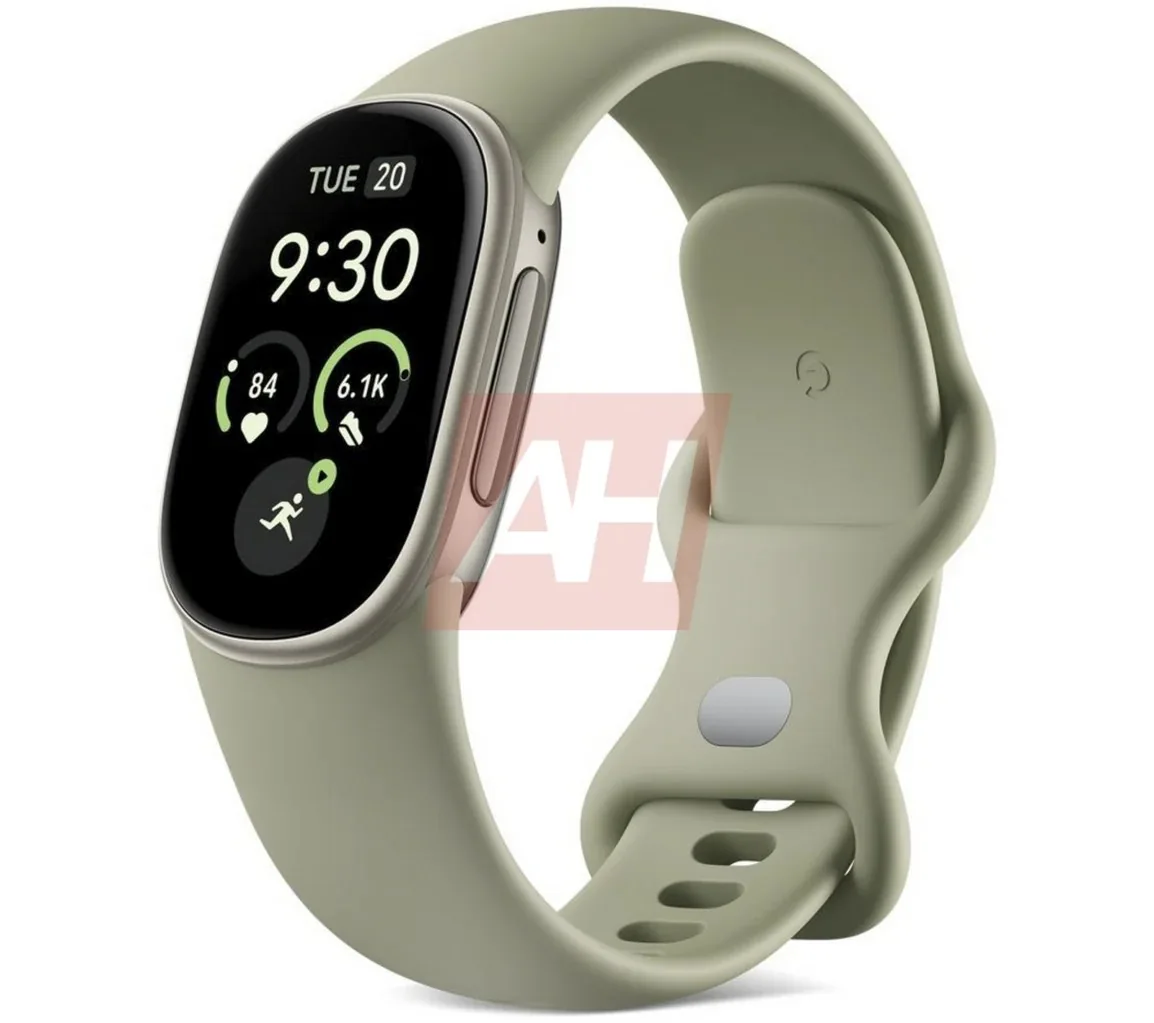
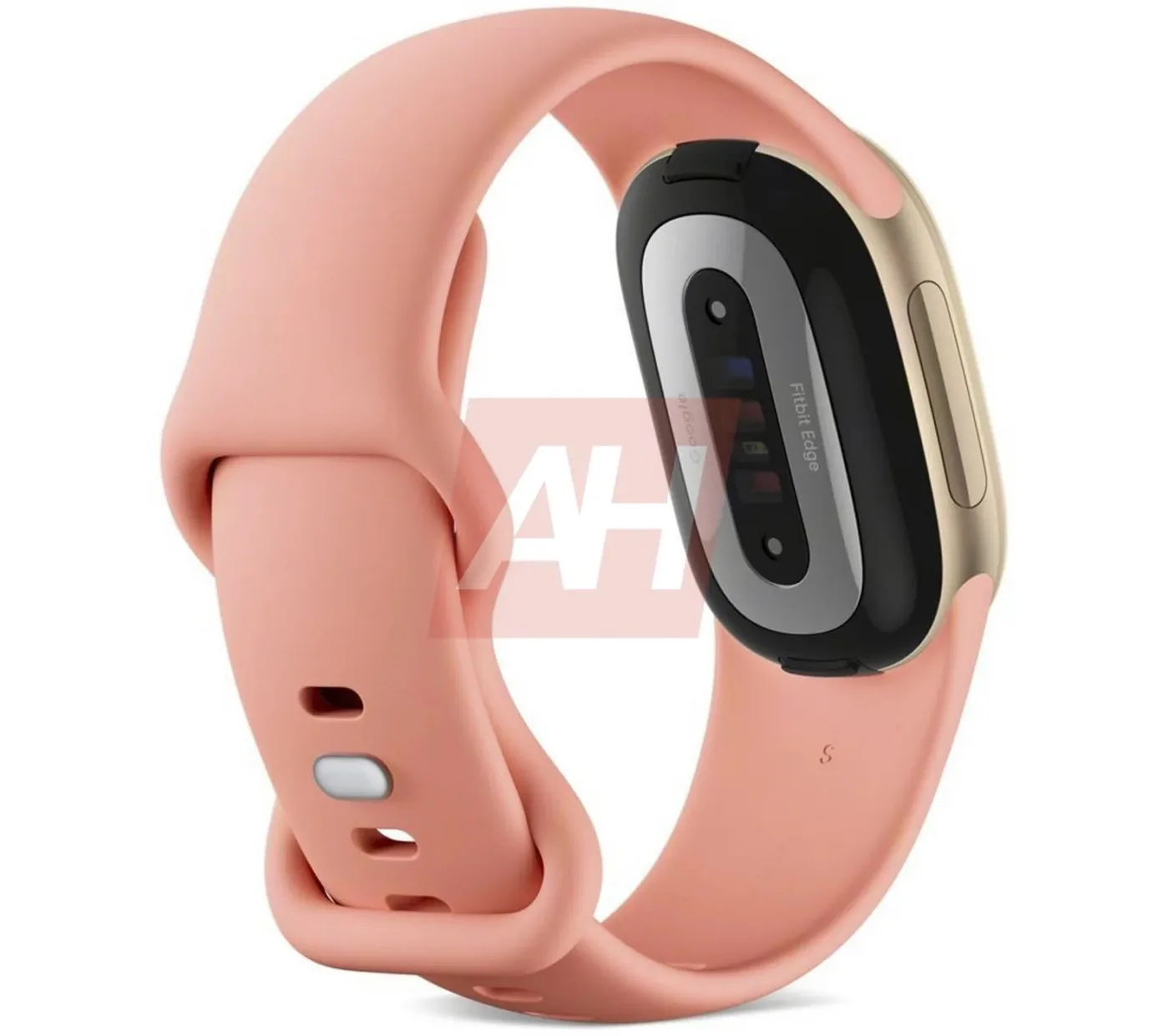
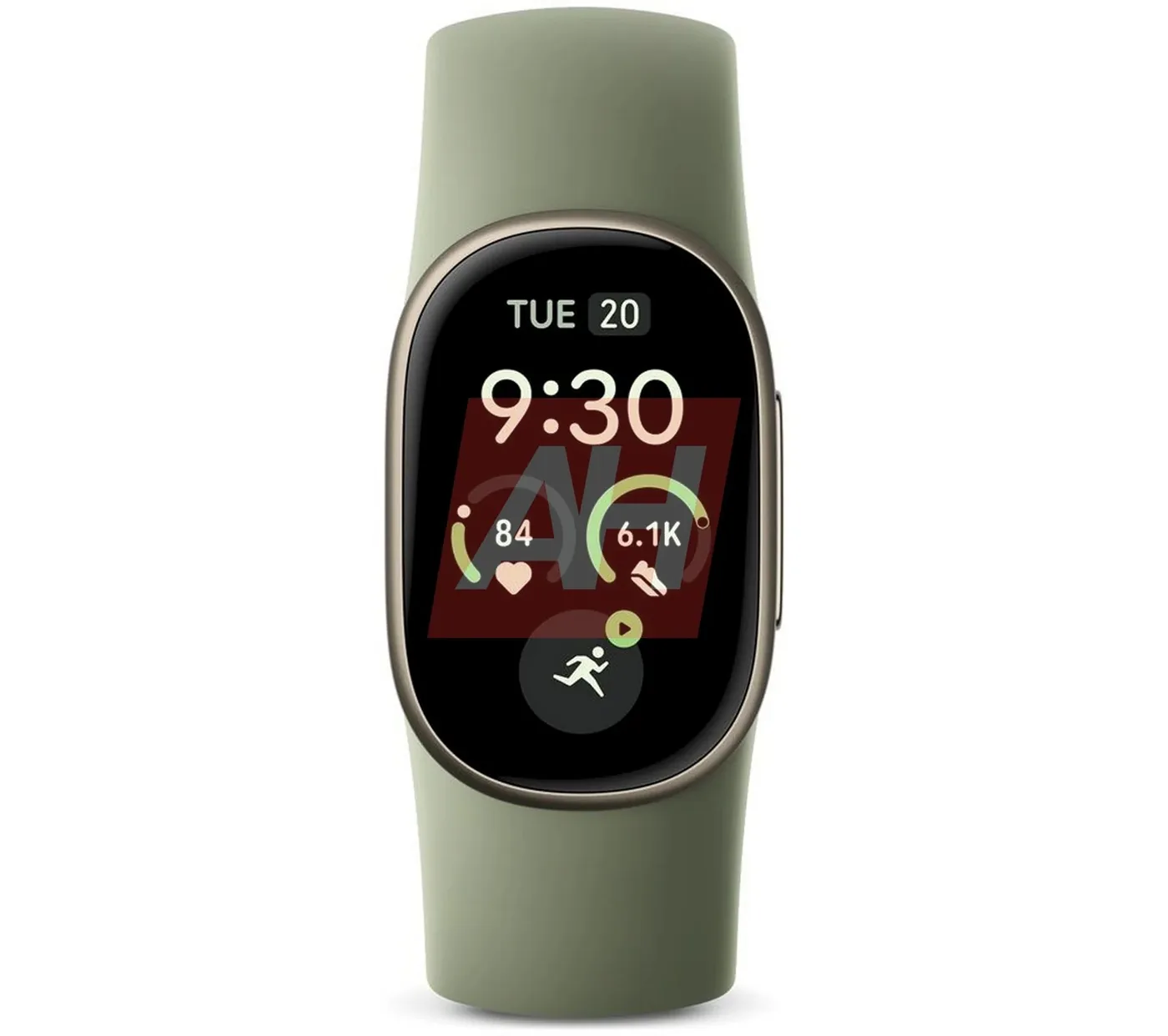
Detailed hardware specifications surfaced through leaks from Dealabs and Android Headlines before Google posted its teaser, providing an early overview of the 1.34-inch always-on OLED touchscreen, the metal chassis, and the multi-sensor array designed for daily fitness tracking [2]. That display size offers room for quick stats while keeping the band comfortable on smaller wrists. Leaks also describe built-in GPS, an accelerometer, a barometer, an altimeter, and a gyroscope, supplying the core tracking tools runners and cyclists look for on daily workouts. That sensor package lets runners log routes and elevation changes without needing to take a phone along on outdoor runs, making the wristband considerably more versatile for outdoor endurance training.
The combination of built-in GPS, an altimeter, and a barometer means that runners can map outdoor routes, monitor pace in real time, and record precise elevation changes across steep trails without carrying a smartphone along for the workout [2]. Many compact fitness bands omit built-in satellite tracking to save space. Without satellite hardware, runners must carry phones to map outdoor routes. The screen stays on. Athletes can check heart rate zones at a glance.
Battery life remains an important point for fitness trackers, and leaks point to a replaceable lithium-ion battery capable of lasting up to seven days on a single charge. That 7-day endurance would keep the device competitive with other wristbands that focus on sleep tracking, where daily charging routines often disrupt user habits. The tracker won’t force owners onto nightly charge cycles. Owners can collect unbroken health records over full weeks without interruption [2]. If the seven-day claim holds up in real testing, battery longevity will be one of the tracker’s strongest practical appeals.
Health Sensors and Software Features
On the health monitoring side, leaks reported by Dealabs suggest the wearable will include optical sensors designed to track heart rate and blood oxygen saturation (SpO2), together with electrical sensors designed for capturing ECGs [2]. Dealabs also reported that the wristband can alert users to potential irregular heart rhythms or signs of atrial fibrillation, matching diagnostic tools found on pricier smartwatches. Those features put the tracker far ahead of basic step counters. The slim band turns into a capable health monitor for users tracking cardiovascular trends.
Software leaks indicate Google plans to include Gemini integration, iPhone support, and dedicated tiles for apps and notifications on the upcoming Fitbit Edge [1]. That means the device won’t lock out Apple users, maintaining Fitbit’s long-standing cross-platform support across both iOS and Android. It also gives users a direct way to view incoming alerts without pulling a phone from their pocket. Adding Gemini features could give the band voice-driven summaries and workout feedback similar to other recent Google accessories. The platform remains open to both mobile ecosystems.
At the same time, Google has rolled out Google Health 5.09 with Cardio Load tracking from third-party workouts, showing that its companion software ecosystem is preparing for fresh biometric data inputs [1]. The software update helps athletes evaluate how hard their cardiovascular system works across different training sessions, whether they run, swim, or cycle. Linking the new band’s heart rate sensors with Cardio Load metrics in the app would give users deeper insights into recovery and training strain. The companion app seems ready to support the new hardware on day one.
Pricing and Position in the Wearable Lineup
Pricing expectations place the new tracker at around $180 in the US, according to reports shared by Dealabs and 9to5Google [1, 2]. That estimated cost positions the device well above the screen-less Fitbit Air, which serves as a minimalist entry model in the catalog. It also keeps the tracker well under the Pixel Watch 5, which launched with a $400 entry price and targets consumers looking for a full smartwatch experience. PerEXP Teamworks recently tracked a price drop on the Pixel Watch 5, but even discounted smartwatches sit in a higher price tier than this band, leaving a clear opening for a dedicated health wristband.
Android Authority reported that the new Fitbit could formally debut in just a few days, noting that excitement around the launch reflects strong consumer demand for dedicated trackers [3]. Many fitness enthusiasts don’t want a full smartwatch that needs daily charging and distracts with constant notifications, preferring a slim wristband that simply tracks exercise and sleep. Google’s decision to tease the tracker on social media confirms that it sees a clear future for dedicated fitness bands with its flagship watches. The $180 price point could make it an appealing option for buyers seeking advanced health sensors without paying smartwatch prices.
With Monday’s launch date confirmed, wearable fans won’t have to wait long to see official pricing, launch dates, and regional availability [1]. Final technical details will arrive during the formal presentation on October 12. All signs point to a busy autumn launch window for Google’s expanding family of fitness hardware.
- ONLINE NEWS Schoon, B. (2026, October 9). Google officially teases Fitbit Edge tracker, confirms October 12 launch. 9to5Google. [Article Link]
- ONLINE NEWS Roth, E. (2026, October 9). Google teases Fitbit Edge launch next week. The Verge. [Article Link]
- ONLINE NEWS Android Authority. (2026, October 9). Google teases the Fitbit Edge, and it looks like it’s nearly here. Android Authority. [Article Link]


