





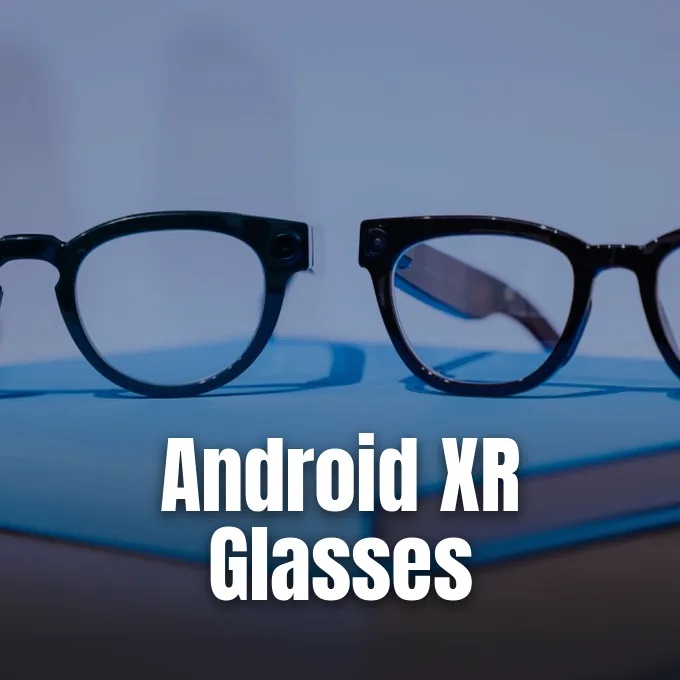
Warby Parker confirmed on November 5 that pre-orders for the first Android XR glasses built with Samsung will open on November 12. The announcement arrived during Warby Parker’s third-quarter earnings call, where co-founders Dave Gilboa and Neil Blumenthal outlined the earliest official delivery schedule for the Google collaboration, promising customer fulfillment in time for the holiday season [1].
Pre-Order Schedule and Holiday Deliveries
During the Warby Parker earnings call, co-CEO Neil Blumenthal announced that pre-orders for the new Android XR glasses collection begin in one week on November 12. CEO Dave Gilboa explained that customer orders will ship during the upcoming holiday shopping period, marking the earliest retail debut for the joint hardware effort. Fulfillment begins this winter. Both executives repeated the phrase “first collection” when outlining delivery goals for year-end buyers [1].
The Warby Parker team shared the exact rollout schedule during the earnings event: “One week from today, on November 12, we’ll begin accepting pre-orders for our first Intelligent Eyewear collection and look forward to delivering customer orders during the holiday season”. As Abner Li reported for 9to5Google, retail trackers do not yet know whether customer shipments will begin right before Thanksgiving week or stretch into mid-December [2]. Recent supply chain leaks had already pointed to a mid-December launch for Samsung [1]. Google used a similar rollout plan with Googlebook pre-orders before that computer had its full public debut, giving shoppers an advance pre-order window well ahead of formal store shelves.
Samsung plans to limit the first release wave to test software speed with targeted groups. According to Nickolas Diaz of Android Central, Samsung will release Intelligent Eyewear only in South Korea and the U.S. during its initial rollout, letting engineers check battery drain and network stability before expanding sales to other regions [1].

Style Choices in Android XR Glasses Frames
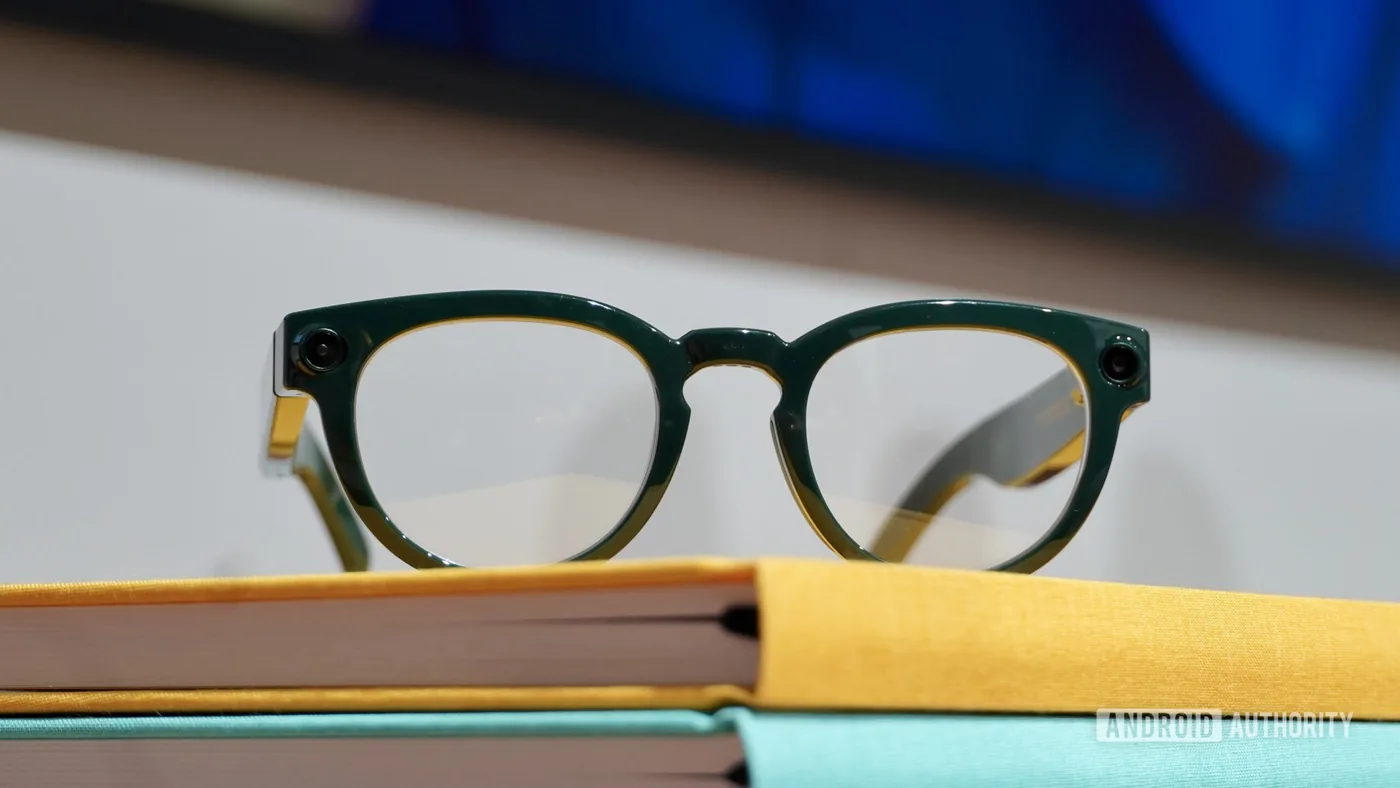
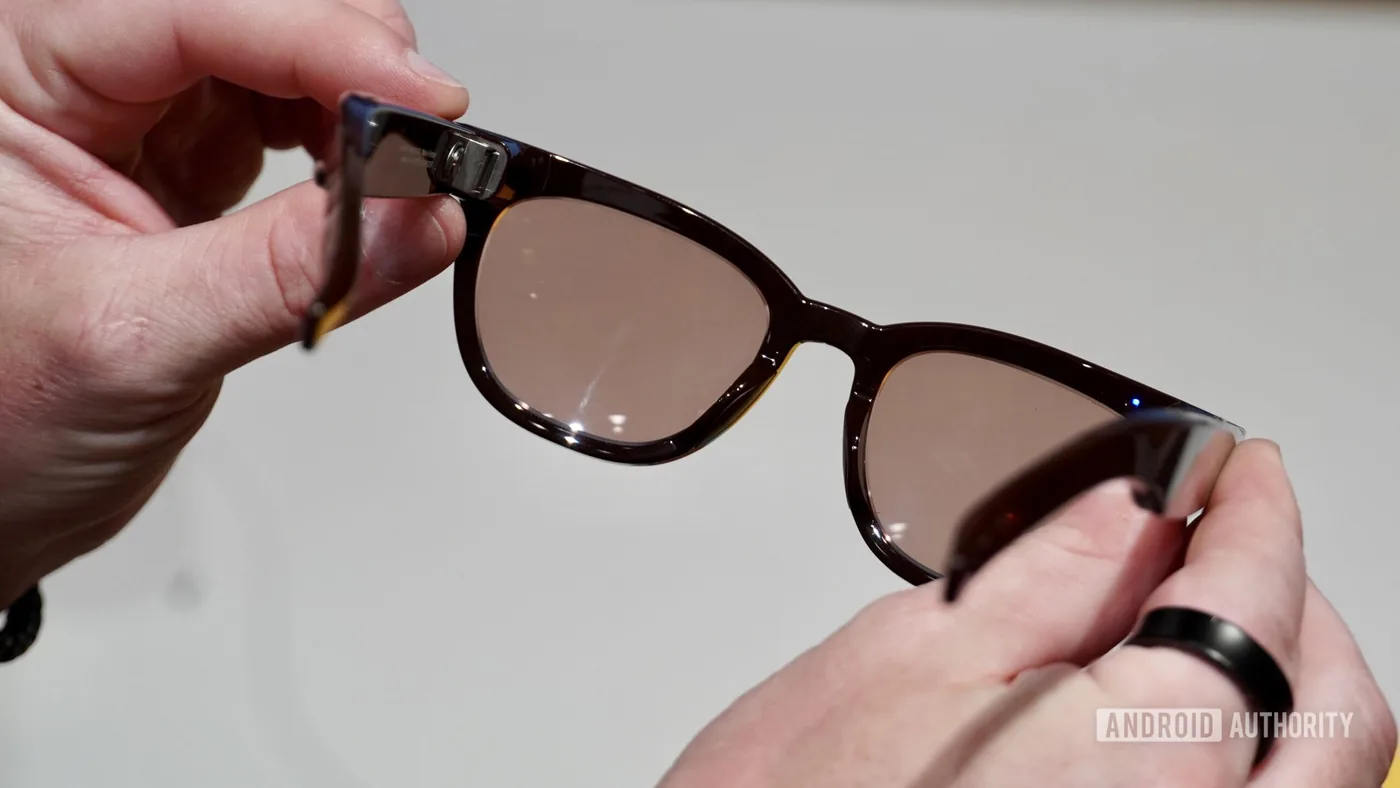
Samsung styled its Android XR glasses as normal daily eyewear instead of bulky tech gear. The company partnered with two fashion eyewear labels, Warby Parker and Gentle Monster, to produce frames that look just like standard optical glasses [1]. Both partners created two distinct frame styles for the initial launch [2].
The deliberate focus on a “first collection” from Dave Gilboa and Neil Blumenthal indicates that Warby Parker and Samsung plan to add more frame choices if holiday sales hit early targets. Eyewear buyers have different face shapes and personal styles, so offering only one look would limit appeal among everyday shoppers. Gentle Monster contributed bold, modern styles popular with trendsetters in Seoul, while Warby Parker designed classic acetate shapes favored by daily commuters across New York and other North American cities [1]. Samsung relies on both brands to offer distinct fashion options while keeping the core Android XR glasses software and internal sensors completely identical across every frame variant [2].
Samsung builds the internal parts, packing the battery cells and sensors into normal plastic temple arms. Early hands-on testing from Android Central showed that the frames balance weight cleanly across the nose without causing painful pinch points, allowing wearers to keep the glasses on comfortably through a full day of meetings and errands [1].
Audio Hardware Without In-Lens Displays
Under the hood, the wearable runs on Qualcomm chips, specifically the Qualcomm Snapdragon AR1 Gen 1 chip built for slim glasses [1]. Qualcomm designed the chip to handle audio playback, mic processing, and sensor data without heating up the temple arms [2]. Handsets handle heavy compute. The hardware connects with Galaxy phones for extra data tasks [1].
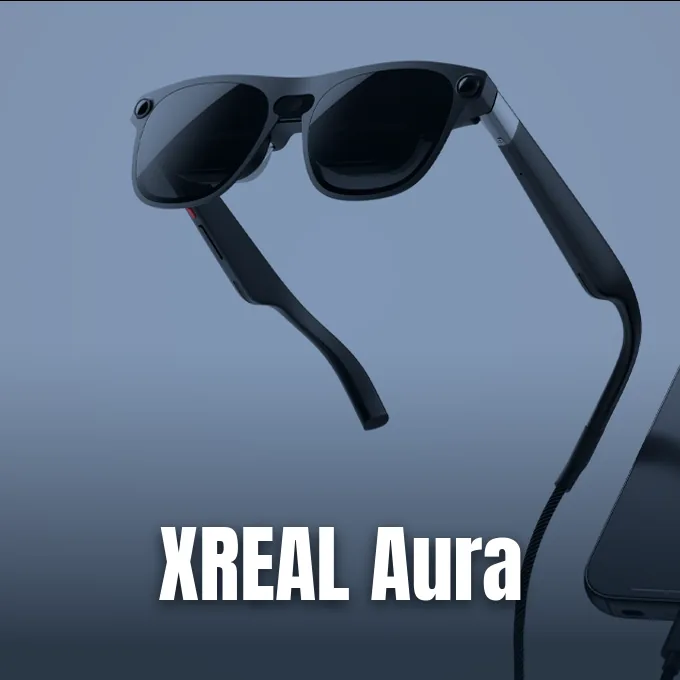
Unlike bulkier mixed reality gear, these Android XR glasses do not have an in-lens screen. Users control music and calls using directional open-ear speakers, tiny mics, and a touch strip built into the side of the frame. Voice prompts handle most tasks, letting people ask questions, set timers, and play tracks hands-free [2]. While other hardware like the XREAL Aura smart glasses uses prism optics to show visual data, Samsung chose an audio-only build to keep the frames light and slim.
A design without built-in screens cuts build costs and stops the eye strain that often plagues optical displays. Samsung is still testing display-based Android XR headsets in its labs, but Stephen Schenck of Android Authority confirmed that screen models will arrive in later product waves. The open-ear setup lets outside sounds stay clear while giving wearers helpful voice hints as they walk through town [3].
Android XR Glasses Camera Privacy Safeguards
A front camera lets users snap photos and record short video clips without pulling a phone from their pocket. The camera also feeds live views to Google’s Gemini assistant, letting wearers translate foreign words on signs, scan local objects, and ask questions about landmarks on walking tours while receiving spoken answers right through the open-ear speakers on the go [3].
Cameras on eyewear often spark privacy worries in public, so Samsung added clear hardware guards to ease bystander doubts. A bright LED indicator lights up whenever the camera takes photos or records video. Wearers cannot turn off this light during filming. If someone tries to cover the light with tape or paint, built-in sensors detect the block and shut down the camera on the spot [3]. Sensors ensure people nearby always know when the lens is active.
These privacy tools arrive as city leaders and venue owners place fresh limits on face-worn cameras. Stephen Schenck of Android Authority reported that regulators around the world are drafting rules to restrict where people can use camera glasses in public spaces. Samsung hopes its tamper-proof LED will help satisfy privacy laws as lawmakers debate the future of smart eyewear [3].

Pricing Outlook Under Global Rules
Price remains the main unknown factor ahead of the November 12 pre-order kickoff. Neither Samsung nor Warby Parker has posted dollar costs for the launch lineup. Buyers will not pay the steep $1,800 price tied to Samsung’s Galaxy XR headset, but the glasses could cost as much as a good smartphone. Exact retail prices will show up when order pages open next week [3].
Public reaction to these Android XR glasses will serve as a test for Google and Samsung’s wearable software plans. Both firms want everyday Warby Parker styling and helpful Gemini voice tools to show that smart glasses can fit naturally into daily habits, paving the way for faster adoption across the wider smart eyewear market if users respond well to the audio-first design. Shoppers remain cautious about prices [3]. Until pre-orders go live on November 12, consumers will watch closely to see if Samsung prices the glasses low enough to tempt regular Galaxy phone owners into buying their first pair.
Hands-on notes from Nickolas Diaz at Android Central show that Samsung wants to change minds by focusing on simple daily comfort. How shoppers greet the mix of Warby Parker frames, Qualcomm silicon, and Gemini AI will decide whether Android XR glasses can grow from a tech curiosity into a regular part of everyday life [1].
- ONLINE NEWS Diaz, N. (2026, November 5). Intelligent Eyewear: Samsung’s Android XR glasses will start pre-orders in a week. Android Central. [Article Link]
- ONLINE NEWS Li, A. (2026, November 5). First Android XR “Intelligent Eyewear” glasses go on pre-order next week. 9to5Google. [Article Link]
- ONLINE NEWS Schenck, S. (2026, November 5). Samsung Android XR smart glasses pre-orders get started on November 12. Android Authority. [Article Link]


