




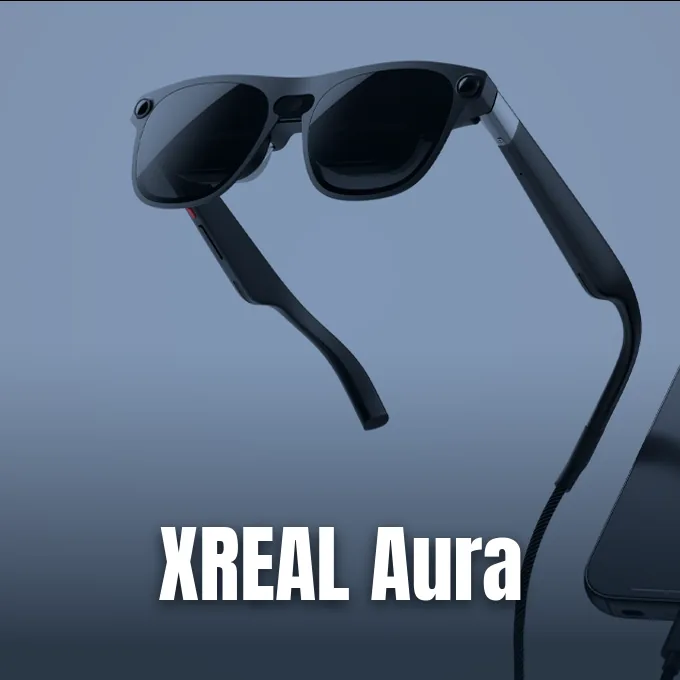
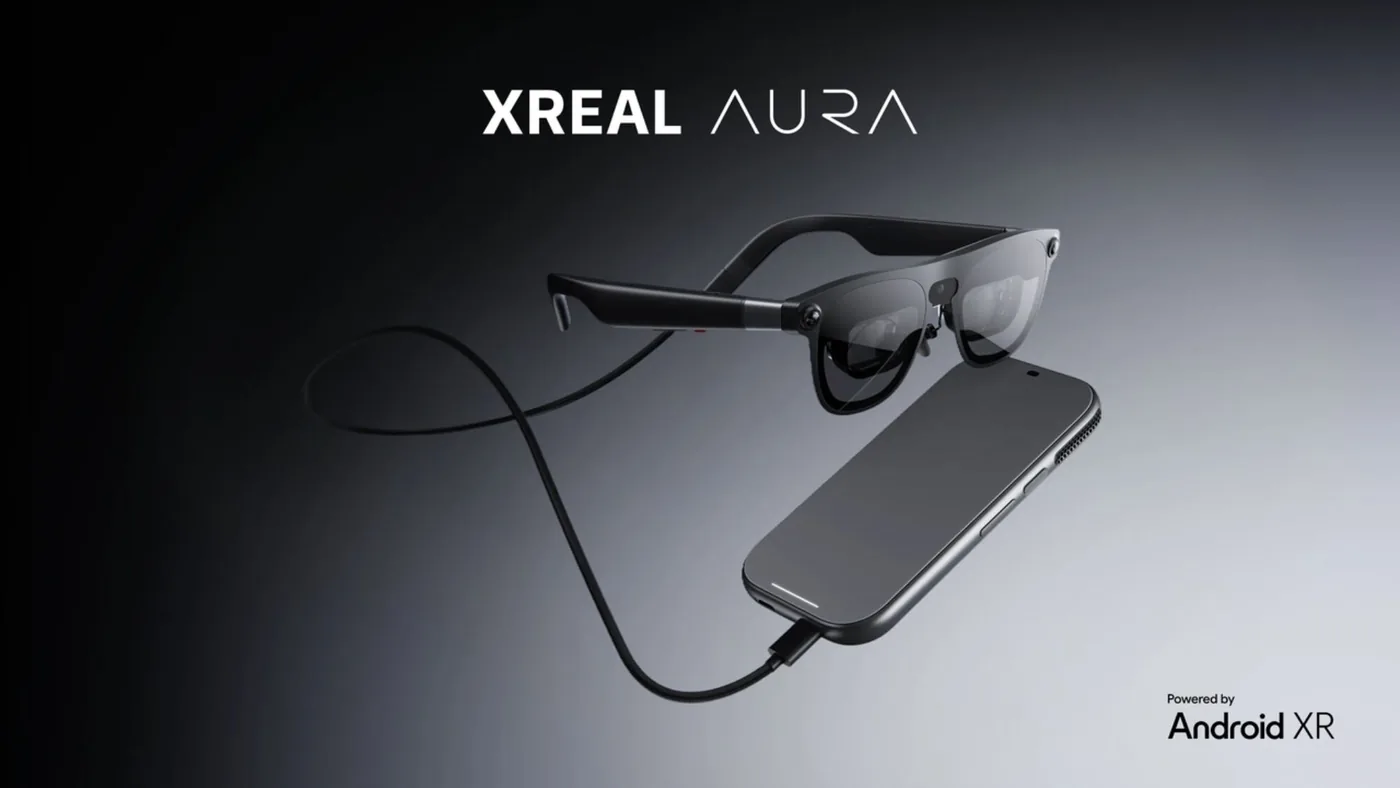
Hardware maker XREAL unveiled the Aura smart glasses at Google’s Android Dev Summit on Wednesday, introducing a wired headset built around the Android XR platform. TechCrunch reporter Ivan Mehta noted that Google and Xreal had teased the glasses earlier in the year at the Google I/O developer conference [2]. Developed in partnership with Google and Qualcomm, the glasses bring Google Play applications, spatial workspaces, and multimodal Gemini assistance directly into the wearer’s line of sight. Unlike bulky headsets that seal users away from their surroundings, the XREAL Aura relies on transparent optical lenses paired with a separate compute puck to balance processing demands with wearable comfort [1]. Pre-orders opened Wednesday starting at an introductory price of $1,099 [3].
Tethered Hardware Architecture
Aura weighs less than 95 grams. That frame is noticeably heavier than the 69-gram Ray-Ban Meta Display, yet far lighter than self-contained spatial headsets like Apple Vision Pro [2]. A single USB-C cable links the glasses to the companion puck during use [1].
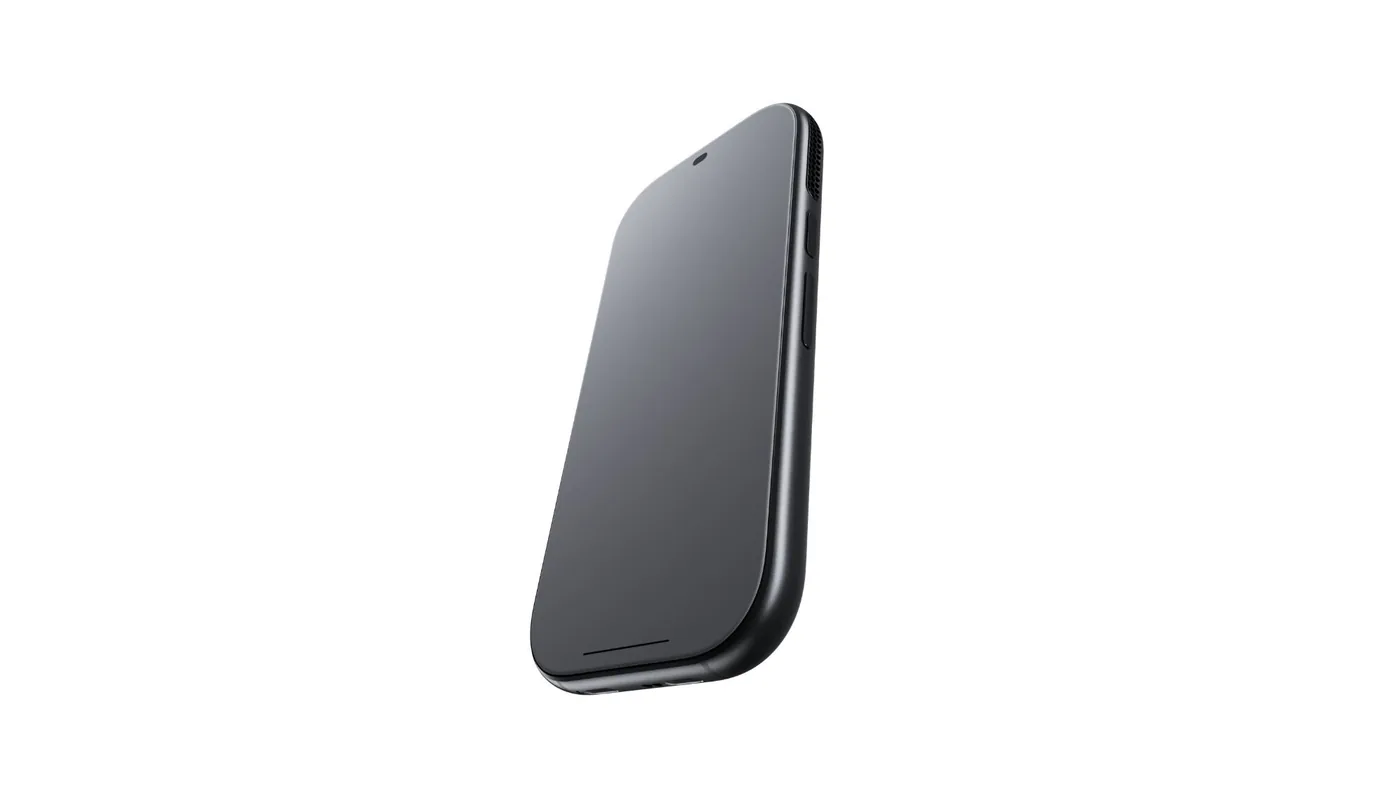
That companion puck houses Qualcomm’s Snapdragon Reality Elite platform, which handles the core operating system and graphical rendering while offloading heat away from the user’s face. Inside the glasses, a custom XREAL X1S chip manages spatial display calculations and sensor input to keep virtual windows pinned in room coordinates. The puck also serves as an input tool, doubling as a handheld trackpad for users who want tactile navigation. Wearers can also navigate menus using gestures or voice commands [1]. As Meta expands its commercial push into smart glasses, Google is relying on hardware partners including Samsung and Xreal to bring Android XR devices to market through a flexible ecosystem approach [2].
Connecting a laptop over USB-C turns the glasses into an expanded desktop without requiring extra software, allowing the computer’s screen to float as a resizable monitor right next to native Android XR application windows. Because the lenses stay transparent, workers easily see their actual desk. Travelers can comfortably arrange browser tabs across an airplane tray table without bothering neighbors, making the setup a practical alternative to carrying a secondary portable display during business trips [1].
Display and Audio Specifications
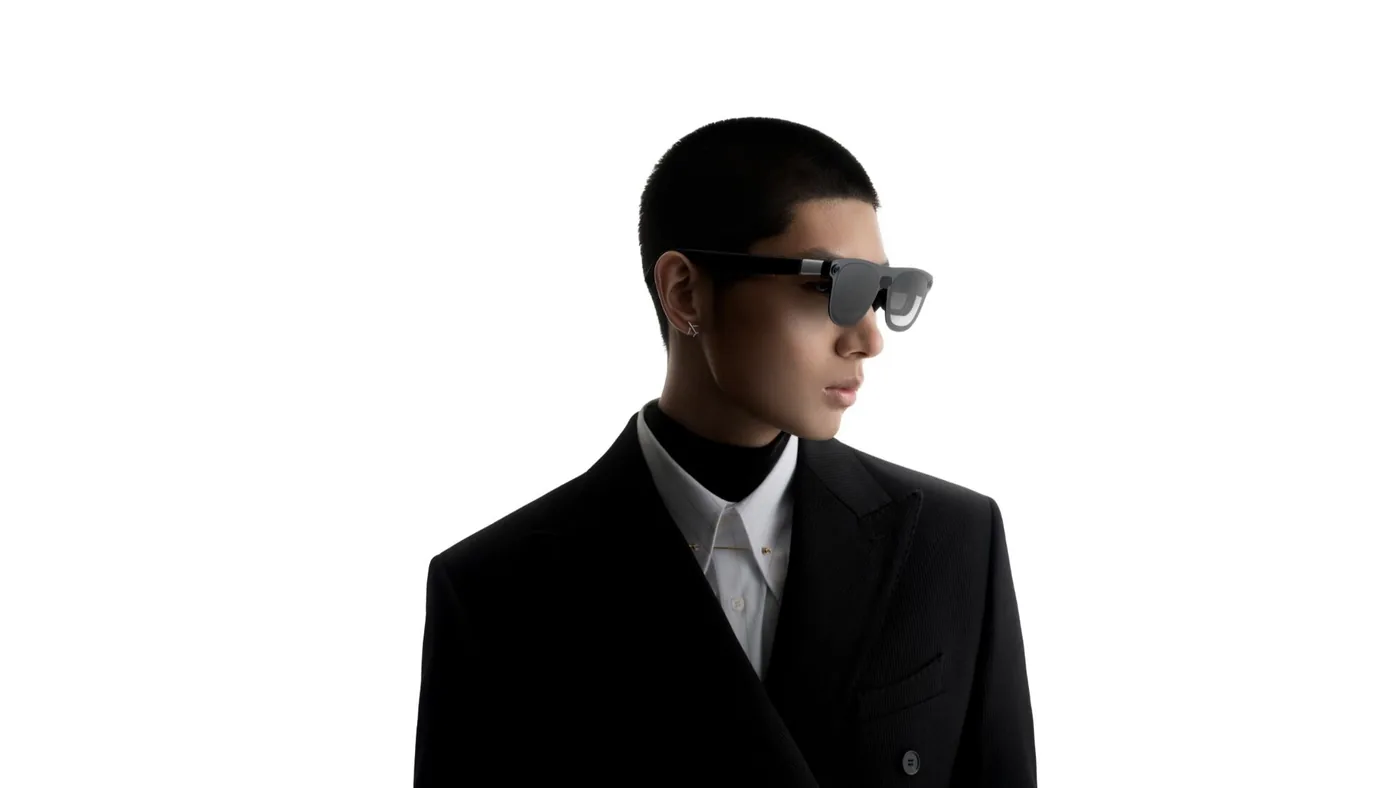
Visual performance centers on dual Sony Micro-OLED panels that output 1200p resolution per eye at a fluid 120Hz refresh rate. However, early reports differ on optical field size. Writing for Android Authority, Shimul Sood listed the viewing area at a 70-degree field of view [1]. In contrast, TechCrunch reported a wider 95-degree field of view for the commercial optics, putting the screen specs above the Ray-Ban Meta Display on paper [2]. That optical array delivers sharp typography for document editing, coding, and video playback while letting ambient light pass through when looking around a room [1].
To handle varied lighting conditions in passenger planes or brightly lit offices, XREAL built electrochromic dimming into the front glass so users can darken the lenses electronically when watching movies or reading spreadsheets. The glass turns clear again with a simple button tap [1].
Sound comes from an integrated speaker system tuned by Bose, built into the temples to project directional audio to the ears without fully blocking outside noise. The setup allows wearers to hear incoming notification pings or streaming media while maintaining conversational contact with people nearby. For private listening in quiet libraries or crowded transit cabins, the glasses also pair with wireless earbuds over Bluetooth [1].

Gemini Integration in XREAL Aura
The Android XR platform integrates Google’s Gemini assistant into the XREAL Aura visual interface as a Q&A helper [2]. Gemini interprets both on-screen application content and surrounding physical spaces captured through outward cameras. Wearers can ask questions about text displayed on a mirrored laptop screen or ask the assistant to identify objects on a workbench [1].
Users can share their live camera feed with Gemini, prompting the model to pinpoint items in a room or guide them step by step through hands-on repair instructions. Instead of checking diagrams on a phone, wearers see visual callouts anchored to real objects. That workflow links into Google’s wider assistant ecosystem, which recently saw Google launch Gemini 3.8 text-to-speech with custom voices, allowing responses to sound lifelike as they stream through the directional Bose temple speakers without audio delay. Gemini answers questions in real time, helping users solve everyday problems without lifting a handset [1].
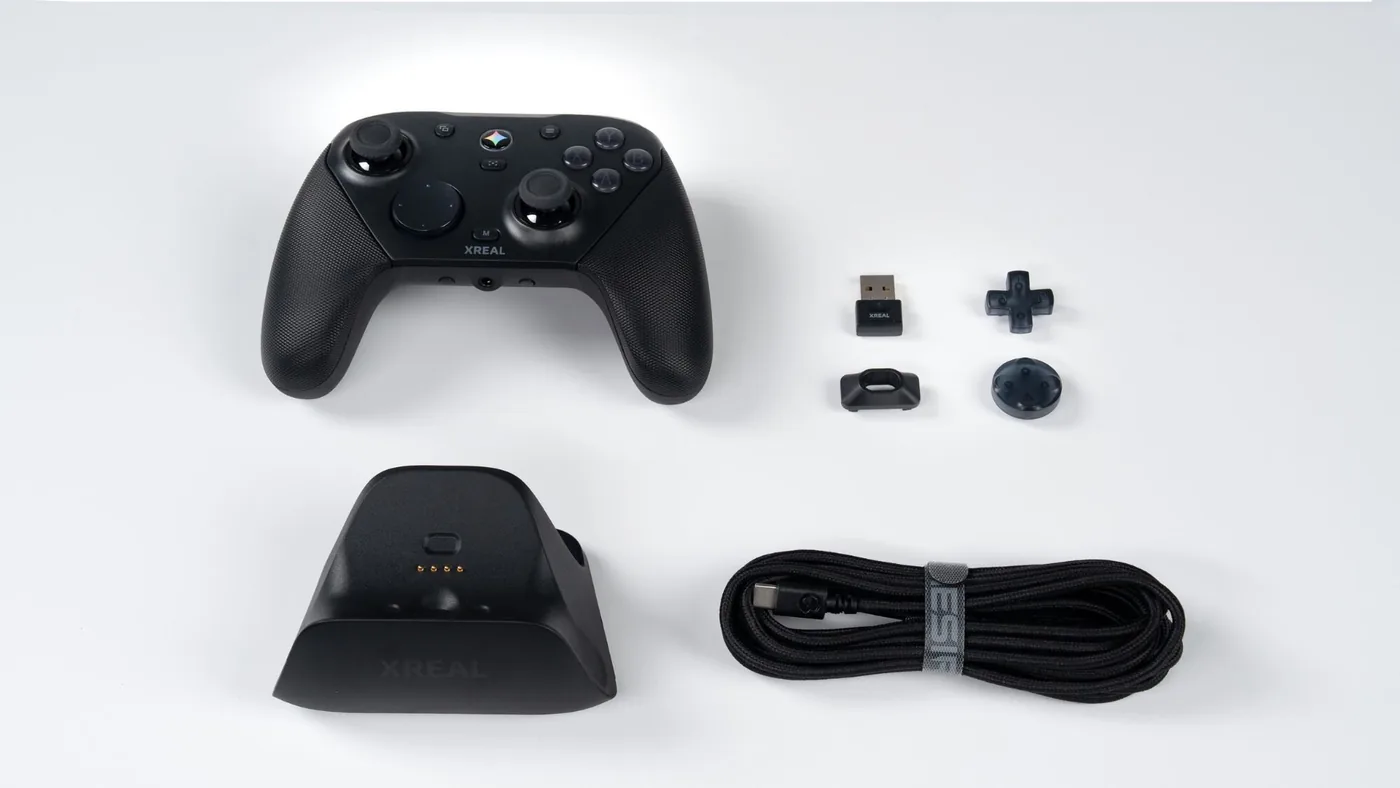
Accessory hardware also supports this artificial intelligence workflow. A custom wireless controller co-developed with GameSir features a custom Gemini button, allowing players to pull up contextual guidance without pausing gameplay or fumbling through menus. XREAL also introduced a compact wireless keyboard tailored for portable productivity. It lets travelers reply to emails and organize spatial notes without touching the tethered puck [1].
Supported Applications and XR Experiences
Because the XREAL Aura runs Android XR, users get access to familiar Google Play titles as well as more than 150 experiences built specifically for spatial environments. Sports fans can open the NBA App with an NBA League Pass subscription to watch up to three live basketball games at once on separate floating displays. The app also includes Court View, a tabletop mode that renders a live basketball game in miniature three-dimensional perspective on a desk or dining table [1]. TechCrunch reported that sports integration also includes the NASCAR XR App for immersive auto racing coverage [2].
Gaming options span several genres. Players can set up tabletop skirmishes in Fallout: Factions, embark on sci-fi exploration in Project Hail Mary: Journey Among the Stars, or arrange geometric puzzle shapes in Cubism. Other notable software arrivals include Oh My Galaxy! and Chess Club [1].
Media consumption also extends to spatial photo viewing and cultural productions. Google Photos features a spatial gallery that lets wearers view supported photos and panoramic shots in three dimensions [1]. On the arts side, users can stream immersive performances such as San Francisco Ballet Company’s The Nutcracker, as well as educational journeys like Nevatars and Galapagos [2]. Gamers can also plug compatible handheld consoles into the glasses over USB-C, turning small portable screens into private cinematic displays [1].
Release Schedule for XREAL Aura
The XREAL Aura carries a base price of $1,279 for 12GB of RAM and 256GB of storage, with an introductory price of $1,099 through December [1]. A 16GB and 512GB model lists for $1,499, discounted to $1,299 during launch [2]. Orders opened Wednesday in the United States, Canada, and South Korea, with Best Buy serving as an American retail partner [1].
Customers in Japan can place pre-orders starting on November 2, and XREAL expects first customer shipments to begin rolling out in mid-November. Wider distribution into retail stores, including select Google Store locations, is scheduled for 2027 [1]. The rollout serves as a test for Google’s platform strategy as the company teams up with partners like Samsung and XREAL to challenge Meta’s smart glasses ecosystem. As reported by TechCrunch, Google is using the open hardware partnership playbook that made Android the dominant smartphone operating system worldwide [2]. Techmeme tracked the product launch during a busy week of autumn announcements from Apple and Alphabet [3].
Building a sustainable market for smart glasses is an uphill battle for hardware makers. In May, Xreal CEO Chi Xu told TechCrunch that creating wearable smart glasses remains commercially difficult, pointing out that hardware companies across the sector continue to incur financial losses while trying to scale. “You need all the key pieces ready — you need the hardware ready, the operating system needs to be ready, and then you need a great user interface,” Xu said [2]. Whether the combination of Android XR, Sony Micro-OLED displays, and Gemini assistance can convince mainstream buyers to embrace a tethered puck will determine its commercial future [1].
- ONLINE NEWS Sood, S. (2026, October 28). XREAL Aura brings Android XR and Gemini to your eyes, but it’ll cost you. Android Authority. [Article Link]
- ONLINE NEWS Mehta, I. (2026, October 28). Xreal Aura is a new wired headset powered by Android XR. TechCrunch. [Article Link]
- ONLINE NEWS Google and Xreal launch the Xreal Aura wired XR glasses, with Android XR and a puck with Snapdragon Reality Elite, for $1,099+ through December, then $1,279+. (2026, October 28). Techmeme. [Article Link]


