





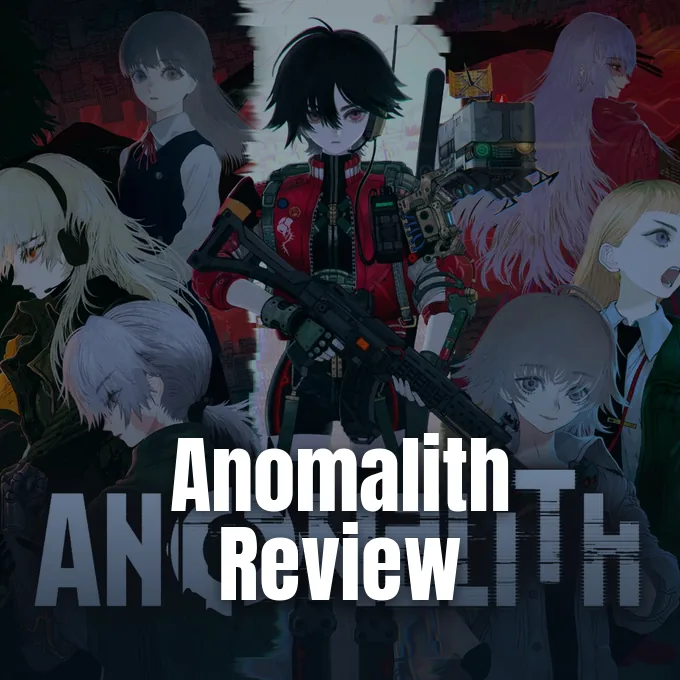
Publisher Furyu Corporation launched its third-person anime shooter ANOMALITH on PC, PlayStation 5, and Nintendo Switch 2 in late November 2026. Developed with Winning Entertainment Group, the release puts players in the boots of a young diver battling supernatural entities inside crumbling urban rifts. Early Anomalith review impressions from outlets like Anime News Network and WayTooManyGames praise an eerie liminal horror setting, yet both publications show that repetitive level design and erratic pacing drag down the experience [1].
Premise and World in Anomalith Review Coverage
The story unfolds in a future Japan shattered by space-warping cracks known as Anomaly Zones. Reviewer James Beckett at Anime News Network pointed out that the game leans hard into weird-brutalist architecture reminiscent of Remedy’s Control, mixing drab office ruins with viral liminal horror aesthetics. These warped concrete corridors and abandoned municipal blocks give the setting an unsettling identity, even though budget limits force visual assets to repeat through early excursions [1].
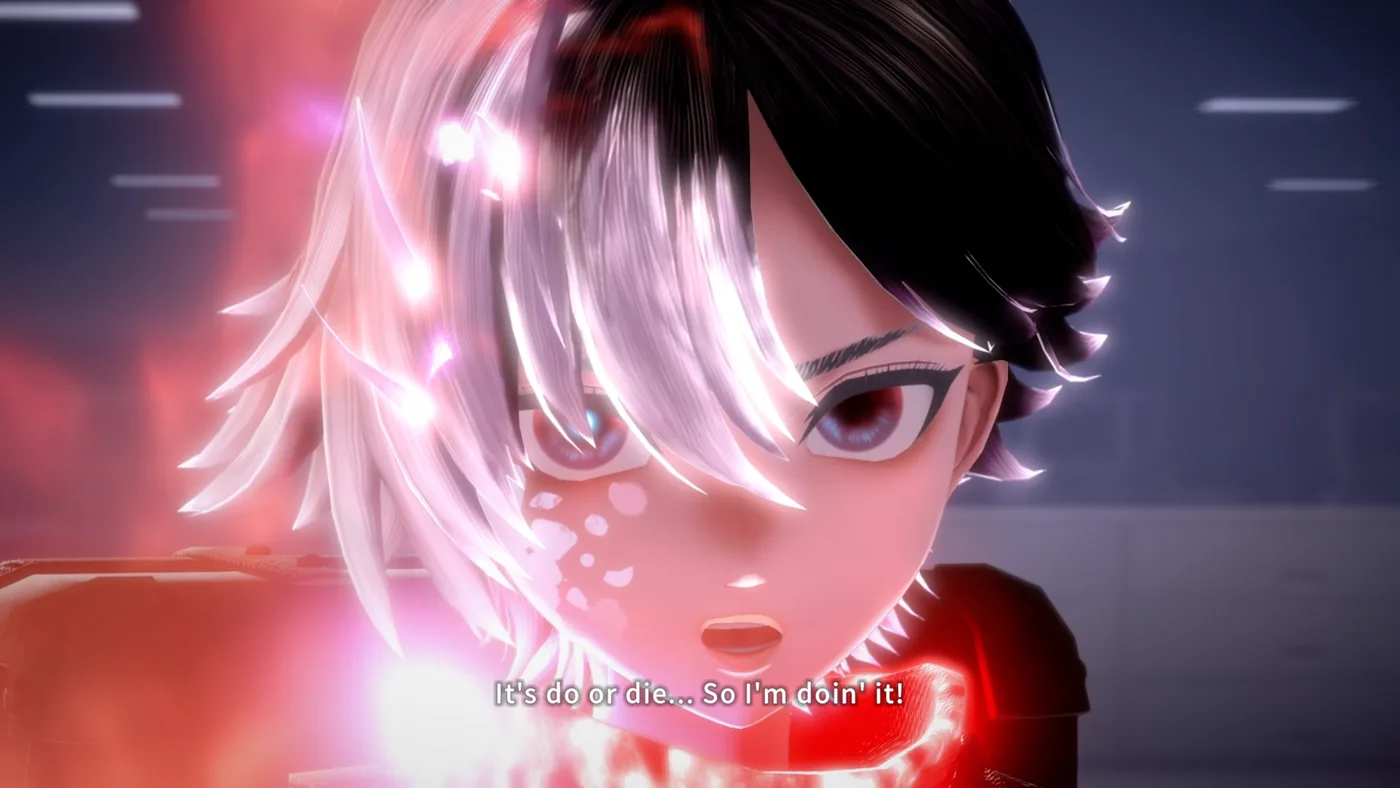
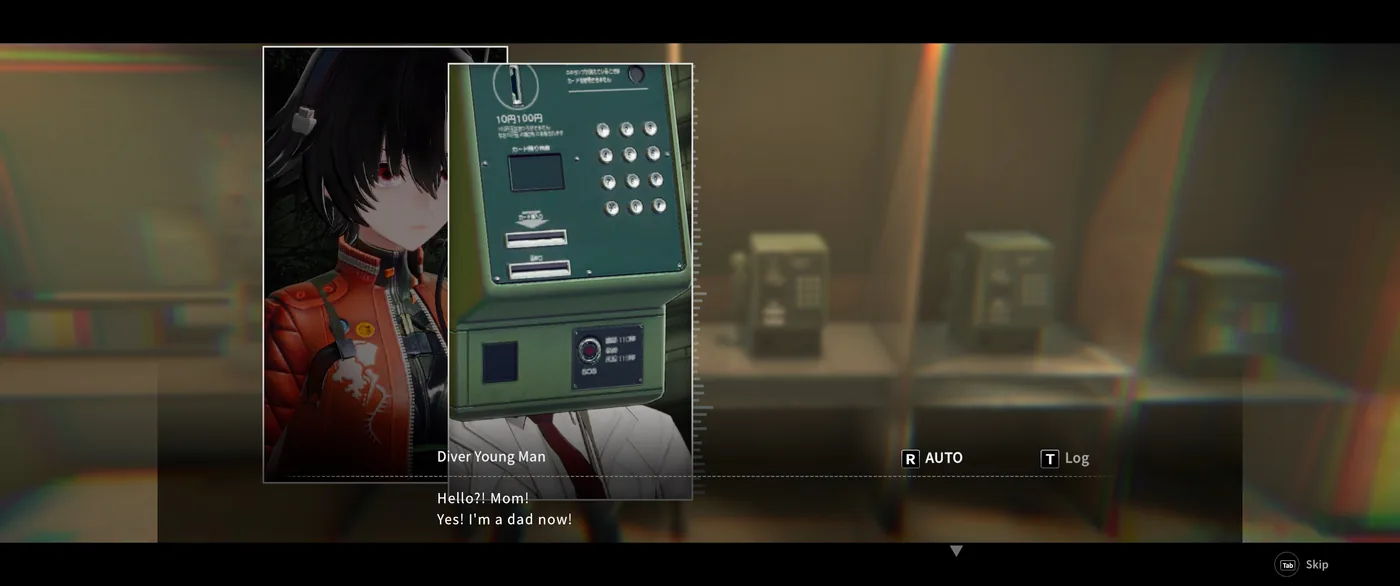
Players follow Reona Minazuki, a teenage girl who lost ten years of her life and her closest childhood companions to the mysterious Anomaly Zone phenomenon. Working as an operative diver for the Anomaly Zone Countermeasures Office, she ventures into the depths of these distortions to destroy lurking aberrations, gather research data, and uncover the truth behind her friends’ disappearance. A mission that went wrong left Reona bonded to the anomalies, granting her supernatural combat talents that help her survive inside increasingly hostile sectors. The narrative unfolds through standard cutscenes and visual-novel exchanges featuring static character portraits, backed by humorous worldbuilding and likable cast banter that keeps the investigation moving between assignments [2]. While the mystery relies on familiar anime tropes, the character interactions provide enough warmth to ground the darker horror themes.
Beckett wrote that the game “manages to do a lot with very little, though that means it also tends to bite off more than it can chew.” The retro Showa-era atmosphere creates an engaging backdrop for players willing to forgive simple geometry [1].
Survival Mechanics in Liminal Spaces
Combat combines over-the-shoulder third-person gunplay with tactical survival inventory management inspired by classics like Resident Evil 4. Reona wields an expanding arsenal that includes handguns, automatic rifles, and shotguns, while scavenging for ammunition and crafting parts inside the ruins. Parrying lets her deflect melee strikes and ranged projectiles when swarms close in. When bullets run out during extended fights, special powers let her rip through hostile aberrations to create breathing room [2].
The core loop borrows ideas from extraction shooters like Escape from Tarkov and Arc Raiders, forcing Reona to hunt for escape portals to deposit salvage and clear out her limited inventory bag. In a single-player game with no multiplayer threat, this design quickly loses tension and turns into regular chores. Beckett wrote that the extraction loop amounts to “little more than forced inventory fiddling and backtracking to the nearest portal every few minutes.” Without unpredictable human opponents stalking the hallways, returning to base camp lacks the organic danger that makes extraction runs thrilling, leaving solo players to endure repetitive backtracking between missions [1]. Enemy hordes behave more like standard mobs from Resident Evil or Devil May Cry, meaning the extraction setup adds friction without delivering suspense.
Back at headquarters, players can accept optional side missions that send Reona back to previous zones. Salvaged supplies feed into an equipment bench where players craft medical kits, modify weapon attachments, and unlock outfits that grant stat perks [2].

Pacing Flaws in Combat Encounters
Both reviews found that encounter balance suffers once players grasp basic combat tricks. At WayTooManyGames, Kyle Nicol pointed out that standard enemies and bosses turn into bullet sponges that absorb massive punishment before collapsing. Nicol said that “a lot of encounters, especially boss fights feel like bullet sponges,” which stretches simple skirmishes into repetitive shooting drills. Encounters often pit Reona against waves of monsters that fail to pressure the player with smart positioning or varied attack patterns [2].
Character progression makes this friction worse rather than better. Beckett reported feeling overpowered throughout most of the campaign, collecting spare loot and completing side tasks simply out of habit rather than real necessity. When sudden difficulty spikes arrived during defense segments or boss phases, they felt cheap and arbitrary instead of testing player mastery. The game suddenly cranks up incoming damage for brief stretches before returning to passive enemy encounters [1].
Dull room architecture magnifies this repetition. Nicol pointed out that despite creative portal transitions, many environments feel like barren box rooms without distinctive clutter. Running through identical concrete corridors drains momentum from story missions, forcing players to retrace old paths without discovering fresh visual surprises [2].

PC Performance in Anomalith Review Testing
Optimization on PC proved shaky in Anomalith review testing. Beckett reviewed the game on a system equipped with an older Nvidia GTX 3060ti graphics card and encountered persistent frame drops during busy sequences. Given that the visual presentation resembles a budget release from the PlayStation 4 generation, Beckett had to tweak several graphical settings to lock in 60fps at 1440p resolution. Noticeable aliasing lingered on character models and background textures even after raising visual presets to high levels, showing that the engine struggles to deliver smooth rendering on modest hardware configurations [1]. Beckett noted that a game with such modest visual fidelity should have had no trouble maintaining stability on a well-built PC rig.
Nicol experienced similar performance stutters on a far more capable gaming computer. Running the game with an Nvidia RTX 4070 graphics card, an AMD Ryzen 7 7800X3D processor, and 32GB of RAM, Nicol still suffered frame drops when entering large rooms populated by multiple enemies. A title with such sparse geometry and basic animations should not tax current graphics hardware so heavily, suggesting that post-launch updates will be needed to smooth out stability [2].
Interface quirks also irritated PC testers using ultrawide monitors. While ultrawide displays are partially supported, the user interface fails to scale properly to wide aspect ratios. Nicol had to move his mouse cursor slightly off to the left side of buttons just to select menu options and arrange his inventory. On top of that awkward menu offset, the in-game weapon selection wheel takes up nearly a third of the active screen area during combat [2].

Review Scores From Major Outlets
Critical evaluation settled in a middle tier among publications. Beckett assigned ANOMALITH a C+ overall grade at Anime News Network, praising the stylish setting and enjoyable gunplay while taking points away for weak level craft and clumsy extraction mechanics. At WayTooManyGames, Nicol handed down a final score of 6.0 out of 10, comparing the release to earlier Furyu efforts like CRYMACHINA and REYNATIS that won cult followings despite evident rough edges [1].
Category scores revealed specific splits in how each outlet judged the presentation. Anime News Network gave B- ratings to graphics, sound, and general presentation, paired with a C+ for gameplay systems. WayTooManyGames awarded a 5.0 for graphics and a 5.0 for gameplay, balanced by a 7.0 for audio and an 8.0 fun factor score, with Nicol remarking that the game remains surprisingly entertaining despite its visual shortcomings and clunky pacing [2].
Both outlets concluded that players who approach the adventure like an earnest B-movie can find real enjoyment in its quirky world and snappy shooting. In its Anomalith review summary, Anime News Network suggested that meeting the game halfway reveals plenty of fun. For those expecting polished AAA production standards, waiting for price cuts and gameplay patches is the wiser move [1].
- ONLINE NEWS Beckett, J. (2026, November 26). ANOMALITH Game Review. Anime News Network. [Article Link]
- ONLINE NEWS Nicol, K. (2026, November 19). Review – ANOMALITH. WayTooManyGames. [Article Link]


