






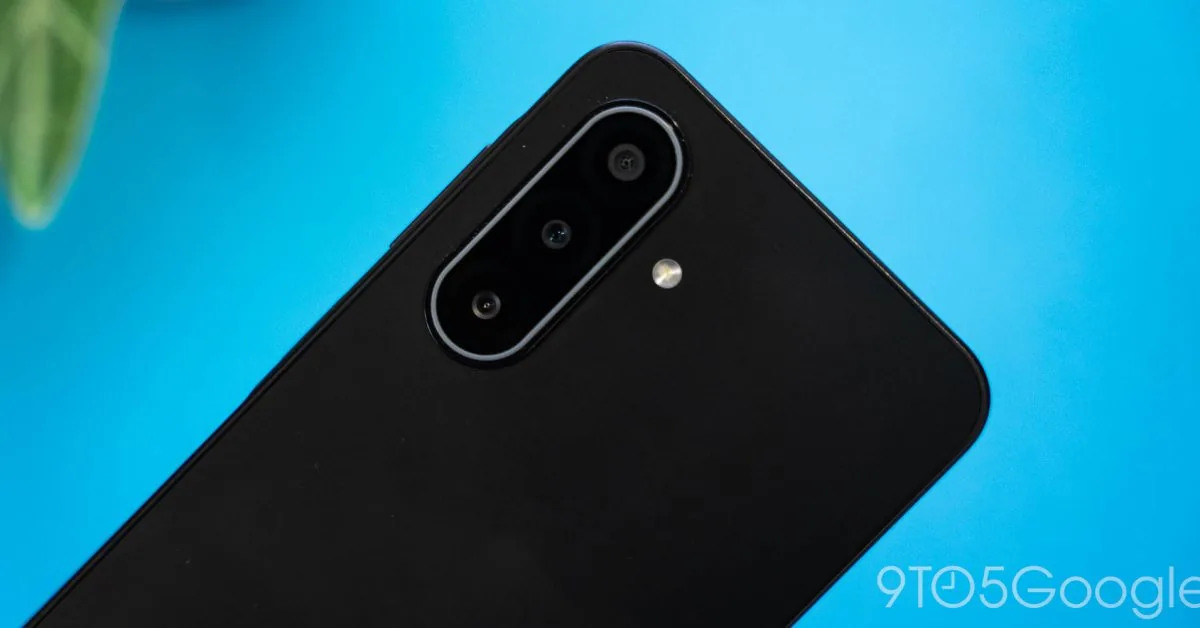
New Samsung production cuts could reduce fourth-quarter smartphone assembly by up to 30% as climbing memory chip prices erase profits on cheaper devices, according to reports from South Korea. The reduction centers on the high-volume Galaxy A lineup, where component orders have dropped roughly 20% compared to early targets [2]. While the company hasn’t confirmed the shift publicly, supply chain accounts indicate that rising component expenses make budget devices difficult to sell without taking losses [1].
Scale of Samsung Production Cuts
Reports from Korean publication ETNews reveal that component orders for Galaxy A handsets fell by about 20% for the final months of 2026. These Samsung production cuts translate to roughly 10 million fewer phones over the year, leaving output far behind early manufacturing plans [1]. A translated excerpt from the report stated that “Component orders for the fourth quarter have decreased by about 20% compared to the production plan at the beginning of the year” [2].
Industry reporting from Korean outlet Money Today paints an even wider pullback for the mobile division. The outlet reported that Samsung’s Mobile Experience (MX) team asked parts suppliers to reduce total device component deliveries by 20% to 30% through the end of the year [4]. Such reductions usually arrive late in the calendar cycle because buyers often wait for early spring flagships, but this adjustment runs much deeper than typical seasonal pauses. Original industry forecasts expected the South Korean manufacturer to produce around 270 million smartphones during 2026. If suppliers scale back deliveries at the requested rates, full-year production might finish in the low 200-million range instead [3].
Samsung has yet to comment officially on the reported cuts. Android Central reached out to the manufacturer for clarification, but representatives did not provide an on-the-record reply before publication [1]. Meanwhile, parts makers in Asia must now balance smaller component runs against shifting factory schedules as fourth-quarter assembly lines slow down [5].
Rising Costs of Mobile Memory
Soaring semiconductor prices sit at the center of the slowdown. Mobile DRAM components have grown far costlier over the past twelve months, driven by heavy demand from companies building artificial intelligence data centers [7]. As chip fabricators allocate silicon wafers to server hardware, standard handset memory supplies have tightened, forcing phone makers to pay steep premiums for necessary parts [8].
Data from market research firm TrendForce shows the speed of these price increases. The price of 12GB of LPDDR5X mobile memory reached approximately $145 to $146 in the second quarter of 2026, an increase of 175% price surge compared to the same period a year earlier. Market projections cited by Money Today indicated that mobile DRAM prices could jump by another 20% in subsequent quarters, potentially lifting the price of a single 12GB package to about $180 [4]. For budget handsets, memory chips and main chipsets now account for more than half of total manufacturing expenses, leaving phone makers with little room to absorb extra costs [1].
Other component suppliers face similar pinches. Makers of printed circuit boards and multilayer ceramic capacitors have also shifted resources to enterprise AI hardware, making basic phone electronics harder to source cheaply [1]. Even though Samsung is one of the world’s biggest memory chip producers, its phone division must negotiate for components in an open market just like rival handset makers [6].


Shift Toward Premium Galaxy Flagships
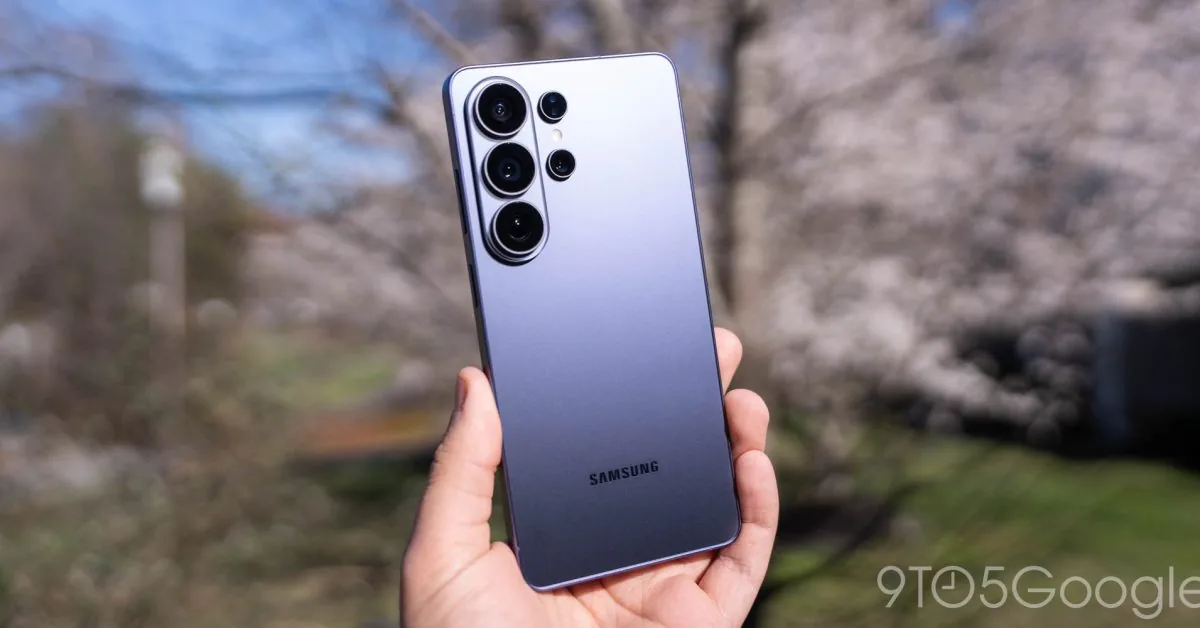
The Galaxy A series forms the backbone of Samsung’s mobile volume, reportedly accounting for about 70% of total shipments. These affordable models help the company hold the global sales crown against Apple, especially in price-conscious markets [1]. Yet selling millions of units that generate little or no profit threatens company balance sheets, prompting managers to redirect parts to pricier models like the Galaxy S26 Ultra and the Galaxy Z Fold 8 [2].
This trend exposes an unusual divide within Samsung Electronics. On one side, the semiconductor division earns heavy returns by selling server DRAM to artificial intelligence firms, pushing third-quarter company profit guidance to 107.4 trillion won, or roughly $80 billion [6]. On the other side, the Mobile Experience unit faces a projected third-quarter operating loss of about 19 trillion won, or nearly $14 billion [3]. Because the handset unit doesn’t get discounted parts from its own chip lines, it must trim lower-margin volume to avoid mounting losses [6].
To preserve revenue without manufacturing millions of low-margin handsets, the company has broadened alternative sales efforts. That push includes expanding certified refurbished Galaxy S26 hardware through official retail outlets. By selling restored premium phones at lower prices, Samsung can cater to budget-minded buyers while keeping factory orders focused on profitable flagship builds [2].
Annual Targets After Samsung Production Cuts
Lower production targets will noticeably alter Samsung’s yearly shipment totals. Analysts previously expected the brand to ship roughly 270 million smartphones during 2026, supported by steady demand for foldable hardware and new S-series devices [7]. But with the new Samsung production cuts ranging between 20% and 30%, analysts expect annual volume to fall to the low 200-million mark [4]. That revision is one of the largest output adjustments the company has made in recent memory [8].
Early market forecasts did not predict such a retreat in factory orders. Research firm IDC had earlier projected Samsung’s smartphone assembly to decline from approximately 59 million units in the third quarter to roughly 52 million units in the fourth quarter, an expected seasonal drop of about 12%. Instead, component orders dropped by more than double that rate [7]. One industry insider speaking to Money Today put the dilemma plainly, claiming there is “absolutely no profit left from selling smartphones” once higher chip costs are factored into the bill of materials [8]. When selling a handset produces zero margin, maintaining high output only magnifies business losses [4].
The wider mobile market is feeling similar cooling trends. Preliminary Counterpoint estimates cited by Reuters showed global phone shipments dropped 20% year over year in the third quarter. Samsung managed to retain first place globally with a 23% market share, even though its own shipments fell 3% from the prior year [6].

Future Hardware Changes and Prices
Consumers shopping for budget Android phones could face noticeable trade-offs in coming months. An industry source cited by ETNews cautioned that the reduction in production volumes may push retail launch prices higher for next-generation Galaxy A models [1]. If Samsung can’t pass all component expenses onto shoppers, future entry-level models might instead launch with downgraded camera sensors or cheaper display panels to keep retail prices affordable [5].
Samsung has already raised retail prices on several devices this year, including a $100 price hike on the base Galaxy S26 [3]. However, pushing prices up too far in budget brackets carries real market risks. In price-sensitive countries, shoppers often switch quickly to rival Chinese manufacturers or older Apple models if a mid-range phone crosses their spending limit [1]. If Samsung scales back its entry-level catalog too far, Apple could overtake it for the number one spot in total global shipments [5]. That leaves the company walking a fine line between protecting mobile operating profits and defending its long-held volume leadership [6].
Even as hardware output slows down, software commitments for current Galaxy owners continue uninterrupted. The manufacturer keeps expanding Android 17 updates to supported phones and tablets in major markets. Maintaining steady software support helps keep existing users satisfied, even as the brand prepares to navigate leaner hardware production schedules through 2027 [2].
- ONLINE NEWS Bonggolto, J. (2026, October 26). Samsung may slash Galaxy A production by 20% in the fourth quarter. Android Central. [Article Link]
- ONLINE NEWS Schoon, B. (2026, October 26). Samsung reportedly slashes production plans for millions of Galaxy phones. 9to5Google. [Article Link]
- ONLINE NEWS Schoon, B. (2026, October 8). Galaxy phones reportedly ‘yield no profit at all’ when sold as Samsung cuts production. 9to5Google. [Article Link]
- ONLINE NEWS Sharma, A. (2026, October 8). Samsung reportedly can’t make a profit on its phones, so it’s cutting production by millions. Android Authority. [Article Link]
- ONLINE NEWS Shaik, A. I. (2026, October 26). Samsung plans to make 20% fewer mid-range phones due to rising chip costs. SamMobile. [Article Link]
- ONLINE NEWS Szőgyényi, S.-E. (2026, October 18). Samsung reportedly plans Galaxy production cut as memory costs squeeze phone margins. GSMDome. [Article Link]
- ONLINE NEWS Enrico, J. (2026, October 8). Samsung is cutting Galaxy phone output as memory prices put pressure on profits. Tech Times. [Article Link]
- ONLINE NEWS Shaik, A. I. (2026, October 8). Samsung could make 30% fewer phones this year as profit margins disappear. SamMobile. [Article Link]


